
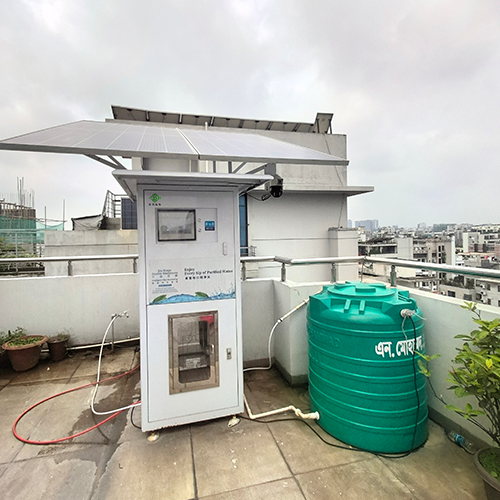
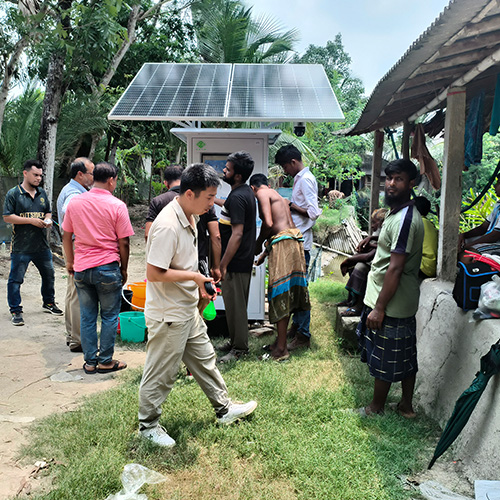
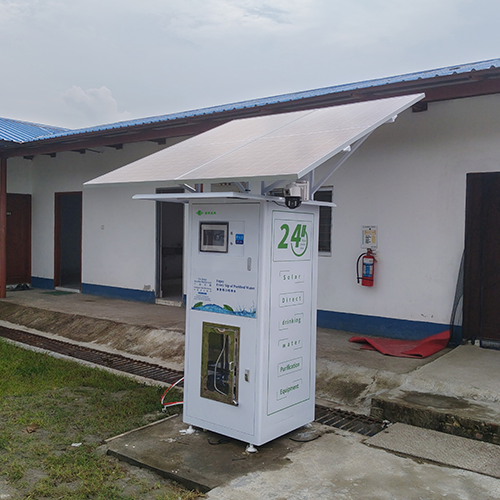
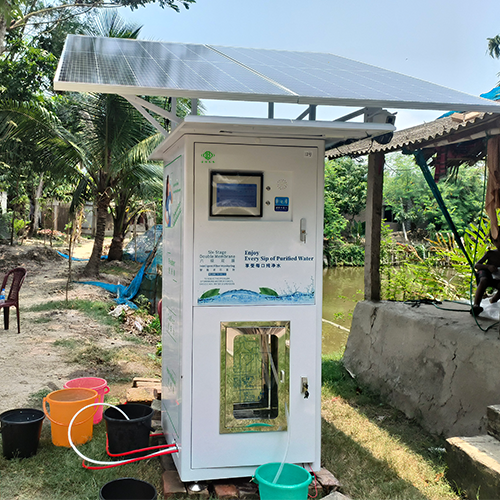
- Solar Powered Drinking Water System
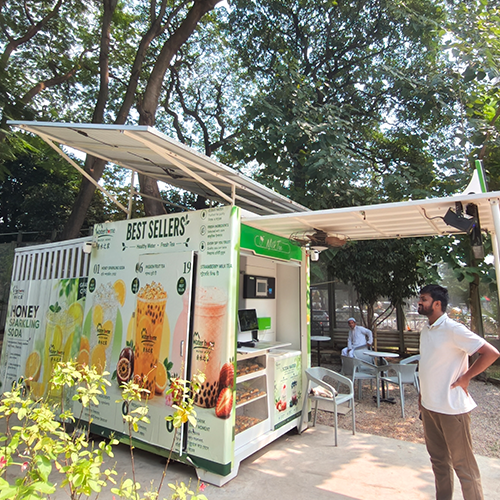
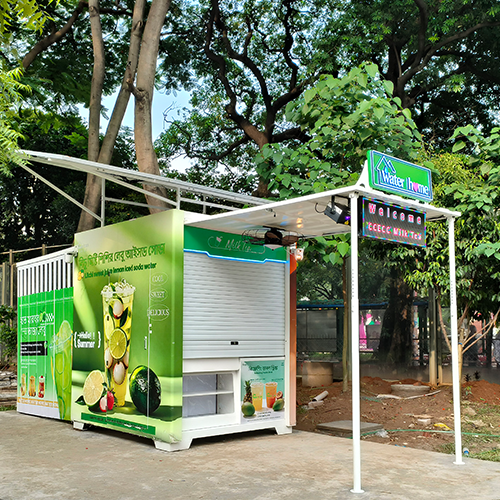
- WaterHome — Solar-Powered Mobile Beverage Station
- Solar Powered Sewage Treatment Plant
- Solar Powered Pond Aerator
- Solar Powered Water Pump
- Fiberglass Lift Station
- Solar Powered Fish Aerator
- Submersible Jet Aerator
- Solar Powered Irrigation System
- Solar Microgrid System
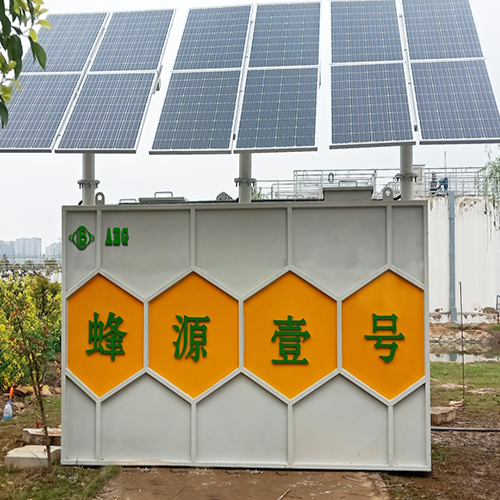
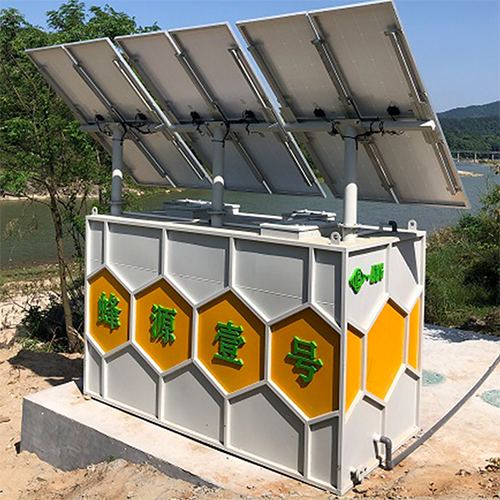
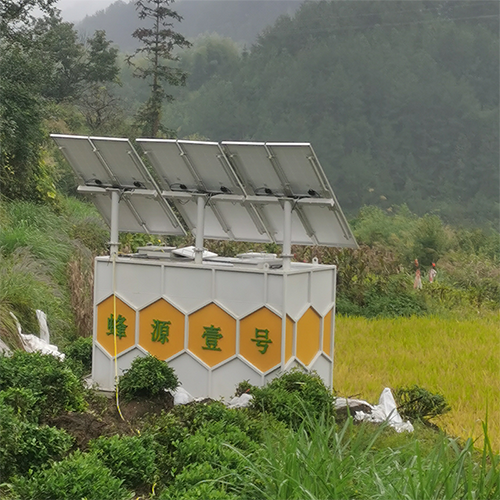
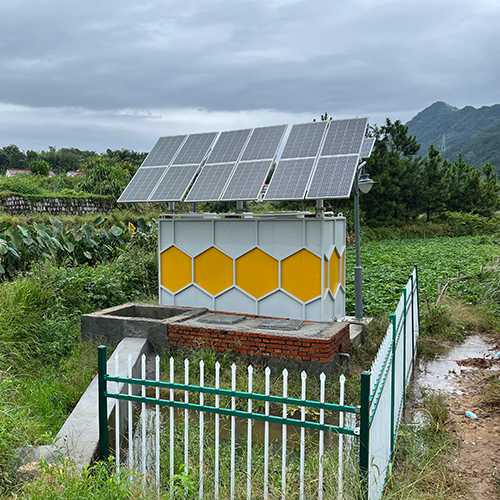
A fully solar-powered underground integrated sewage treatment plant with an intelligent monitoring system
Weight (kg): 2000
Warranty: 2 Years
Capacity: 0.5-5m³/day
Usage: Water Treament
Processing Capacity: 10-100 M3/d
Weight (kg): 4800 Kg
Technology: AAO
Voltage (V): Solar Energy (220V Main Power Supplement )
Installed Power (KW): 2.1 KW
Net Weight (t): 8.8 T
Standard: Level A
Core Components: Pump, PLC, Regulating Cell, Photovoltaic, Panel, Battery
Highlight: 10m3 Solar Powered Wastewater Treatment Plant, Modular Solar Powered Wastewater Treatment Plant, Easy Installation residential sewage treatment systems
Payment & Shipping Terms
Minimum Order Quantity: 1
PriceUSD: USD100-200
Packaging Details: Wooden /Box
Delivery Time: 7-15 Days
Payment Terms: L/C,T/T,Western Union
Supply Ability: 10sets/month
Product Introduction
This system converts electrical energy from solar photovoltaic panels into electricity, providing power for components such as pumps, aeration devices, and control systems during the wastewater treatment process. Thus, it enables a green operation throughout the entire process of wastewater collection, treatment, and reuse. The core of this system lies in utilizing solar energy, a renewable resource, to replace traditional grid power supply, addressing the wastewater treatment issues in remote areas and regions without stable power supply, and reducing carbon emissions. This aligns with the concepts of ecology and environmental protection.
Product Features
1. Clean energy and low operating costs
With solar energy as the main energy source, it does not need to be connected to the external power grid, reduces the consumption of fossil energy, and achieves low-carbon emissions.
Long-term operation can save electricity bills, especially suitable for remote areas, and reduce operating costs.
2. It features a high degree of automation and simple operation
Integrated with an intelligent control system, it can automatically complete processes such as sewage lifting, aeration, sedimentation and filtration without the need for dedicated personnel to stand by.
Support remote monitoring (such as mobile phone APP), and view the real-time operation status of the equipment and water quality data.
3. The treatment effect is stable and highly adaptable
By combining biological treatment (such as activated sludge process and biofilm process) with physicochemical processes (such as sedimentation and filtration), organic matter, nitrogen, phosphorus and suspended solids can be effectively removed.
It can withstand fluctuations in water quality and adjust process parameters according to different types of sewage, such as domestic sewage and food processing wastewater.
4. Modular design, flexible installation
It adopts modular assembly and can be flexibly combined according to the treatment scale (such as a daily treatment capacity of 5 to 100 tons), making it suitable for decentralized sewage treatment scenarios.
It does not require complex civil engineering, has a short installation period, can be buried underground or installed on the ground, and saves land resources.
5. Easy to maintain and has a long service life
The core components (such as solar panels and aeration equipment) are made of anti-corrosion and durable materials, with low maintenance frequency.
The service life of the solar energy system can reach over 20 years, and the overall equipment maintenance cost is low.
Process Flow
SAOF process flow, multi-stage aerobic + micro-air flotation process
Application Scenarios
Rural areas and decentralized residential areas: Replace traditional septic tanks and solve the problem of direct discharge of domestic sewage.
Scenic spots and campsites: Treat catering wastewater and toilet sewage to meet ecological and environmental protection requirements.
Industrial park (small) : Treats low-concentration organic wastewater from industries such as food processing and breeding.
Emergency disaster relief scenario: Quickly set up a temporary sewage treatment system to ensure water quality safety in the disaster-stricken area.
