
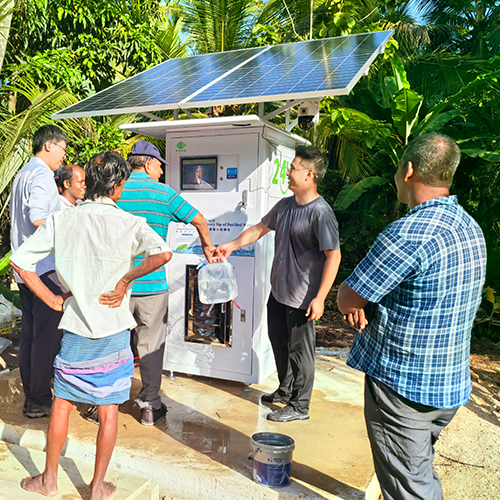
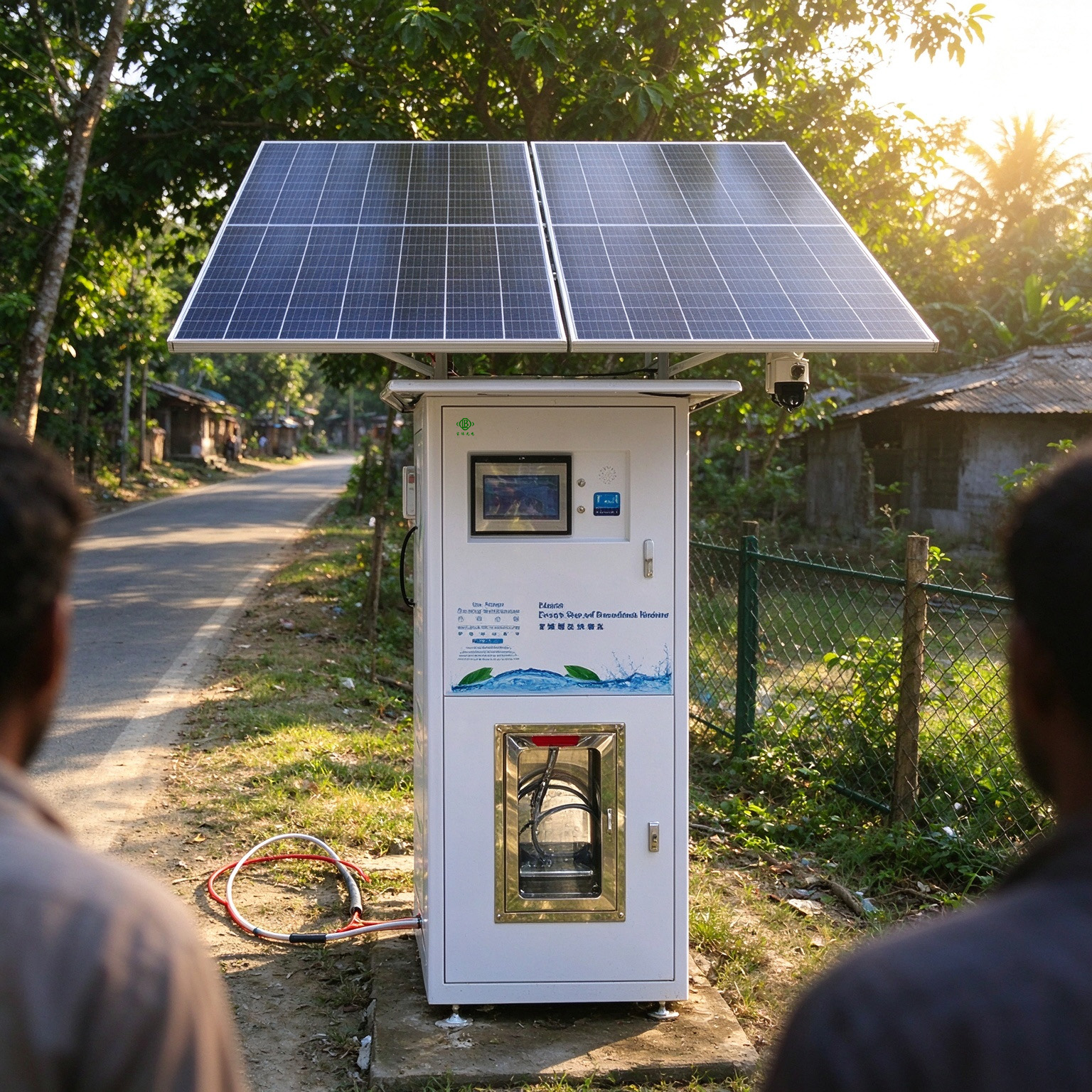
- Solar Powered Drinking Water System
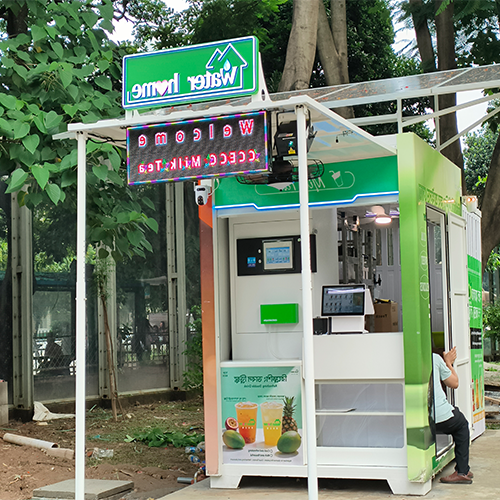
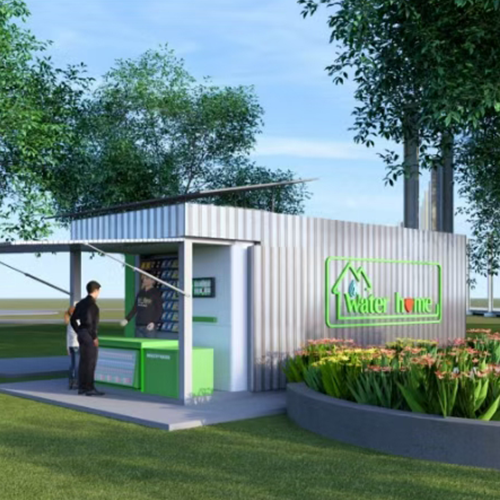
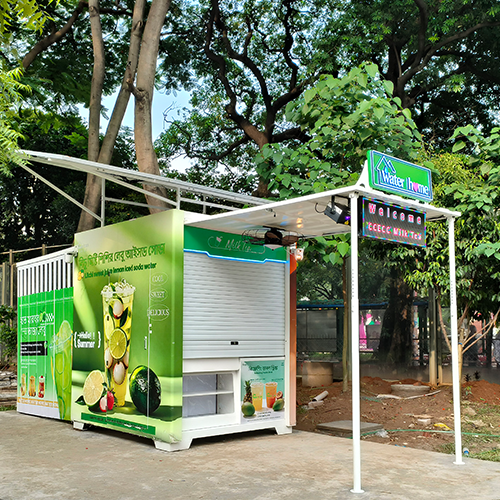
- WaterHome — Solar-Powered Mobile Beverage Station
- Solar Powered Sewage Treatment Plant
- Solar Powered Pond Aerator
- Solar Powered Water Pump
- Fiberglass Lift Station
- Solar Powered Fish Aerator
- Submersible Jet Aerator
- Solar Powered Irrigation System
- Solar Microgrid System

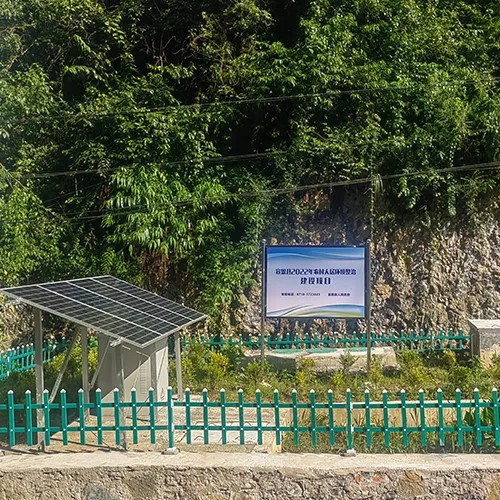
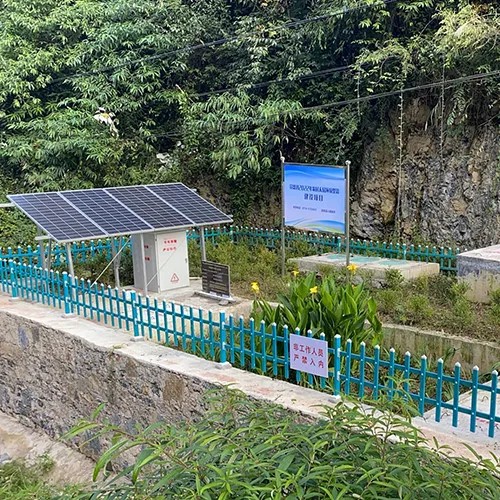
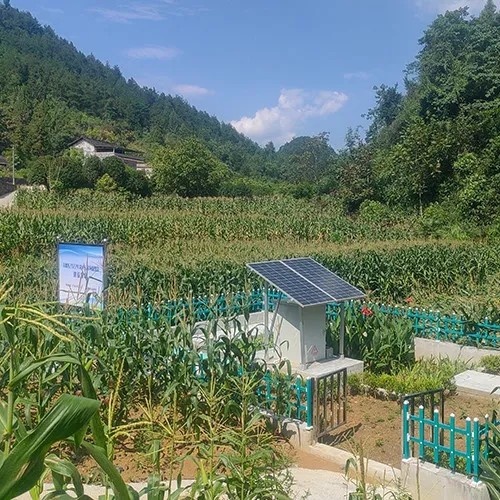
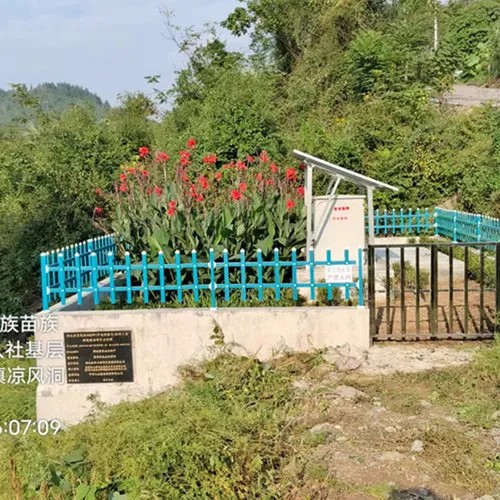
China Modular Solar Powered Wastewater Treatment Plant - Industrial and Domestic Sewage Treatment Solutions by ABG Suppliers & Factory
Payment & Shipping Terms
Brief Introduction
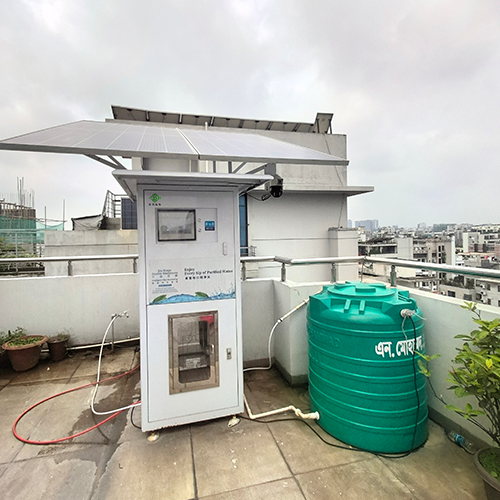
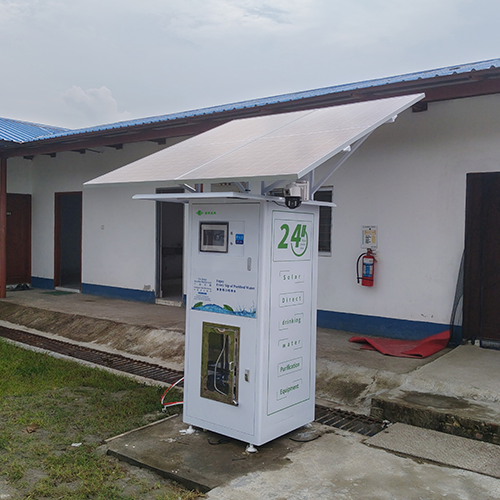
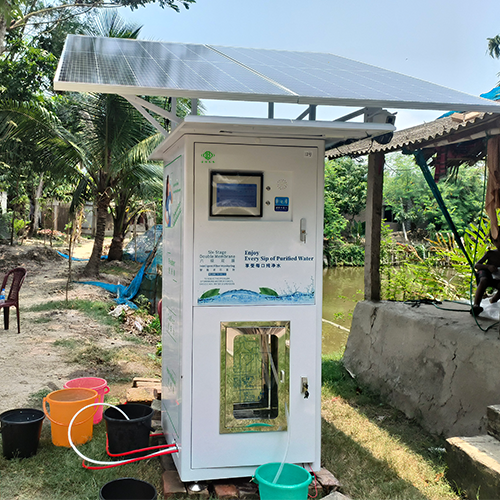
The industrial solar nanofiltration system is a wastewater treatment device that combines solar technology with nanofiltration membrane technology, mainly used for the recovery and purification of industrial wastewater. This system is powered by solar energy to drive the filtration process and uses membrane materials with nanoscale pore sizes to selectively separate pollutants in wastewater (such as heavy metal ions, organic matter, colloids, etc.), ultimately achieving the recycling or standard discharge of wastewater. Its core advantage lies in the combination of renewable energy and efficient membrane separation technology, which is suitable for industrial scenarios with insufficient power supply or the need to reduce energy consumption (such as the chemical, pharmaceutical, and textile industries).
System Characteristics
Energy conservation and environmental protection
Driven by solar energy, it reduces traditional power consumption and lowers carbon emissions, meeting the demands of green industry. No chemical agents need to be added, avoiding secondary pollution and making the treatment process more environmentally friendly.
High-efficiency separation capacity
The pore size of nanofiltration membranes is usually 1 to 10 nanometers, capable of retaining substances with molecular weights ranging from 100 to 1000 Da. The removal rate of heavy metals, organic substances, and hardness ions (such as calcium and magnesium ions) is over 90%. It can simultaneously achieve multiple goals such as desalination, decolorization and removal of trace pollutants, and the effluent quality is stable.
Operational stability and adaptability
Membrane materials (such as polyamide, ceramics, and composite nanomaterials) possess acid and alkali resistance as well as anti-pollution properties, making them suitable for complex industrial wastewater environments. The solar power supply system can be combined with energy storage devices to achieve all-weather operation and adapt to the light conditions of different regions.
Modularization and easy maintenance
The system adopts a modular design, which can be flexibly expanded according to the wastewater treatment volume and is easy to install. Membrane modules can be regenerated through chemical cleaning or physical flushing, with low maintenance costs and a long service life (usually 3 to 5 years).
Working Principle
Solar energy conversion and drive
Solar power generation module: It converts solar energy into electrical energy through photovoltaic panels, providing power for water pumps, control systems and membrane modules, and promoting the circulation of wastewater within the system.
Energy storage system: If equipped with a battery, it can store electrical energy when there is no light, ensuring the continuous operation of the system.
Nanofiltration membrane separation mechanism
Screening effect: Under the drive of pressure, wastewater passes through the nanofiltration membrane, and particles larger than the membrane pore size, colloids and large molecular organic substances are retained.
Charge repulsion: The membrane surface carries a charge (such as a negative charge), which can repulsion like ions (such as anions) through electrostatic interaction, achieving selective removal of ionic pollutants (such as reducing the hardness of wastewater).
Diffusion and adsorption: Some small-molecule pollutants can be removed through diffusion through the pores of the membrane material or surface adsorption.
Wastewater treatment process
Pretreatment: The wastewater first passes through a grid, sedimentation tank, etc. to remove large particle impurities to prevent membrane module clogging.
Nanofiltration: After pretreatment, the wastewater passes through the nanofiltration membrane at a pressure of 0.5 to 1.5 MPa under the action of a solar-powered water pump. Pollutants are retained, and the clear water passes through the membrane to become the product water.
Concentration and recovery: The retained concentrated water can be further treated or valuable substances (such as heavy metal ions) can be recovered. The produced water can be reused or discharged after meeting the standards.
Extend Application Scenarios
Industrial Wastewater Reuse
For instance, cleaning wastewater from the electronics industry and electroplating wastewater are treated and reused in the production process.
In Water-Scarce Areas
By integrating solar-powered seawater desalination or brackish water purification, clean water sources can be provided.
Remote Areas Treatment
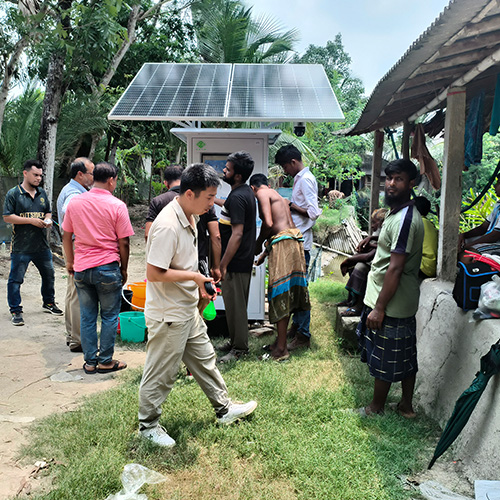
No external power grid connection required, suitable for industrial parks or mining areas lacking infrastructure.
This system, through an innovative combination of "solar energy + membrane technology", provides a low-energy consumption and highly reliable solution for industrial wastewater treatment, especially suitable for modern industrial scenarios that pursue sustainable development.
Frequently Asked Questions
Q: What is the daily processing capacity of this solar wastewater treatment system?
A: The system has a processing capacity of 10 to 100 cubic meters per day (M3/d).
Q: Can the system run continuously when there is no sunlight?
A: Yes. The system can be configured with an energy storage system (battery) to store electricity for continuous operation during periods without light. It also supports a 220V main power supplement.
Q: What is the filtration efficiency of the nanofiltration membrane?
A: The nanofiltration membrane has a pore size of 1 to 10 nanometers, targeting substances with molecular weights of 100 to 1000 Da. It achieves a removal rate of over 90% for heavy metals, organic matter, and hardness ions like calcium and magnesium.
Q: What is the expected service life and maintenance requirements of the membrane?
A: The membrane modules generally have a service life of 3 to 5 years. They feature acid, alkali, and anti-pollution resistance, and can be easily regenerated through chemical cleaning or physical flushing.
Q: Where is this solar-powered treatment plant best utilized?
A: It is ideal for industrial wastewater reuse (like electronics and electroplating), water-scarce areas (integrating seawater or brackish water desalination), and remote locations like mining areas that lack traditional power grid infrastructure.