
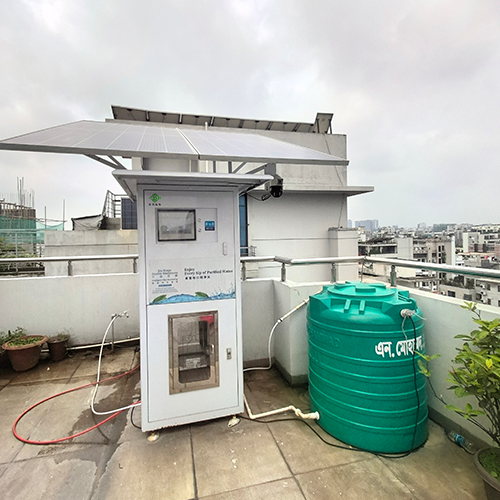
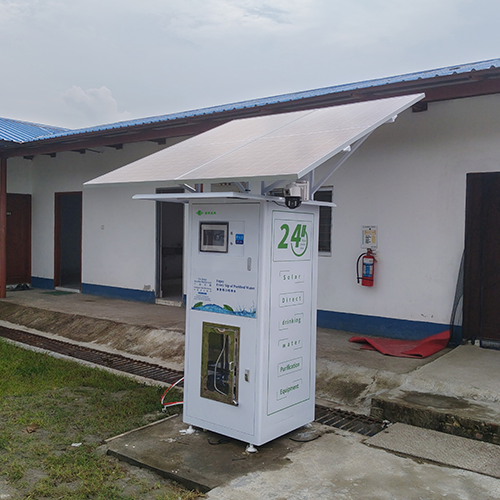
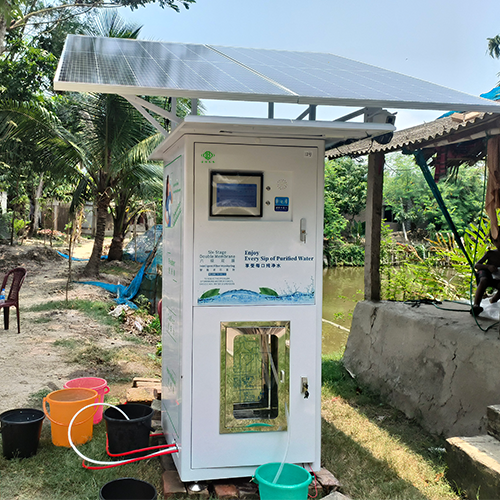
- Solar Powered Drinking Water System
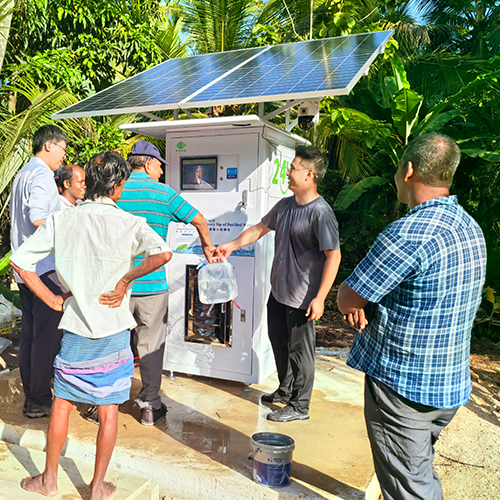
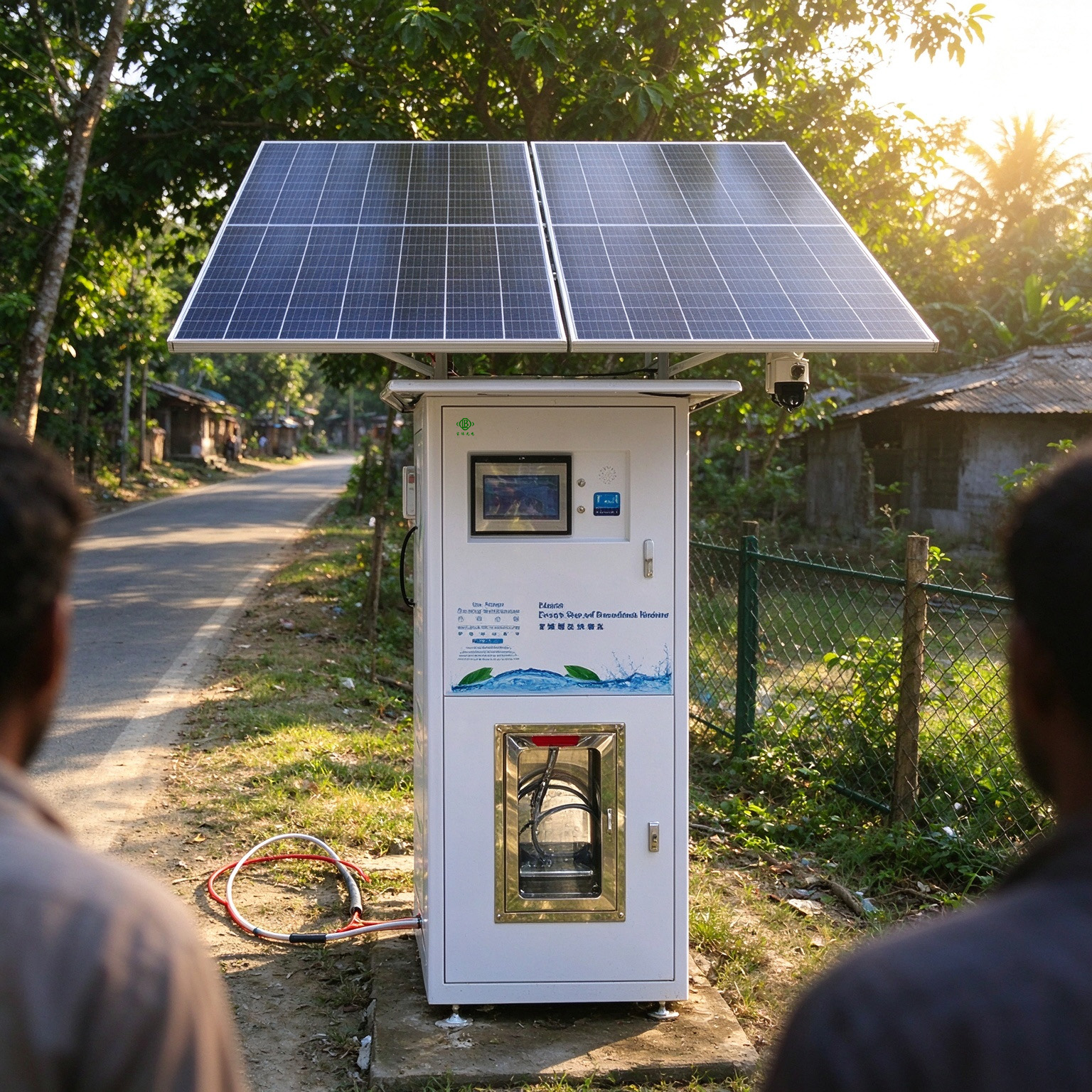
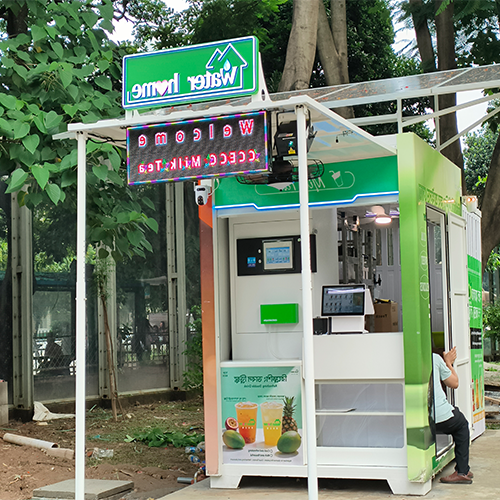
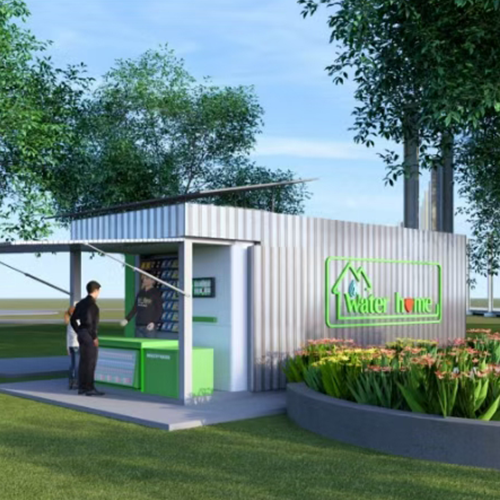
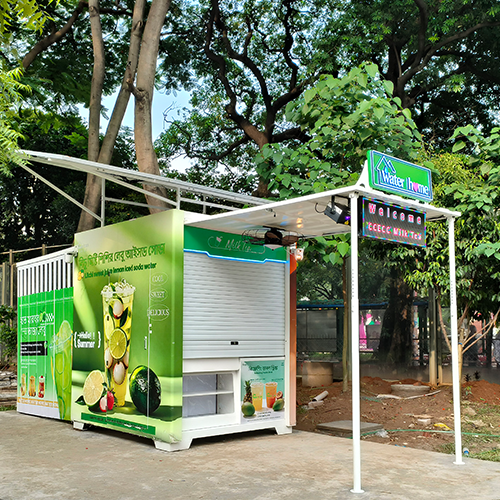
- WaterHome — Solar-Powered Mobile Beverage Station
- Solar Powered Sewage Treatment Plant
- Solar Powered Pond Aerator
- Solar Powered Water Pump
- Fiberglass Lift Station
- Solar Powered Fish Aerator
- Submersible Jet Aerator
- Solar Powered Irrigation System
- Solar Microgrid System


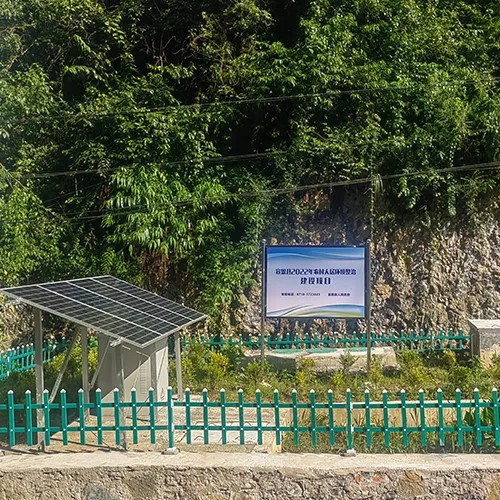
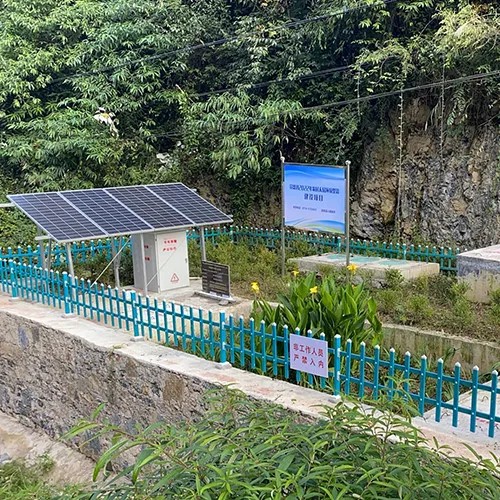
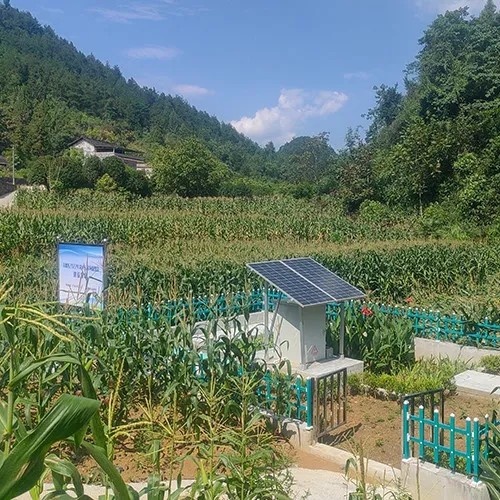
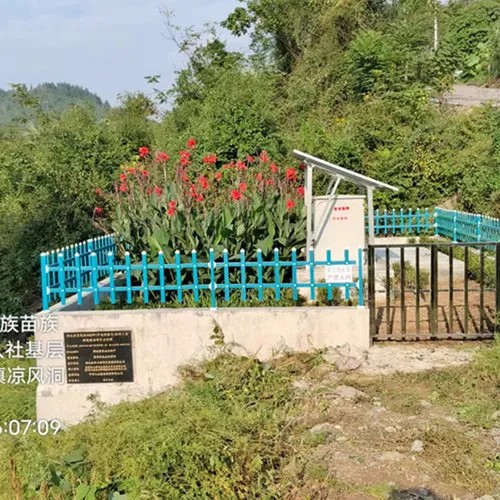
China Modular Solar Powered Wastewater Treatment Plant Suppliers | ABG Factory for Domestic Sewage Solutions
Technical Specifications
Payment & Shipping Terms
Brief Introduction
The industrial solar nanofiltration system is a wastewater treatment device that combines solar technology with nanofiltration membrane technology, mainly used for the recovery and purification of industrial wastewater. This system is powered by solar energy to drive the filtration process and uses membrane materials with nanoscale pore sizes to selectively separate pollutants in wastewater (such as heavy metal ions, organic matter, colloids, etc.), ultimately achieving the recycling or standard discharge of wastewater. Its core advantage lies in the combination of renewable energy and efficient membrane separation technology, which is suitable for industrial scenarios with insufficient power supply or the need to reduce energy consumption (such as the chemical, pharmaceutical, and textile industries).
System Characteristics
Energy conservation and environmental protection
Driven by solar energy, it reduces traditional power consumption and lowers carbon emissions, meeting the demands of green industry.
No chemical agents need to be added, avoiding secondary pollution and making the treatment process more environmentally friendly.
High-efficiency separation capacity
The pore size of nanofiltration membranes is usually 1 to 10 nanometers, capable of retaining substances with molecular weights ranging from 100 to 1000 Da. The removal rate of heavy metals, organic substances, and hardness ions (such as calcium and magnesium ions) is over 90%.
It can simultaneously achieve multiple goals such as desalination, decolorization and removal of trace pollutants, and the effluent quality is stable.
Operational stability and adaptability
Membrane materials (such as polyamide, ceramics, and composite nanomaterials) possess acid and alkali resistance as well as anti-pollution properties, making them suitable for complex industrial wastewater environments.
The solar power supply system can be combined with energy storage devices to achieve all-weather operation and adapt to the light conditions of different regions.
Modularization and easy maintenance
The system adopts a modular design, which can be flexibly expanded according to the wastewater treatment volume and is easy to install.
Membrane modules can be regenerated through chemical cleaning or physical flushing, with low maintenance costs and a long service life (usually 3 to 5 years).
Working Principle
Solar energy conversion and drive
Solar power generation module: It converts solar energy into electrical energy through photovoltaic panels, providing power for water pumps, control systems and membrane modules, and promoting the circulation of wastewater within the system.
Energy storage system: If equipped with a battery, it can store electrical energy when there is no light, ensuring the continuous operation of the system.
Nanofiltration membrane separation mechanism
Screening effect: Under the drive of pressure, wastewater passes through the nanofiltration membrane, and particles larger than the membrane pore size, colloids and large molecular organic substances are retained.
Charge repulsion: The membrane surface carries a charge (such as a negative charge), which can repulsion like ions (such as anions) through electrostatic interaction, achieving selective removal of ionic pollutants (such as reducing the hardness of wastewater).
Diffusion and adsorption: Some small-molecule pollutants can be removed through diffusion through the pores of the membrane material or surface adsorption.
Wastewater treatment process
Pretreatment: The wastewater first passes through a grid, sedimentation tank, etc. to remove large particle impurities to prevent membrane module clogging.
Nanofiltration: After pretreatment, the wastewater passes through the nanofiltration membrane at a pressure of 0.5 to 1.5 MPa under the action of a solar-powered water pump. Pollutants are retained, and the clear water passes through the membrane to become the product water.
Concentration and recovery: The retained concentrated water can be further treated or valuable substances (such as heavy metal ions) can be recovered. The produced water can be reused or discharged after meeting the standards.
Extend Application Scenarios
This system, through an innovative combination of "solar energy + membrane technology", provides a low-energy consumption and highly reliable solution for industrial wastewater treatment, especially suitable for modern industrial scenarios that pursue sustainable development.
Frequently Asked Questions
What is the daily processing capacity of this solar wastewater treatment system?
The system supports a processing capacity of 10 to 100 cubic meters per day (M3/d), which is highly scalable and adaptable to different industrial scales.
How does the system operate when there is no sunlight?
The system uses a solar power supply module with the option to integrate battery energy storage. Additionally, it supports a 220V main power supplement to ensure continuous, all-weather operation.
What is the filtration capability of the nanofiltration membrane?
The nanofiltration membrane features a pore size of 1 to 10 nanometers. It effectively retains substances with molecular weights between 100 and 1000 Da, achieving a removal rate of over 90% for heavy metals, organic matter, and hardness ions like calcium and magnesium.
What are the core components included in the system?
The core components of the system include the water pump, PLC (Programmable Logic Controller), fan, photovoltaic panels, and battery storage units.
What are the typical payment terms and delivery time?
We accept L/C, T/T, and Western Union payment terms. The standard delivery time is 7 to 15 days, and products are securely packed in wooden boxes for shipping.
How long do the membrane modules last and how are they maintained?
The membrane modules typically have a long service life of 3 to 5 years. They can be easily regenerated and maintained through chemical cleaning or physical flushing, which keeps overall maintenance costs low.