Access to safe drinking water remains one of humanity's most pressing challenges. According to the United Nations, over 2.2 billion people worldwide lack access to safely managed drinking water, and an estimated 785 million people still rely on unimproved or unsafe water sources. In humanitarian crises — whether triggered by natural disasters, armed conflict, or prolonged drought — the need for reliable, deployable cold water filter systems becomes not just a technical requirement but a matter of life and death.
Cold water filter systems for humanitarian aid are engineered to remove biological contaminants, heavy metals, sediment, and chemical pollutants from raw water sources, delivering clean, potable water without the need for grid electricity or complex infrastructure. These systems form the backbone of emergency water response operations conducted by organizations such as UNICEF, the Red Cross, Médecins Sans Frontières (MSF), and hundreds of national NGOs operating in the field.
785 million people still lack access to basic drinking water services globally. Cold water filter systems for humanitarian aid represent the fastest, most cost-effective pathway to closing this gap — deployable within hours, operable without power grids, and maintainable by local communities with minimal training.
The evolution of cold water filter technology has accelerated significantly over the past decade. Driven by advances in membrane filtration, solar energy integration, and IoT-based remote monitoring, today's humanitarian water filter systems are smarter, lighter, more durable, and more effective than ever before. This page explores the commercial and industrial landscape of cold water filter systems for humanitarian aid, key application scenarios, emerging trends, and how our product line delivers real-world impact at scale.
The commercial market for cold water filter systems dedicated to humanitarian and emergency applications has grown substantially, driven by increasing climate-related disasters, geopolitical instability, and the global push toward SDG Goal 6 (Clean Water and Sanitation). Major procurement channels include UN agencies, bilateral development finance institutions (DFIs), and large international NGOs that issue multi-year framework contracts for water purification equipment.
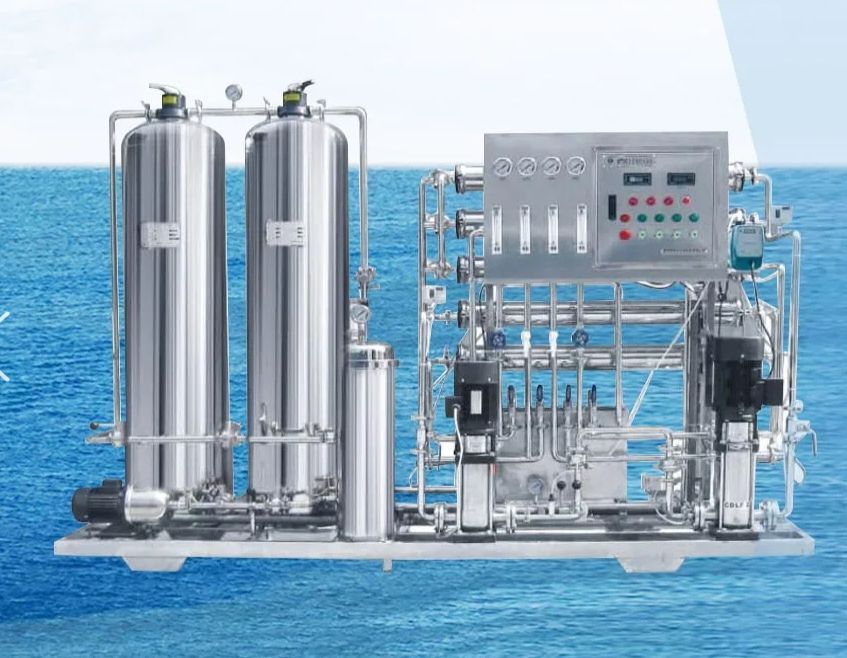
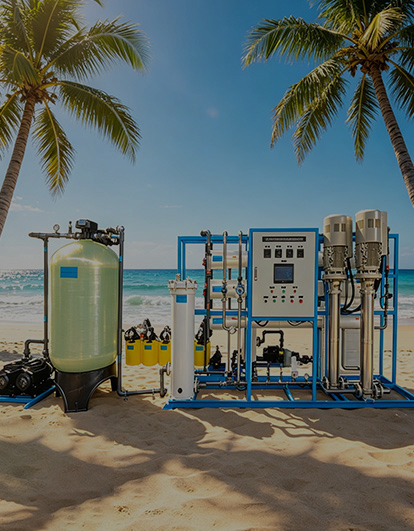
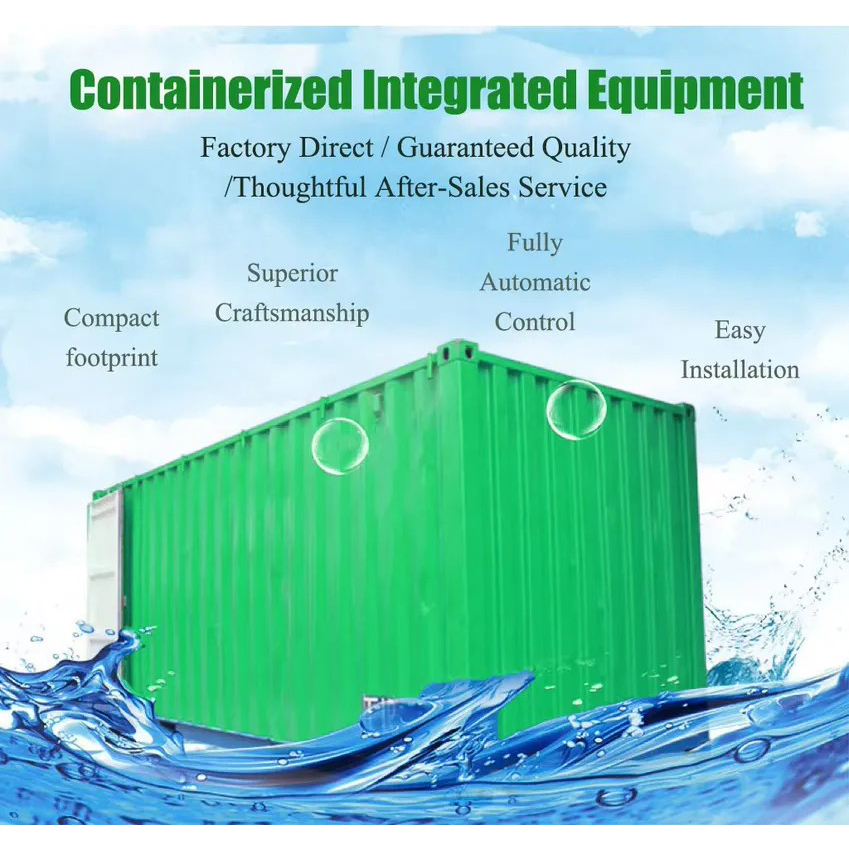
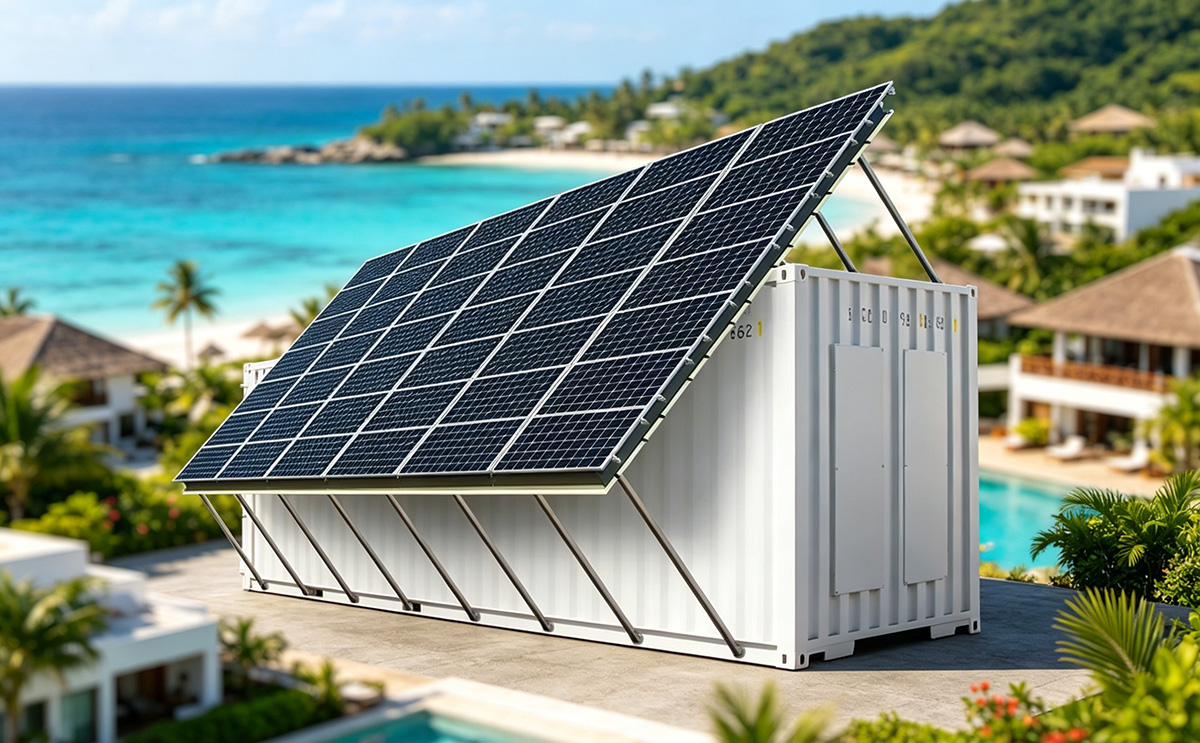
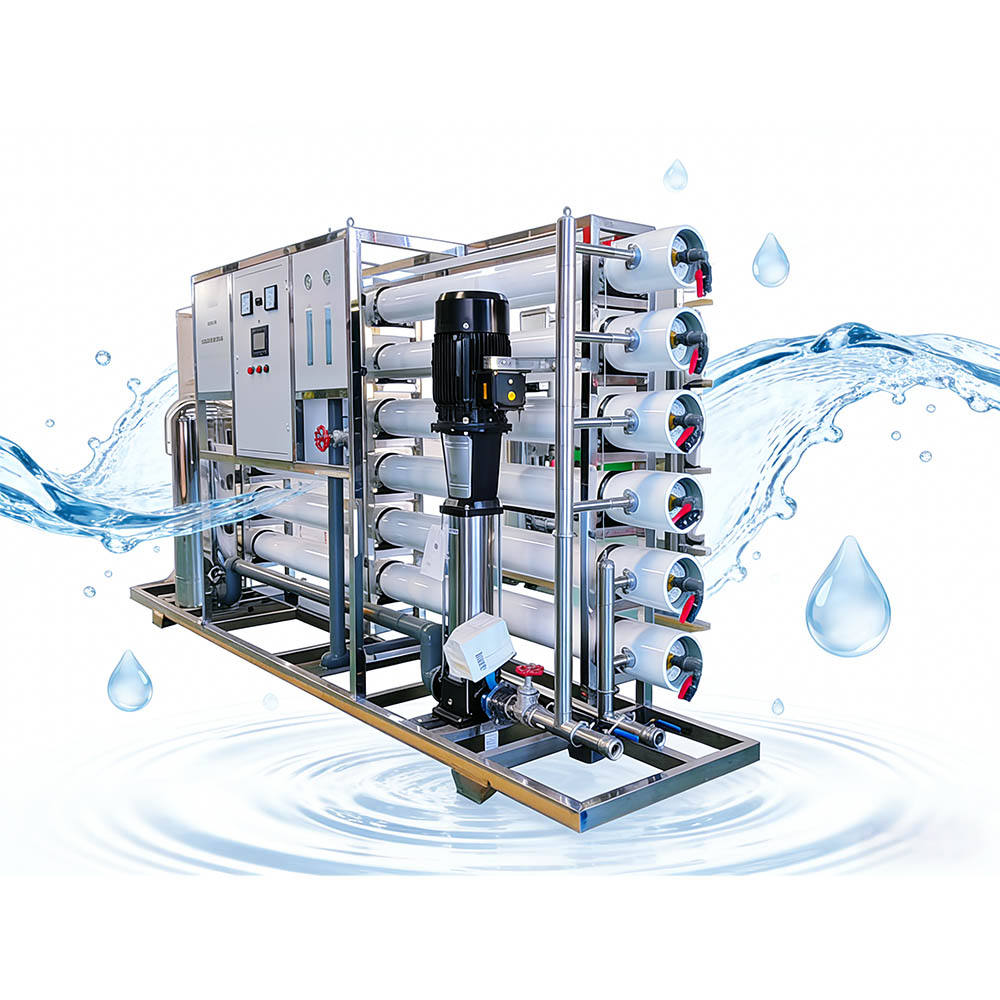
Large-scale humanitarian operations now routinely procure containerized or modular cold water filter systems capable of producing thousands of liters per hour. The shift toward containerized RO (Reverse Osmosis) units — such as 20ft and 40ft container-based desalination and filtration plants — reflects the industry's need for rapid deployment, ease of transport, and scalable output. These industrial units can be airlifted, shipped, or trucked to disaster zones and made operational within 24–72 hours of arrival.
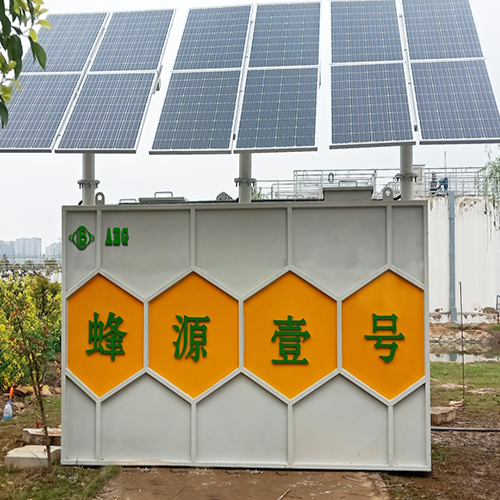
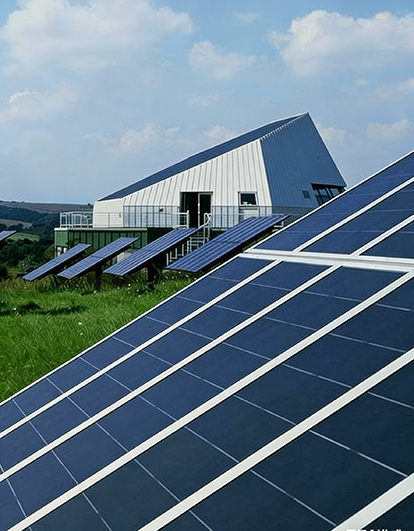
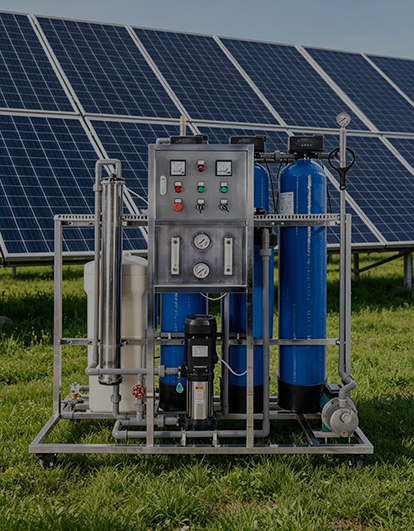
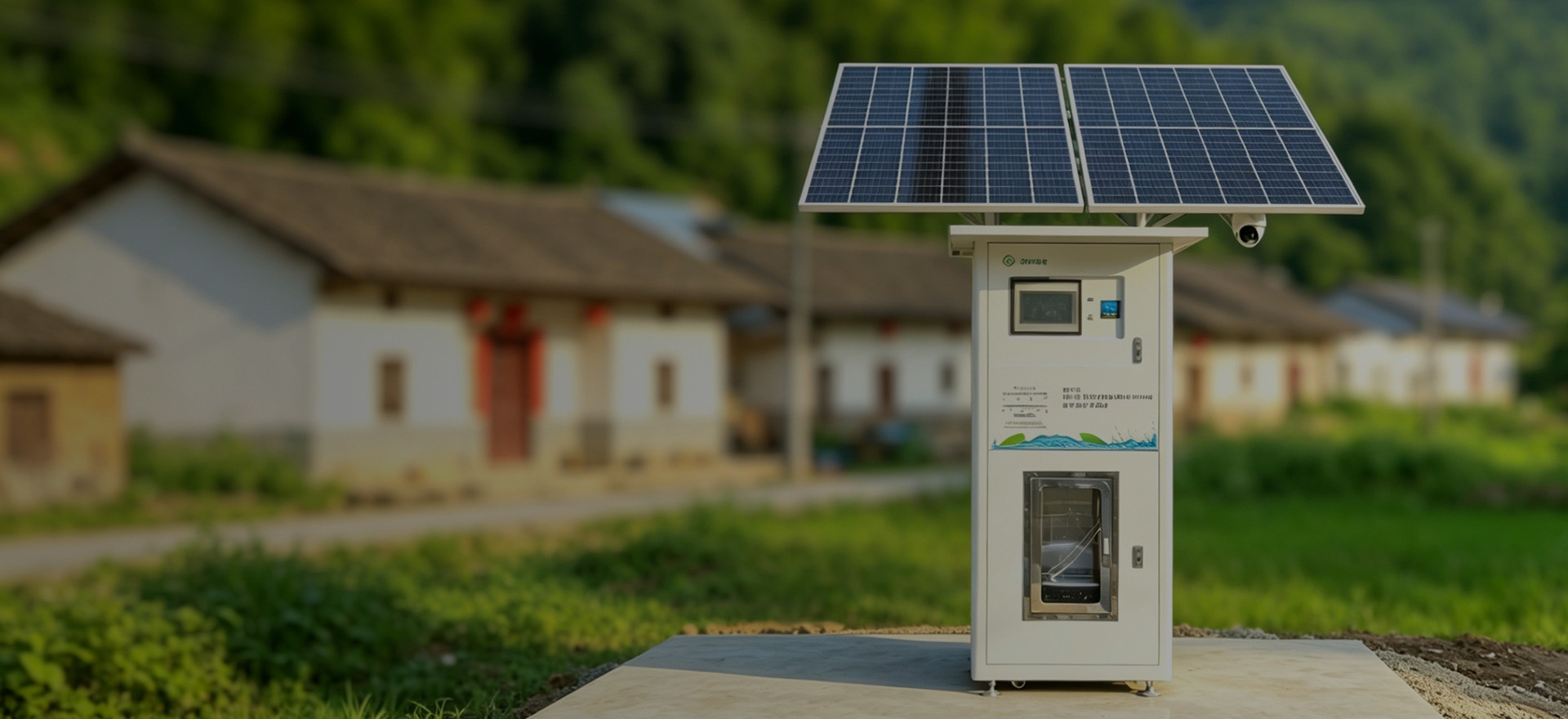
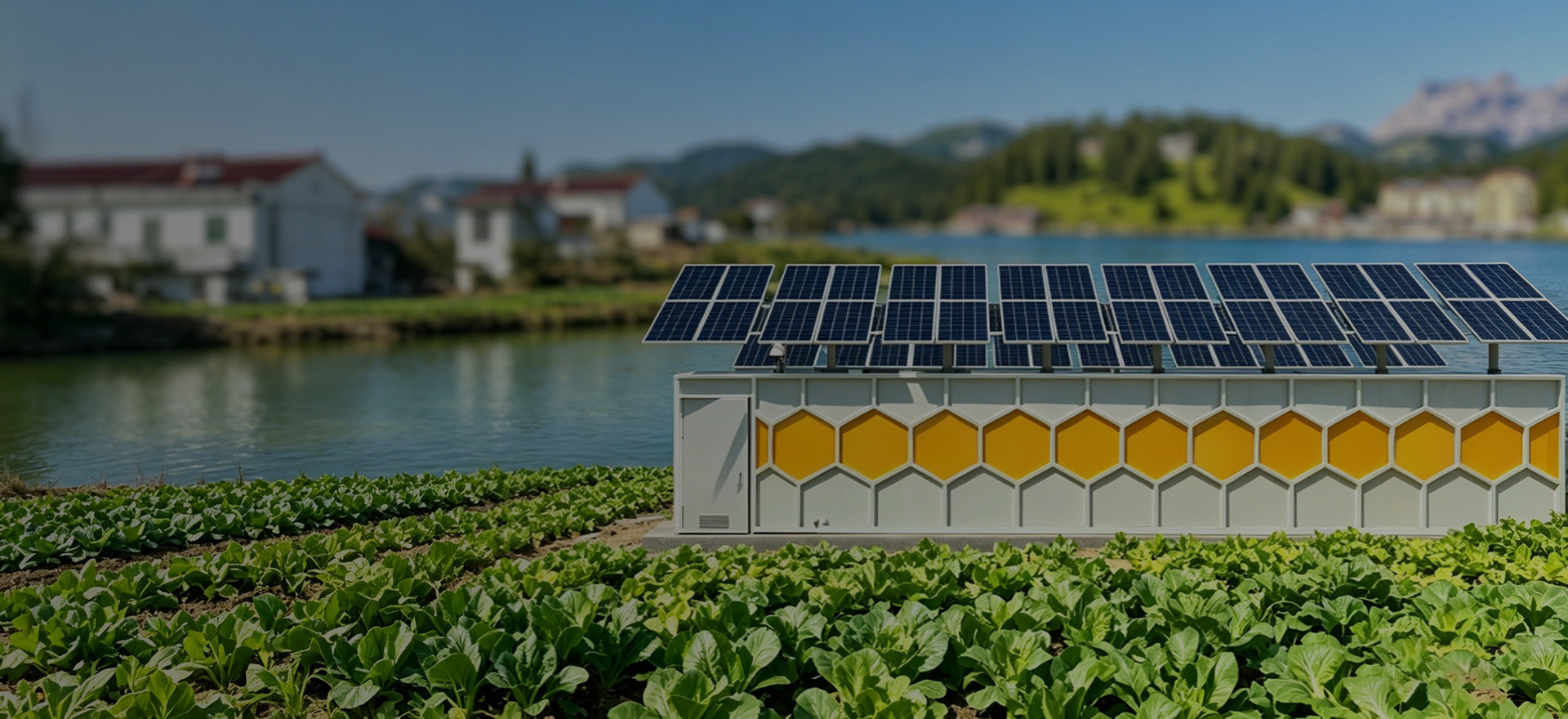
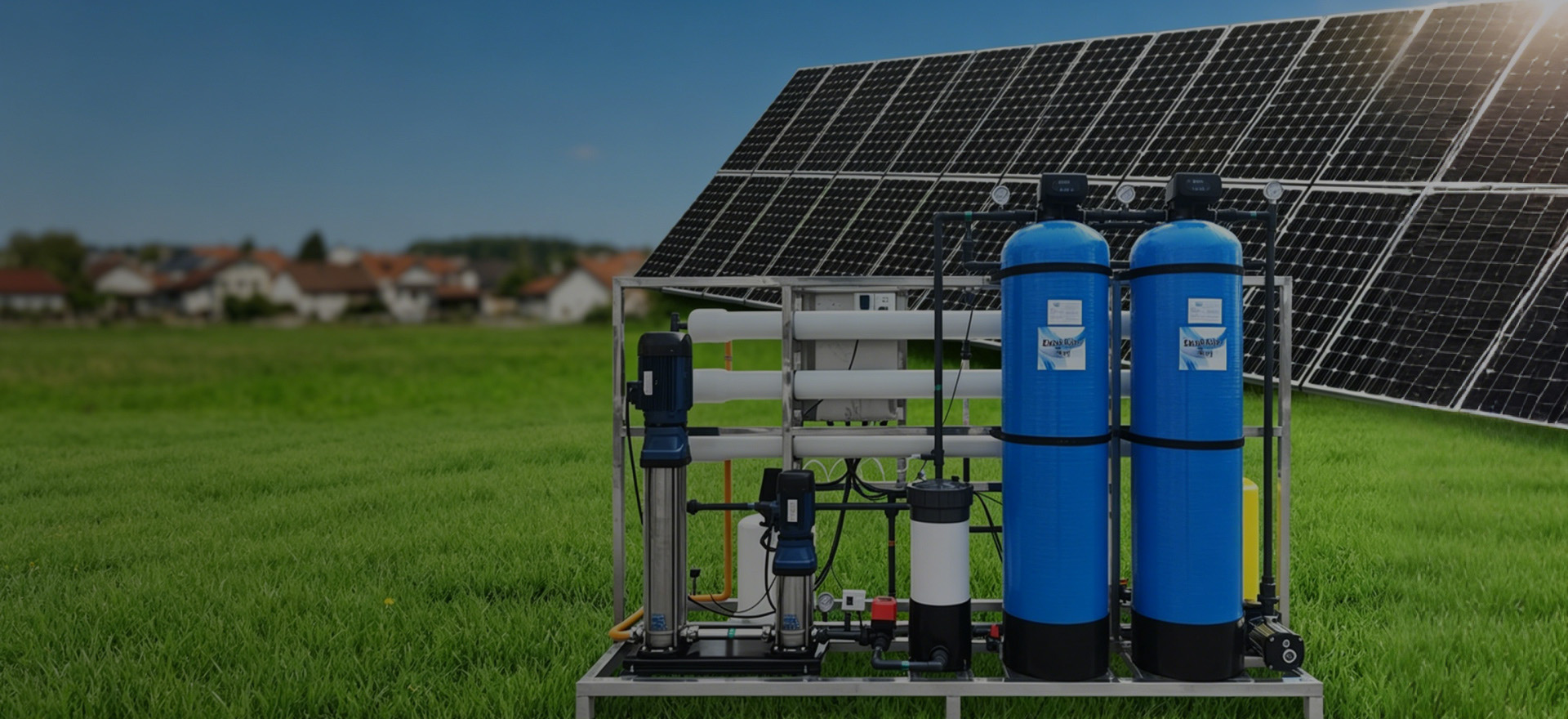
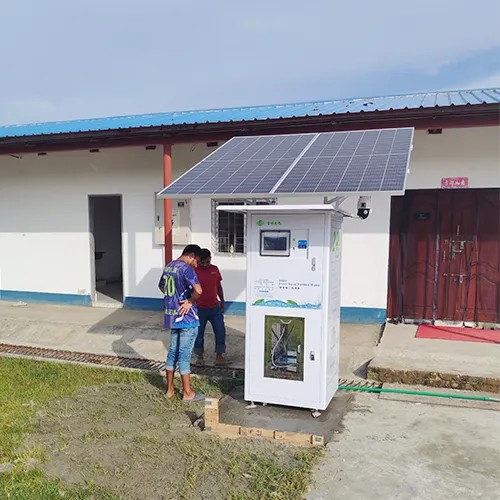
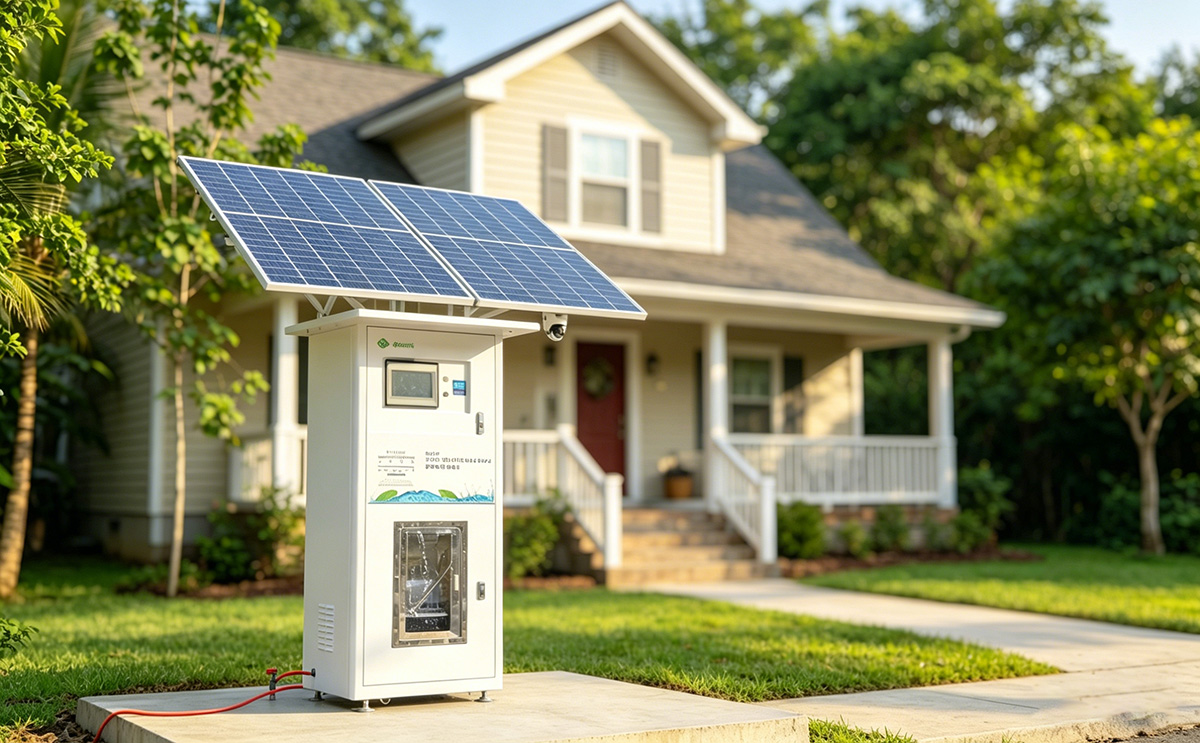
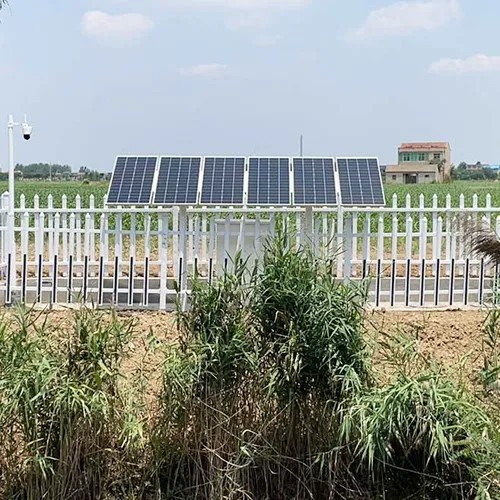
Solar-powered cold water filter systems have become increasingly dominant in procurement specifications. Agencies now prefer off-grid capable units that eliminate dependency on diesel generators — reducing both operational costs and carbon footprint while improving reliability in fuel-scarce environments. The integration of photovoltaic (PV) panels, battery storage, and intelligent energy management systems has transformed what was once a luxury feature into a standard requirement.
The supply chain for humanitarian cold water filter systems spans component manufacturers (membranes, pumps, sensors), system integrators, and field service providers. Chinese manufacturers have emerged as dominant suppliers due to competitive pricing, manufacturing scale, and rapid customization capabilities. Companies holding certifications such as ISO9001, ISO14001, and ISO45001 are increasingly preferred by institutional buyers who require documented quality management and environmental compliance.
OEM and white-label manufacturing arrangements are common, with international NGOs and UN agencies branding locally manufactured systems under their own specifications. This model has enabled faster scaling of cold water filter deployments in Sub-Saharan Africa, South Asia, and the Middle East — the three regions with the highest concentration of humanitarian water needs.
Solar-powered cold water filter systems now account for over 38% of all new humanitarian water system procurements globally — a figure projected to exceed 60% by 2028 as solar costs continue to decline and off-grid reliability improves.
Institutional procurement of cold water filter systems for humanitarian aid is governed by increasingly stringent technical standards. WHO drinking water quality guidelines, NSF/ANSI standards, and CE marking requirements are commonly referenced in tender specifications. Systems must demonstrate removal efficiency for key pathogens (E. coli, Cryptosporidium, Giardia), turbidity reduction, and compliance with maximum contaminant levels (MCLs) for heavy metals including arsenic, lead, and fluoride.
Fully off-grid operation with integrated PV panels and intelligent energy management — zero fuel cost, zero carbon emissions.
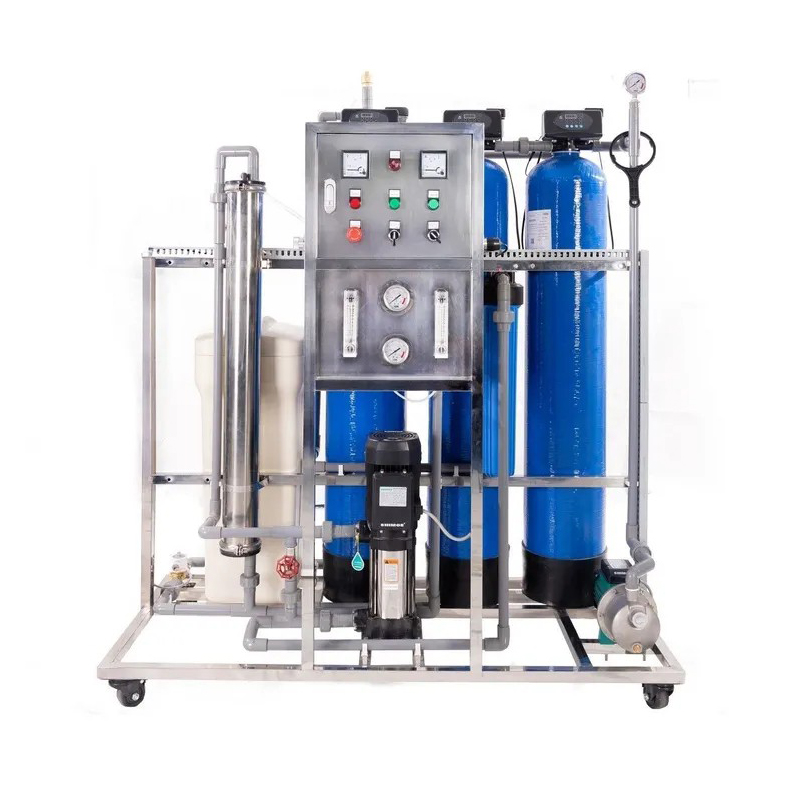
Sediment pre-filtration, activated carbon, UF membrane, and RO stages deliver WHO-compliant drinking water from virtually any source.
Real-time water quality data, system diagnostics, and alert notifications via cloud dashboard — manageable from anywhere on earth.
Containerized and modular designs enable deployment within 24–72 hours. Minimal tools required — operable by non-specialist field staff.
Refugee camps represent one of the highest-density and highest-urgency application environments for cold water filter systems. With populations often exceeding 50,000 people in a single camp, daily water demand can reach 2.5–5 million liters. Modular solar-powered RO systems with capacities of 500–5,000 LPH are deployed in clusters to meet this demand, with distribution networks feeding centralized water points or household-level connections.
Key challenges in refugee camp deployments include variable source water quality (ranging from turbid surface water to brackish groundwater), limited technical capacity for maintenance, and the need for vandal-resistant, tamper-proof system design. Cold water filter systems designed for this context incorporate automated backwash cycles, self-diagnostic sensors, and simplified operator interfaces with multilingual touchscreen controls.
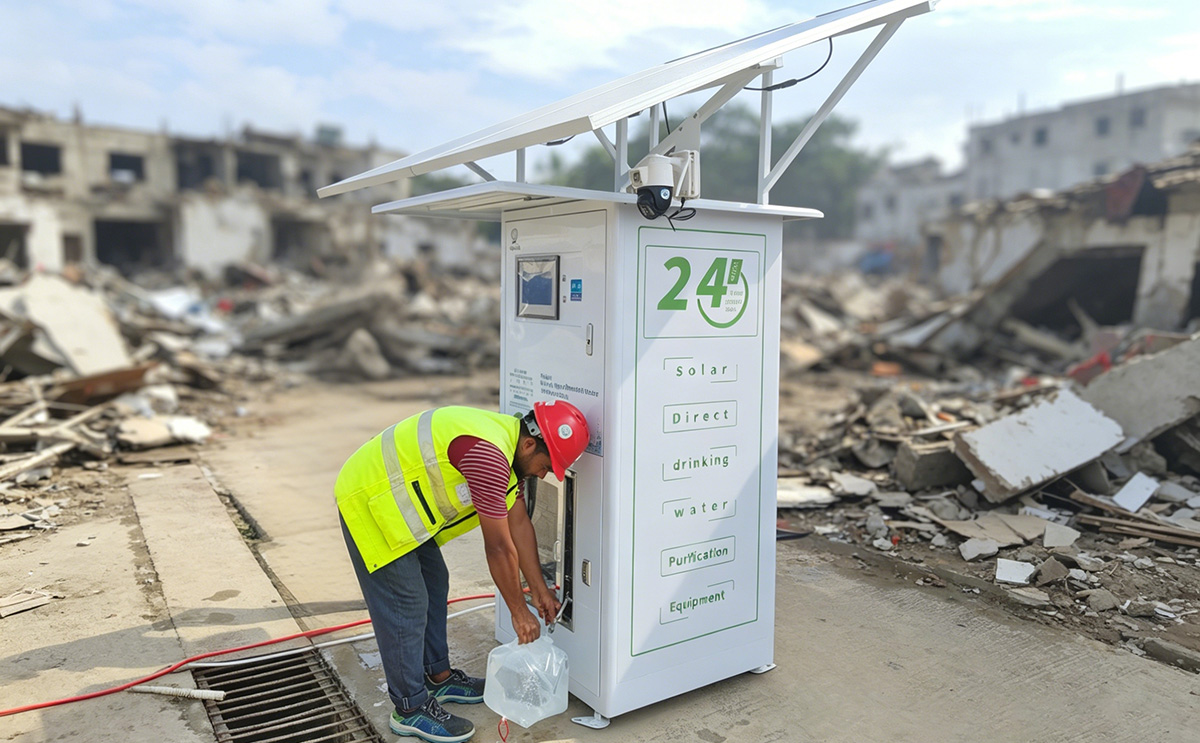
In the immediate aftermath of earthquakes, floods, cyclones, and tsunamis, municipal water infrastructure is typically destroyed or contaminated. Rapid-deployment cold water filter units — often pre-positioned in regional logistics hubs — can be mobilized within hours. Portable solar water purifiers capable of producing 50–500 liters per hour are deployed at household and community scale, while larger containerized units serve hospitals, evacuation centers, and field operation bases.
The 2023 Turkey-Syria earthquake response and the 2024 Libya flood disaster both demonstrated the critical role of pre-positioned, solar-powered cold water filter systems in saving lives during the critical 72-hour window after a disaster event. Lessons learned from these deployments have accelerated the adoption of standardized, interoperable system designs that can be operated by local first responders with minimal training.
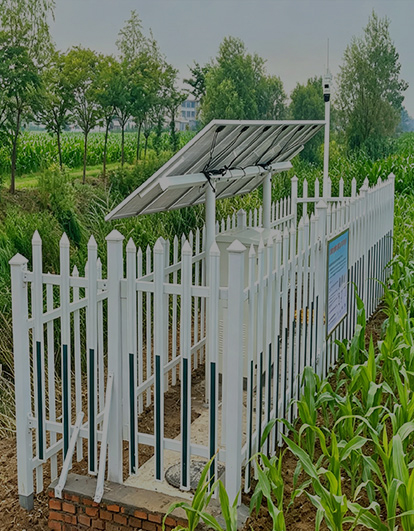
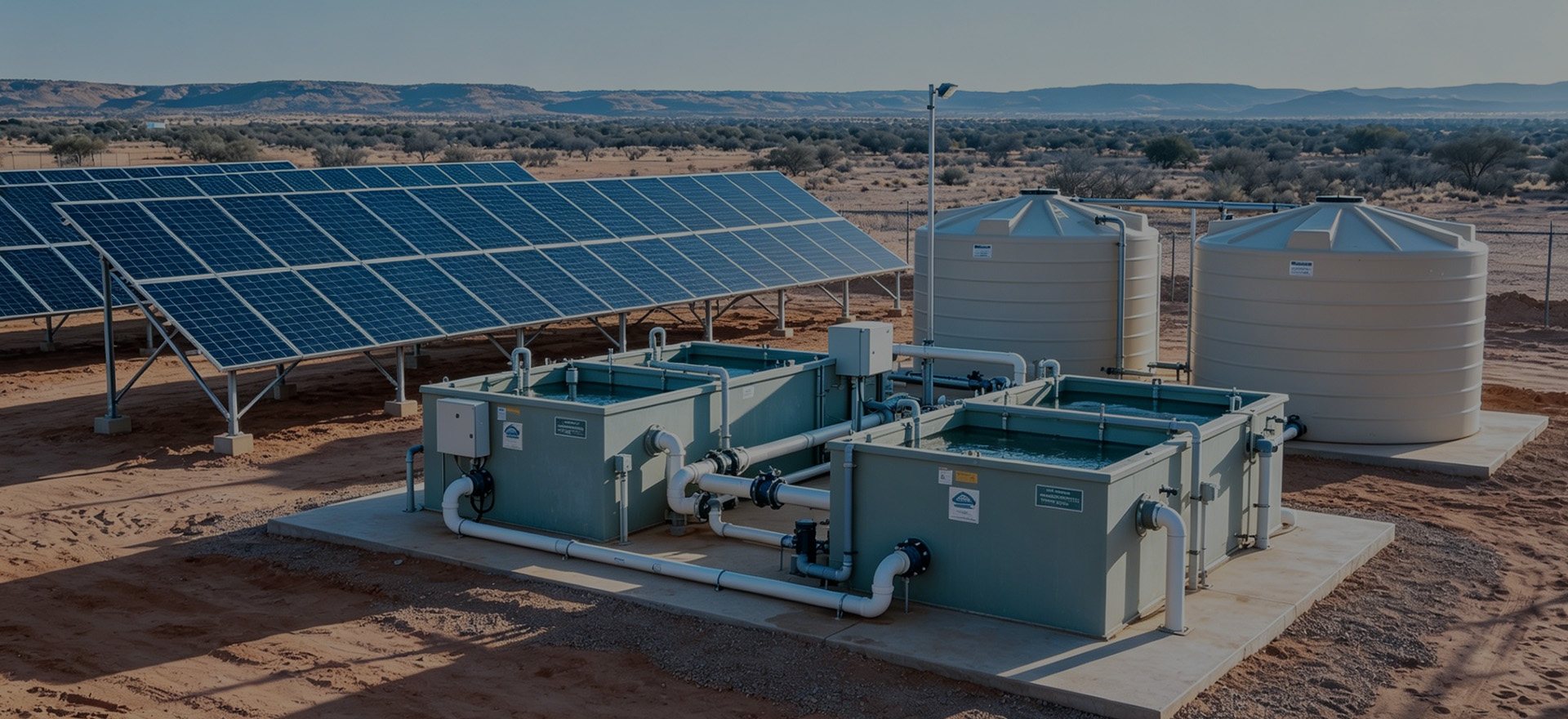
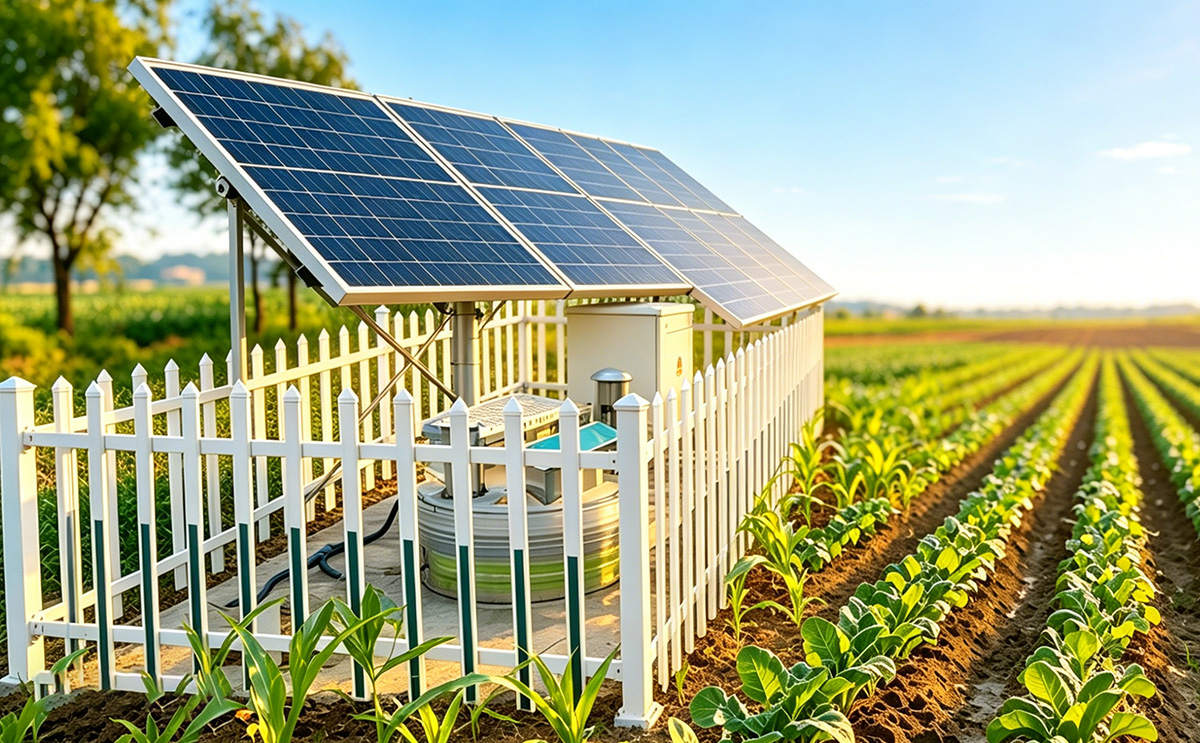
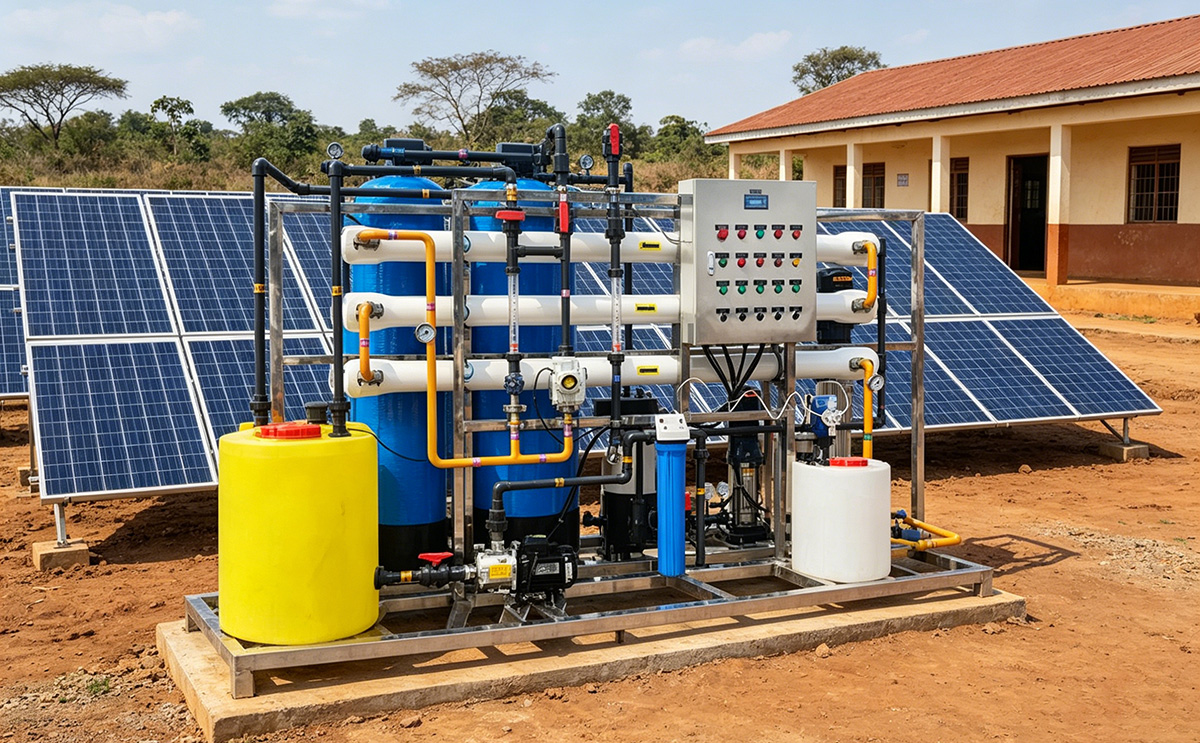
Beyond acute emergency response, cold water filter systems for humanitarian aid are increasingly deployed in long-term development programs targeting chronically underserved rural communities. Solar-powered village-scale water systems serving 200–2,000 people represent the fastest-growing segment of the humanitarian water market. These systems combine borehole or surface water intake, multi-stage cold water filtration, solar pumping, elevated storage tanks, and gravity-fed distribution networks.
Community-managed water systems incorporating IoT monitoring have demonstrated significantly higher long-term functionality rates compared to traditional hand-pump installations. Remote diagnostics allow NGO field teams to identify and respond to system failures before they result in service interruptions, dramatically improving the sustainability of water access investments.
Hospitals, clinics, and field medical facilities in conflict-affected areas require reliable access to both drinking-quality and medical-grade water. Cold water filter systems configured for healthcare applications must meet higher standards for microbiological removal and chemical purity, often incorporating UV disinfection as a final treatment stage. Solar-powered medical water systems that can operate independently of unreliable grid power are essential infrastructure for maintaining healthcare delivery in fragile contexts.
Island communities and coastal populations affected by saline intrusion into freshwater aquifers represent a specialized but growing application for cold water desalination filter systems. Brackish water RO systems with capacities of 500–2,000 LPH, powered entirely by solar energy, have been deployed across Pacific island nations, Indian Ocean atolls, and coastal Bangladesh to address chronic freshwater scarcity exacerbated by climate change and sea-level rise.

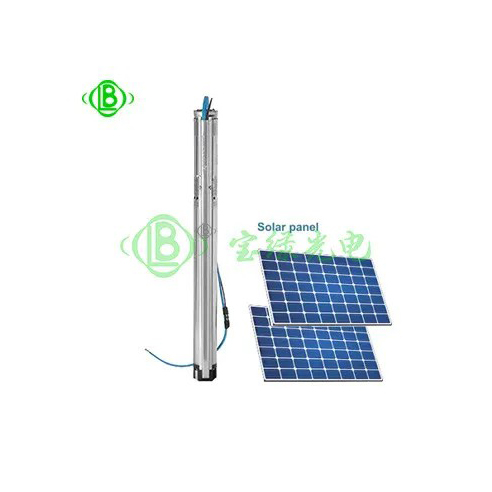
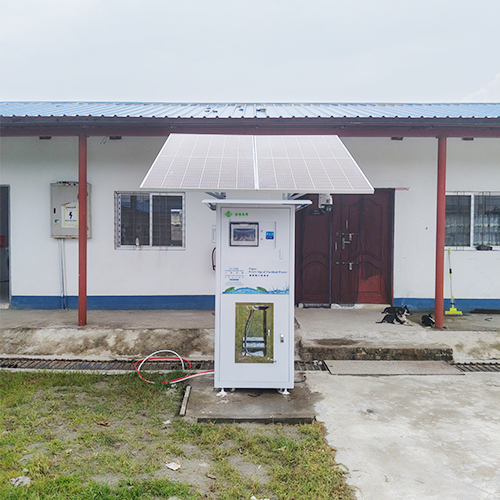
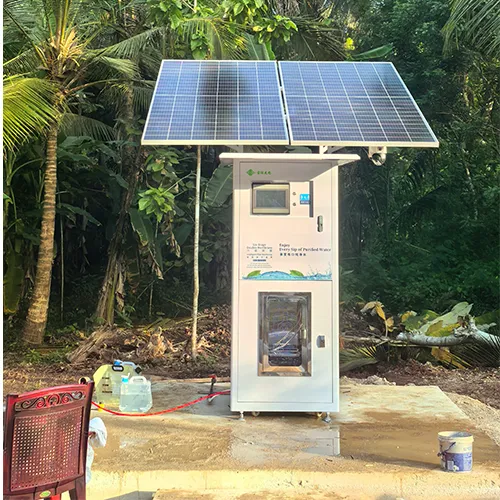
Fully solar-powered for complete, off-grid energy independence.


Flexible, building-block design adapts to diverse application scenarios.


Built for harsh, unmanned areas with minimal maintenance required.


One-time investment enables long-term, zero-carbon and zero-cost operation.
Machine learning algorithms now analyze sensor data streams in real time to predict membrane fouling, optimize chemical dosing, and forecast system failures before they occur. AI integration is reducing operational downtime by up to 40% in field deployments.
Next-generation cold water filter systems transmit operational data via 4G/5G and satellite connectivity to centralized cloud dashboards. NGO field managers can monitor hundreds of distributed systems simultaneously, enabling proactive maintenance and real-time performance reporting to donors.
The integration of green hydrogen production and fuel cell technology with solar-powered water filter systems is enabling 24/7 off-grid operation even in low-sunlight environments. This breakthrough is particularly significant for humanitarian operations in high-latitude and monsoon-affected regions.
Advances in hollow-fiber UF and nanofiltration membrane technology have enabled the development of backpack-portable cold water filter units capable of producing 10–50 liters per hour. These units are revolutionizing individual and small-group water access in the most remote and inaccessible humanitarian contexts.
As climate change drives increasing variability in source water quality and availability, cold water filter systems are being designed with broader operating parameters — capable of handling source water ranging from turbid floodwater to brackish groundwater without manual reconfiguration.
New concentrate management technologies are enabling near-zero liquid discharge (ZLD) from RO-based cold water filter systems. Brine concentrate is increasingly being repurposed for agricultural salt applications or mineral recovery, eliminating environmental disposal concerns in sensitive ecosystems.

Place of Origin: Anhui, China
Brand Name: BL
Certification: ISO9001, ISO14001, ISO45001, CQC
Model Number: BLCT-G050
LEARN MORE
Place of Origin: Anhui, China
Brand Name: BL
Certification: ISO9001, ISO14001, ISO45001, CQC
Model Number: BLCT-G050
LEARN MORE
Place of Origin: Anhui, China
Brand Name: BL
Certification: ISO9001, ISO14001, ISO45001, CQC
Model Number: BLCT-G050
LEARN MORE


Anhui Baolv(ABG) Photoelectric Environmental Protection Equipment Co., Ltd.
Anhui Baolv(ABG) Photoelectric Environmental Protection Equipment Co., Ltd. is a high-tech enterprise wholly owned by Anhui Baolv Photoelectric Engineering Co., Ltd., focusing on R&D and manufacturing of software and hardware for pure solar-powered water environmental protection equipment. We are committed to providing customers with efficient, environmentally friendly and sustainable solutions.
12 Years of Dedicated Experience
52+ Product Patents & Software Copyrights
13,500+ Global Water Projects


Applications & Case
At Baolv Optoelectronics, we provide tailored solar-powered water and energy systems that empower resilience and sustainable growth from remote areas to emergency scenarios.
Go to Project Applications


Countries Served Worldwide
Our customers are spread all over the world, and now our products have been sold to over 80 countries worldwide. We are also committed to providing high-quality packaging for the world's top companies.