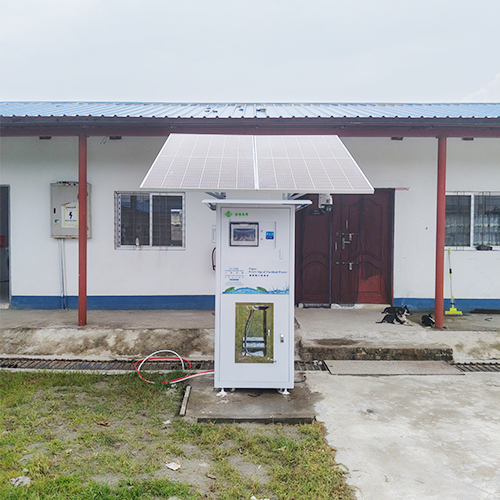
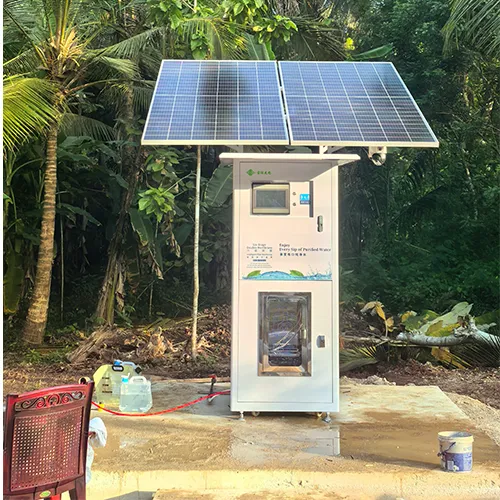
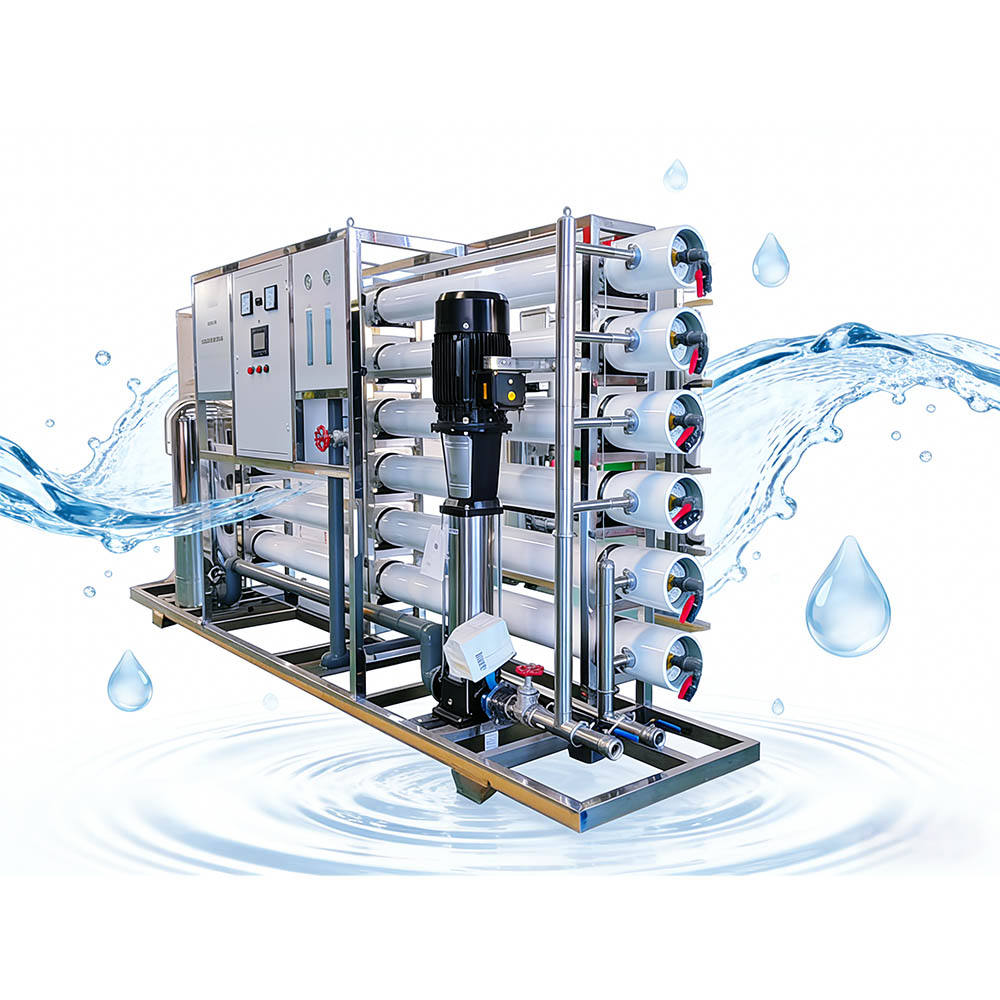
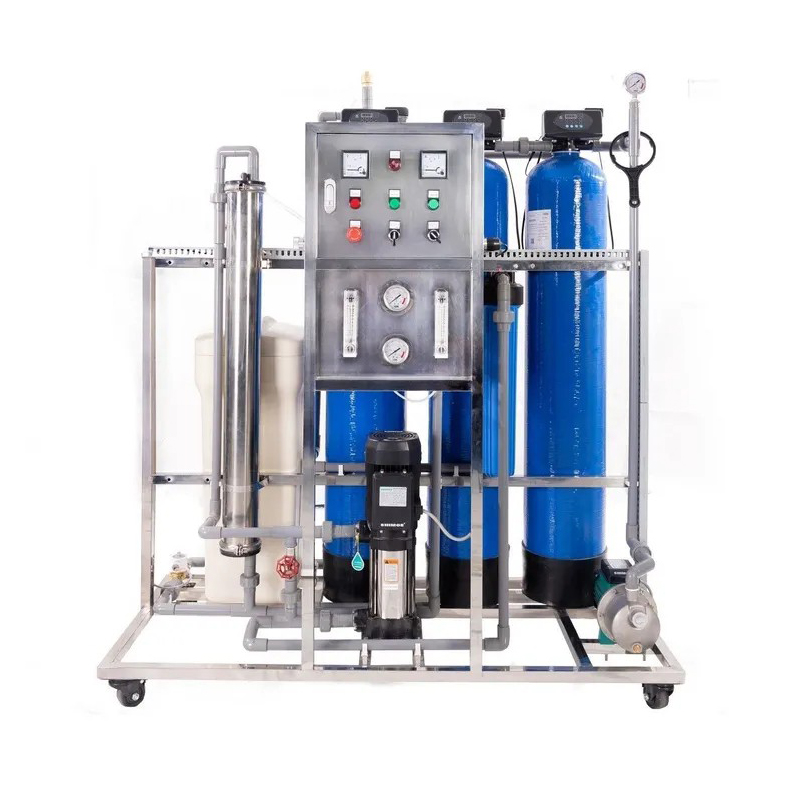
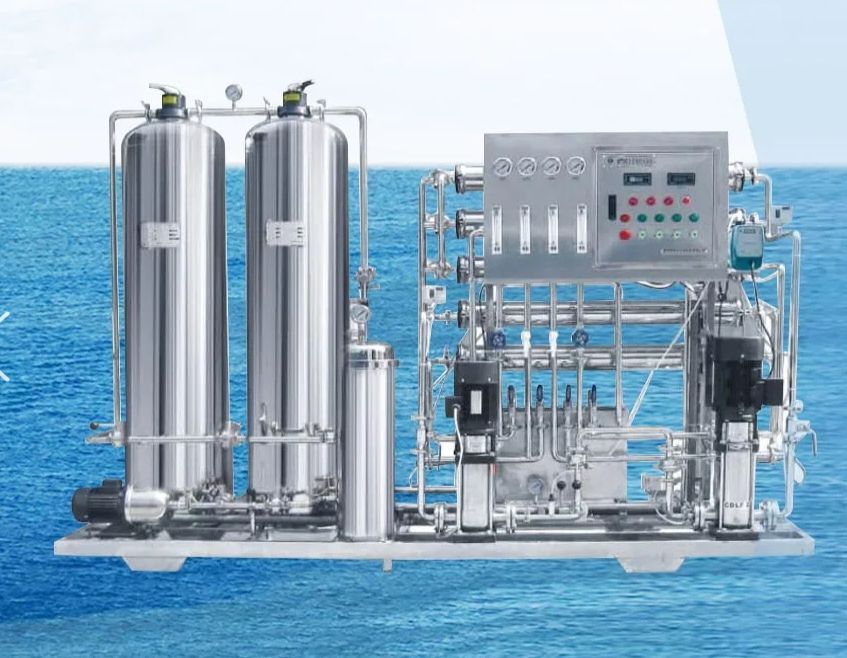
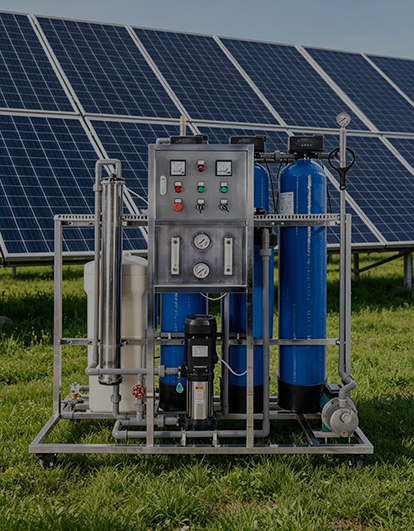
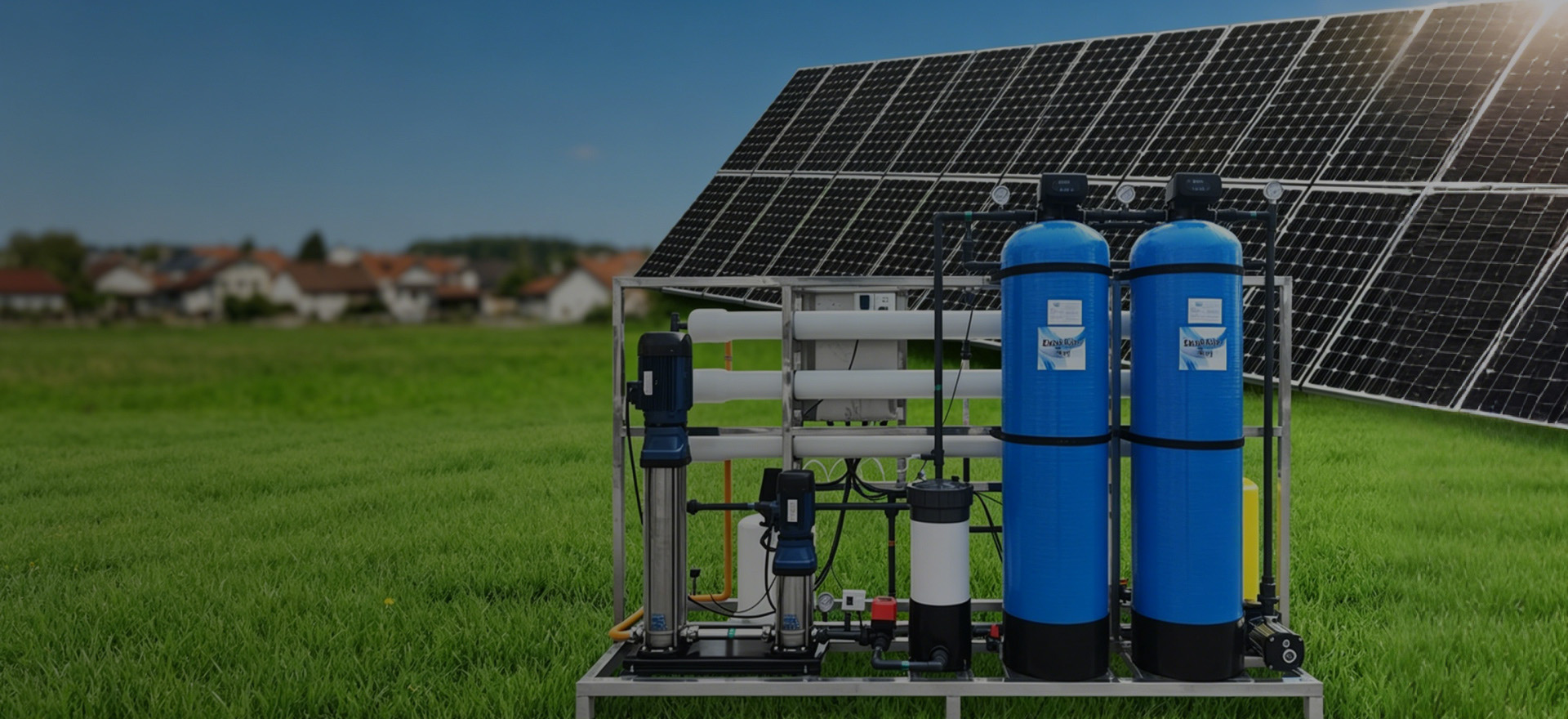
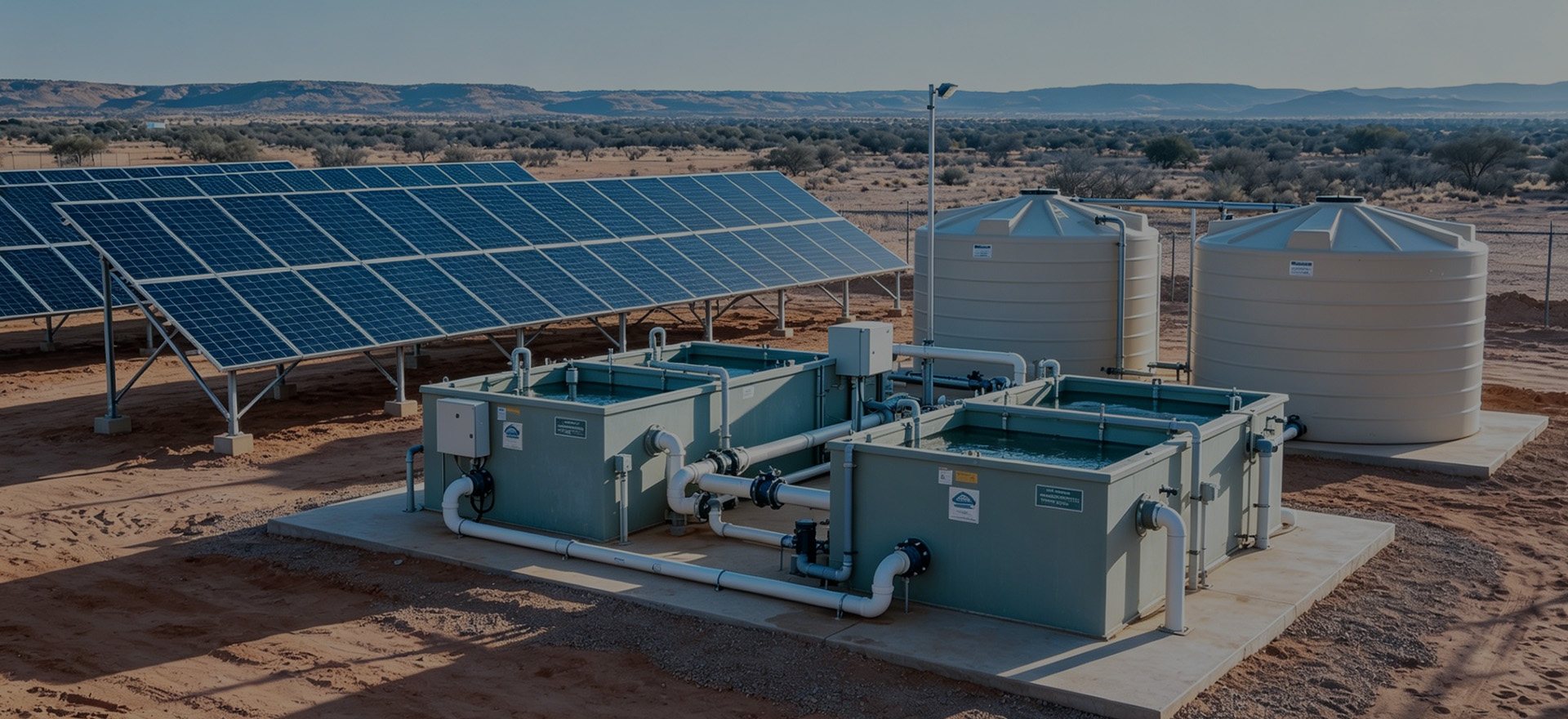
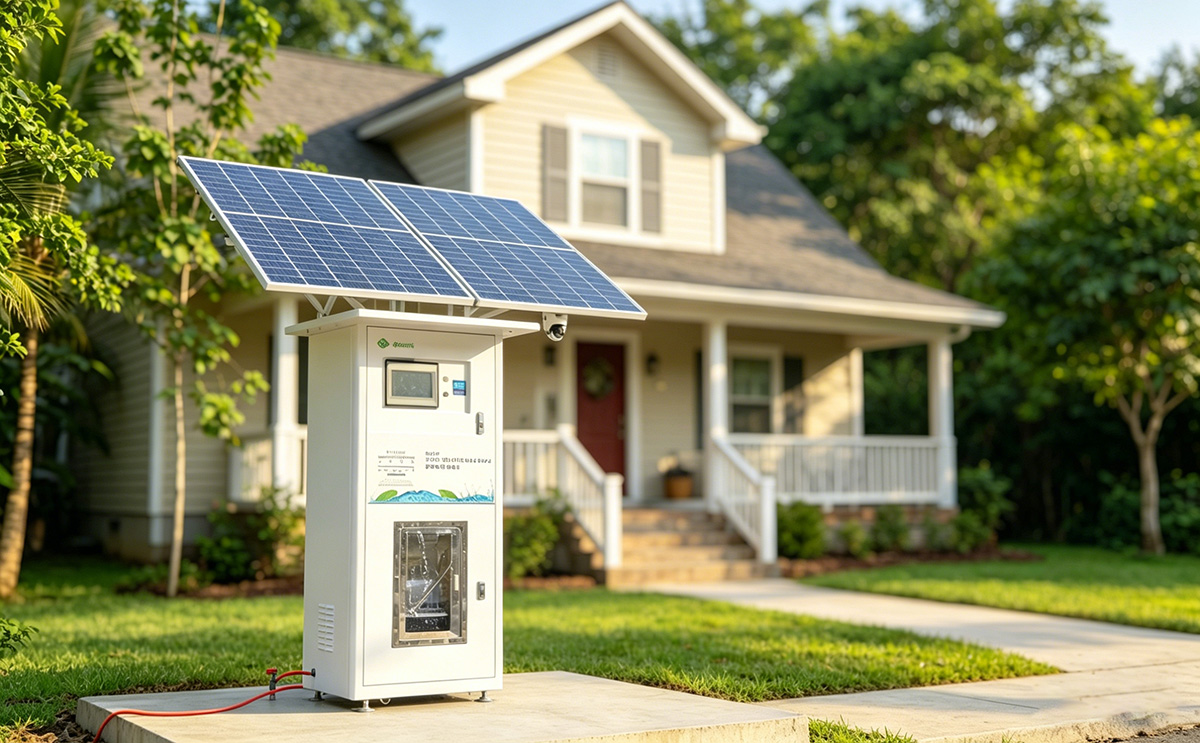
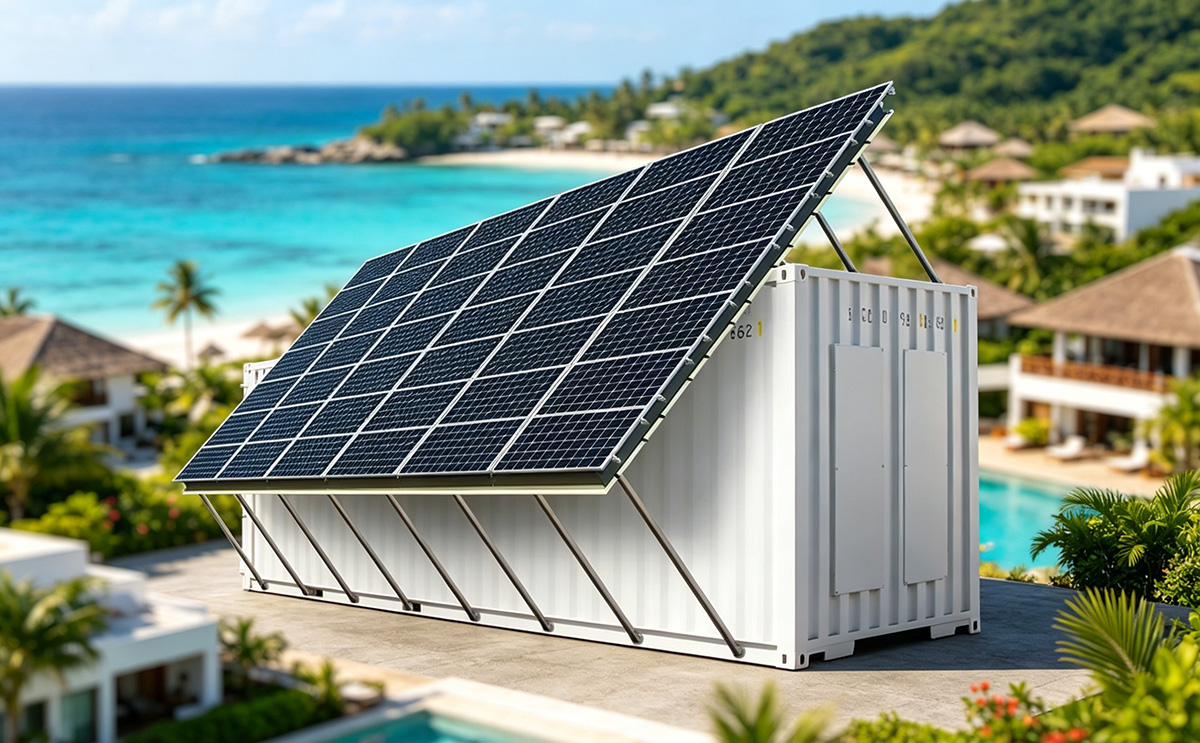
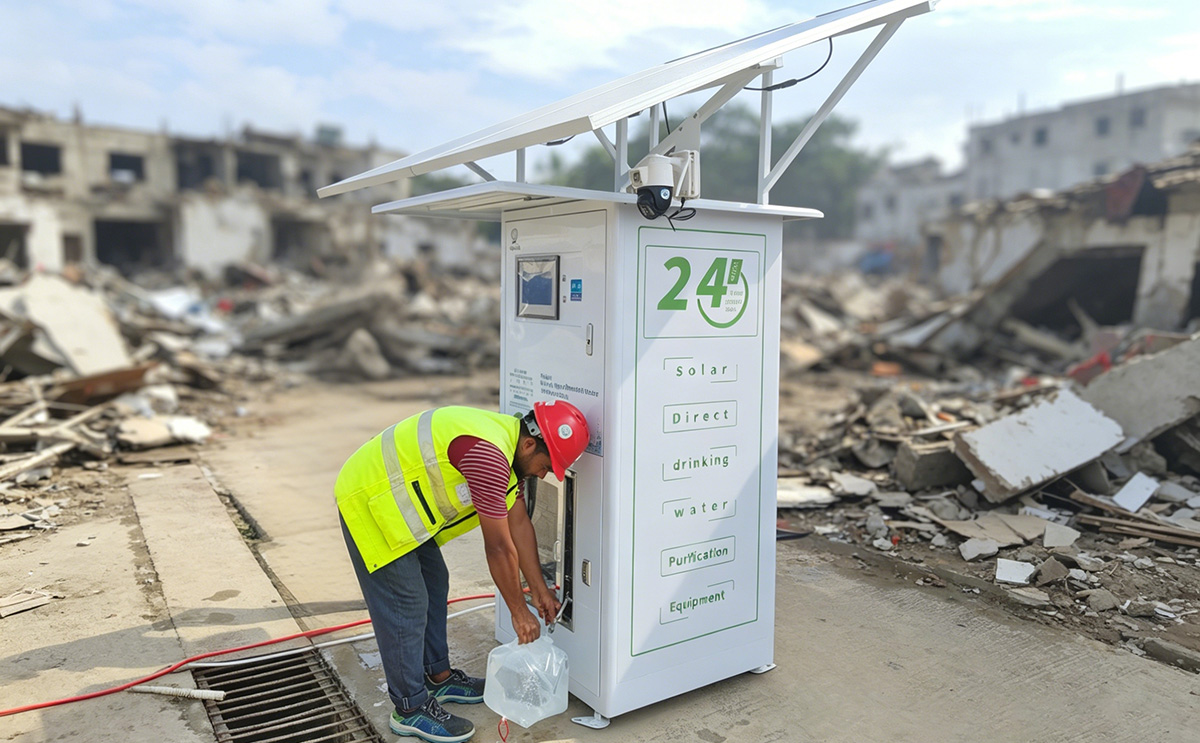
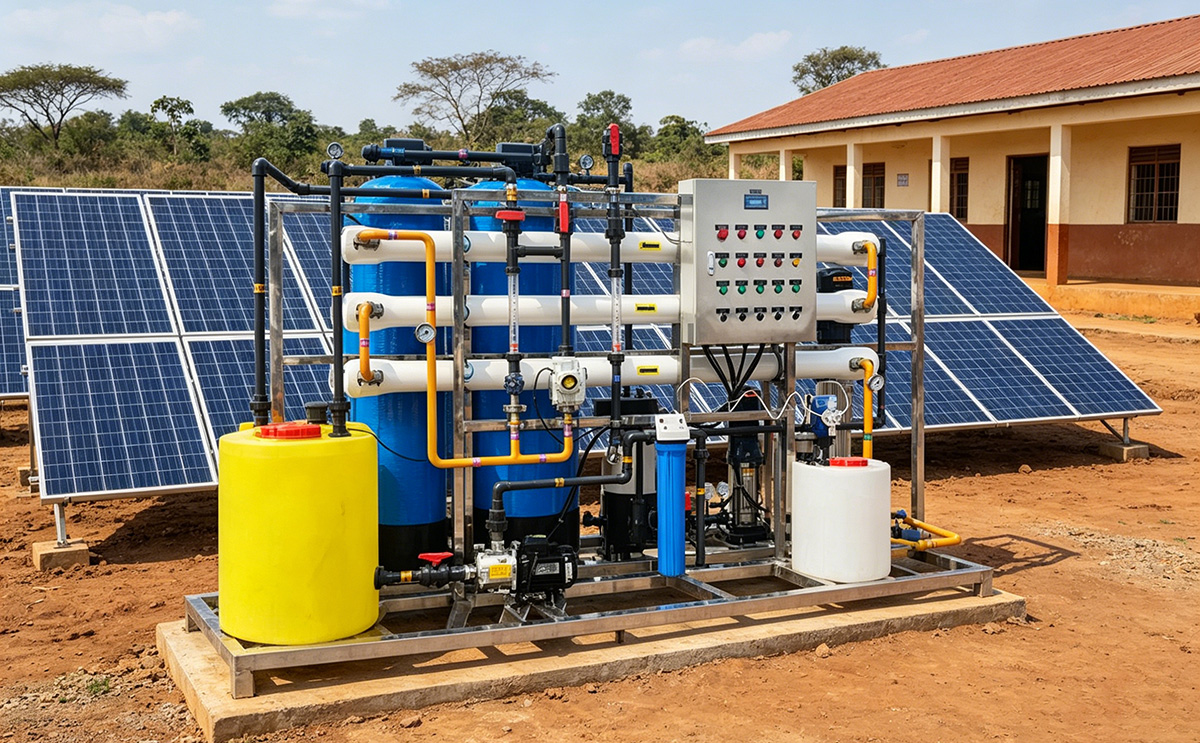
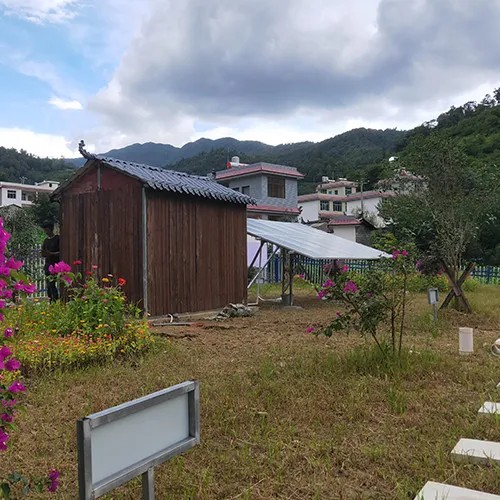
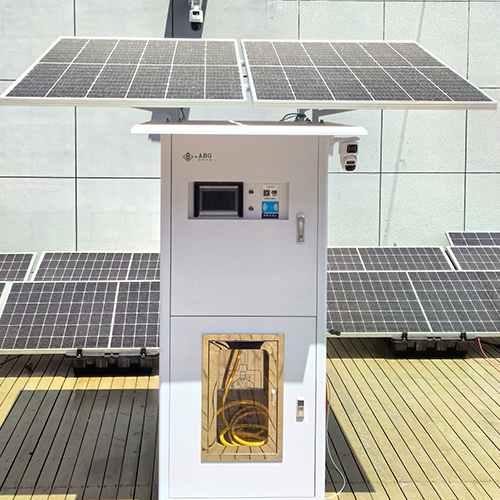
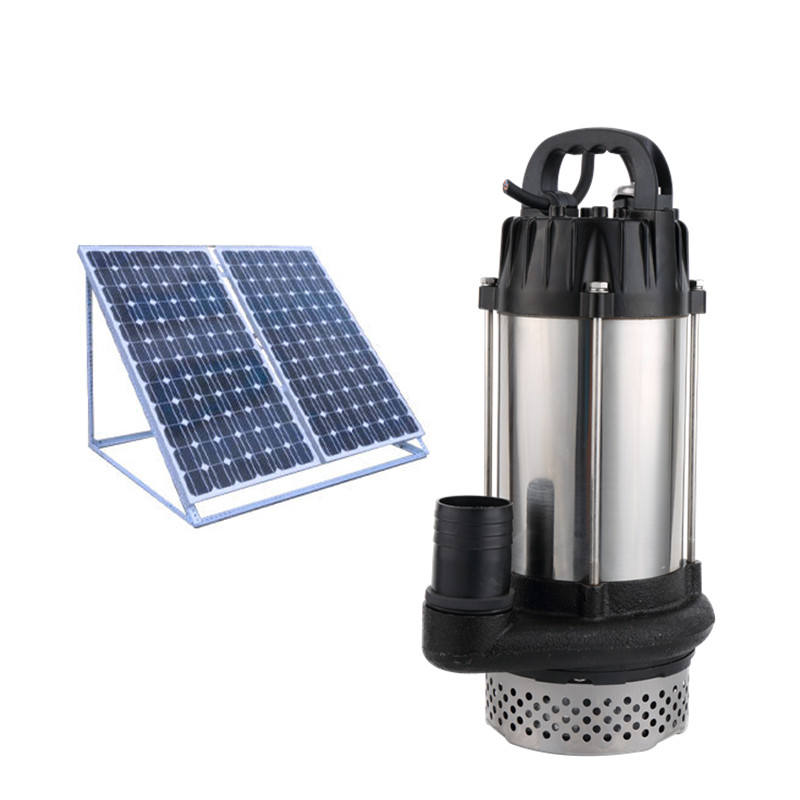
Our flagship systems for emergency preparedness — solar-powered, off-grid, and ready to deploy anywhere in the world.
The global landscape of disaster response and critical infrastructure resilience is being redefined by advanced water treatment technology.
Access to safe drinking water is not simply a comfort — it is a life-or-death necessity in any emergency scenario. Whether facing natural disasters such as earthquakes, floods, hurricanes, or typhoons, or man-made crises including infrastructure failures, conflicts, and industrial accidents, the disruption of centralized water supply systems can leave entire populations without clean water within hours. In such moments, portable, solar-powered, and rapidly deployable drinking water treatment systems become the most critical piece of emergency preparedness infrastructure.
🌍 According to WHO data, over 2 billion people worldwide still lack access to safely managed drinking water services — and in emergency situations, this number surges dramatically as infrastructure collapses.
The global emergency water treatment market has grown substantially in recent years, driven by increasing frequency of climate-related disasters, geopolitical instability, and heightened awareness of water security at both governmental and corporate levels. Governments, NGOs, military organizations, and private enterprises are all investing heavily in decentralized, off-grid water treatment solutions that can be deployed rapidly without reliance on external power grids or municipal water infrastructure.
The commercial and industrial emergency water treatment sector is experiencing unprecedented growth. The global market for emergency water treatment systems is projected to exceed $12 billion USD by 2030, with a CAGR of over 8.5%. Key drivers include:
Manufacturing plants, data centers, hospitals, and food processing facilities increasingly require on-site emergency water treatment systems as part of business continuity planning. A single day without clean water can halt operations costing millions of dollars.
Defense agencies and civil protection authorities worldwide are procuring large-scale containerized water purification units capable of treating thousands of liters per hour. These systems must operate autonomously in the field without external power, making solar-powered RO systems the preferred choice.
International organizations such as UNICEF, Red Cross, and Médecins Sans Frontières deploy thousands of portable water treatment units annually in disaster zones. The shift toward solar-powered systems has dramatically reduced logistics costs and operational complexity in remote areas.
The industry is undergoing rapid technological transformation. The following trends are shaping the next generation of emergency drinking water treatment systems:
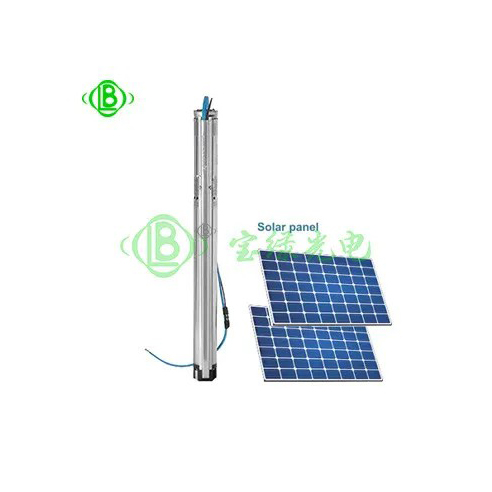
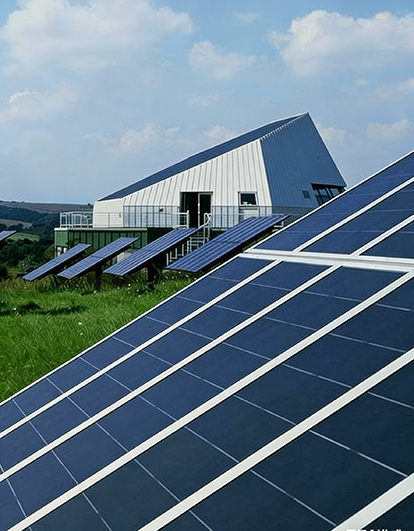
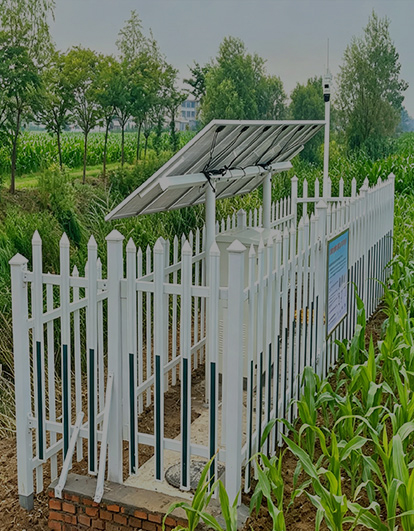
Modern emergency water systems are eliminating diesel generators entirely. Advanced photovoltaic integration with intelligent MPPT controllers ensures continuous operation even in low-light conditions, making deployment in disaster zones faster and more sustainable.
Embedded IoT sensors and AI algorithms continuously monitor water quality parameters — TDS, pH, turbidity, bacterial counts — in real time. Remote diagnostics via satellite or cellular networks allow operators to manage multiple field units from a central command center.
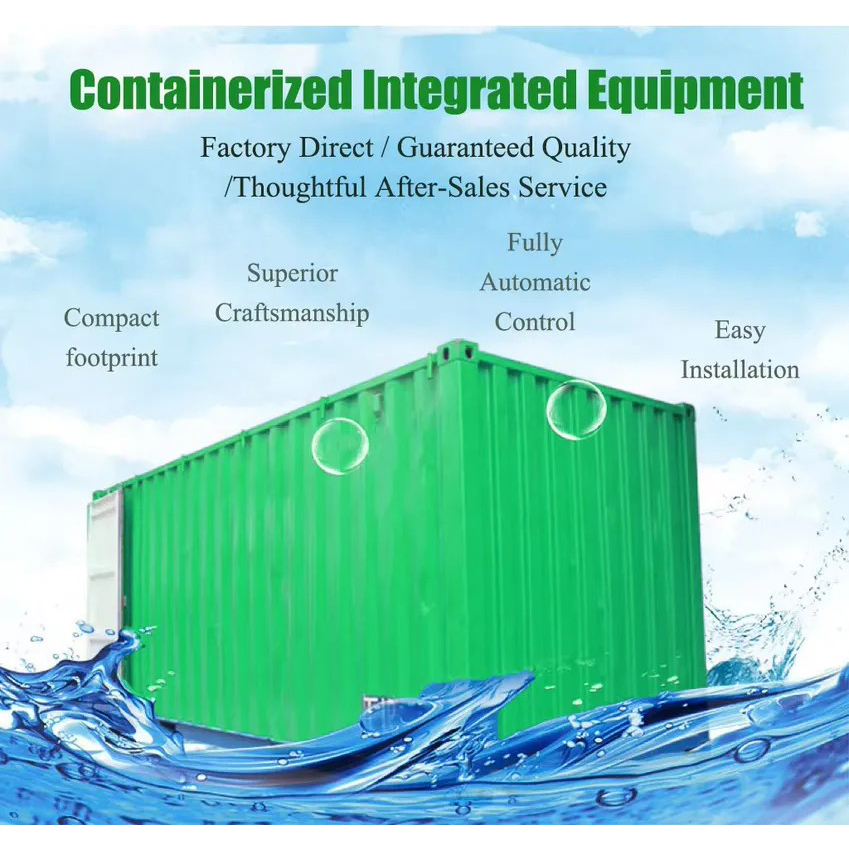
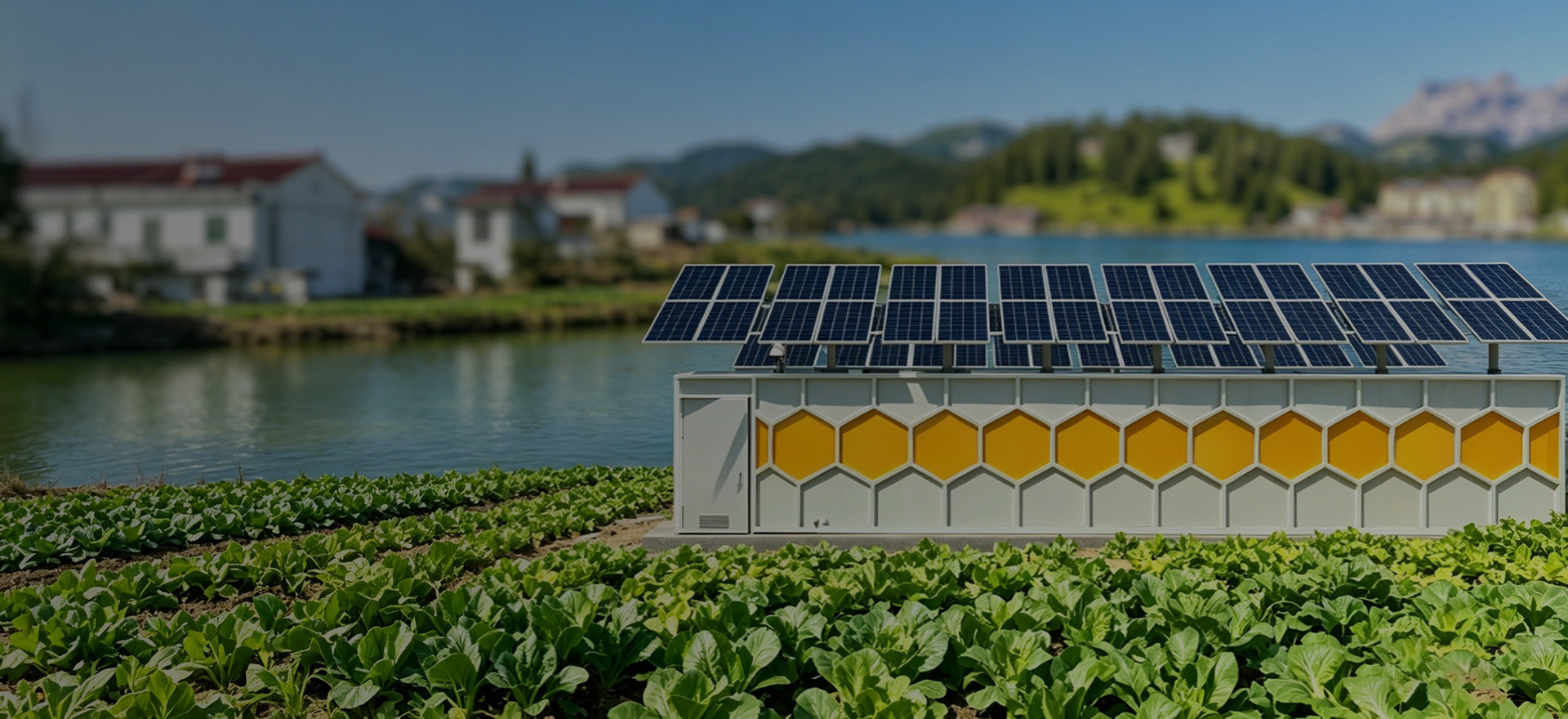
Containerized water treatment plants (20ft and 40ft ISO containers) can be airlifted, shipped, or trucked to any location and operational within hours of arrival. Modular design allows capacity scaling from 500 L/day to over 500,000 L/day.
Advanced zero-wastewater RO systems are becoming standard in emergency applications, ensuring that every drop of water is utilized — critical in water-scarce disaster environments. Brine recovery systems further maximize efficiency.
Lithium iron phosphate (LiFePO4) battery banks paired with solar arrays enable 24/7 continuous water production regardless of sunlight availability, providing true energy independence for emergency water treatment operations.
Combining pre-filtration, ultrafiltration (UF), reverse osmosis (RO), UV sterilization, and activated carbon post-treatment, modern emergency systems achieve WHO-standard drinking water quality from virtually any raw water source including seawater, flood water, and contaminated groundwater.
We are committed to providing customers with efficient, environmentally friendly and sustainable solutions.

Place of Origin: Anhui, China
Brand Name: BL
Certification: ISO9001, ISO14001, ISO45001, CQC
Model Number: BLCT-G050
LEARN MORE
Place of Origin: Anhui, China
Brand Name: BL
Certification: ISO9001, ISO14001, ISO45001, CQC
Model Number: BLCT-G050
LEARN MORE
Place of Origin: Anhui, China
Brand Name: BL
Certification: ISO9001, ISO14001, ISO45001, CQC
Model Number: BLCT-G050
LEARN MORE


Anhui Baolv (ABG) Photoelectric Environmental Protection Equipment Co., Ltd.
Anhui Baolv (ABG) Photoelectric Environmental Protection Equipment Co., Ltd. is a high-tech enterprise wholly owned by Anhui Baolv Photoelectric Engineering Co., Ltd., focusing on R&D and manufacturing of software and hardware for pure solar-powered water environmental protection equipment. We are committed to providing customers with efficient, environmentally friendly and sustainable solutions — especially for emergency preparedness and off-grid water treatment applications worldwide.
LEARN MORE
Understanding where and how these systems are deployed reveals the true scope of their life-saving impact.
When earthquakes, floods, or typhoons strike, municipal water infrastructure is often the first casualty. Pipes burst, treatment plants lose power, and contamination from sewage, chemicals, and debris renders surface water unusable. In these critical first 72 hours — the "golden window" for disaster response — solar-powered containerized water treatment systems can be deployed by truck, helicopter, or even military aircraft to provide immediate safe drinking water for thousands of affected residents.
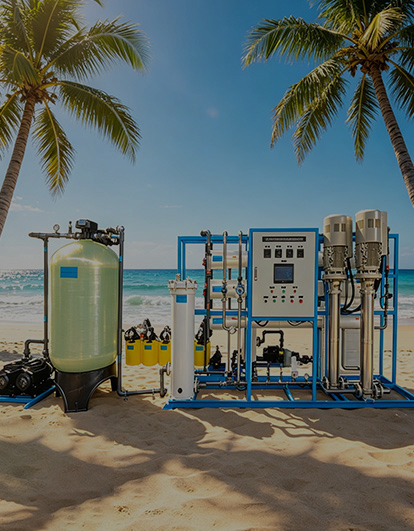
Modern emergency response units like the 40ft containerized RO system can treat brackish water, flood water, and even seawater to WHO drinking water standards within 30 minutes of setup. With PLC automation and solar power, a single unit can produce up to 10,000 liters of clean drinking water per hour with zero external power requirements.
⚡ Key Advantage: A solar-powered containerized RO unit can be fully operational within 2 hours of arrival on-site — no external power, no fuel logistics, no specialized operators required.
Military forces operating in remote theaters require reliable, autonomous water supply that cannot be disrupted by enemy action or infrastructure damage. Solar-powered water treatment systems integrated with energy storage provide true operational independence. Forward operating bases, peacekeeping missions, and humanitarian military operations all benefit from compact, ruggedized water treatment units that can process local water sources — rivers, lakes, groundwater, or even seawater — into safe drinking water on demand.
Island communities face a unique double vulnerability: they are highly exposed to typhoons and storm surges that destroy infrastructure, and they are surrounded by seawater that cannot be consumed without treatment. Solar-powered seawater desalination systems designed for emergency preparedness provide these communities with a permanent, resilient water supply that functions independently of mainland infrastructure. The 1000LPH seawater desalination unit is specifically engineered for island and ship-based emergency applications.
Pharmaceutical plants, semiconductor fabrication facilities, food and beverage manufacturers, and hospitals all require ultra-pure water for operations. An emergency that disrupts municipal water supply can halt production within hours. Industrial emergency water treatment systems — including high-capacity RO units, UV sterilization systems, and water softening equipment — provide the on-site water security that critical industries demand. These systems are increasingly being integrated into corporate emergency preparedness plans alongside backup power generation.
UNHCR estimates that at any given time, over 100 million people worldwide are displaced by conflict or disaster, with access to clean water being the most acute humanitarian need. Decentralized, solar-powered water treatment systems that can be operated by minimally trained local staff are transforming humanitarian water response. Systems capable of treating 50,000–500,000 liters per day are now deployable within 48 hours of a crisis declaration, dramatically reducing waterborne disease mortality in refugee settings.

Baolv's one-stop energy-saving solutions cut costs, boost efficiency and turn energy-intensive enterprises into energy-saving benchmarks, winning wide acclaim.


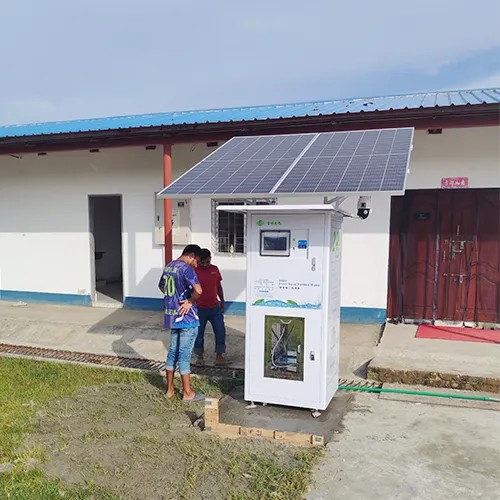
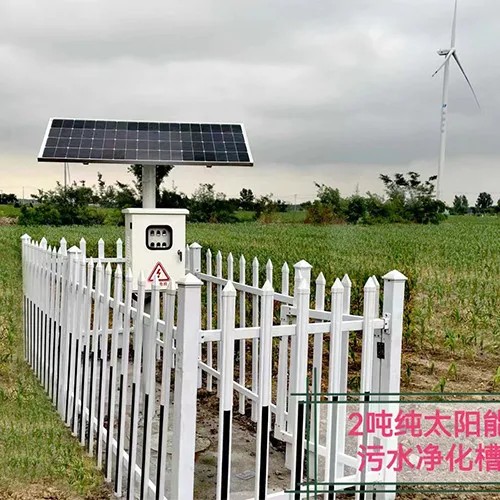
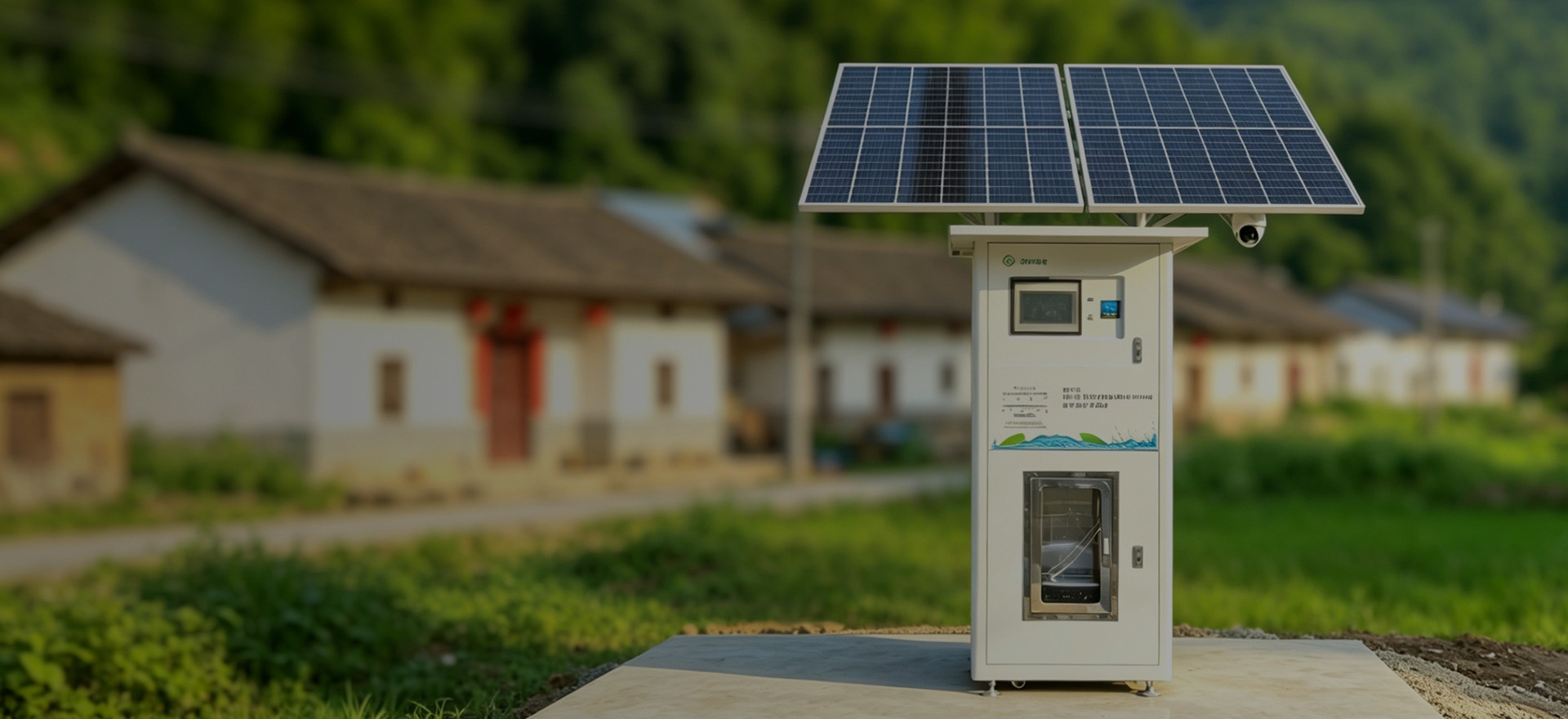
Fully solar-powered for complete, off-grid energy independence in any emergency scenario.


Flexible, building-block design adapts to diverse emergency application scenarios and scales.


Built for harsh, unmanned emergency areas with minimal maintenance required.


One-time investment enables long-term, zero-carbon and zero-cost emergency water operation.
Five specialized off-grid water solutions designed for every emergency and remote application scenario.
Applications & Case
Application
At Baolv Optoelectronics, we provide tailored solar-powered water and energy systems that empower resilience and sustainable growth — from remote areas to emergency scenarios where drinking water treatment is a matter of survival.
Go to Project Applications


Whether you're planning for natural disaster response, industrial continuity, remote community water access, or humanitarian deployment — our solar-powered drinking water treatment systems are engineered to deliver clean water anywhere, anytime.
Contact Us — Get Emergency Water Solutions