
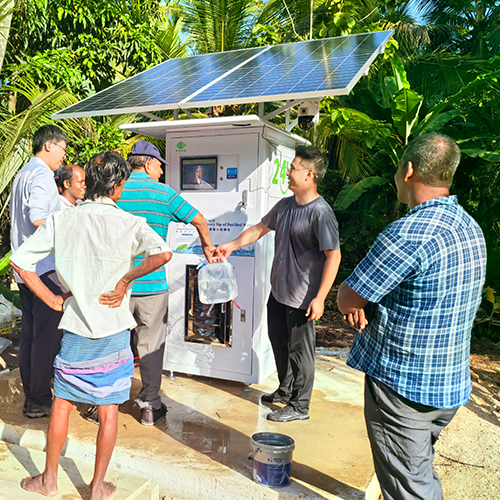
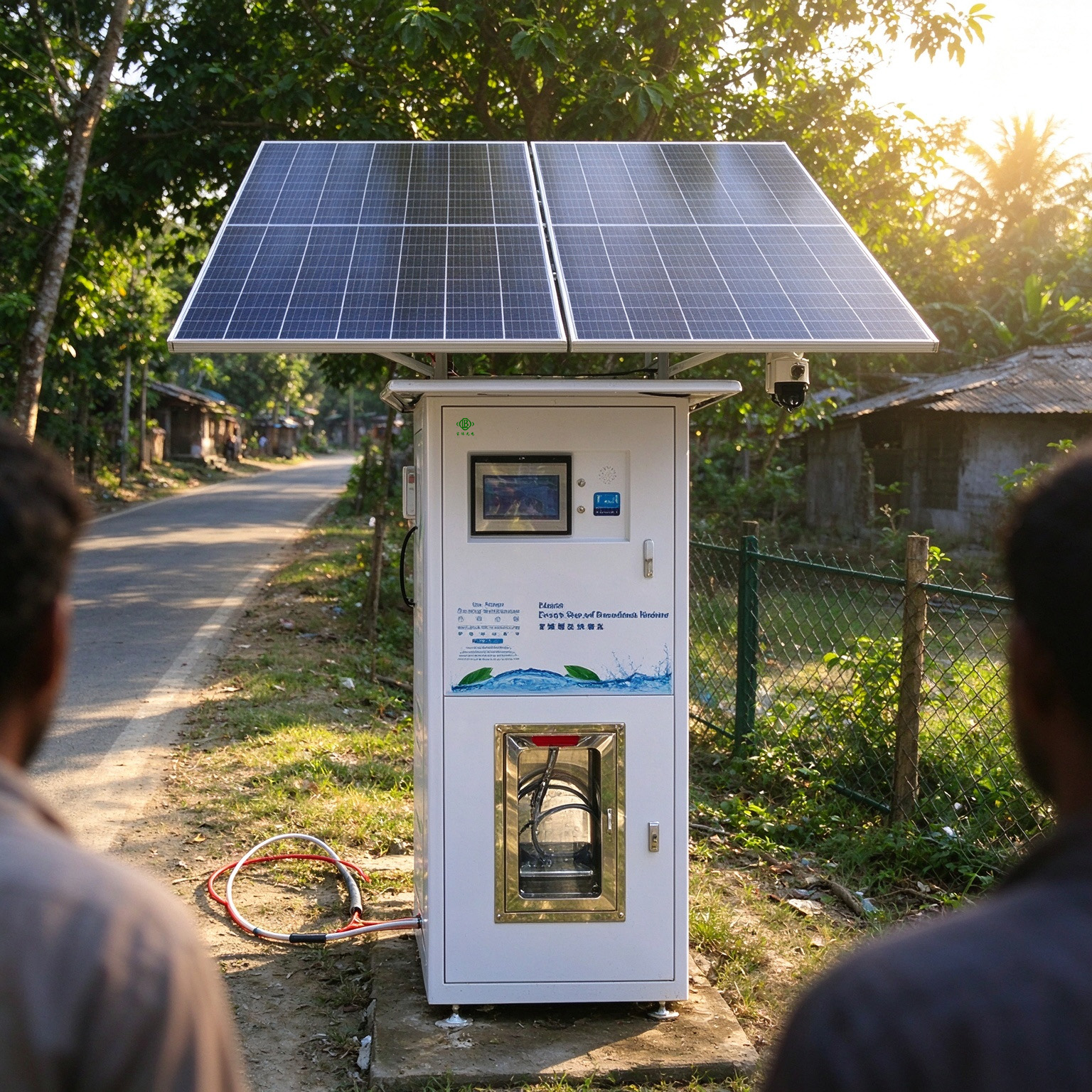
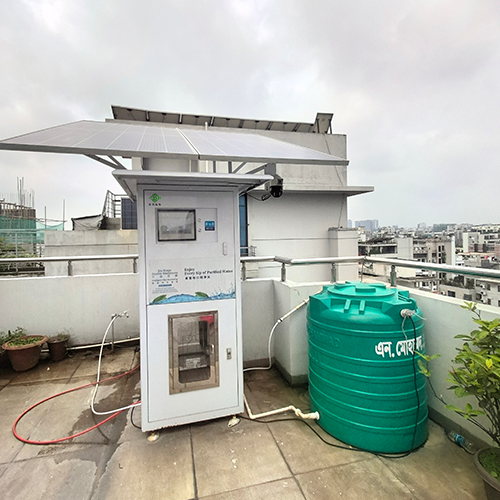
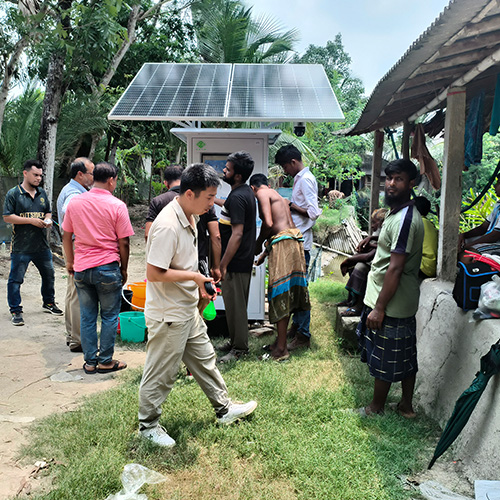
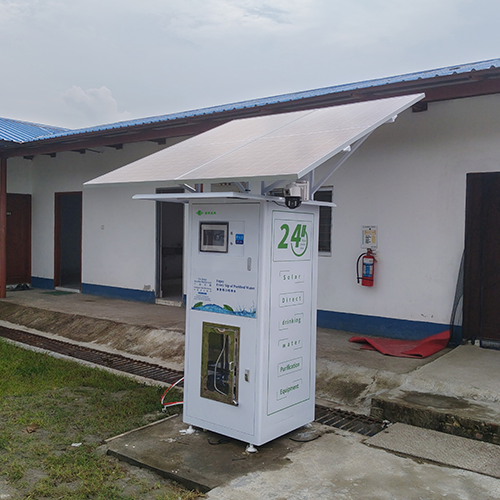
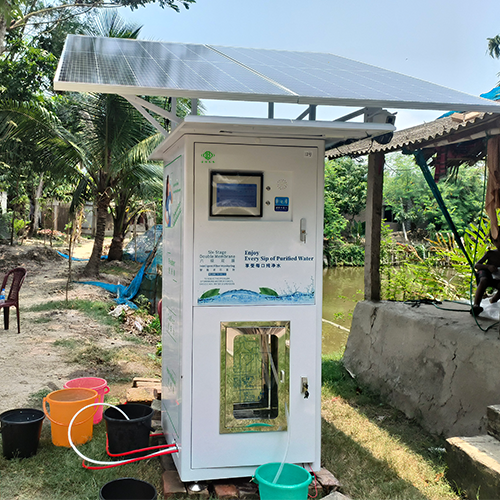
- Solar Powered Drinking Water System
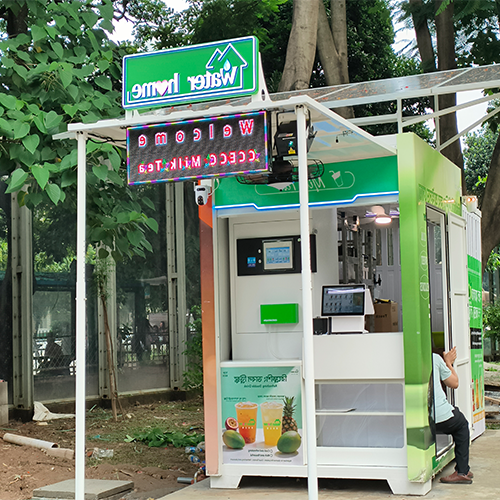
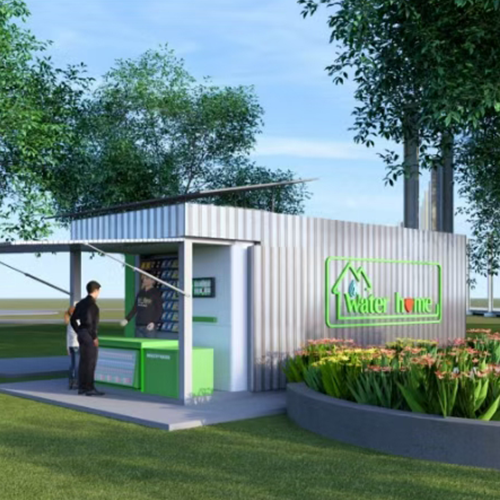
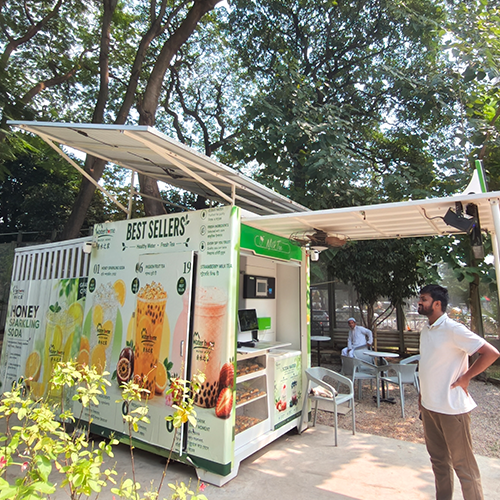
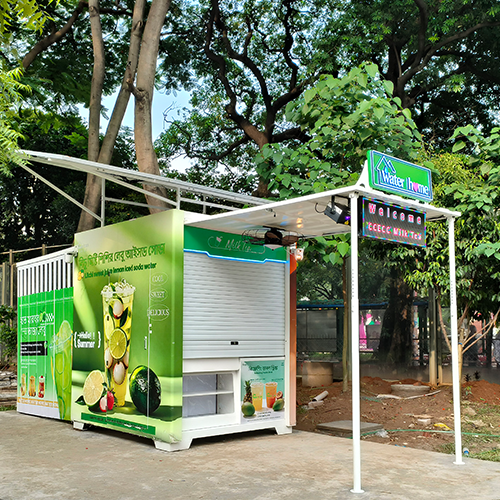
- WaterHome — Solar-Powered Mobile Beverage Station
- Solar Powered Sewage Treatment Plant
- Solar Powered Pond Aerator
- Solar Powered Water Pump
- Fiberglass Lift Station
- Solar Powered Fish Aerator
- Submersible Jet Aerator
- Solar Powered Irrigation System
- Solar Microgrid System
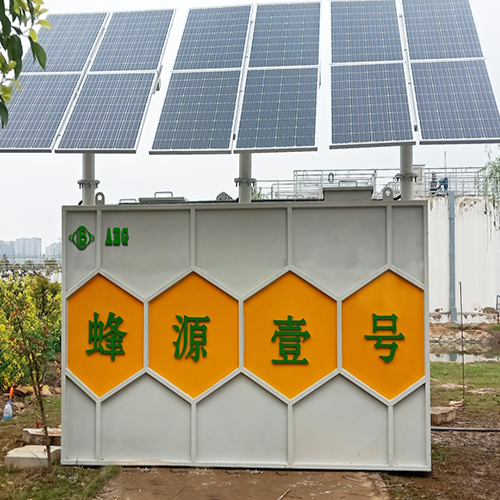
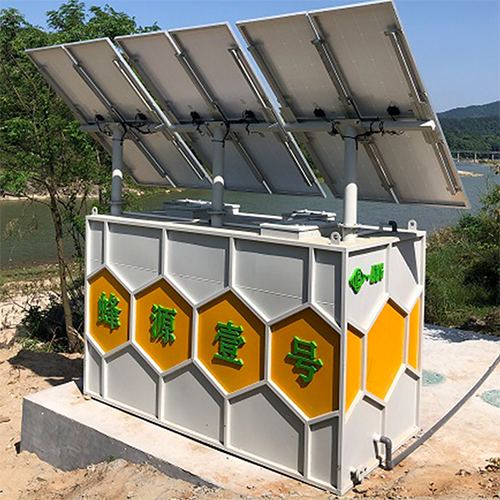
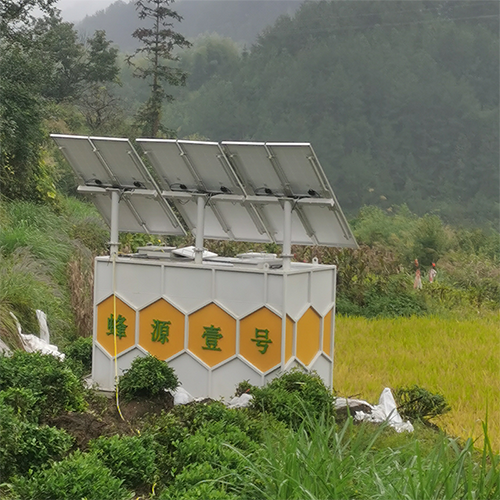
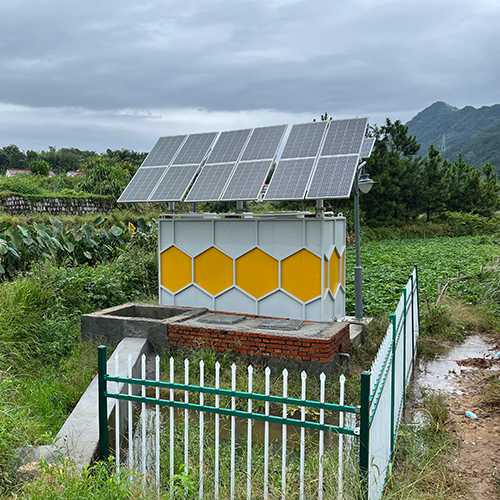
Fully Solar-Powered Modular Sewage Treatment Plant - Intelligent Monitoring System from China Suppliers & Factory
Technical Specifications
2000
2 Years
0.5-5m³/day
Water Treatment
10-100 M3/d
4800 Kg
AAO
Solar Energy (220V Main Power Supplement)
2.1 KW
8.8 T
Level A
Pump, PLC, Regulating Cell, Photovoltaic Panel, Battery
Highlights
10m3 Solar Powered Wastewater Treatment Plant, Modular Solar Powered Wastewater Treatment Plant, Easy Installation residential sewage treatment systems
Payment & Shipping Terms
1
USD100-200
Wooden /Box
7-15 Days
L/C, T/T, Western Union
10 sets/month
Product Introduction
This system converts electrical energy from solar photovoltaic panels into electricity, providing power for components such as pumps, aeration devices, and control systems during the wastewater treatment process. Thus, it enables a green operation throughout the entire process of wastewater collection, treatment, and reuse. The core of this system lies in utilizing solar energy, a renewable resource, to replace traditional grid power supply, addressing the wastewater treatment issues in remote areas and regions without stable power supply, and reducing carbon emissions. This aligns with the concepts of ecology and environmental protection.
Product Features
Clean energy and low operating costs
With solar energy as the main energy source, it does not need to be connected to the external power grid, reduces the consumption of fossil energy, and achieves low-carbon emissions. Long-term operation can save electricity bills, especially suitable for remote areas, and reduce operating costs.
High degree of automation and simple operation
Integrated with an intelligent control system, it can automatically complete processes such as sewage lifting, aeration, sedimentation and filtration without the need for dedicated personnel to stand by. Supports remote monitoring (such as mobile phone APP), and view the real-time operation status of the equipment and water quality data.
Stable treatment effect and high adaptability
By combining biological treatment (such as activated sludge process and biofilm process) with physicochemical processes (such as sedimentation and filtration), organic matter, nitrogen, phosphorus and suspended solids can be effectively removed. It can withstand fluctuations in water quality and adjust process parameters according to different types of sewage, such as domestic sewage and food processing wastewater.
Modular design, flexible installation
It adopts modular assembly and can be flexibly combined according to the treatment scale (such as a daily treatment capacity of 5 to 100 tons), making it suitable for decentralized sewage treatment scenarios. It does not require complex civil engineering, has a short installation period, can be buried underground or installed on the ground, and saves land resources.
Easy to maintain and long service life
The core components (such as solar panels and aeration equipment) are made of anti-corrosion and durable materials, with low maintenance frequency. The service life of the solar energy system can reach over 20 years, and the overall equipment maintenance cost is low.
Process Flow
SAOF process flow, multi-stage aerobic + micro-air flotation process
Application Scenarios
- Rural areas and decentralized residential areas: Replace traditional septic tanks and solve the problem of direct discharge of domestic sewage.
- Scenic spots and campsites: Treat catering wastewater and toilet sewage to meet ecological and environmental protection requirements.
- Industrial park (small): Treats low-concentration organic wastewater from industries such as food processing and breeding.
- Emergency disaster relief scenario: Quickly set up a temporary sewage treatment system to ensure water quality safety in the disaster-stricken area.

Frequently Asked Questions (FAQ)
Q1: How does the solar powered wastewater treatment plant function on cloudy days?
A1: The system is designed with a solar battery storage system and is supplemented by 220V main power. This dual configuration ensures continuous, stable operation even during consecutive cloudy days or periods of low sunlight.
Q2: What is the daily wastewater processing capacity of this system?
A2: Depending on the configuration and scale, the standard capacity ranges from 0.5 to 5 m³/day, with the modular processing capability scaleable up to 10 to 100 m³/day to fit decentralized sewage treatment requirements.
Q3: What core technologies does the plant use to clean wastewater?
A3: The system utilizes AAO (Anaerobic-Anoxic-Oxic) technology integrated with a SAOF process flow (multi-stage aerobic + micro-air flotation process) to effectively remove organic matter, nitrogen, phosphorus, and suspended solids.
Q4: Is professional staff needed to operate the system?
A4: No. The system features a highly automated PLC control system that automatically manages sewage lifting, aeration, sedimentation, and filtration. It also supports remote monitoring via mobile apps for convenient management.
Q5: What are the installation requirements and options?
A5: Thanks to its modular design, the system has a short installation period and does not require complex civil engineering. It can be buried underground to save space or installed directly on the ground depending on site conditions.
Q6: What is the expected service life of the equipment?
A6: The core solar energy components are built to last over 20 years. All structural elements and components are made of anti-corrosion, highly durable materials that minimize maintenance frequency and overall operating costs.