Leave Your Message

Industrial Solar Powered Wastewater Treatment Plant - Modular Solutions from China Suppliers & Factory - ABG Brand

,

China’s Leading Industrial Solar Powered Wastewater Treatment Plant

,

Modular Solar Powered Wastewater Treatment Solutions

,

Advanced Modular Domestic Sewage Treatment Systems

,

Place of Origin: Anhui, China

,

Brand Name: ABG

,

Certifications: ISO9001, ISO14001, ISO45001, CQC

,

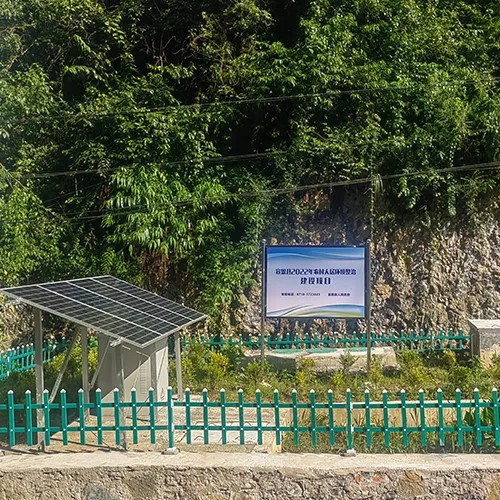
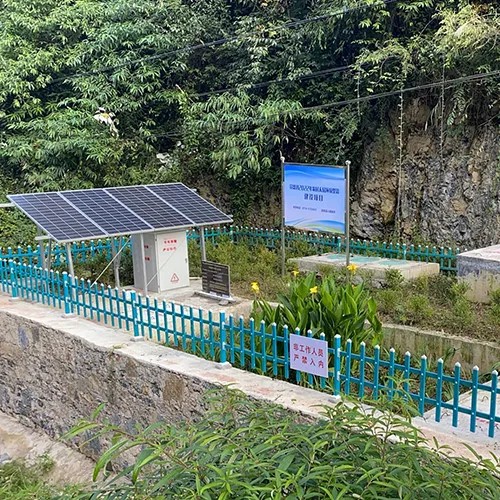
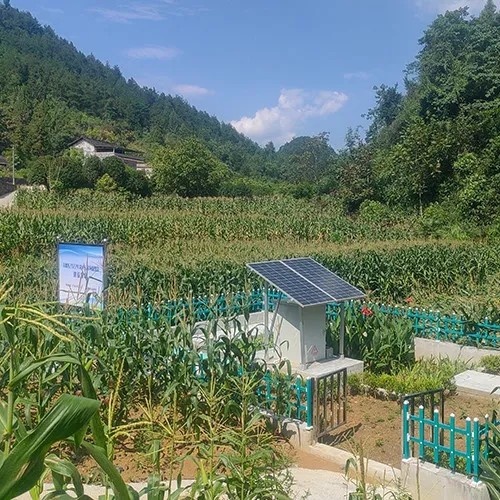
As a top-tier factory and supplier in China, our industrial solar powered wastewater treatment plants offer effective and sustainable solutions for your wastewater management needs. Our modular systems provide flexibility and efficiency, ensuring high performance in domestic sewage treatment. Trust ABG for compliant, certified quality tailored to your specific requirements.

,

    Technical Specifications
    Processing Capacity 10-100 M³/d
    Weight 4800 Kg
    Technology AAO
    Voltage Solar Energy (220V Main Power Supplement)
    Installed Power 2.1 KW
    Net Weight 8.8 T
    Standard Level A
    Core Components Pump, PLC, Fan, Photovoltaic, Panel, Battery
    Key Highlights

    Industrial Solar Powered Wastewater Treatment Plant, Modularization Solar Powered Wastewater Treatment Plant, Modularization Domestic Sewage Treatment Plant

    Payment & Shipping Terms
    Minimum Order Quantity 1 Set
    Price USD 2000 - 4000
    Packaging Details Wooden Box
    Delivery Time 7-15 Days
    Payment Terms L/C, T/T, Western Union
    Supply Ability 100 Sets / Month
    Brief Introduction
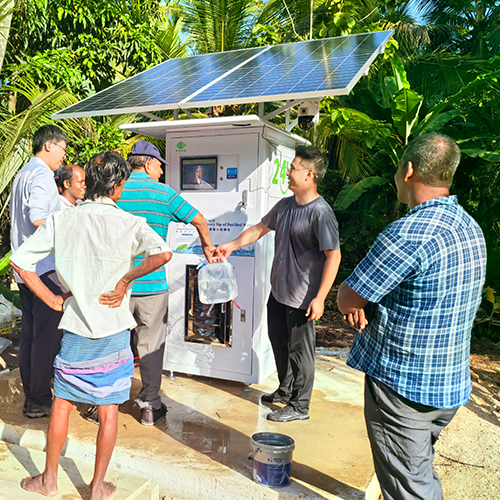
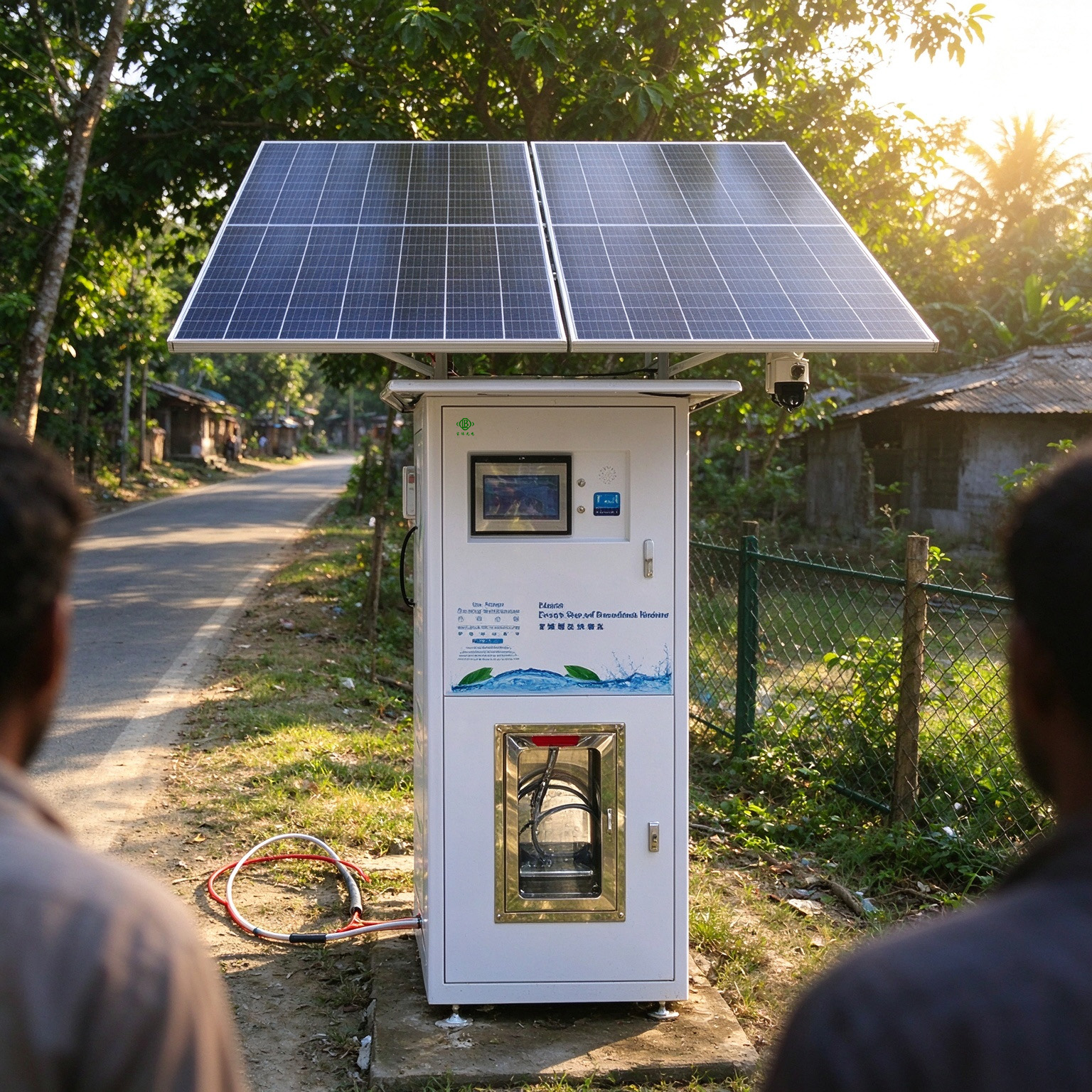
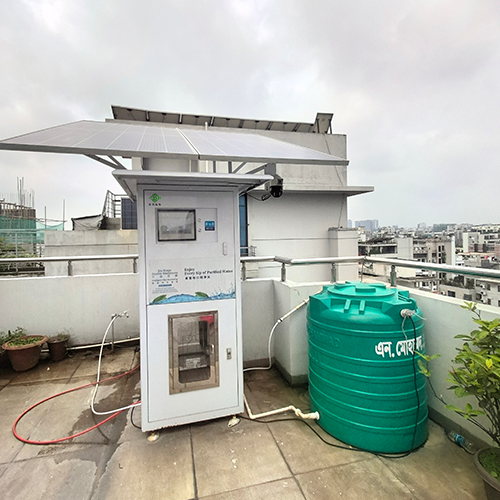
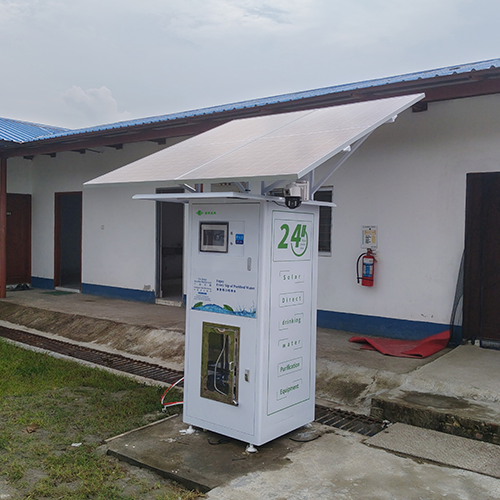
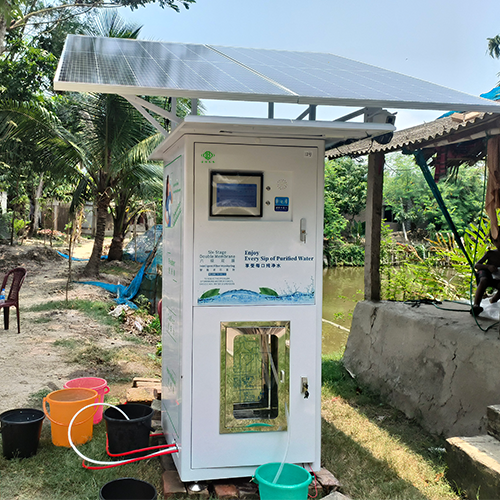
    The industrial solar nanofiltration system is a wastewater treatment device that combines solar technology with nanofiltration membrane technology, mainly used for the recovery and purification of industrial wastewater. This system is powered by solar energy to drive the filtration process and uses membrane materials with nanoscale pore sizes to selectively separate pollutants in wastewater (such as heavy metal ions, organic matter, colloids, etc.), ultimately achieving the recycling or standard discharge of wastewater. Its core advantage lies in the combination of renewable energy and efficient membrane separation technology, which is suitable for industrial scenarios with insufficient power supply or the need to reduce energy consumption (such as the chemical, pharmaceutical, and textile industries).
    System Characteristics
    Energy & Eco Protection

    Driven by solar energy, it reduces traditional power consumption and lowers carbon emissions, meeting the demands of green industry. No chemical agents need to be added, avoiding secondary pollution.

    High-Efficiency Separation

    Pore size of 1 to 10 nm retains substances ranging from 100 to 1000 Da. Removal rate of heavy metals, organic substances, and hardness ions is over 90%.

    Stability & Adaptability

    Membrane materials possess acid/alkali resistance and anti-pollution properties. Solar power with energy storage devices achieves all-weather operation.

    Modular & Easy Maintenance

    Flexible expansion according to treatment volume. Membrane modules can be regenerated through cleaning, ensuring a long service life of 3 to 5 years.

    Working Principle
    1. Solar Energy Conversion and Drive

    Photovoltaic panels convert solar energy into electrical energy to power water pumps, control systems, and membrane modules. Optional battery storage ensures continuous operation during low light.

    2. Nanofiltration Membrane Separation Mechanism

    Under pressure, wastewater passes through the membrane. Larger particles, colloids, and large organics are blocked. Charge repulsion on the membrane surface selectively removes ionic pollutants.

    3. Wastewater Treatment Process

    Pretreatment removes large impurities. Wastewater is then pumped through the nanofiltration membrane at 0.5 to 1.5 MPa. Concentrated pollutants are recovered or treated, and clean water is produced.

    Extend Application Scenarios
    • Industrial Wastewater Reuse: Treating and recycling cleaning wastewater from electronics and electroplating industries back into production.
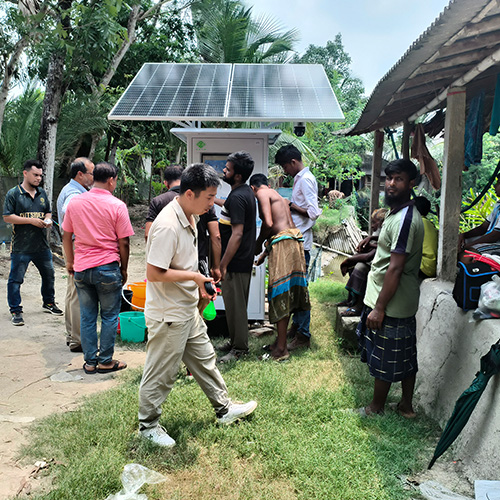
    • In Water-Scarce Areas: Integrating solar-powered seawater desalination or brackish water purification to provide stable, clean water sources.
    • Wastewater Treatment in Remote Areas: Operating without external power grid connections, ideal for remote industrial parks or mining areas.

    This system, through an innovative combination of "solar energy + membrane technology", provides a low-energy consumption and highly reliable solution for industrial wastewater treatment, especially suitable for modern industrial scenarios that pursue sustainable development.

    Frequently Asked Questions (FAQ)
    What is the processing capacity of this solar wastewater treatment plant? ▼
    The plant features a processing capacity ranging from 10 to 100 M³/d, depending on specific setup configurations and requirements.
    How does the system operate during periods without sunlight? ▼
    The system utilizes solar energy as its primary power source but can be equipped with an energy storage battery and a 220V main power supplement to ensure stable, all-weather operation.
    What is the expected service life of the nanofiltration membrane? ▼
    Due to the acid, alkali, and anti-pollution resistance of the membrane materials, they can be regenerated through cleaning, resulting in a service life of 3 to 5 years.
    What is the removal efficiency for heavy metals and organic matter? ▼
    The nanofiltration membrane has a nanoscale pore size (1 to 10 nm) capable of retaining substances from 100 to 1000 Da, achieving a removal rate of over 90% for heavy metals, organics, and hardness ions.
    Does the treatment process require chemical additives? ▼
    No, the physical membrane separation mechanism does not require the addition of chemical agents, avoiding secondary pollution and keeping operations eco-friendly.

    Leave Your Message