Technical Horizon: Decentralized Coastal Desalination & Point-of-Use Purification
Examining the technological evolution, engineering bottlenecks, and market shift toward localized solar-integrated kitchen filtration systems along global coastlines.
The rapid acceleration of climate vulnerability, rising sea levels, and over-extraction of coastal aquifers have caused seawater intrusion to become a defining challenge of modern hydrological engineering. In seaside communities, private island estates, marine hospitality resorts, and off-grid coastal settlements, municipal water infrastructure frequently fails to maintain acceptable Total Dissolved Solids (TDS) thresholds. Traditional centralized water treatment infrastructures require immense capital expenditure, extensive piping vulnerable to marine corrosion, and excessive electrical grid reliance. As a result, decentralized point-of-use (POU) and point-of-entry (POE) kitchen water filter systems for coastal desalination have emerged as critical infrastructure.
Solar-Driven Photovoltaic Autonomy
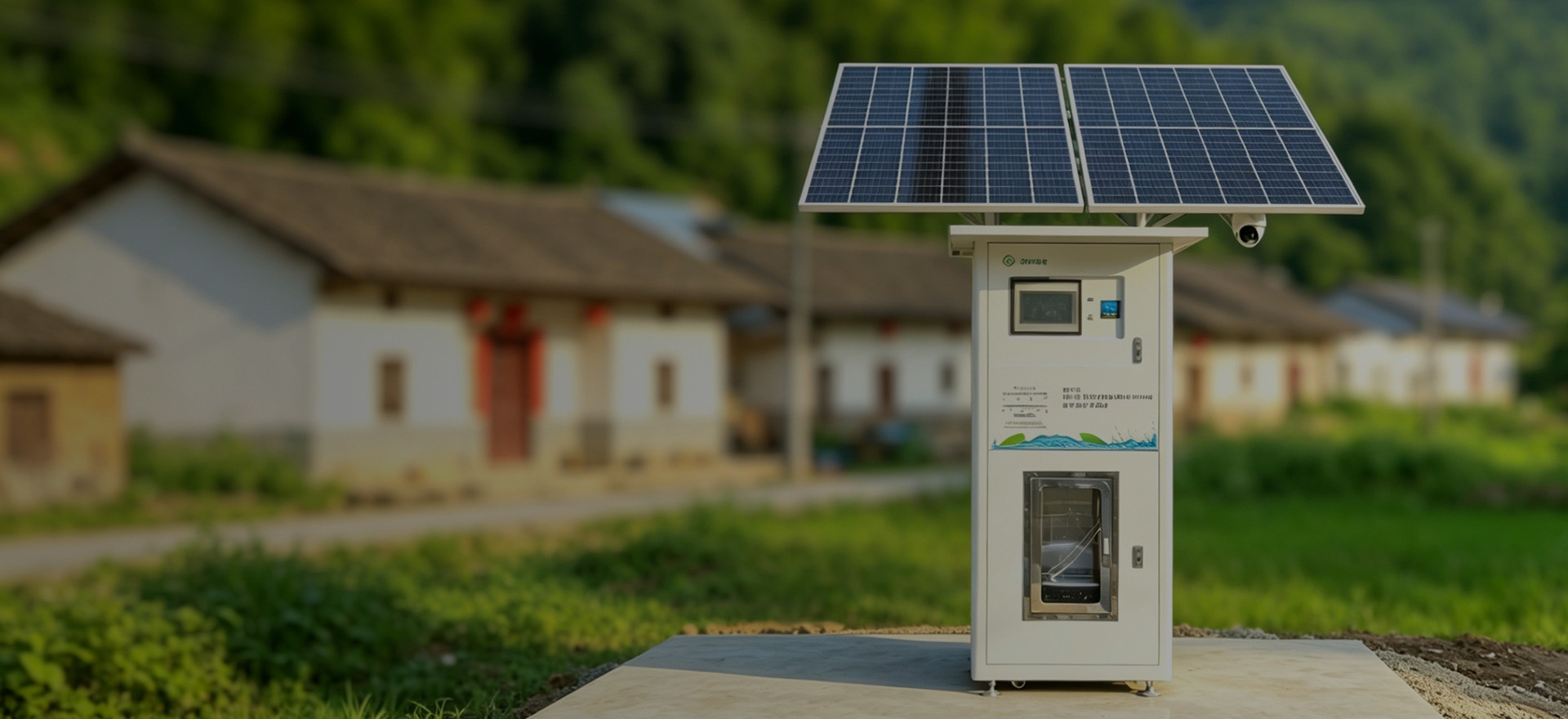
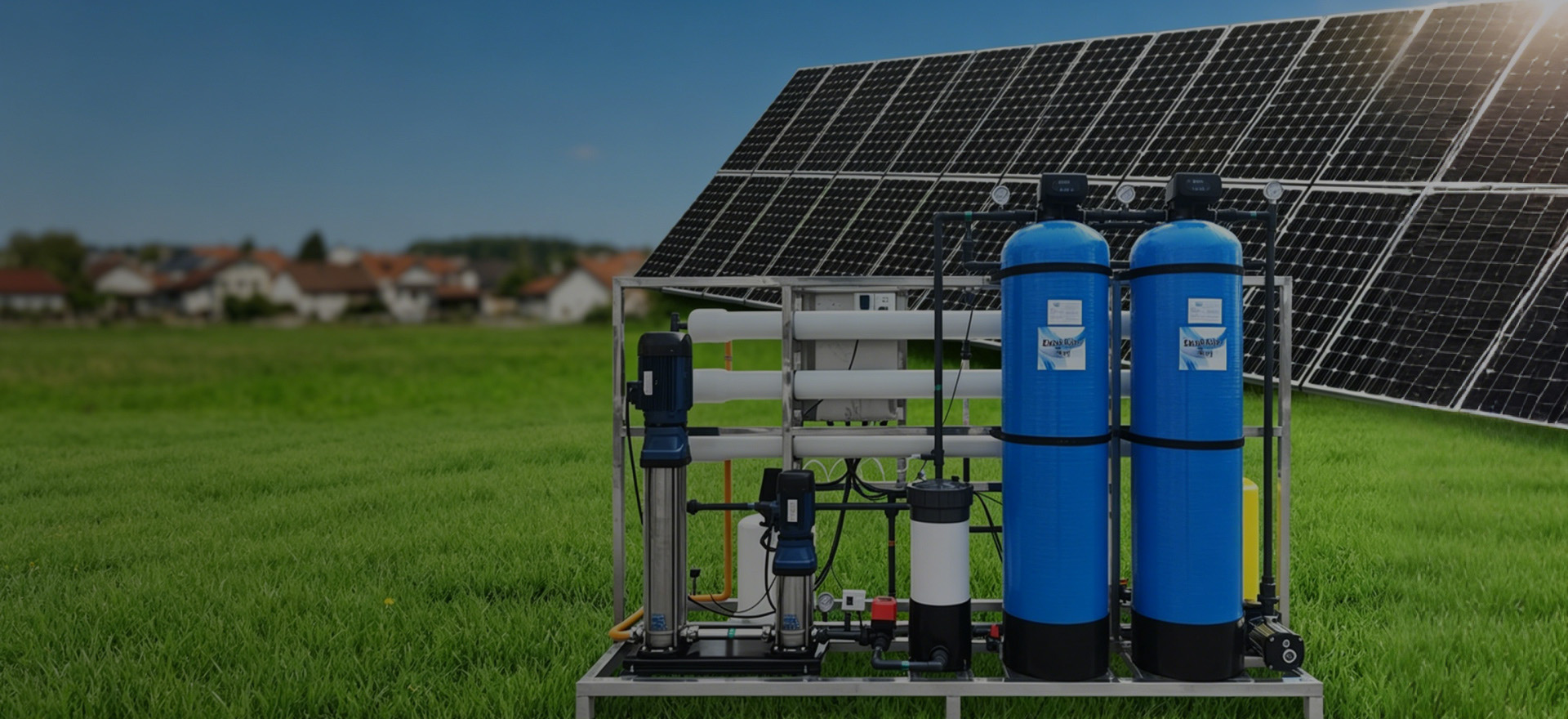
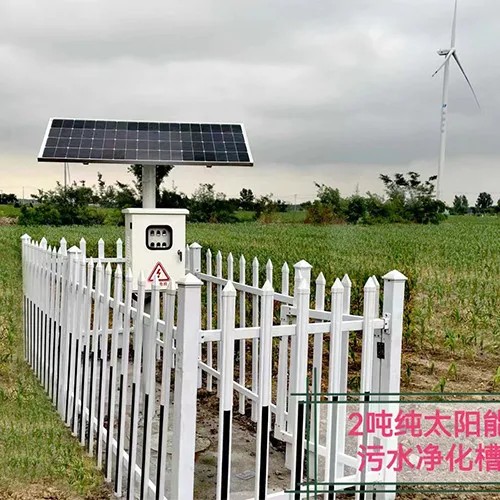
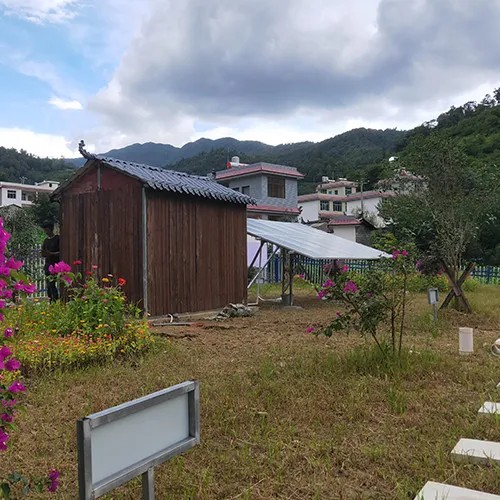
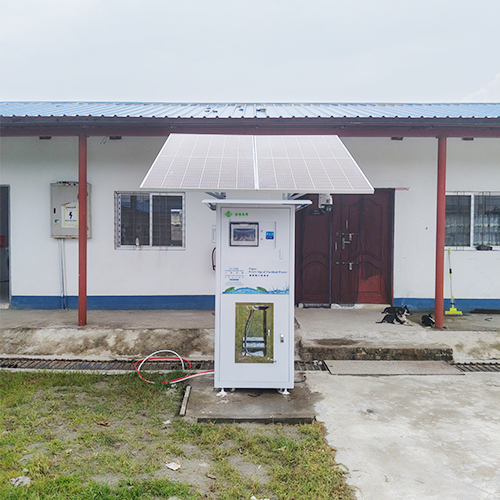
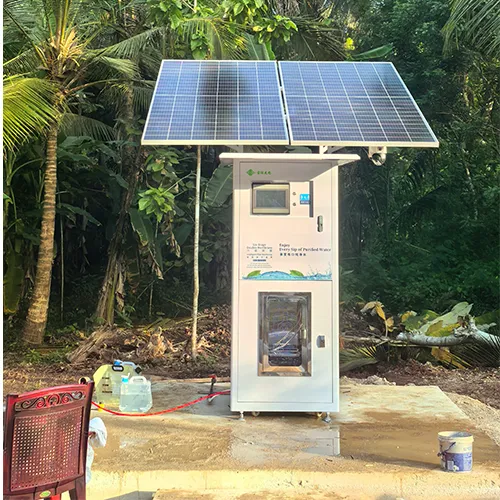
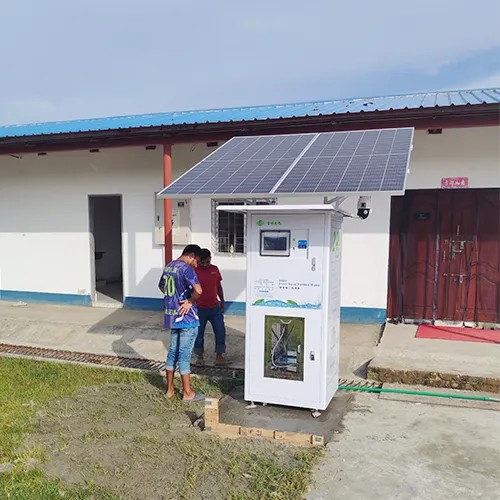
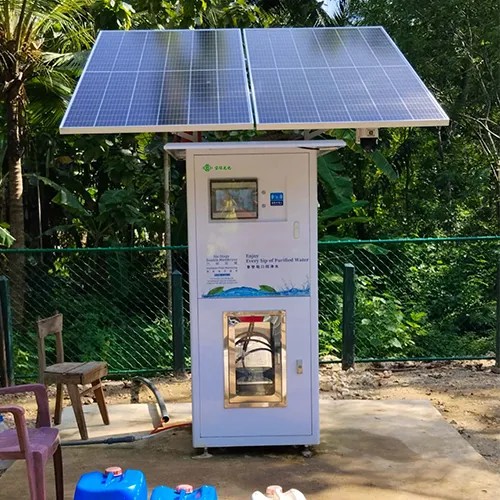
Direct integration with off-grid solar arrays eliminating energy costs and operating completely independently from unreliable power grids in coastal regions.
High-Rejection Brackish & Seawater RO
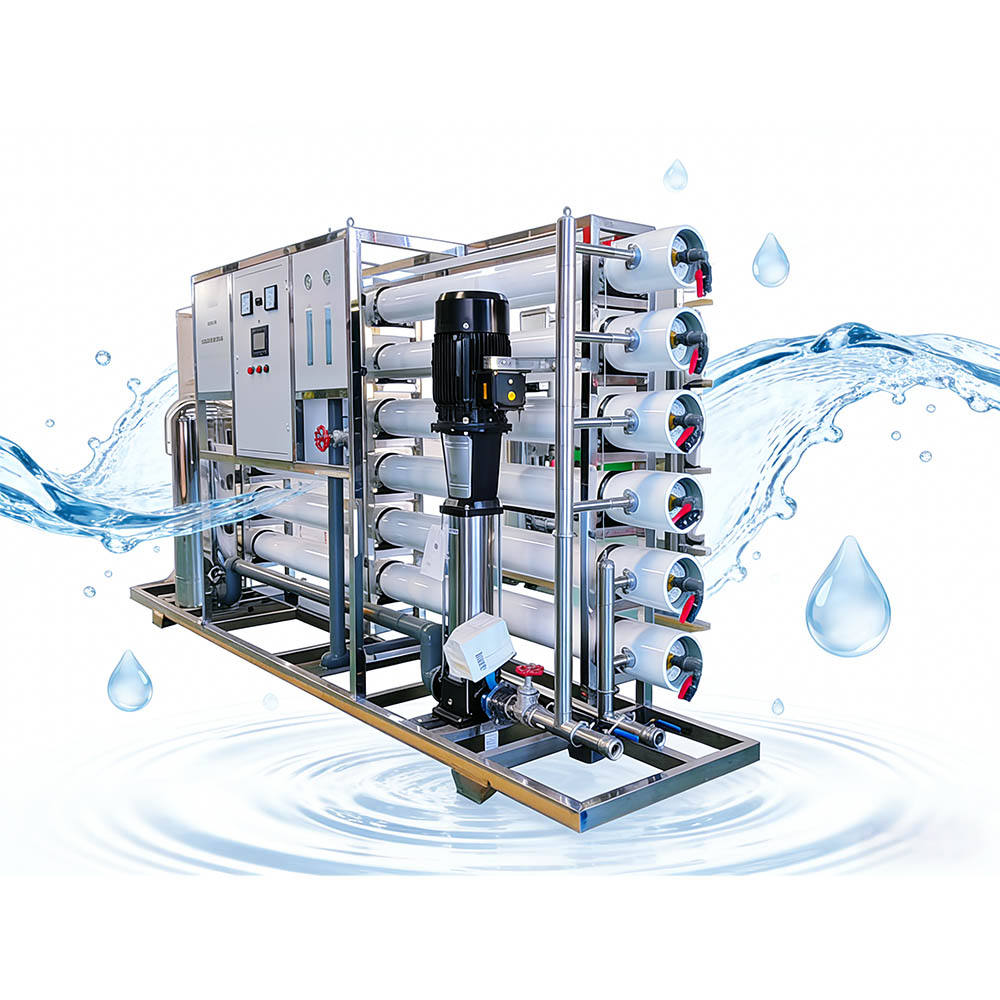
Advanced thin-film polyamide composite membranes delivering over 99.4% monovalent sodium chloride rejection under variable osmotic pressures.
Marine-Grade Anti-Corrosive Architecture
Duplex stainless steel and reinforced polymer construction engineered to resist ambient salt spray, severe oxidation, and biofouling.
Industrial Landscape and Market Evolution
Historically, desalination was restricted to mega-scale municipal thermal distillation or high-pressure seawater reverse osmosis (SWRO) facilities producing tens of thousands of cubic meters daily. However, distributing this water to dispersed coastal dwellings introduces secondary contamination and severe mineral degradation. Modern water security strategies demand modular, localized kitchen water filter systems capable of treating raw feedwater containing TDS levels ranging from brackish groundwater (1,500 to 5,000 ppm) to full maritime seawater (up to 35,000 ppm).
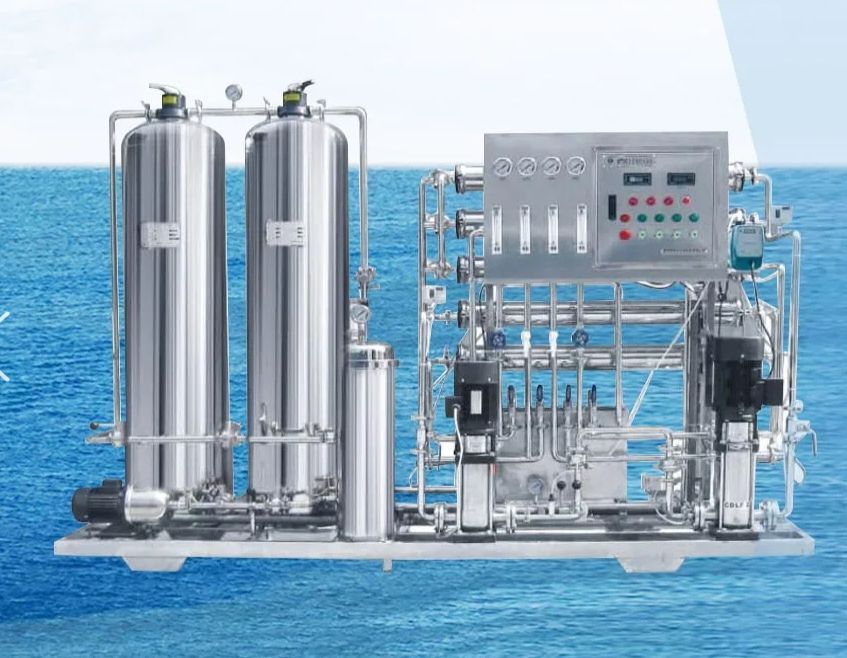
The convergence of high-efficiency energy recovery devices (ERDs), miniature positive-displacement booster pumps, and smart sensor telemetry has made compact under-sink and modular containerized coastal desalination systems commercially viable. These systems provide culinary-grade, mineral-balanced water straight from kitchen taps while mitigating the ecological footprint associated with single-use bottled water transportation in remote archipelagos.
Engineering Depth: Overcoming the Osmotic Barrier in Kitchen Applications
Operating a desalination system within a commercial kitchen, luxury maritime vessel, or residential coastal villa requires addressing strict spatial, acoustical, and energy constraints. The thermodynamic minimum energy required to overcome natural osmotic pressure escalates dramatically with salinity. In a typical kitchen environment, standard municipal RO units designed for 300 ppm feedwater fail rapidly due to membrane scaling, polarization concentration, and insufficient operating pressures.
1. Multi-Stage Pre-Treatment Regimes
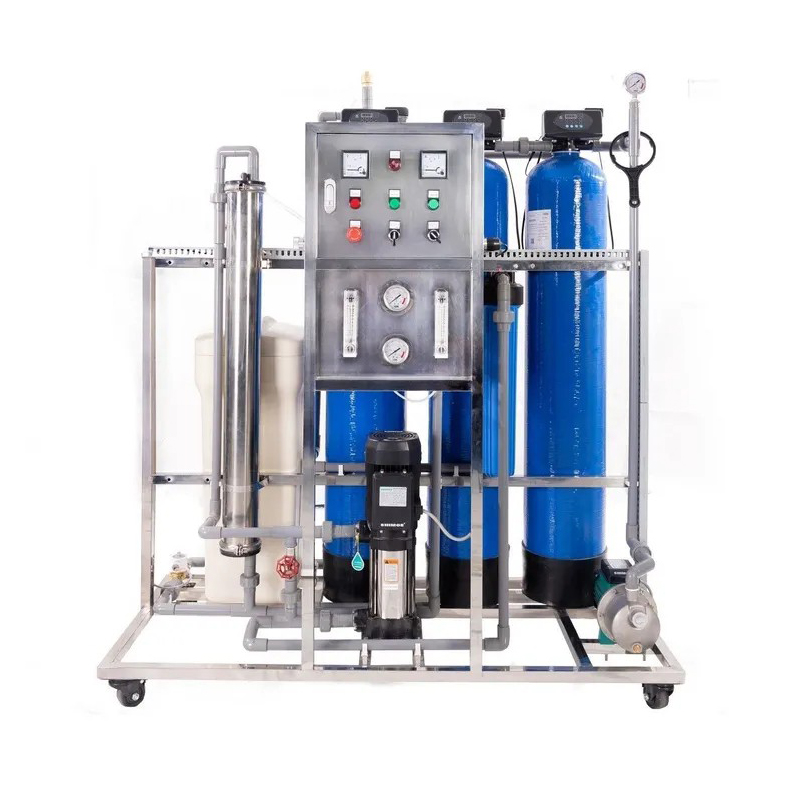
Feedwater in coastal areas often carries heavy loads of silt, colloidal silica, marine micro-organisms, and seasonal algal blooms. Our specialized systems implement automated sediment backwashing, multi-stage catalytic carbon absorption to eliminate chloramines and organic humic acids, and ultrafiltration (UF) polishing barriers (0.01 micron) that prevent premature particulate fouling of the primary spiral-wound RO elements.
2. Intelligent Variable-Frequency Pressure Boosting
To operate seamlessly under low-noise residential conditions, cutting-edge kitchen desalination systems leverage brushless DC variable-speed motors coupled to axial piston pumps. These units dynamically adjust trans-membrane pressure based on real-time TDS input, maintaining constant permeate flux while saving up to 40% of operational energy compared to fixed-speed legacy systems.
3. Post-Desalination Remineralization & pH Stabilization
Pure desalinated water (permeate) is chemically aggressive, highly acidic, and lacking in vital electrolytes. Integrated kitchen systems incorporate controlled alkaline mineralization cartridges comprising natural calcified maifan stone and food-grade magnesium minerals, restoring the water to an optimal physiological pH of 7.5 to 8.5 and enhancing taste profile for high-end culinary and beverage preparation.
Key Commercial and Industrial Application Scenarios
The operational versatility of decentralized solar-assisted desalination machinery spans multiple critical sectors across global maritime belts:
- Off-Grid Eco-Resorts & Island Hospitality: Luxury bungalows and overwater villas require decentralized kitchen filtration systems providing continuous drinking and cooking water without noisy diesel generators.
- Commercial Fishing Fleets & Maritime Workboats: Compact onboard systems convert seawater into potable kitchen water, extending mission range and reducing onboard deadweight.
- Coastal Agriculture & Hydroponics Facilities: Targeted desalination blends high-purity permeate with controlled nutrient recipes, protecting salt-sensitive crops from saline groundwater degradation.
- Disaster Relief & Remote Coastal Infrastructure: Autonomous solar container units instantly deployable to flood-hit or tsunami-impacted coastal villages to deliver life-saving hydration.