Osmosis Water Filter Systems for Off-Grid Living: A Comprehensive Guide to Decentralized Filtration
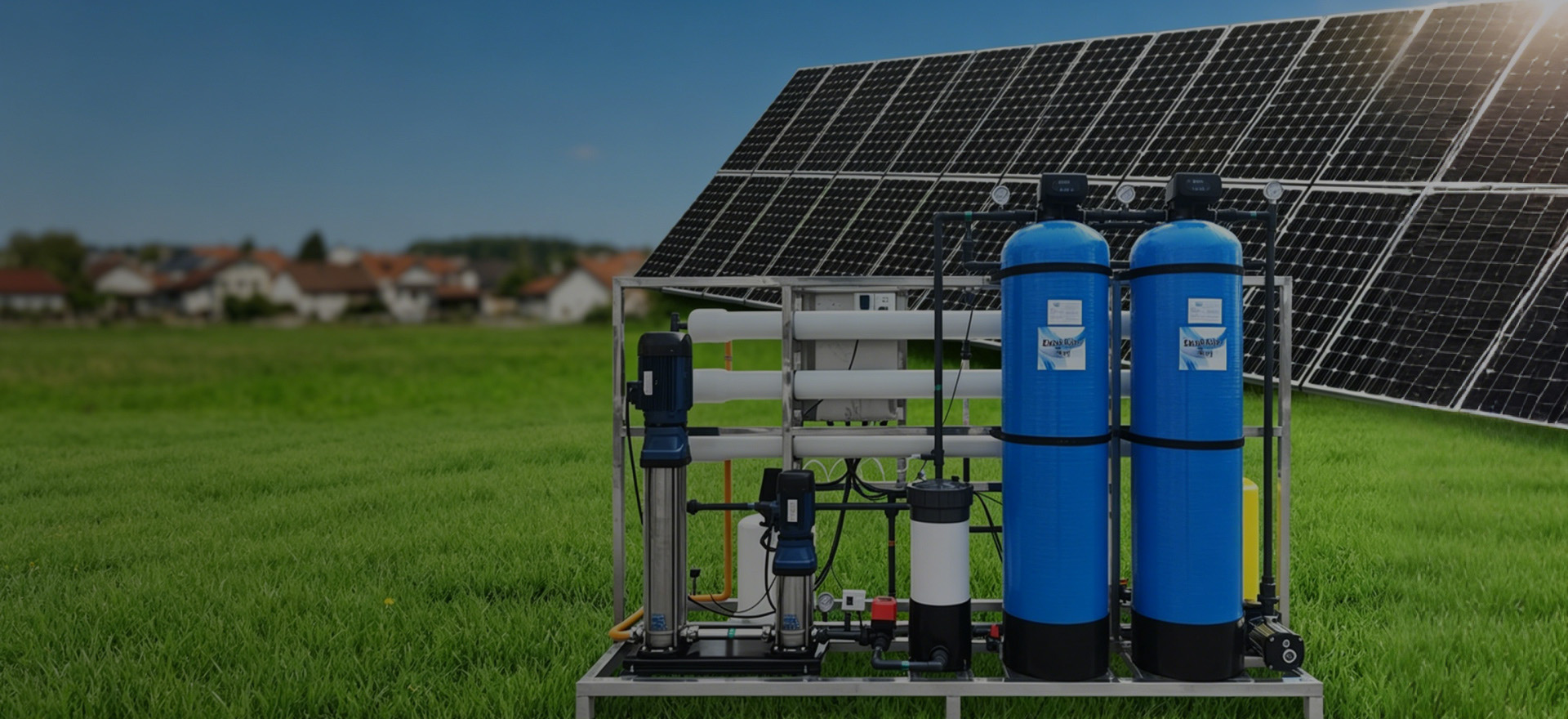
As global environmental challenges, water scarcity, and the desire for self-sufficiency increase, off-grid living has evolved from a niche lifestyle into a robust commercial and residential movement. Central to the success of any off-grid project—whether a remote homestead, an eco-tourism resort, or an agricultural venture—is securing a reliable, safe source of drinking water. Traditional water filtration systems often rely heavily on grid electricity and stable water pressure. However, the integration of Reverse Osmosis (RO) systems with solar power technologies has revolutionized off-grid water management, making pure water accessible in the most remote corners of the globe.
💡
Energy Independence
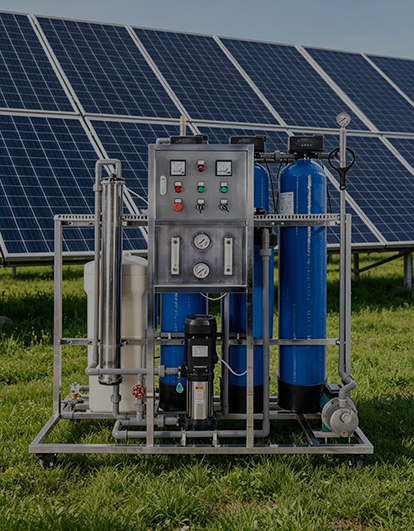
By pairing solar photovoltaic arrays directly with high-pressure RO pumps, systems operate with zero carbon footprint and zero utility bills.
🛡️
Ultra-Pure Filtration
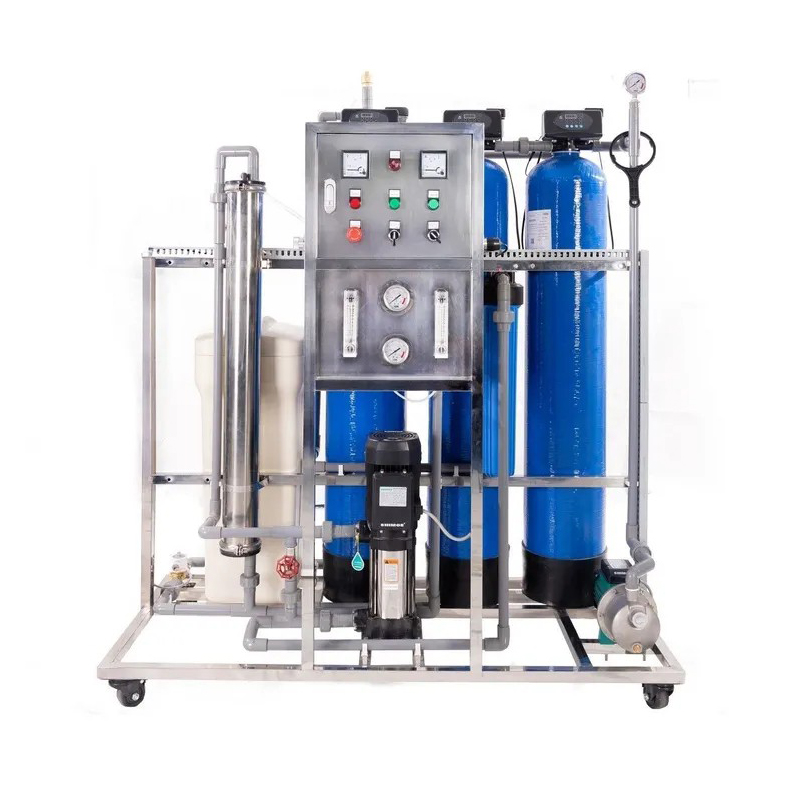
Reverse osmosis membranes remove up to 99.9% of contaminants, including heavy metals, pathogens, dissolved solids (TDS), and microplastics.
⚙️
Rugged & Modular
Engineered for deployment in harsh environments, these units feature plug-and-play modules that scale according to water demands.
The Commercial & Industrial Landscape of Off-Grid Water Purification
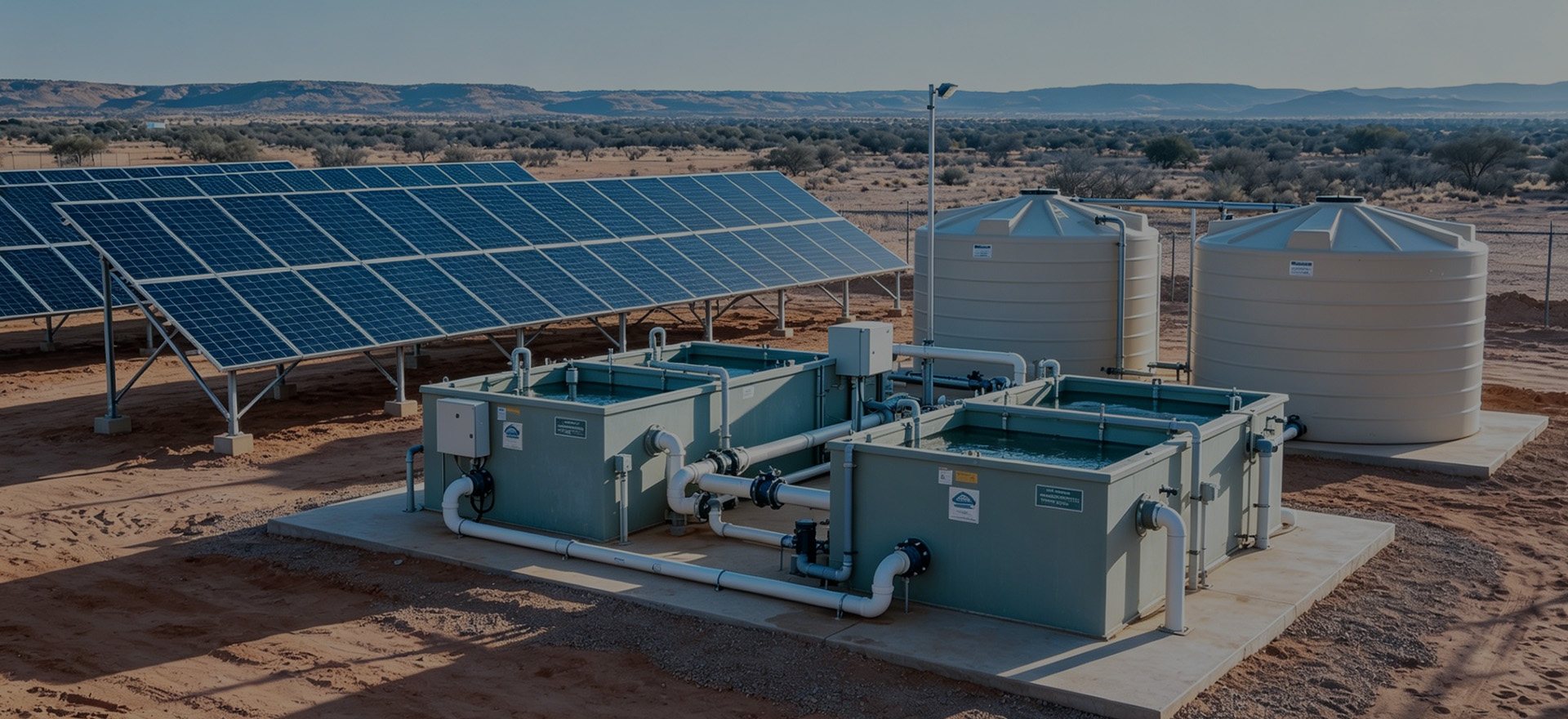
From an industrial perspective, the market for off-grid water purification systems is experiencing exponential growth. Historically, remote communities and industrial outposts relied on diesel generators to power water treatment plants. This model is not only carbon-intensive but also introduces high logistical costs and risks associated with fuel transport. Today, the industrial trend is shifting decisively toward Solar-Driven PV-RO (Photovoltaic Reverse Osmosis) plants.
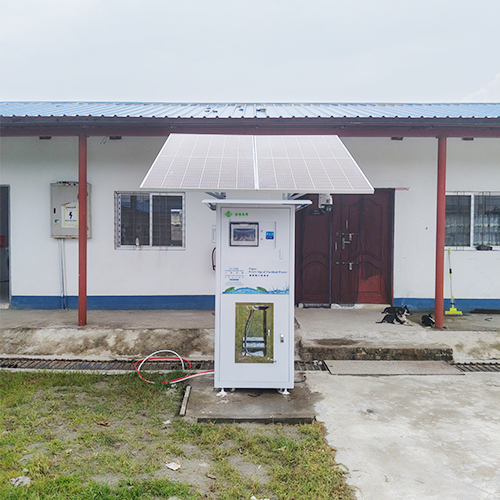
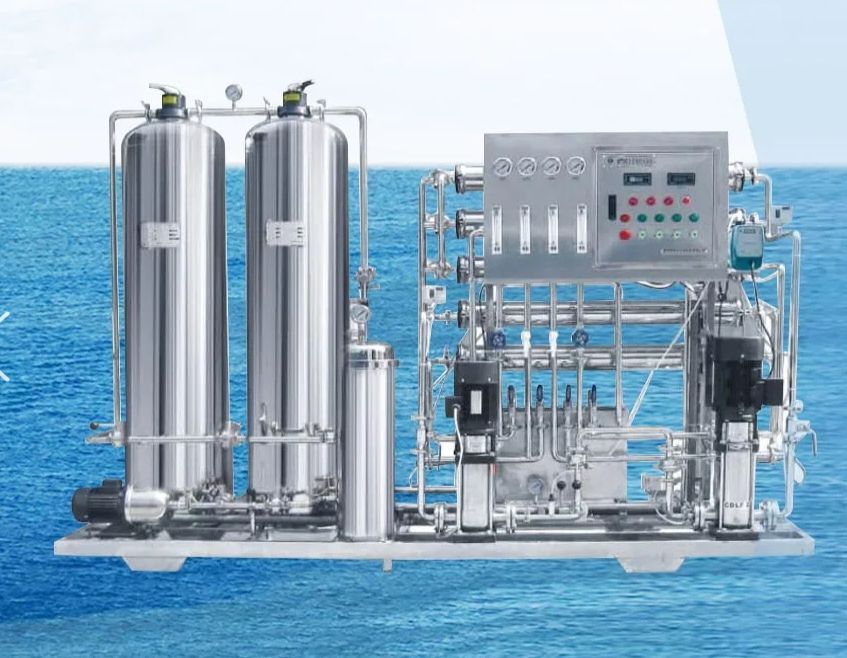
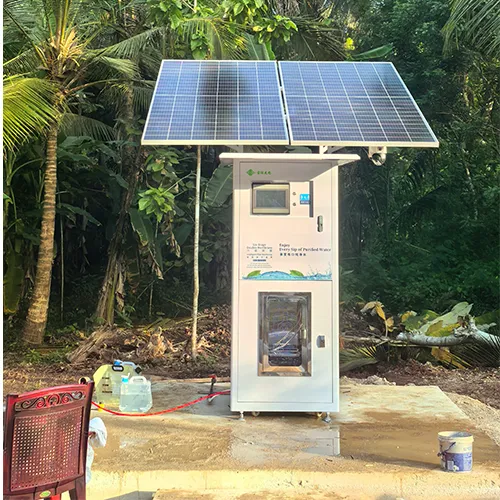
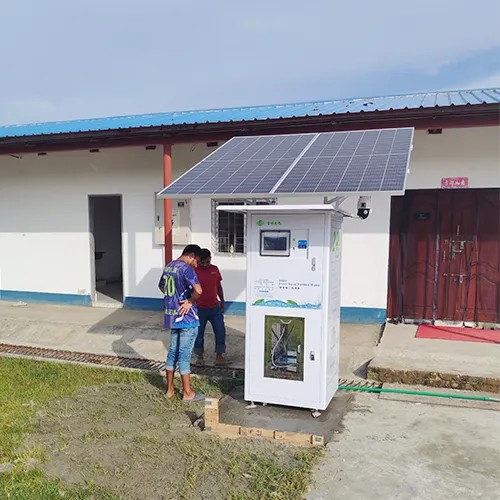
Manufacturers like Anhui Baolv (ABG) Photoelectric Environmental Protection Equipment Co., Ltd. are leading this charge by integrating high-efficiency solar panels with advanced, low-energy membrane filtration. These industrial-grade systems are capable of processing brackish ground water, surface water, and even seawater into certified potable water. The commercial viability of these systems is backed by a rapid return on investment (ROI), as they eliminate ongoing energy costs and dramatically reduce maintenance overheads through automated cleaning cycles and remote monitoring IoT integrations.
Technological Evolution & Future Development Trends
The engineering behind off-grid reverse osmosis has advanced significantly to overcome the primary bottleneck of RO systems: high energy consumption. Modern development trends focus on several key areas:
-
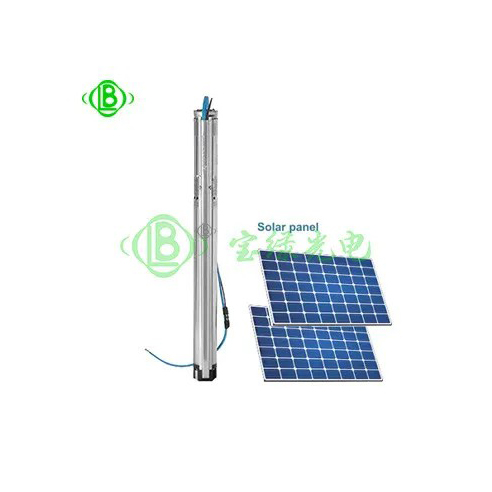
Direct-Drive Solar Pumping: Eliminating heavy, high-maintenance battery banks, contemporary systems use variable frequency drives (VFD) to match pump speed directly with the real-time solar intensity. This maximizes water production during peak sunlight hours.
-
Energy Recovery Devices (ERDs): In larger systems, ERDs capture pressure from the concentrate (waste) stream and recycle it to assist the feed pump, reducing overall energy consumption by up to 50%.
-
Smart Membrane Materials: Nanofiltration and low-pressure RO membranes are being developed to operate at lower pressures while maintaining high rejection rates, further reducing the solar array size required.
-
Automated Anti-Scaling & Backwashing: Off-grid systems must operate autonomously. Intelligent PLC control systems manage automatic flushing sequences to prevent membrane scaling and bio-fouling, ensuring system longevity without constant human intervention.
In-Depth Application Scenarios
The versatility of solar-powered osmosis systems allows them to be deployed in diverse, high-stakes application scenarios:
1. Decentralized Off-Grid Communities & Homesteads
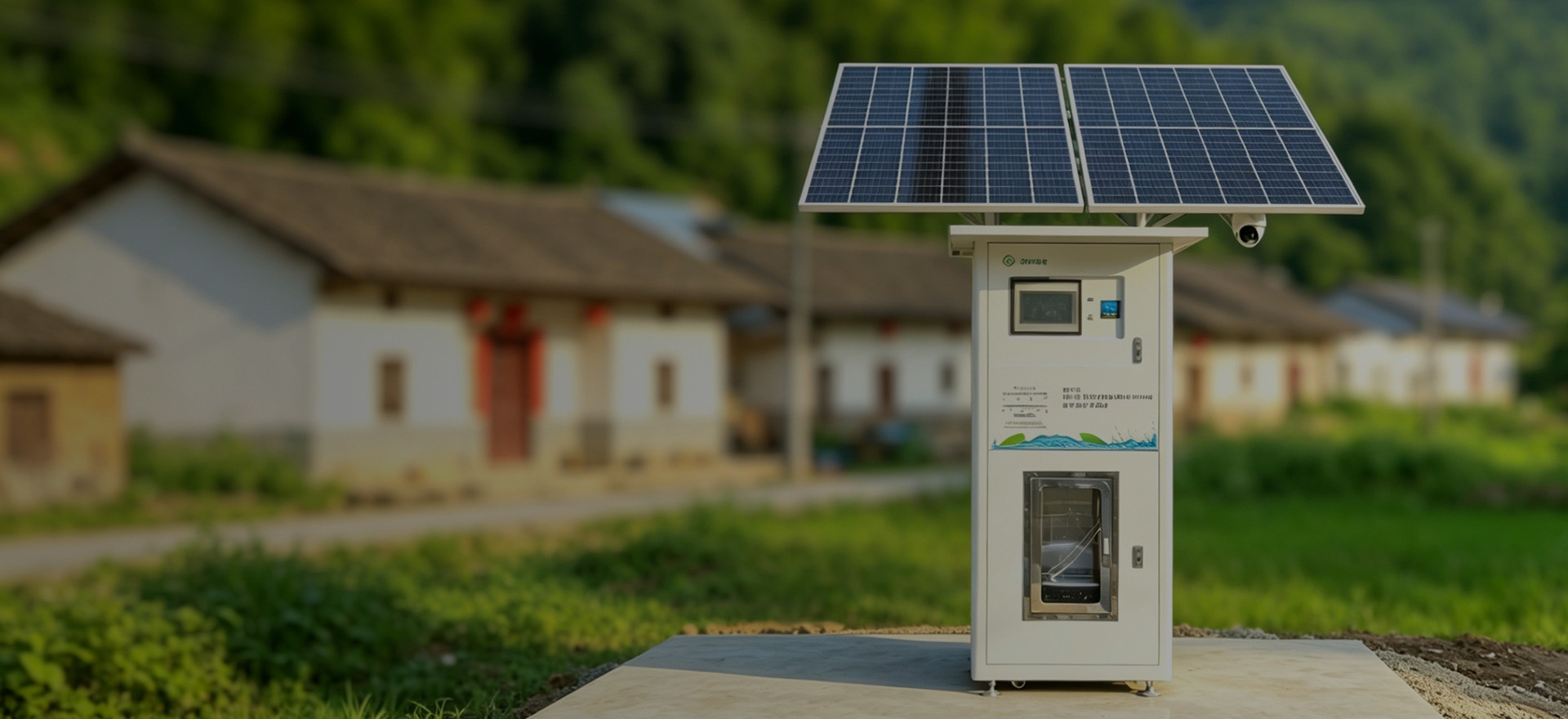
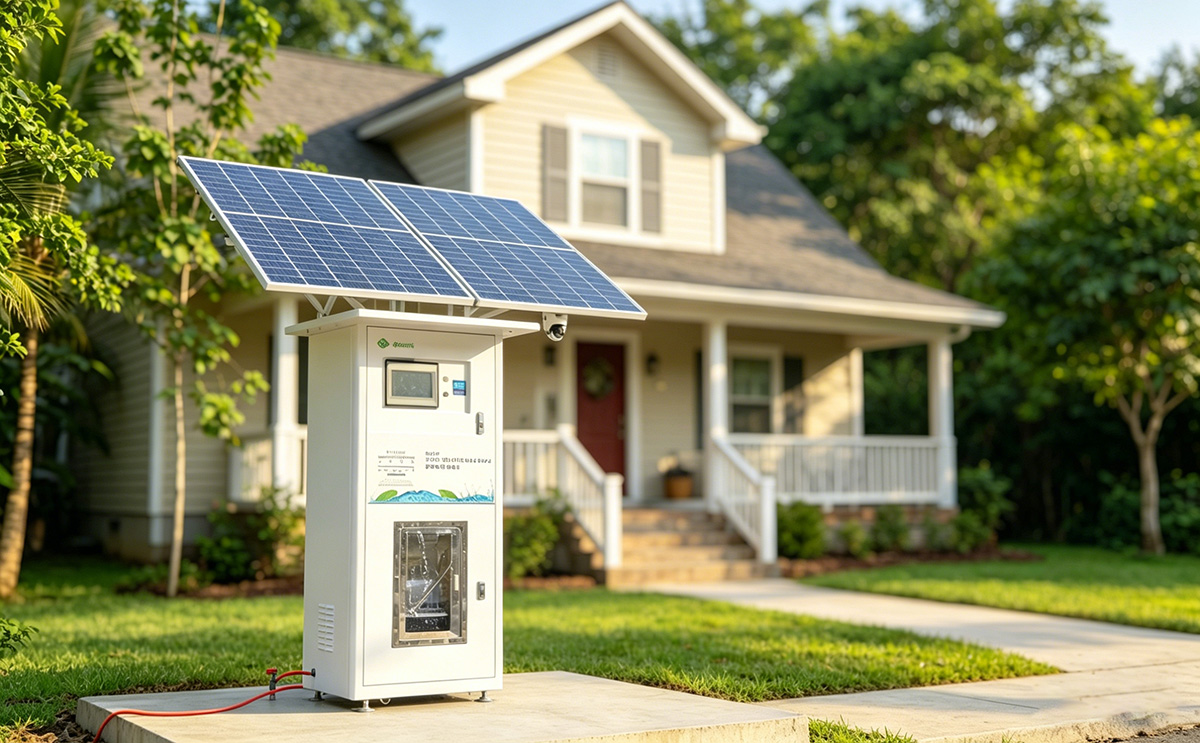
For remote residential developments and eco-villages, grid connection is often financially prohibitive. An off-grid osmosis system acts as the heart of a community water loop, purifying local well water or harvested rainwater. By implementing a centralized solar RO station, residents gain access to municipal-grade drinking water without relying on external infrastructure.
2. Zero-Carbon Eco-Tourism & Remote Resorts
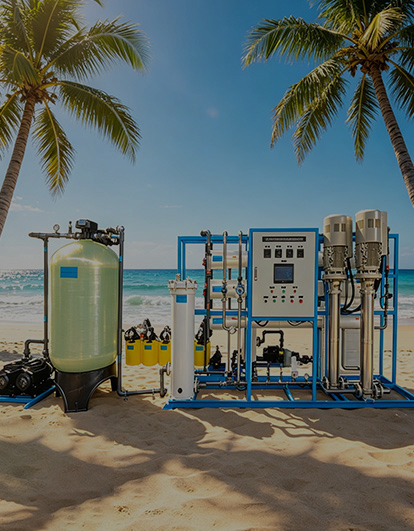
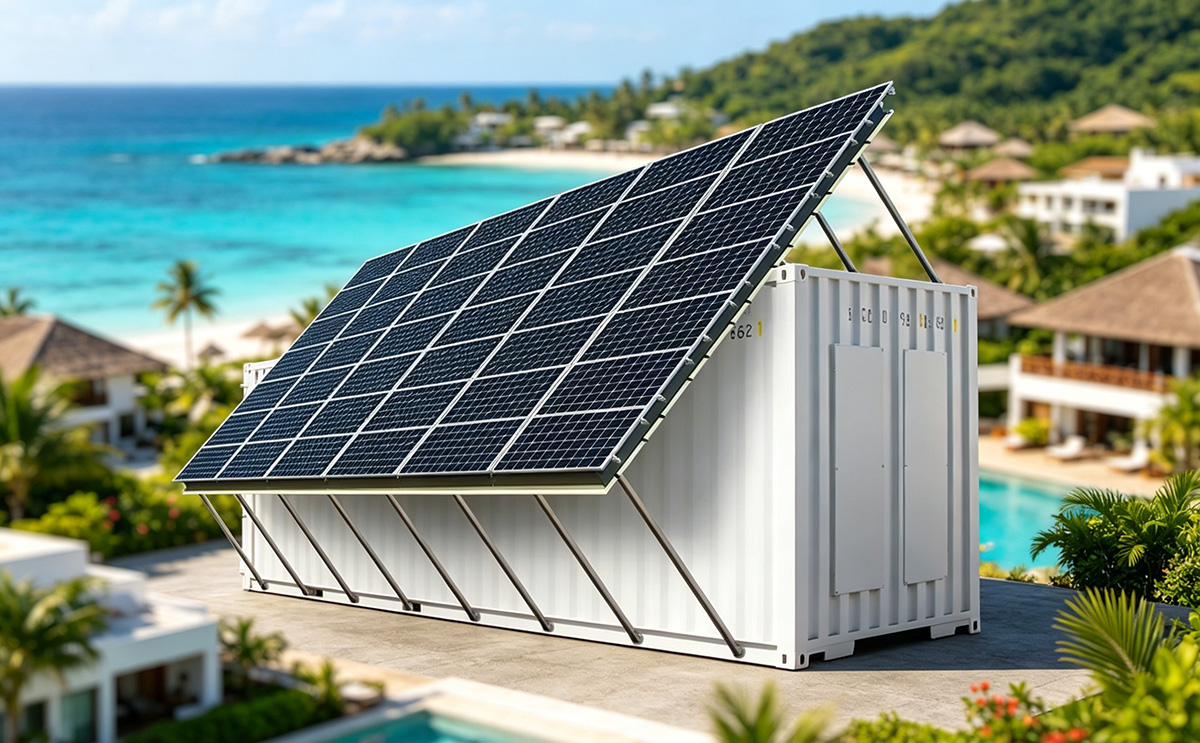
Luxury eco-resorts located on islands or in pristine nature reserves must maintain a minimal ecological footprint. Traditional diesel-powered water systems conflict with the core values of eco-tourism. Solar-powered seawater desalination units and RO plants allow these establishments to self-produce pure drinking water and treat greywater for landscape irrigation, all powered silently by the sun.
3. Smart Agricultural Irrigation
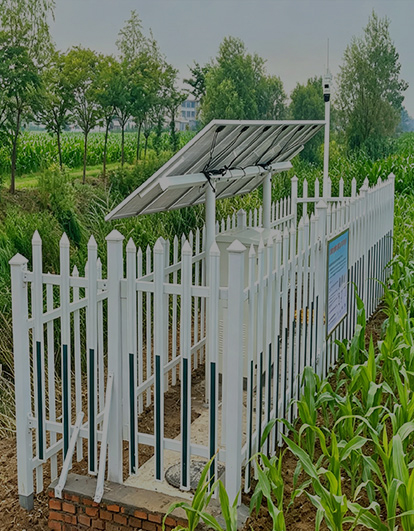
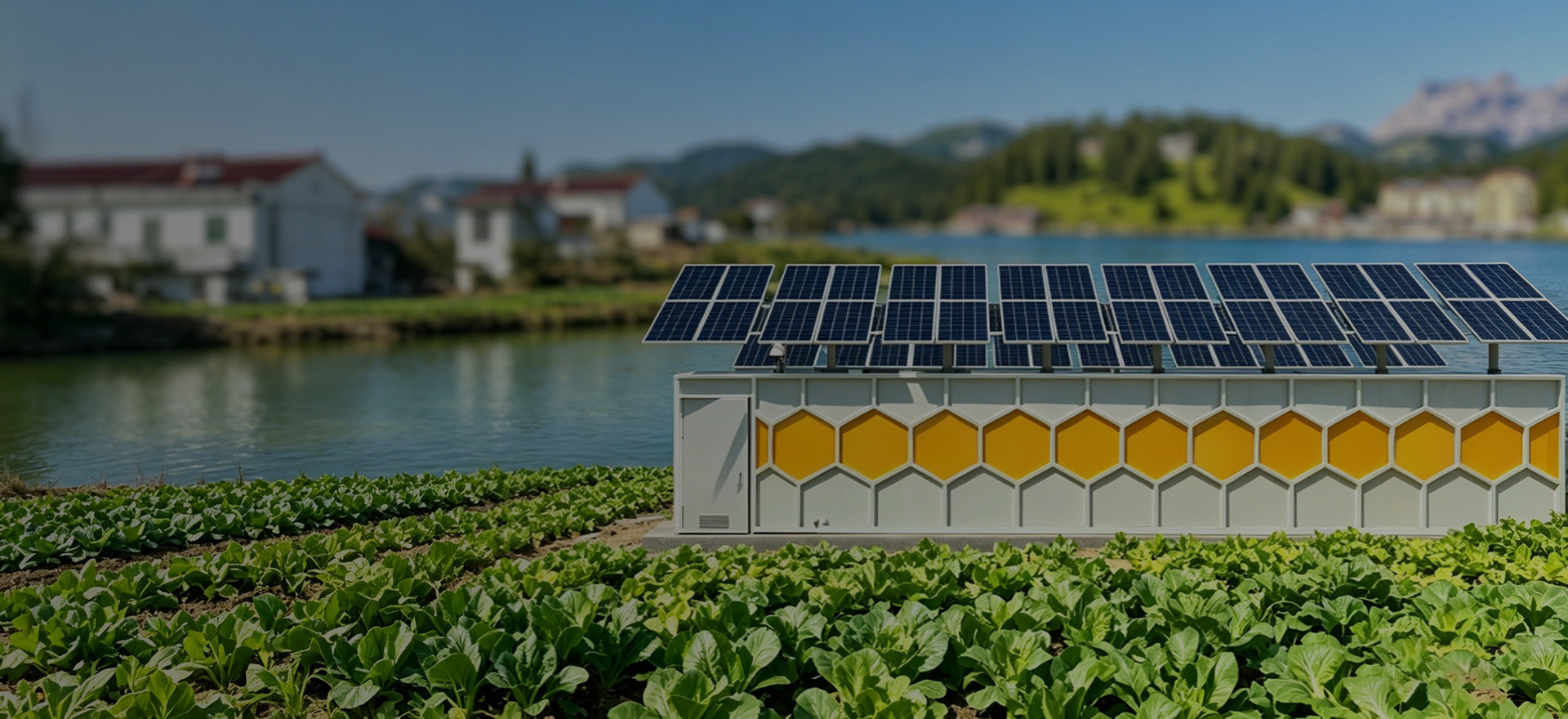
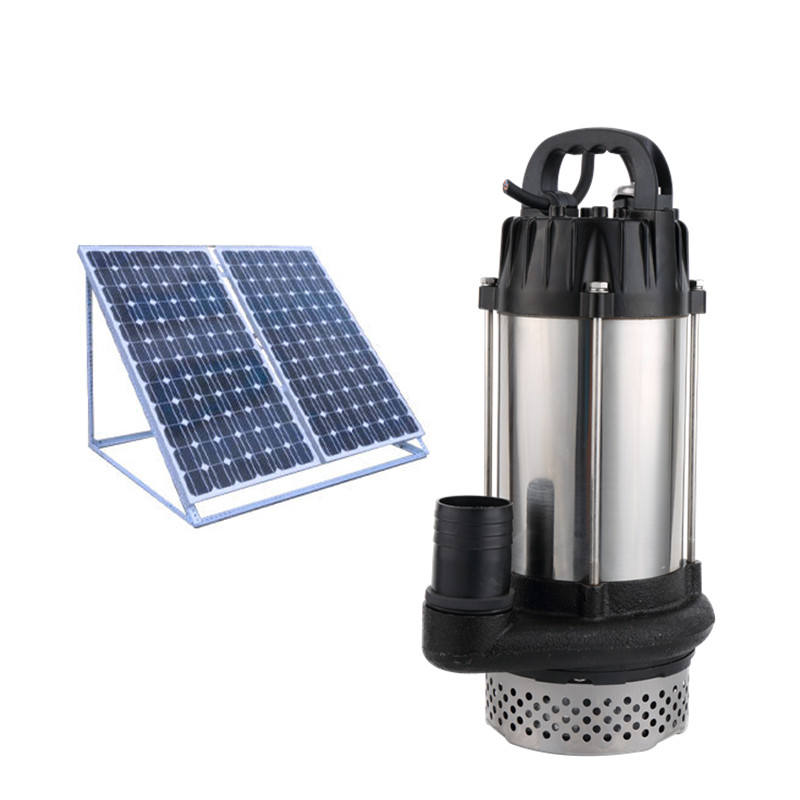
High-salinity soil and water can ruin agricultural yields. Solar submersible pumps coupled with brackish water RO units enable farmers to reclaim marginal land by purifying saline well water. This clean permeate is then used for precise drip irrigation, protecting soil structure and boosting crop productivity sustainably.
4. Disaster Relief & Emergency Humanitarian Missions
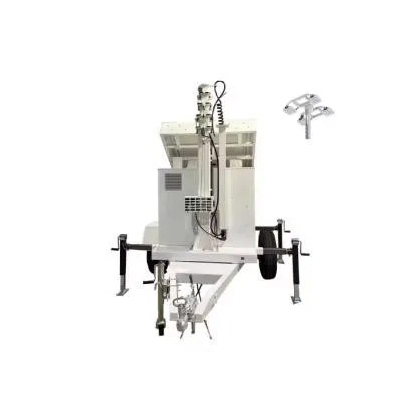
When natural disasters strike, municipal water infrastructure is often the first to fail. Portable solar water purifiers (such as the Model BLCT-G050) can be deployed rapidly via helicopters or light vehicles. These self-contained units immediately begin producing drinking water from contaminated surface sources, saving lives in the critical hours following a crisis.