Sustainable Water Management: The Power of Rainwater Purification Systems on Agricultural Farms
In the era of climate change, volatile weather patterns, and depleting groundwater reserves, water security has emerged as the single greatest bottleneck to global agricultural productivity. Agricultural farms utilize approximately 70% of the world's freshwater withdrawals. With growing populations and escalating food demands, traditional methods of drawing water from deep wells or relying entirely on municipal grids are proving to be commercially unviable and ecologically unsustainable. This is where a highly engineered Rainwater Purification System For Agricultural Farms changes the paradigm.
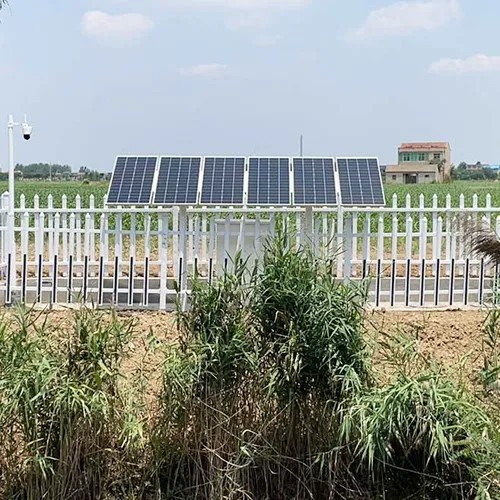
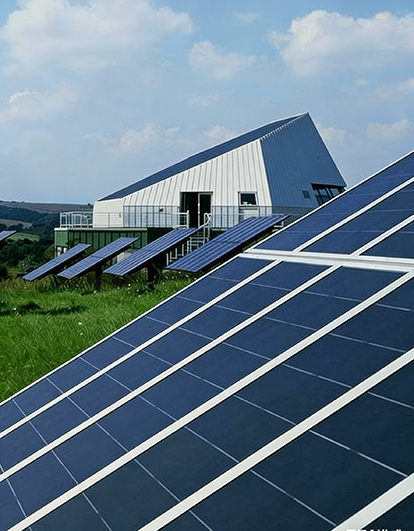
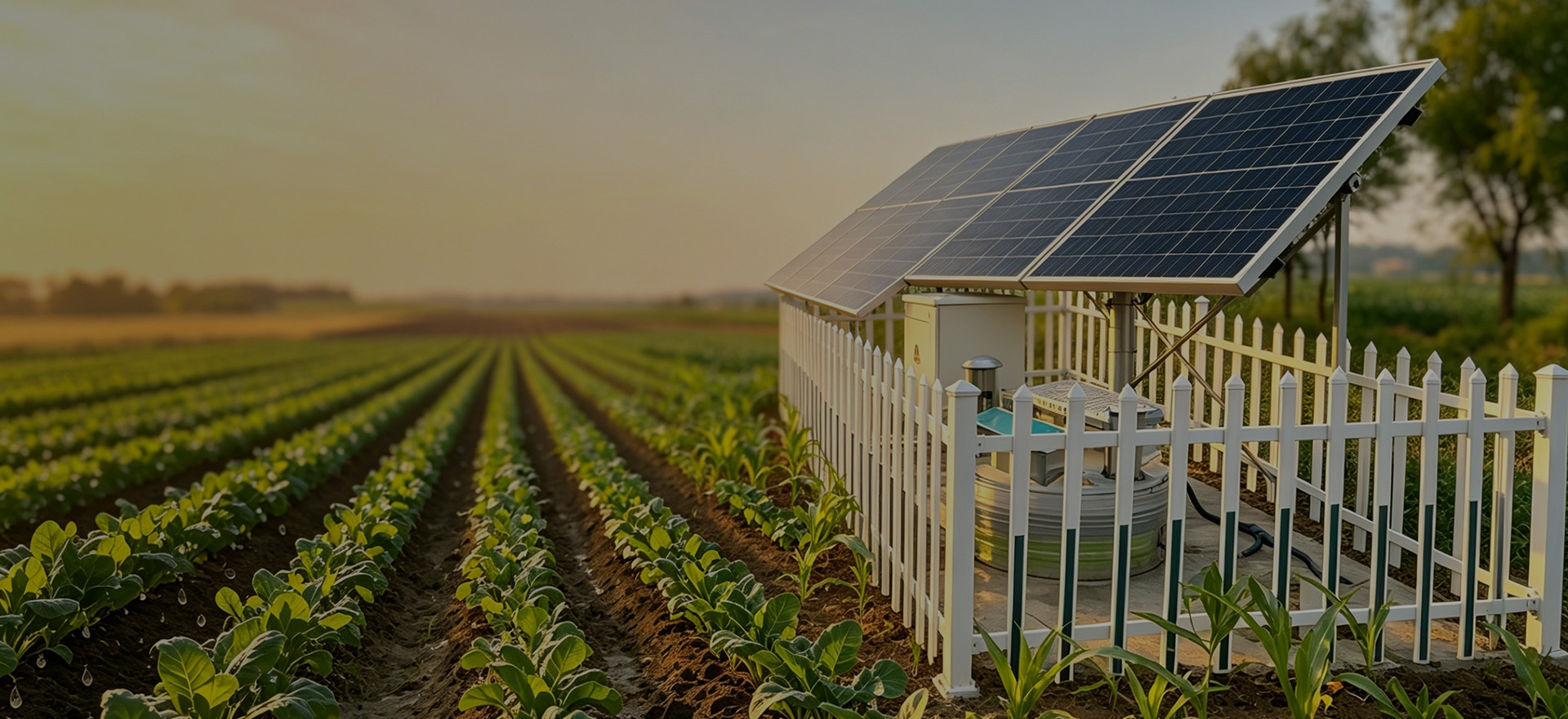
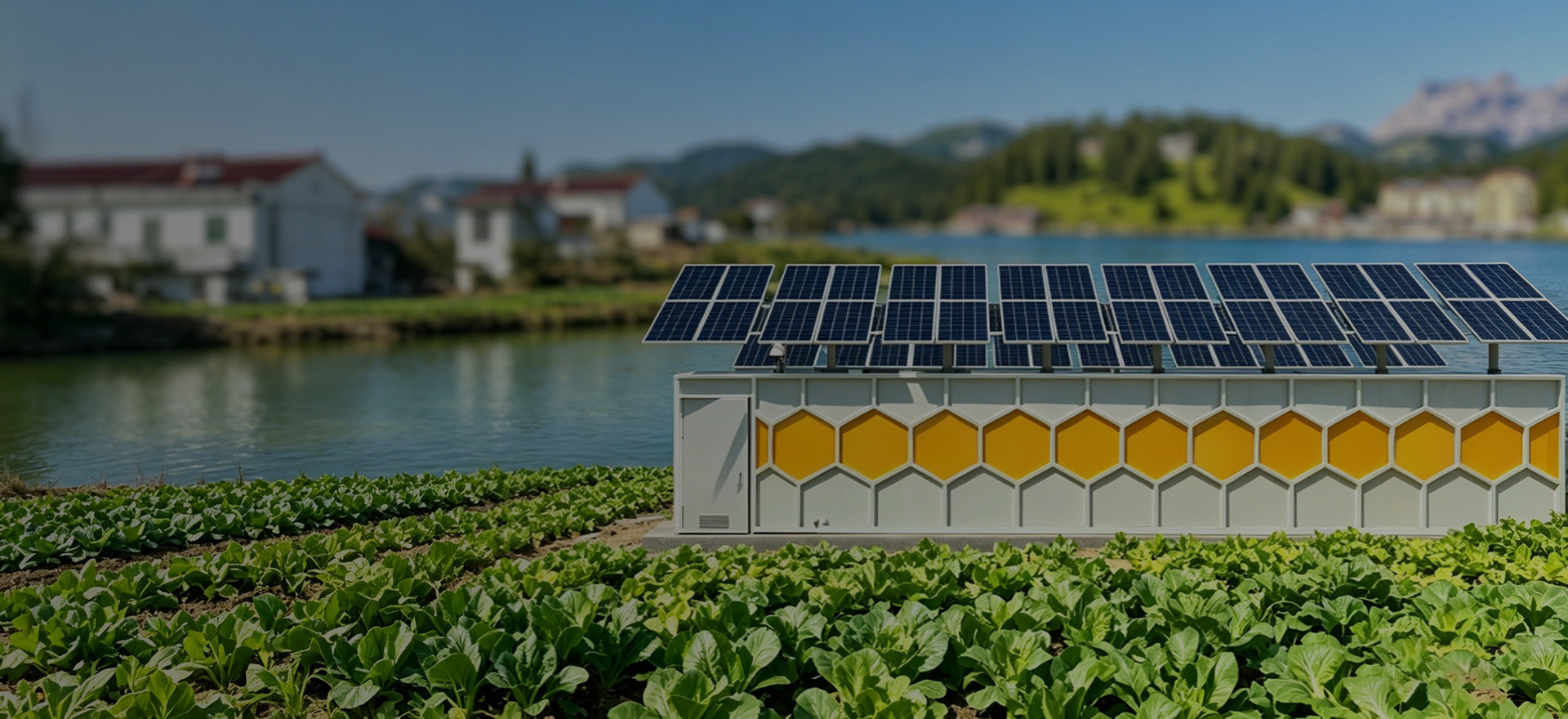
Rainwater harvesting paired with state-of-the-art filtration and purification technologies provides an abundant, localized, and chemical-free source of water. By capturing precipitation and processing it to meet specific agricultural standards, modern farms can achieve complete water independence, mitigate the risks of drought, and dramatically reduce operational overheads. When integrated with solar energy, these systems present a zero-carbon, zero-operating-cost framework that aligns perfectly with global ESG goals and the demands of precision agriculture.
The Industrial and Commercial Landscape of Agricultural Water
1. Over-reliance on Depleting Aquifers
For decades, commercial farming has relied on subterranean aquifers. However, groundwater levels worldwide are falling at alarming rates. Deep-well pumping is not only energy-intensive but also yields water with increasingly high concentrations of dissolved minerals, heavy metals, and salts. Over time, irrigating crops with highly mineralized or saline groundwater degrades soil structure, causes soil compaction, and stunts plant growth. A rainwater purification system offers a soft, low-salinity alternative that preserves soil health and boosts yield quality.
2. Escalating Energy Costs and Grid Outages
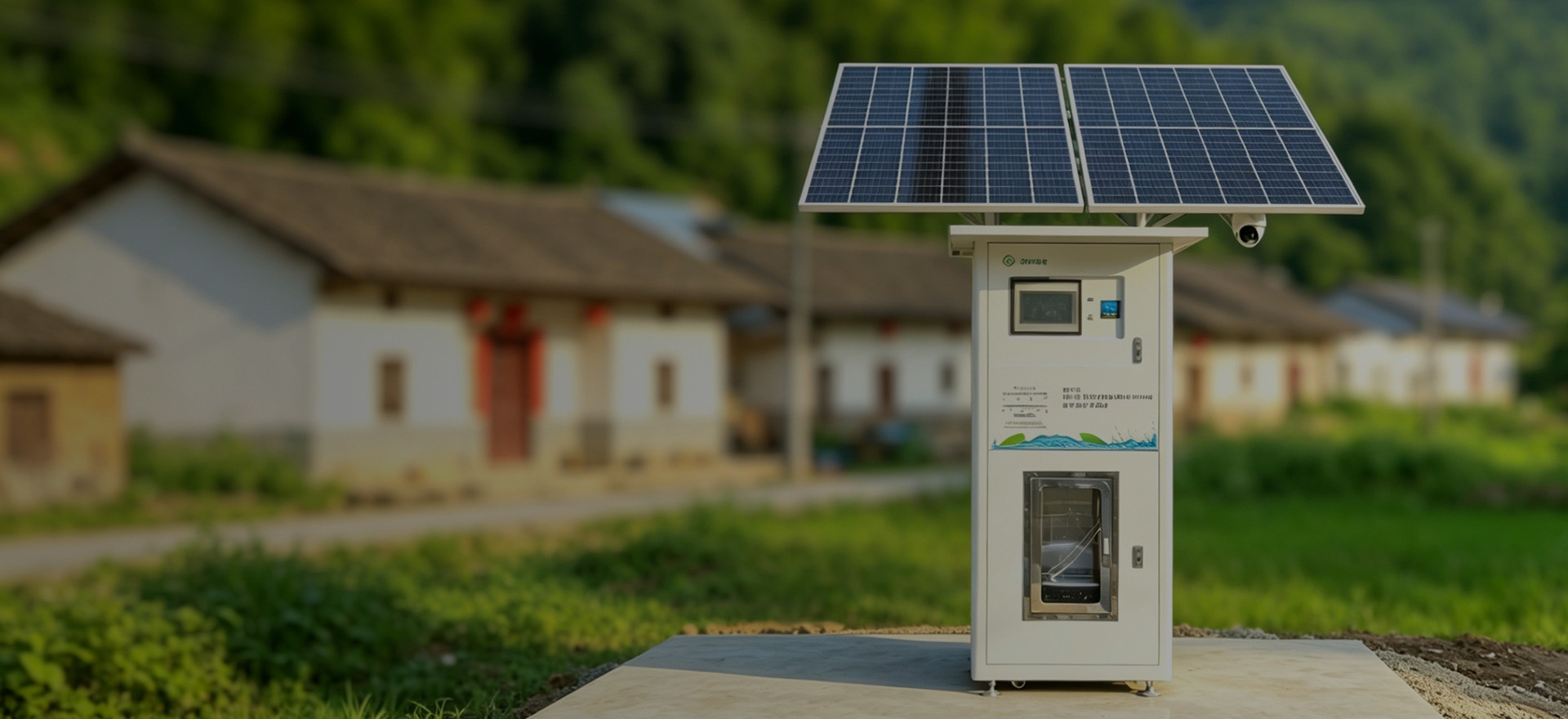
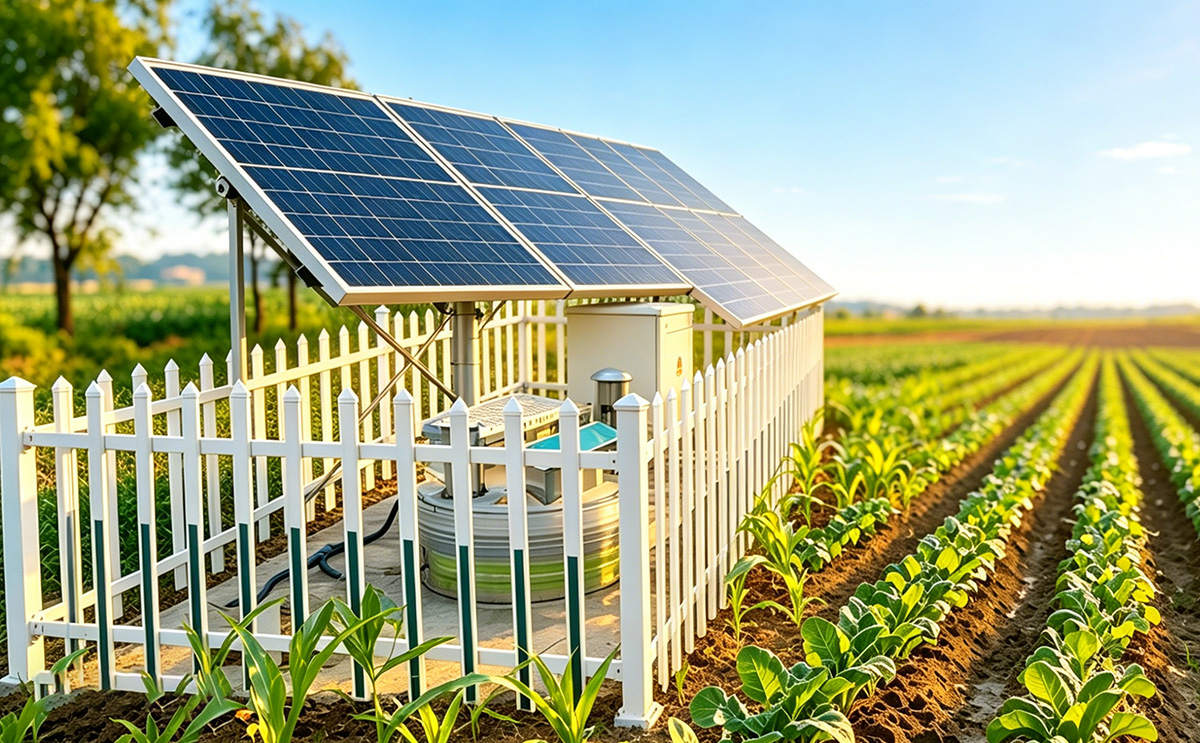
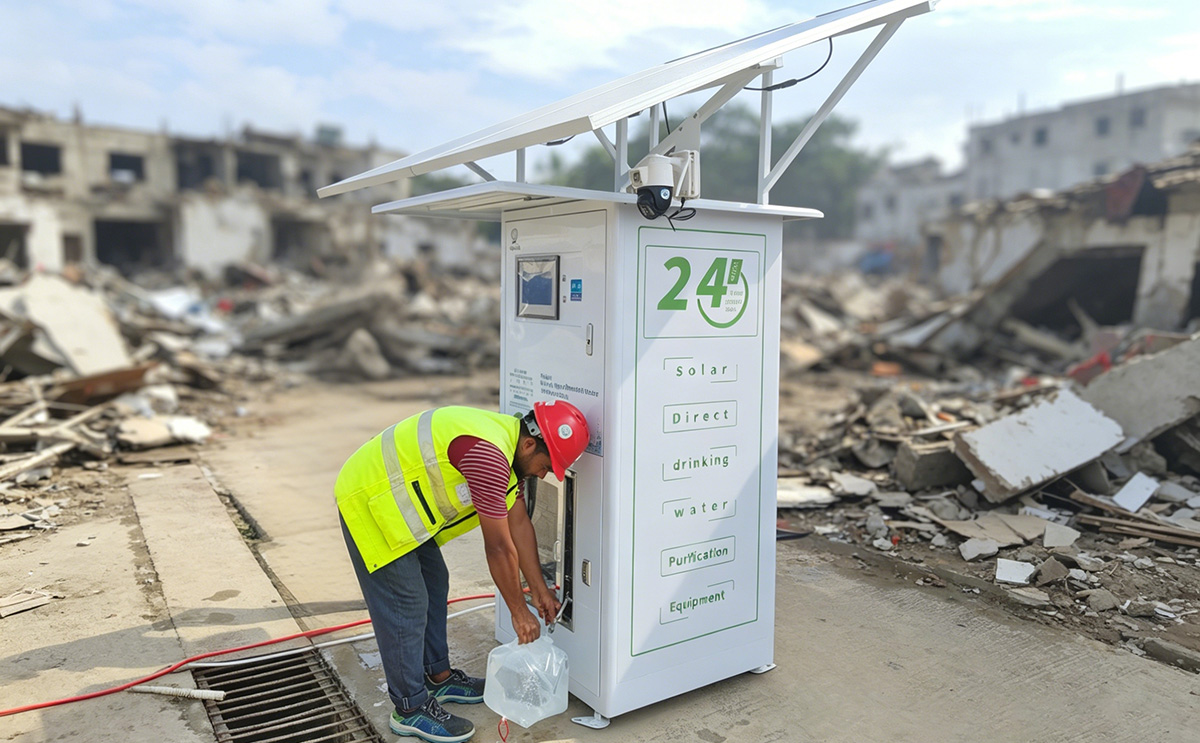
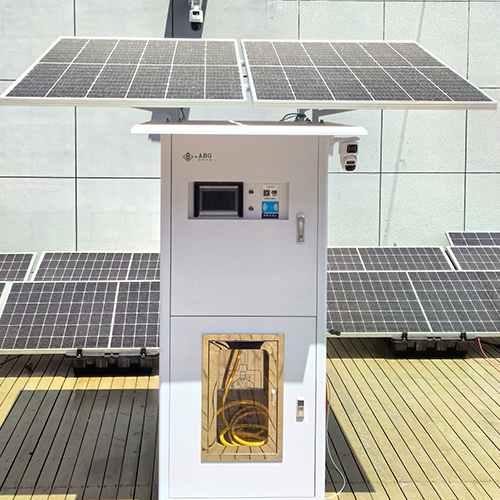
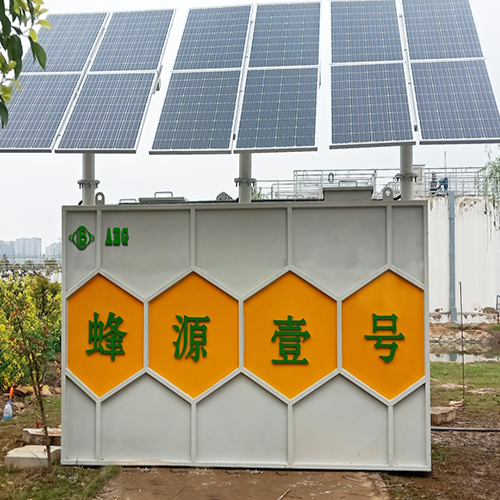
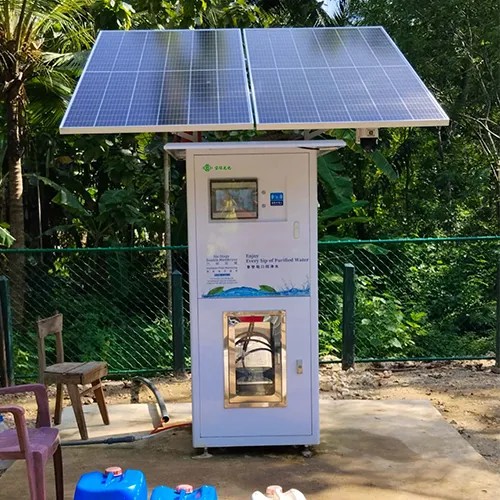
Water distribution requires significant electrical power. In remote agricultural regions, grid power is either unreliable or expensive. Running diesel generators to power high-pressure irrigation pumps and heavy filtration machinery adds a massive recurring expense to farm ledgers. The modern commercial trend is moving decisively toward integrated solar-powered water purification and pumping systems. By decoupling water treatment from the utility grid, farmers insulate their operations from energy price spikes and power outages.
3. Strict Environmental Regulations and ESG Compliance
Governments worldwide are implementing strict controls on agricultural runoff and water extraction. Farms that deplete local water bodies face heavy penalties and restricted allocations. Implementing an on-site rainwater collection and purification loop demonstrates proactive environmental stewardship. It allows farms to meet stringent environmental standards, secure green certifications, and command premium prices for their sustainably grown produce in consumer markets.
Key Insight: The True Value of Clean Rainwater
Unlike groundwater, which often carries high concentrations of calcium, magnesium, and sodium, raw rainwater is naturally soft and devoid of harsh chemicals. When filtered to remove atmospheric pollutants and biological pathogens, it serves as the ultimate "blank canvas" for nutrient mixing in hydroponics and greenhouse farming, leading to up to 20-30% more efficient fertilizer uptake by crops.
Deep-Dive into Advanced Rainwater Purification Technologies
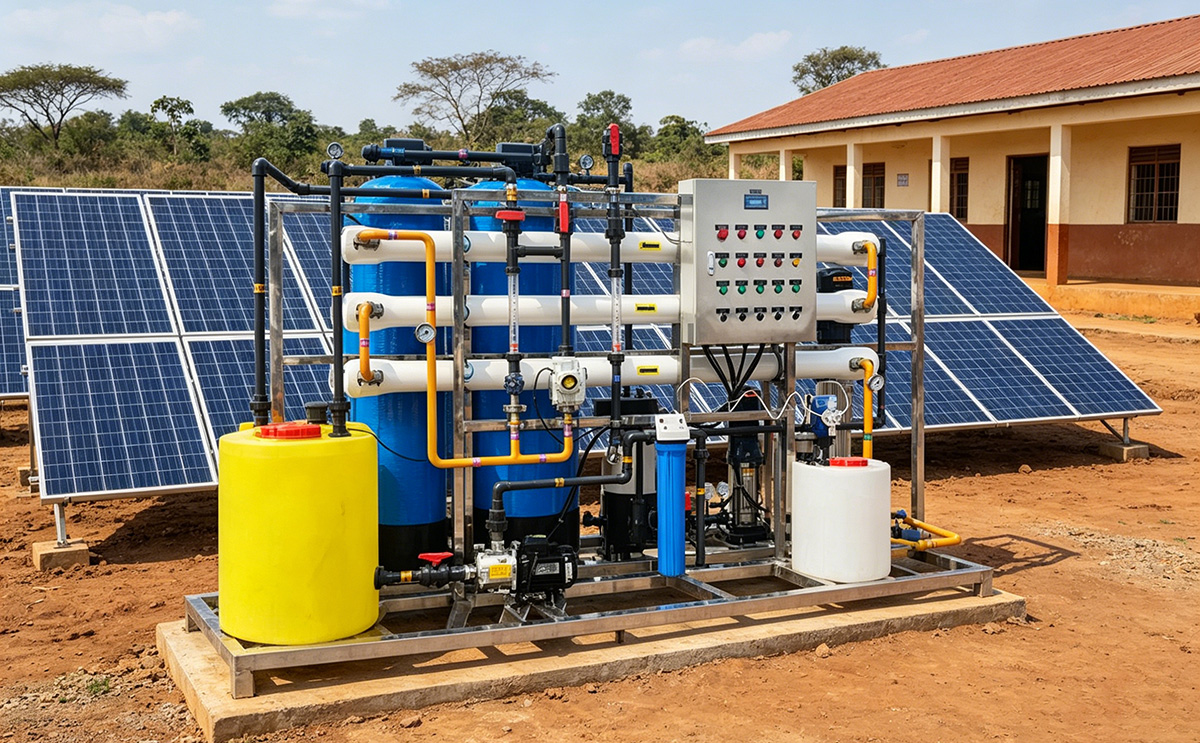
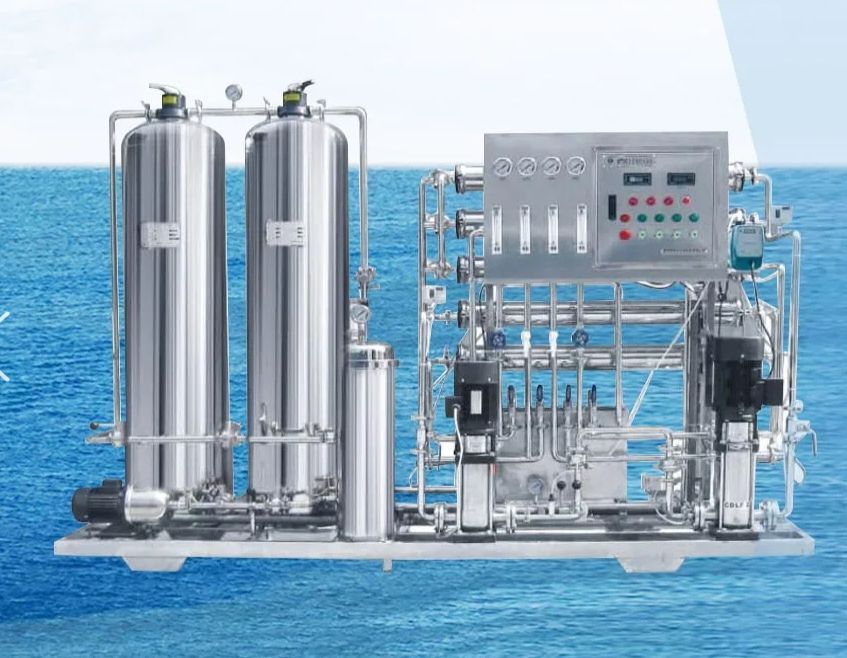
Raw rainwater collected from greenhouse roofs, farm structures, or dedicated catchments is not immediately ready for agricultural use. It contains airborne dust, organic debris, bird droppings, mold spores, and bacteria. A professional-grade agricultural purification system implements a multi-barrier approach to guarantee water safety and quality:
-
First-Flush Diversion & Coarse Filtration: The initial runoff from a rain event carries the highest concentration of surface debris. First-flush diverters automatically isolate this initial water, ensuring only the cleaner subsequent rainwater enters the main storage reservoirs. Coarse screens and media filters then remove leaves, twigs, and larger suspended solids.
-
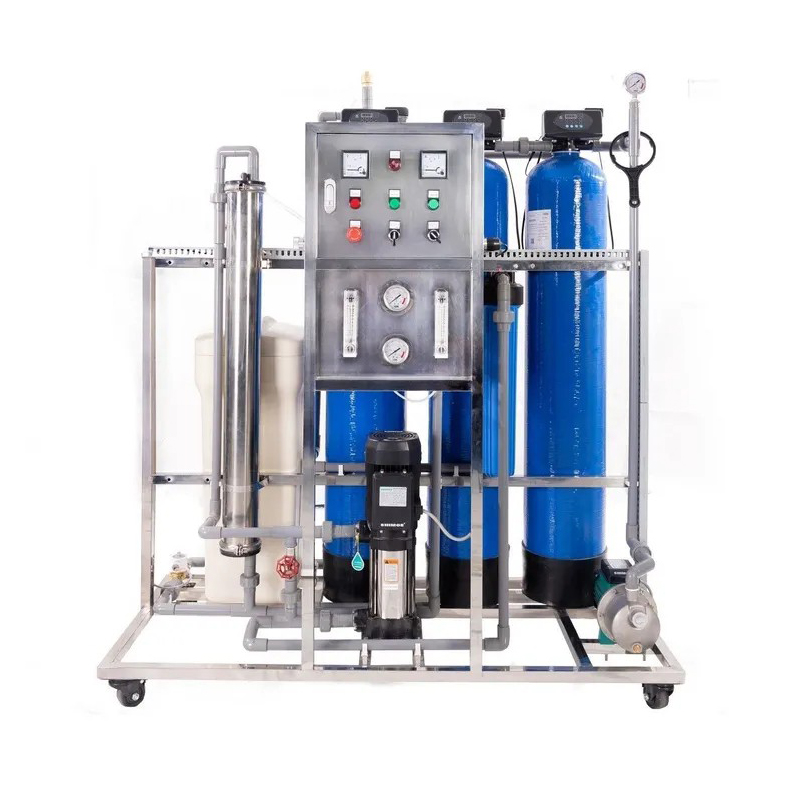
Multi-Media and Active Carbon Filtration: The water passes through layers of sand, gravel, and activated carbon. This stage filters out fine particulates, adsorbs organic compounds, eliminates unpleasant odors, and neutralizes chemical contaminants.
-
Ultrafiltration (UF) and Microfiltration: For farms requiring high-purity water (such as dairy operations or micro-irrigation systems prone to clogging), UF membranes act as physical barriers to block microscopic pathogens, suspended colloidal matter, and large organic molecules without removing beneficial trace minerals.
-
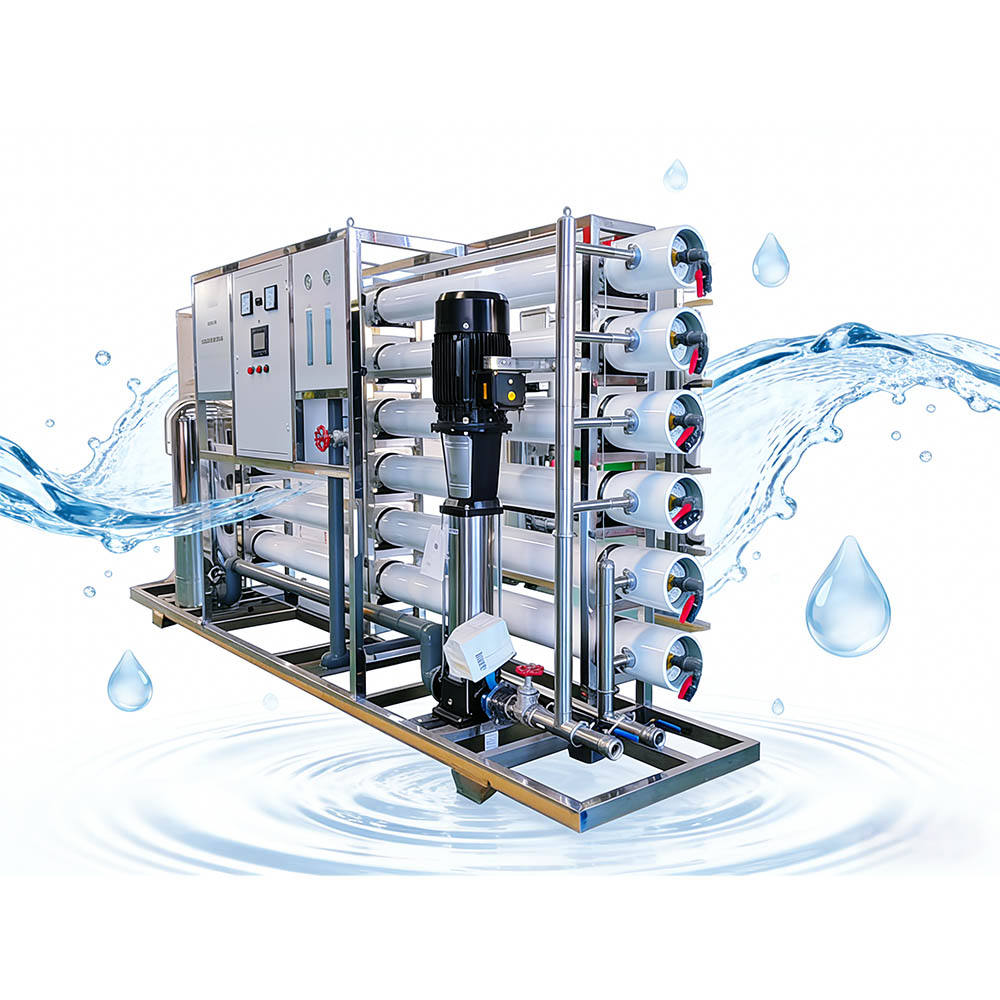
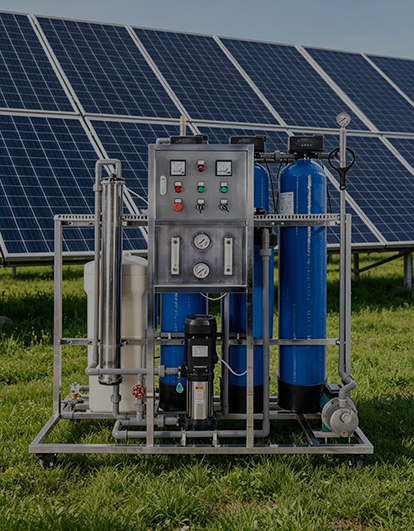
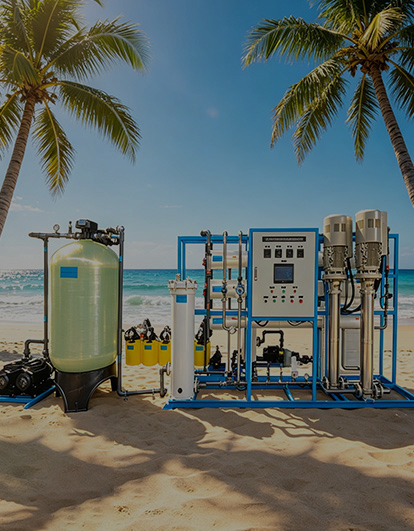
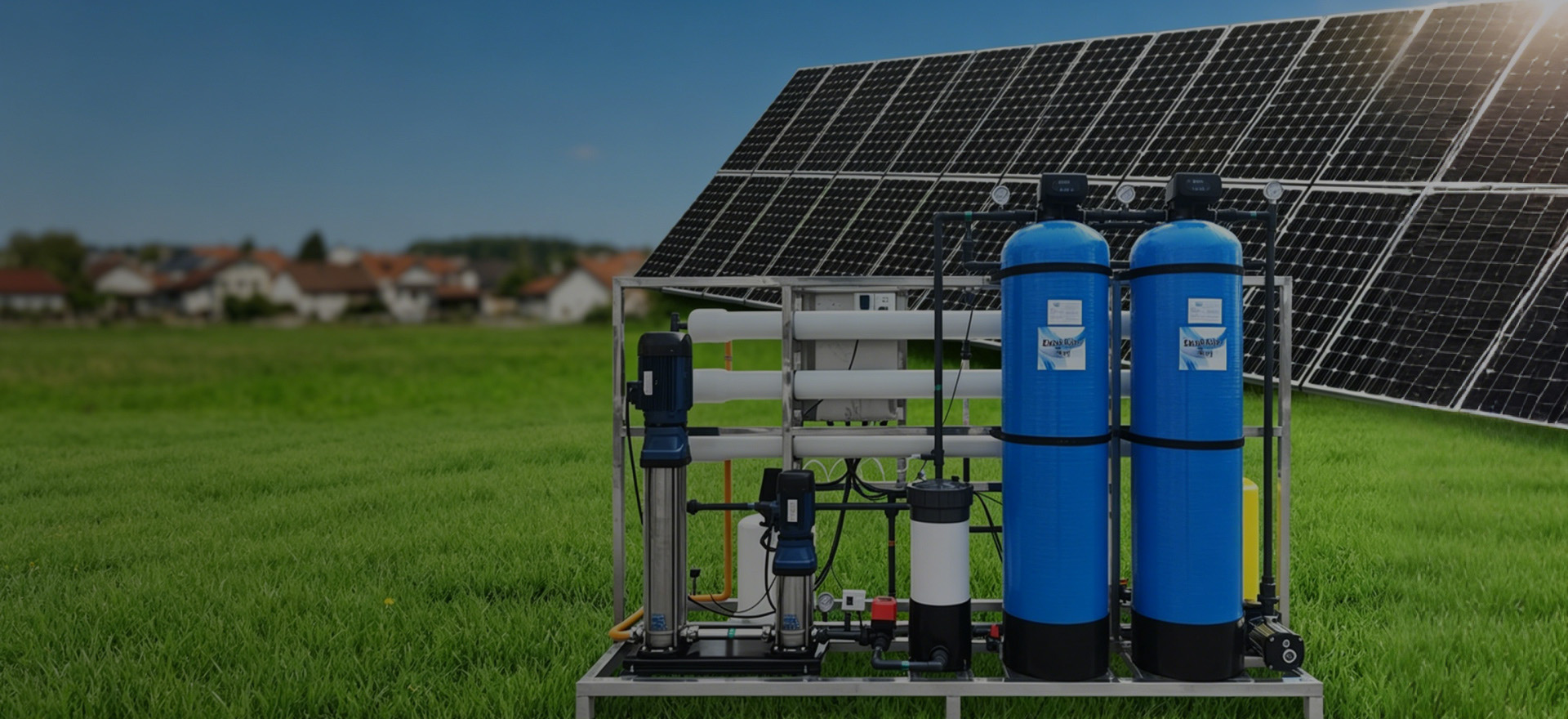
Solar-Powered Reverse Osmosis (RO): In regions where rainwater is mixed with brackish surface water or where absolute purity is required, RO systems remove up to 99% of dissolved salts, heavy metals, and chemical residues. Utilizing solar-driven RO plants ensures high-throughput desalination and purification with zero carbon emissions.
-
UV Sterilization and Ozone Disinfection: To eliminate bacteria, viruses, and algae spores without introducing harmful chlorine or chemical residues, the purified water is exposed to intense ultraviolet (UV) light or treated with ozone. This step is critical for livestock drinking water and overhead crop misting, preventing the spread of waterborne crop diseases and animal pathogens.
Crucial Commercial and Industrial Application Scenarios
1. Precision Greenhouse Agriculture & Hydroponics
In high-tech greenhouse environments, water quality must be controlled down to the parts-per-million (PPM) level. High levels of sodium or carbonates in irrigation water disrupt the electrical conductivity (EC) balance of nutrient solutions, leading to nutrient lock-out and poor crop yields. Rainwater purified via customized filtration systems provides a highly consistent, low-TDS (Total Dissolved Solids) base. This allows greenhouse operators to precisely formulate nutrient recipes, resulting in faster crop cycles, healthier root systems, and maximum resource efficiency.
2. Livestock and Poultry Husbandry
Animal health is directly correlated with drinking water quality. Contaminated well water can introduce pathogens like E. coli or Salmonella, leading to widespread disease outbreaks and high mortality rates in poultry and livestock farms. A centralized rainwater purification system ensures a continuous supply of pathogen-free, clean drinking water. Moreover, softening the water prevents scale buildup in automated drinking nipples and cooling pads, reducing equipment maintenance costs and downtime.
3. Drip and Micro-Irrigation Systems
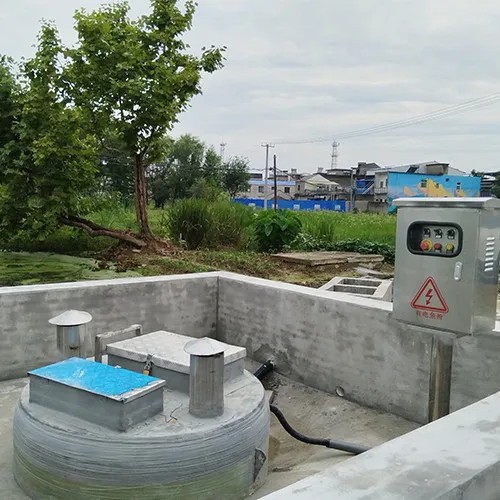
Drip irrigation is the gold standard for water-efficient farming. However, drip emitters are highly sensitive to clogging from suspended solids, algae, and mineral scale (calcium carbonate). Once clogged, crop watering becomes uneven, leading to dry patches and reduced yields. Integrating a prefabricated pump station with multi-stage filtration ensures that only highly polished, particle-free water enters the drip network, extending the lifespan of irrigation lines and ensuring uniform crop hydration.
4. Off-Grid Remote Farms and Homesteads
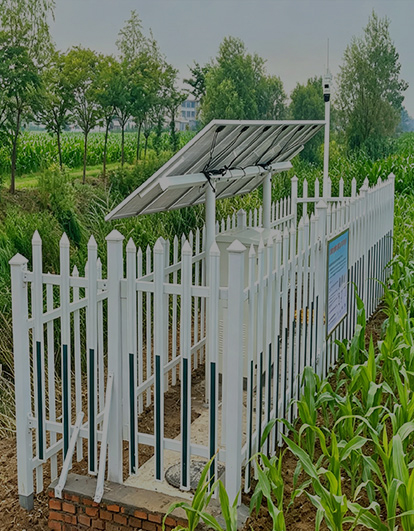
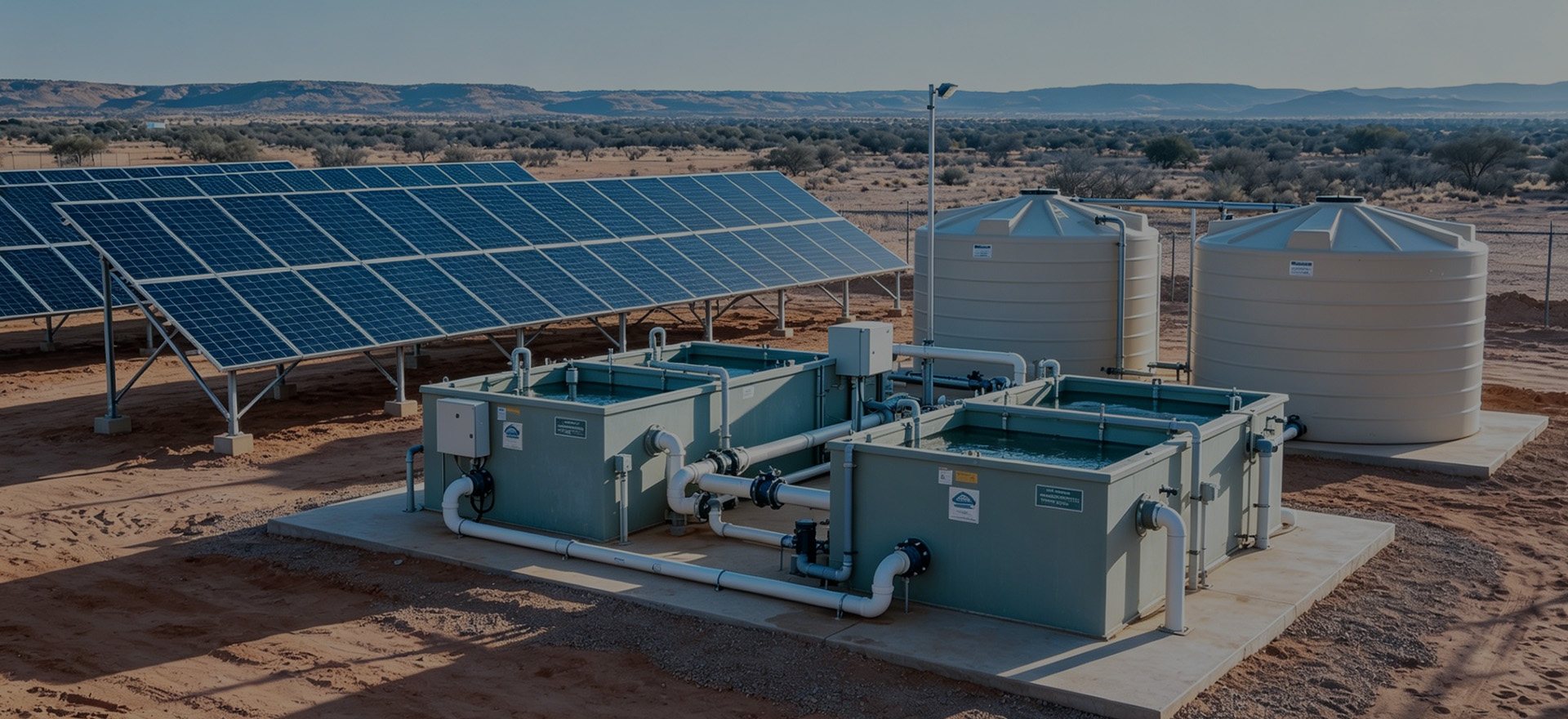
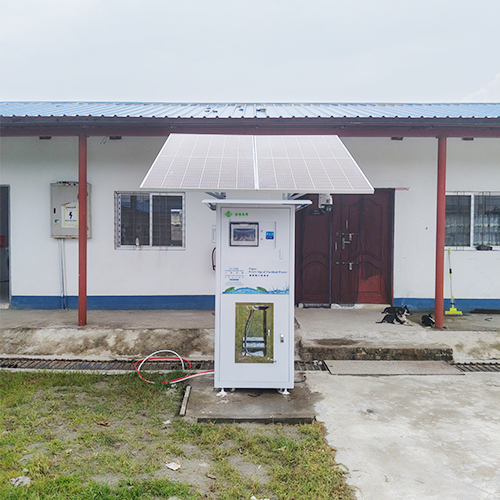
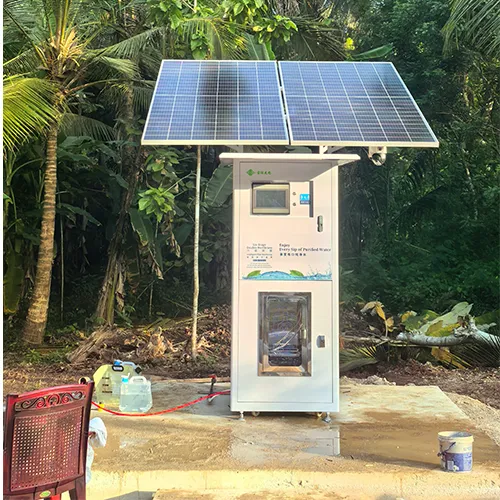
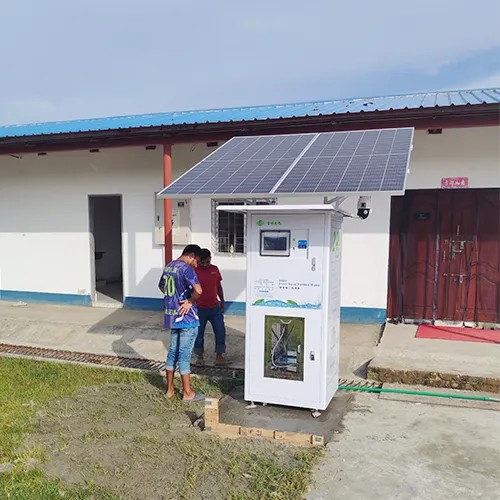
For agricultural operations located far from municipal infrastructure, establishing a reliable water supply is a major challenge. Solar-powered rainwater purification systems provide a completely self-sustaining water loop. Combined with solar-powered pumps, these systems harvest energy from the sun and water from the sky, operating indefinitely in remote locations without requiring fuel deliveries or grid connections.
Future Development Trends in Agricultural Water Technology
The agricultural water sector is undergoing a rapid technological evolution. The integration of Internet of Things (IoT) sensors and AI-driven control units allows modern rainwater systems to monitor water quality parameters (such as pH, TDS, and turbidity) in real-time. Automated backwashing valves clean filters only when pressure differentials indicate clogging, conserving water and reducing manual labor. Furthermore, the development of highly efficient, low-pressure RO membranes is drastically lowering the energy required for desalination, making solar-powered off-grid water purification more accessible and affordable than ever before.
Additionally, circular water economies are becoming standard practice. Rather than discharging agricultural drainage, advanced farms are routing runoff back through rainwater collection basins, treating the mixed water through integrated purification plants, and reusing it indefinitely. This closed-loop design minimizes fresh water intake and eliminates agricultural runoff pollution, setting a new benchmark for sustainable farming worldwide.