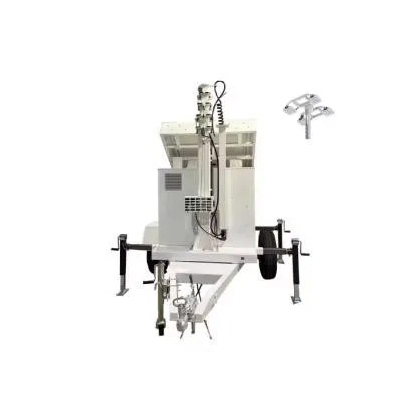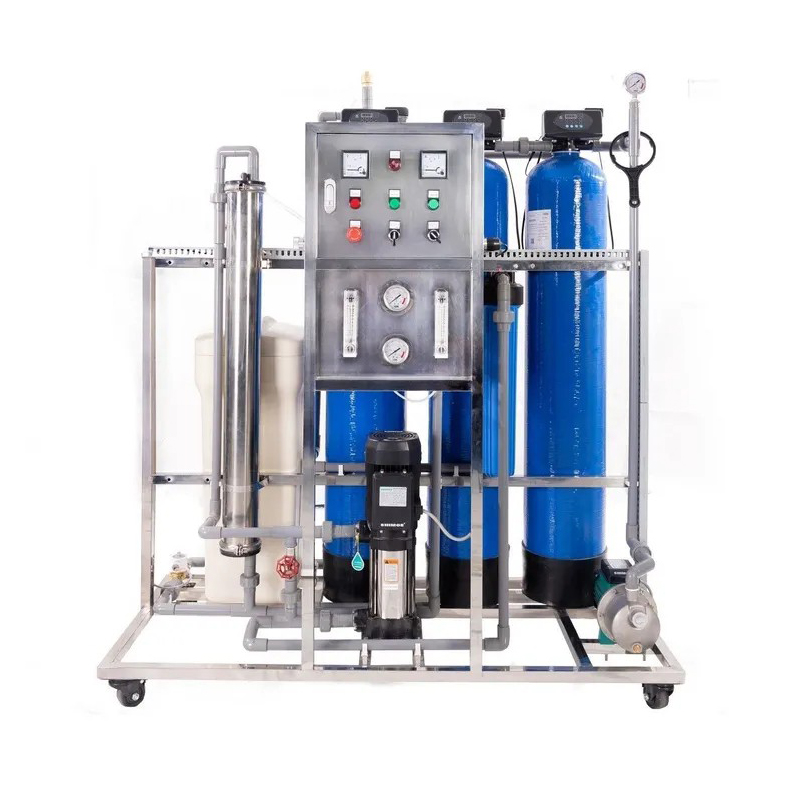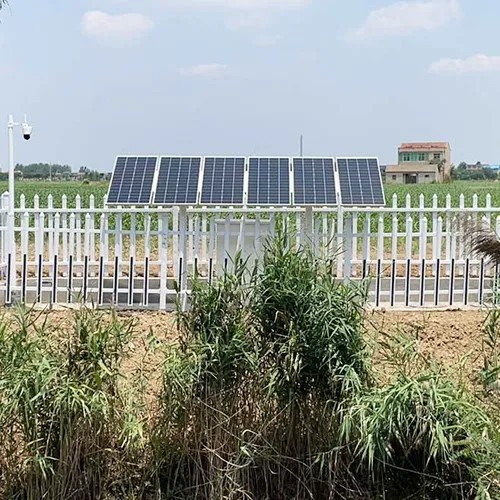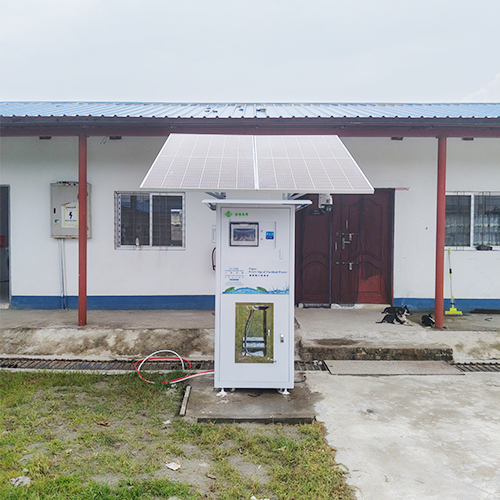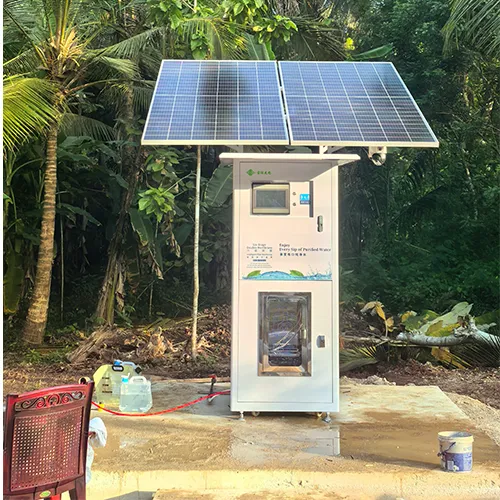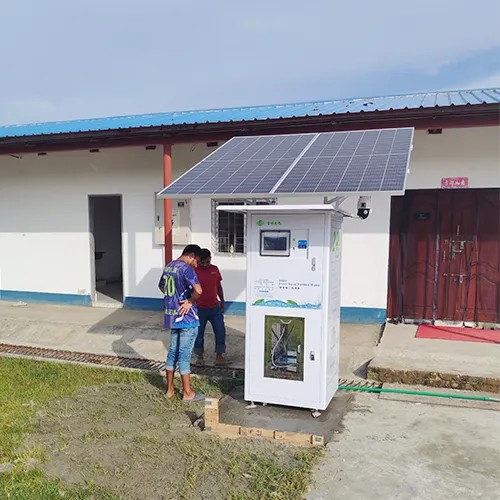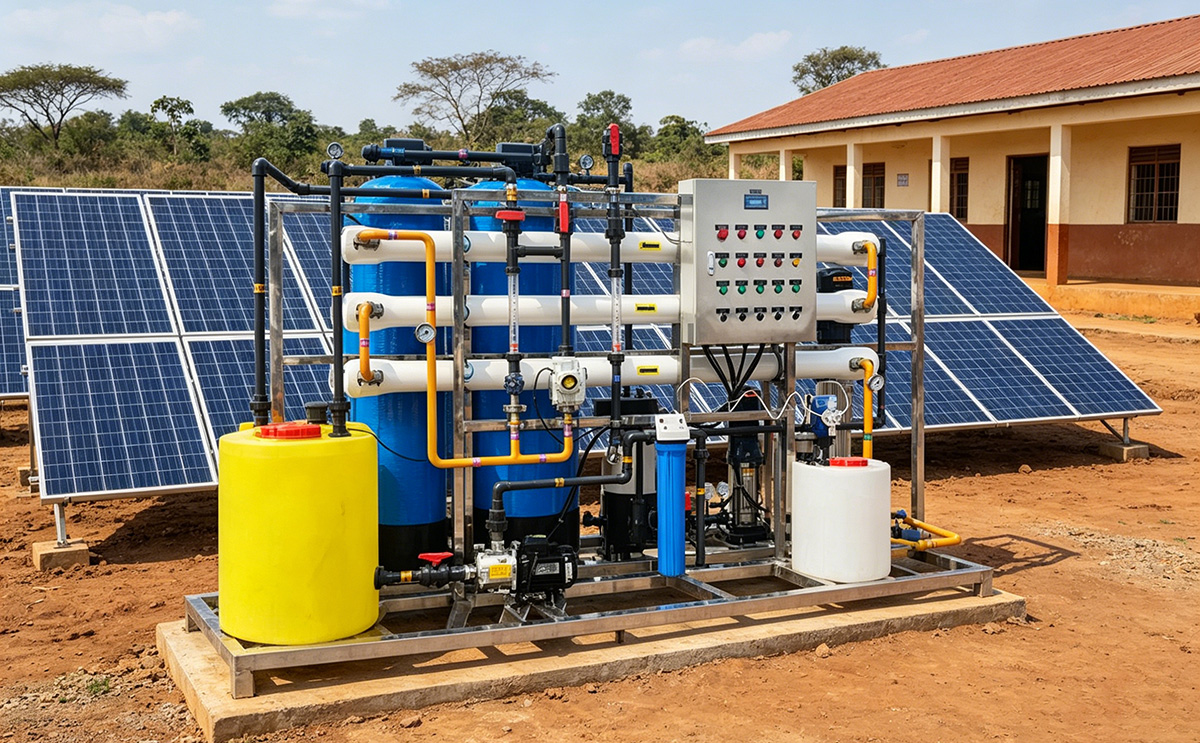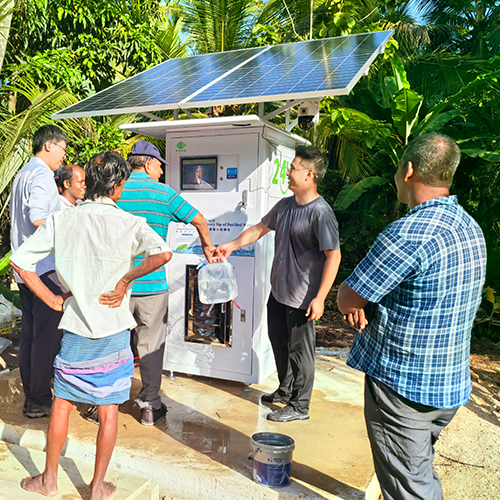
Field-proven solar purification, pumping stations, and mobile microgrid light units designed for immediate humanitarian relief and remote off-grid operations.
Addressing clean water scarcity in conflict areas, climate disasters, and protracted displacement settlements through decentralized, solar-driven engineering.
In post-disaster scenarios and protracted humanitarian crises, conventional water supply mechanisms—namely diesel-powered water trucking and centralized municipal infrastructure—frequently collapse. Diesel distribution networks become congested, expensive, or completely severed by damaged transport routes, leaving internally displaced persons (IDPs) and vulnerable communities vulnerable to severe waterborne disease outbreaks including cholera, dysentery, and acute diarrheal diseases.
Rainwater purification systems tailored for humanitarian missions provide an immediate, self-sufficient paradigm shift. Rather than relying on distant water bodies that might be contaminated by industrial runoff or flood sediments, rainwater harvesting collects water directly at the point of consumption. When paired with modern ultrafiltration, reverse osmosis, and multi-stage germicidal UV-C treatment, rainwater provides a reliable, pathogen-free water source that bypasses supply-chain bottlenecks entirely.
The industrialization of solar-powered water treatment units has fundamentally reshaped the economics of United Nations WASH (Water, Sanitation and Hygiene) operations. Legacy diesel generators demand constant fuel resupply, frequent mechanical servicing, and emit carbon dioxide in fragile ecosystems. By contrast, pure solar-powered rainwater purification units operate with 100% off-grid autonomy.
Modern commercial designs incorporate intelligent Maximum Power Point Tracking (MPPT) charge controllers and IoT telemetry. Real-time water quality monitoring tracks Turbidity (NTU), Total Dissolved Solids (TDS), membrane fouling pressure differentials, and system energy reserves. Through predictive maintenance algorithms, field engineers can anticipate filter maintenance cycles before water output degrades, ensuring that field clinics and emergency stations maintain uninterrupted access to sterile, potable water.
Heavy monsoonal rains transport roof debris, airborne particulate soot, and organic foliage. Integrated vortex first-flush diverters and multi-layer disc filtration screen out particulate matter larger than 5 microns, protecting high-precision membranes from premature fouling.
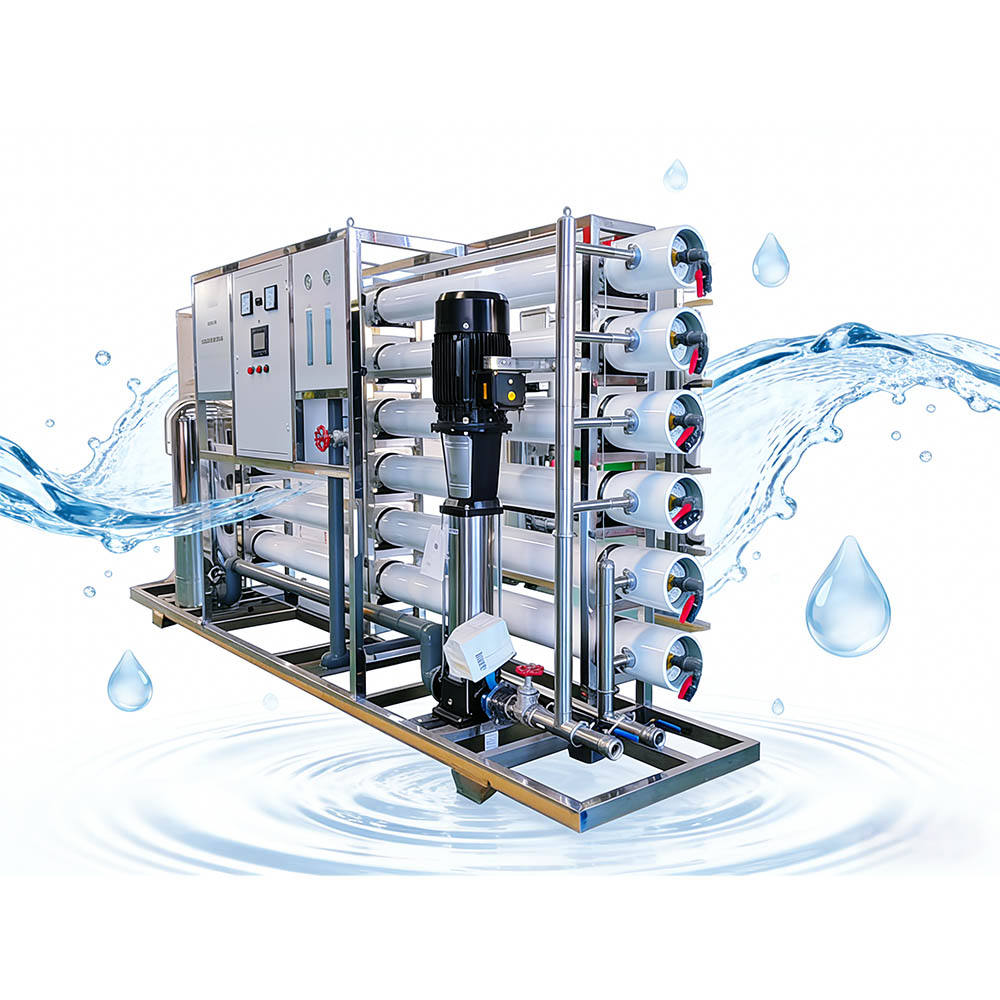
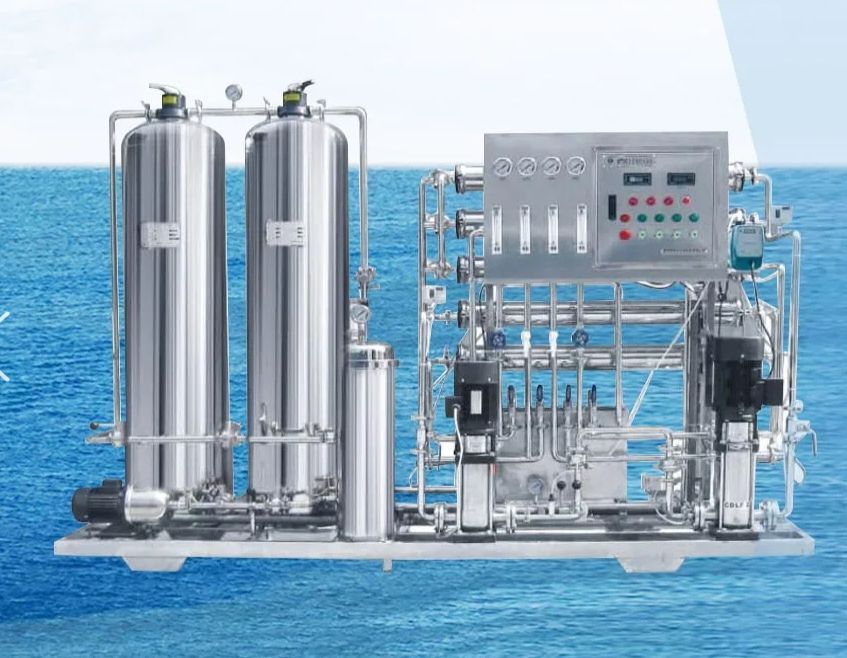
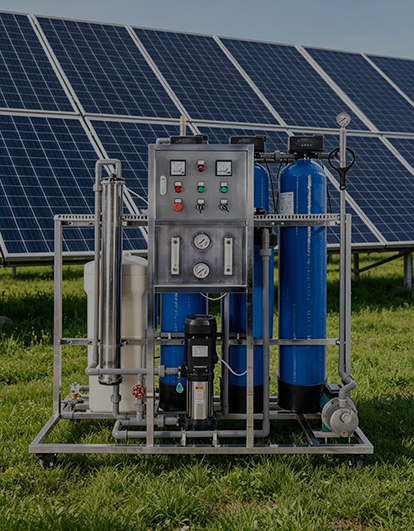
Utilizing high-flux hollow-fiber membranes and low-energy reverse osmosis membranes, systems remove 99.9999% of bacteria, protozoa cysts (Giardia, Cryptosporidium), viral agents, and microplastics without chemical chlorination dependencies.
Disaster zones often lack terrestrial cellular coverage. Contemporary disaster response water purification skids integrate satellite connectivity, transmitting water output volume, battery health, and membrane integrity directly to global relief operation dashboards.
Place of Origin: Anhui, China
Brand Name: BL
Certification: ISO9001, ISO14001, ISO45001, CQC
Model Number: BLCT-G050
Place of Origin: Anhui, China
Brand Name: BL
Certification: ISO9001, ISO14001, ISO45001, CQC
Model Number: BLCT-G050
Place of Origin: Anhui, China
Brand Name: BL
Certification: ISO9001, ISO14001, ISO45001, CQC
Model Number: BLCT-G050
Place of Origin: Anhui, China
Brand Name: BL
Application: Emergency Hard Water Treatment & Mineral Stabilization
Place of Origin: Anhui, China
Brand Name: BL
Capacity: 1000 LPH Island & Coastal Disaster Response
Place of Origin: Anhui, China
Brand Name: BL
Configuration: Turnkey Plug-and-Play Relief Plant with Integrated PLC
From rapid emergency staging during meteorological catastrophes to resilient long-term infrastructure in refugee camps.
During catastrophic weather events, inland aquifers and rivers are overwhelmed by toxic sediment layers, industrial discharge, and ruptured sewage networks. Ironically, while water is ubiquitously present, safe drinking water is completely inaccessible. Rainwater catchment canopies deployed atop disaster relief shelters collect thousands of liters of clean aerial precipitation per hour.
Deploying modular solar rainwater purifiers allows immediate water processing within hours of a storm passing. Rapid disinfection kills waterborne Vibrio cholerae and Rotavirus before bacterial replication creates emergency medical epidemics, relieving overburdened emergency medical field hospitals.
In prolonged displacement settlements across Sub-Saharan Africa, the Middle East, and South Asia, water infrastructure needs transition from emergency response to sustained semi-permanent operations. Trucking water into these settlements creates an exorbitant financial strain on humanitarian organizations like UNHCR, UNICEF, and ICRC, often costing tens of millions of dollars annually per camp in fossil fuels alone.
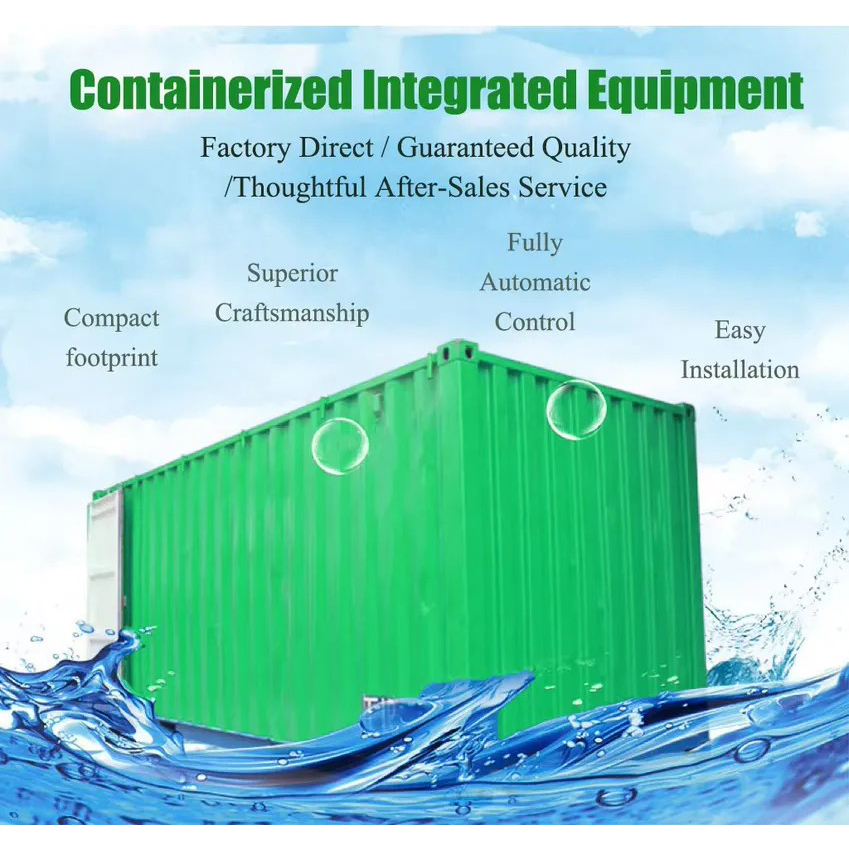
Containerized and prefabricated solar rainwater collection and pump stations convert camp rooftops, communal buildings, and medical centers into perennial water catchment networks. Integrated ultrafiltration systems operate with zero fuel consumption, creating closed-loop, sustainable water sovereignty that builds communal dignity and local operational resilience.
In infectious disease containment zones (e.g., Ebola, Cholera, COVID-19 isolation field hospitals), water quality cannot merely satisfy basic drinking parameters—it must be microbial-free for sanitation, surgical instrument preparation, and medication compounding. Rainwater is inherently soft and free of high mineral concentrations (TDS), making it the optimal raw influent for medical-grade ultrafiltration and reverse osmosis treatment without damaging autoclave machinery.
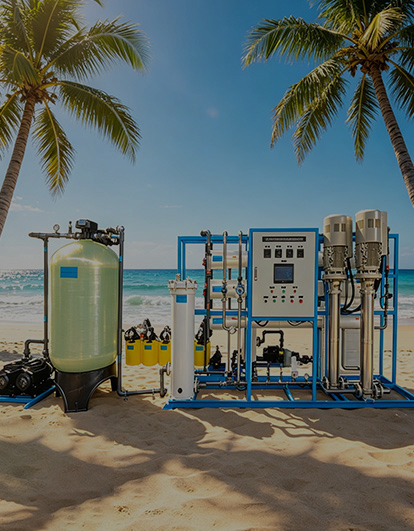
Small island developing states (SIDS) facing extreme sea-level rise and storm surges frequently experience saltwater intrusion into shallow freshwater lenses. Rainwater purification units provide a dual capability: processing rainwater as the primary low-energy water source during rainy periods, and alternating with brackish water/seawater reverse osmosis when precipitation declines, ensuring uninterrupted year-round survival water security.
Anhui Baolv(ABG) Photoelectric Environmental Protection Equipment Co., Ltd. is a high-tech enterprise wholly owned by Anhui Baolv Photoelectric Engineering Co., Ltd., focusing on R&D and manufacturing of software and hardware for pure solar-powered water environmental protection equipment. We are committed to providing customers with efficient, environmentally friendly and sustainable solutions.
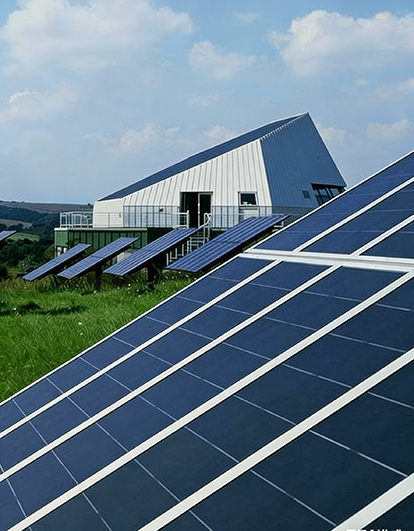
Fully solar-powered for complete, off-grid energy independence during humanitarian crisis operations.
Flexible, building-block architecture adapts seamlessly to diverse rapid emergency application scenarios.
Built for harsh, unmanned areas with minimal maintenance required and anti-corrosive industrial housings.
One-time capital deployment enables long-term, zero-carbon, and zero-fuel ongoing operational expense.
How predictive automation, remote AI diagnostics, and ESG carbon-finance mechanisms are accelerating off-grid water access.
Conventional membrane filters in disaster zones clog quickly without continuous monitoring. Smart systems incorporate AI pressure transducers that autonomously detect trans-membrane pressure spikes, triggering micro-burst backwashing using recycled clean permeate. This extends membrane life expectancy by up to 300% without human intervention.
International aid funding is rapidly aligning with strict ESG (Environmental, Social, and Governance) standards. Every liter of water purified via solar rainwater collection eliminates the diesel burned in conventional water delivery trucks. Integrated smart meters quantify carbon offset data, unlocking carbon credit financing for ongoing operations.
To guarantee continuous 24/7 drinking water output during consecutive days of heavy rain and dense cloud cover, modern humanitarian units integrate high-energy density LiFePO4 battery banks. These units store excess solar power generated during peak sunlight hours to maintain water production during nighttime emergency demands.
The convergence of decentralized solar power, precision membrane separation, and edge-computing water diagnostics has established a new gold standard for humanitarian disaster relief. Organizations deploying these advanced rainwater purification plants significantly lower their lifecycle costs, minimize field operational risks, and immediately fulfill the United Nations Sustainable Development Goal 6 (Clean Water and Sanitation for All) in the most logistically demanding environments on Earth.
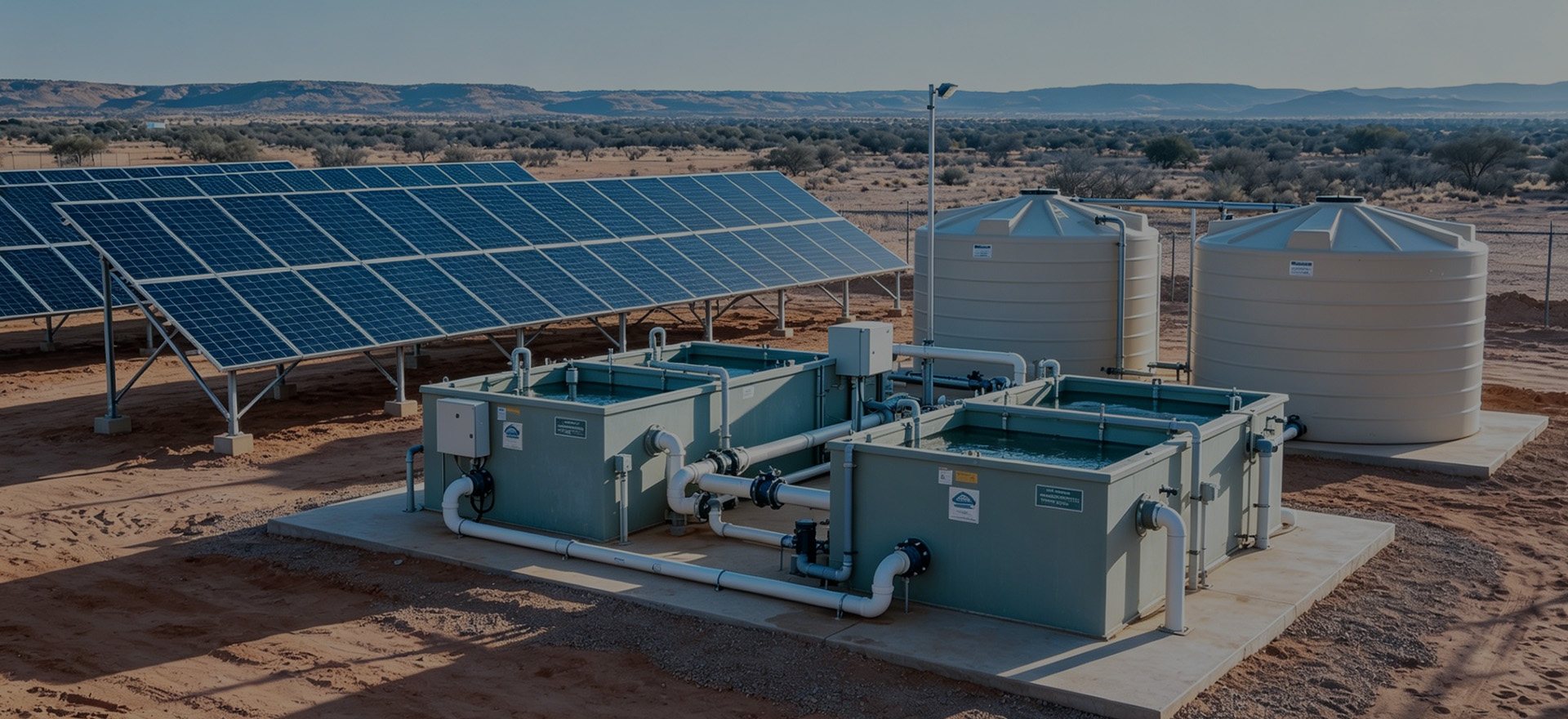
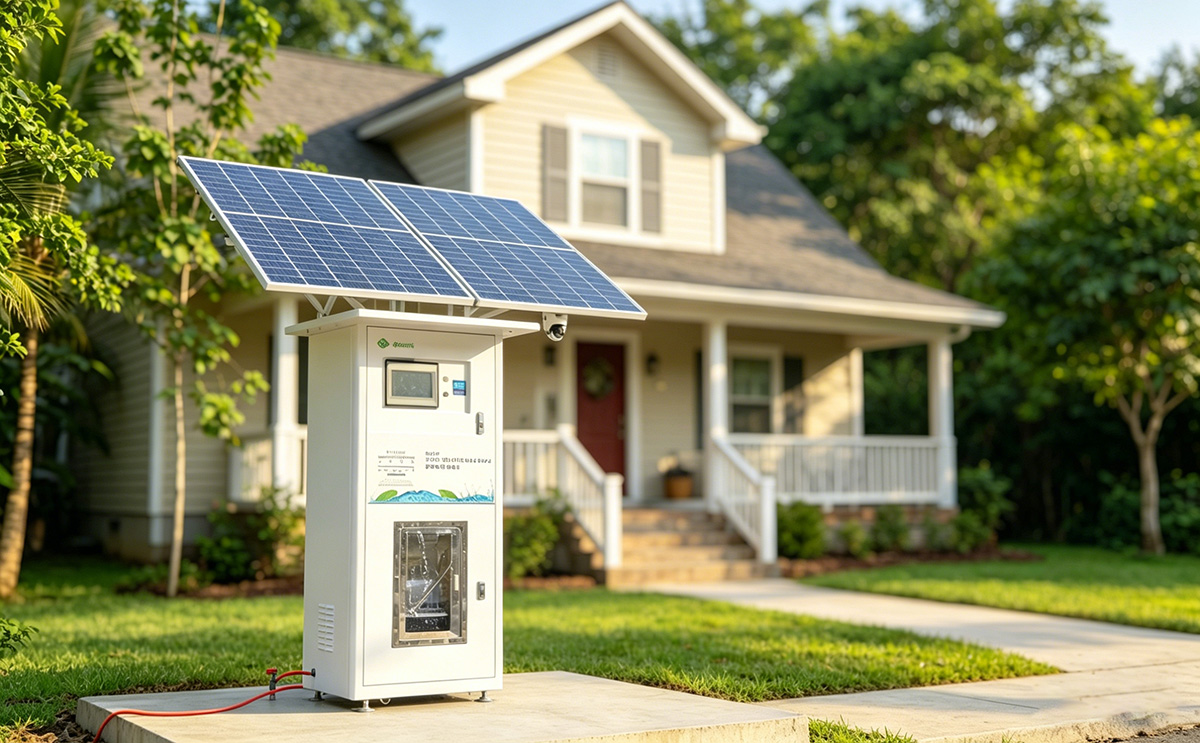
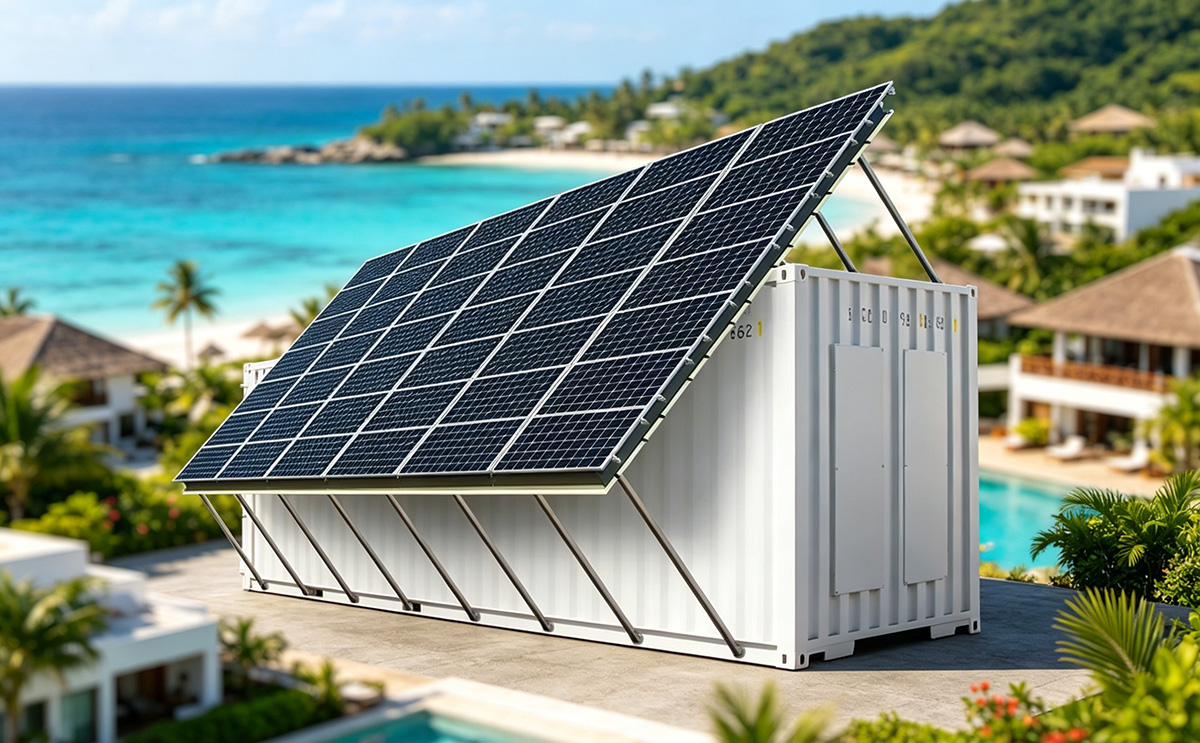
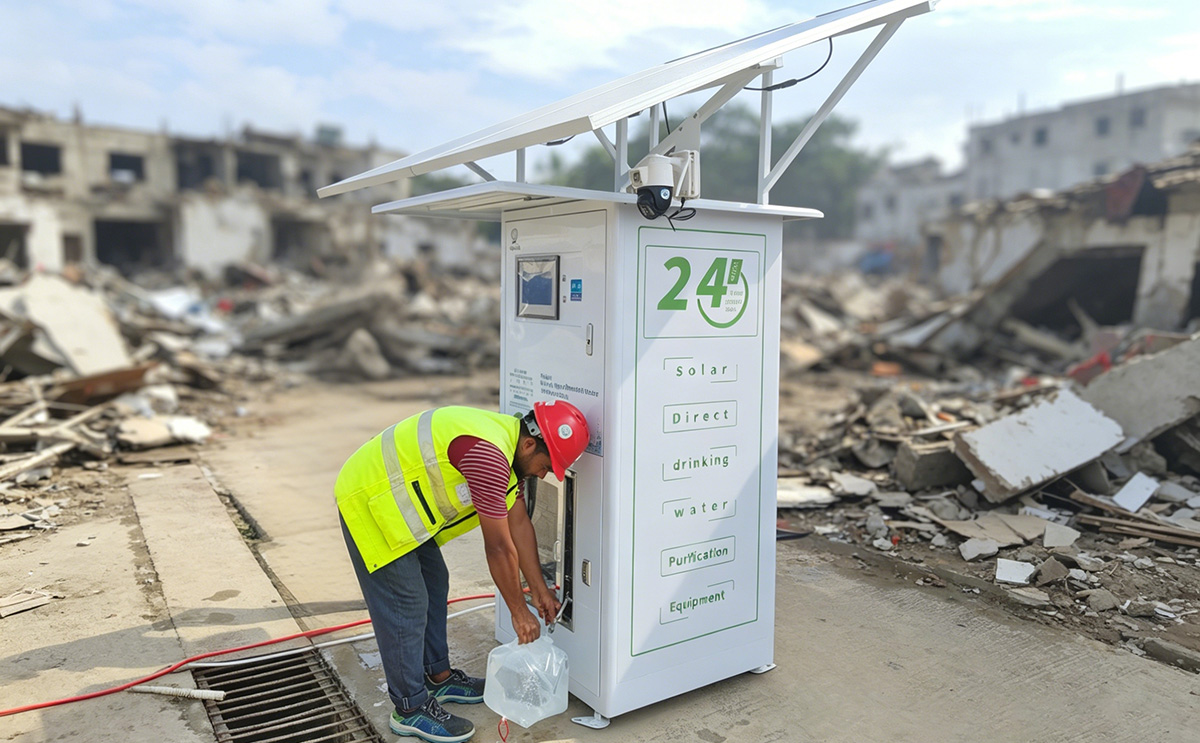
Comprehensive solar-powered environmental systems deployed across communities, eco-resorts, farms, and disaster zones.
A complete, solar-powered water cycle for remote communities. It provides a cost-free, eco-friendly loop that solves drinking water, sanitation, and irrigation needs sustainably.
Explore More
100% solar-powered water infrastructure for eco-resorts. It enables off-grid operation for water and sewage, enhancing sustainability and the guest experience in pristine settings.
Explore More
Solar-powered pumps replace diesel/grid power for remote farms. They enable automated, precise irrigation, reducing costs and enabling smarter agriculture off-grid.
Explore More
Rapid-deployment, solar-powered units for disaster zones. They independently produce safe drinking water and treat sewage where infrastructure is damaged.
Explore More
Reliable, solar-powered water and sewage systems for remote public facilities. They ensure uninterrupted basic services with minimal maintenance.
Explore MoreCustom trailer-mounted and containerized rainwater treatment skids engineered to military-grade vibration, heat, and sand resistance standards.
View Case Projects


Explore our complete industrial portfolio of solar microgrid lighting, reverse osmosis plants, solar irrigation pumps, and containerized desalination plants.