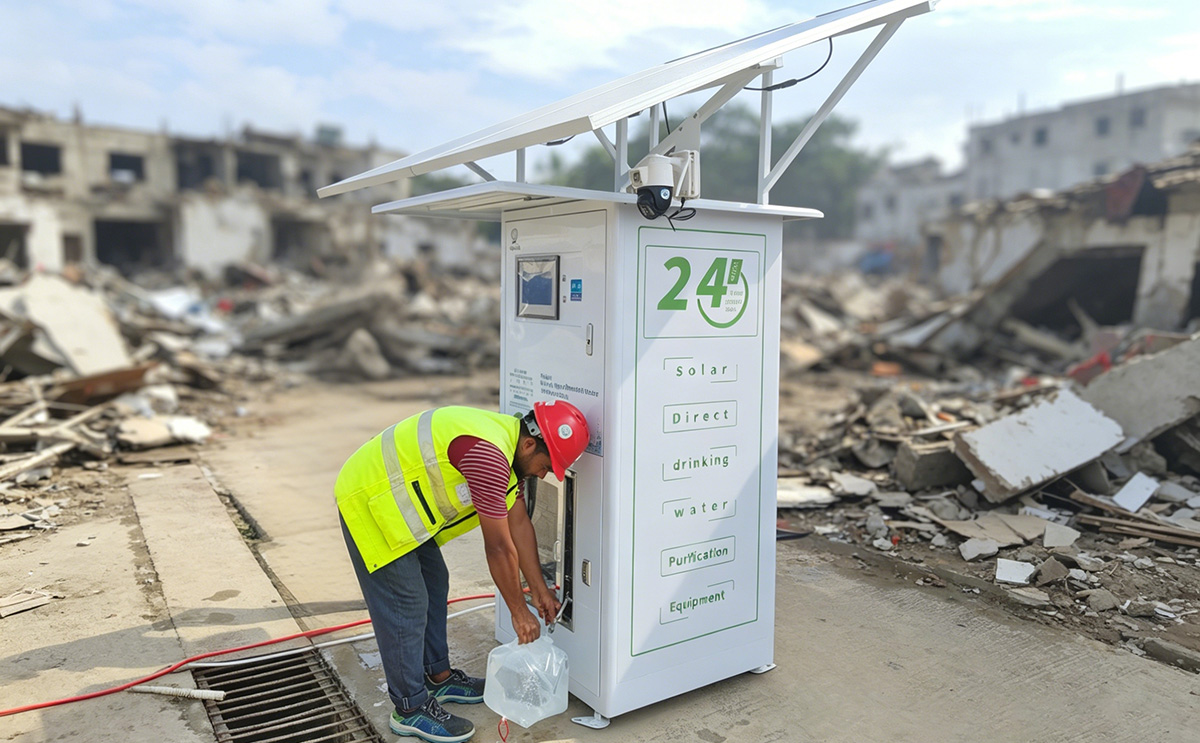
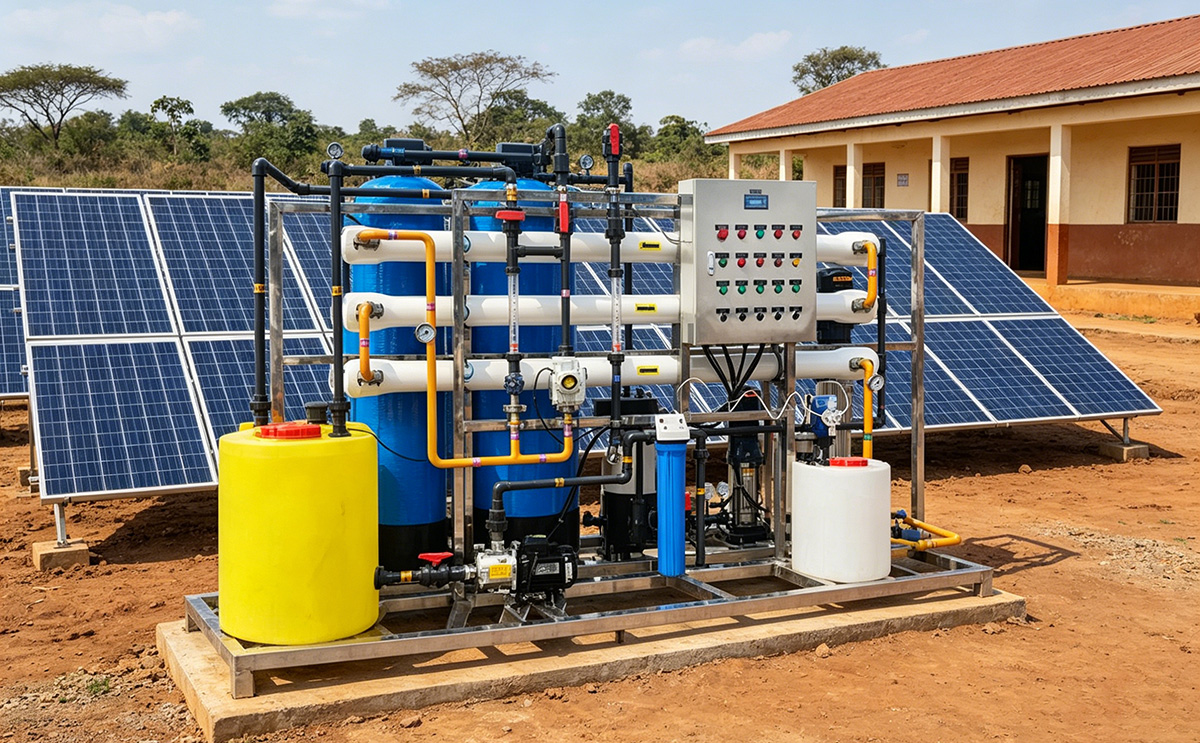
Engineered for rapid deployment in disaster zones, off-grid communities, and emergency response scenarios.


When natural disasters strike — floods, earthquakes, hurricanes, or prolonged droughts — the first and most urgent casualty is access to safe drinking water. Contaminated water sources kill more survivors than the disaster itself, making RO (Reverse Osmosis) plant drinking water technology one of the most powerful tools in modern humanitarian response. Today, solar-powered RO systems are redefining how the world responds to water crises, offering fully off-grid, rapid-deployment solutions that can produce thousands of liters of clean water per day from any surface water, groundwater, or even seawater source.
The global market for emergency water treatment — including RO plant drinking water systems deployed for disaster relief — was valued at over USD 18 billion in 2024 and is projected to grow at a CAGR of 9.2% through 2032. Governments, United Nations agencies (UNICEF, UNHCR, WHO), and international NGOs now routinely pre-position containerized and portable RO systems in disaster-prone regions across Southeast Asia, Sub-Saharan Africa, Latin America, and the Middle East.
Major drivers include increasing climate-related disaster frequency, geopolitical conflicts displacing millions, and a global push toward resilient, decarbonized humanitarian infrastructure. The shift from diesel-powered emergency water units to solar-powered RO plants is accelerating rapidly, driven by fuel logistics challenges in remote disaster zones, sustainability mandates, and dramatic decreases in photovoltaic panel costs (down over 90% since 2010).
Industrial and commercial players are also entering the space: mining companies operating in water-scarce regions, military logistics corps, oil & gas platforms, island resorts, and large construction project sites all rely on modular RO drinking water plant systems to ensure crew safety and regulatory compliance. This convergence of humanitarian, commercial, and industrial demand is creating a new category — resilient water infrastructure — where RO plants serve as the backbone.
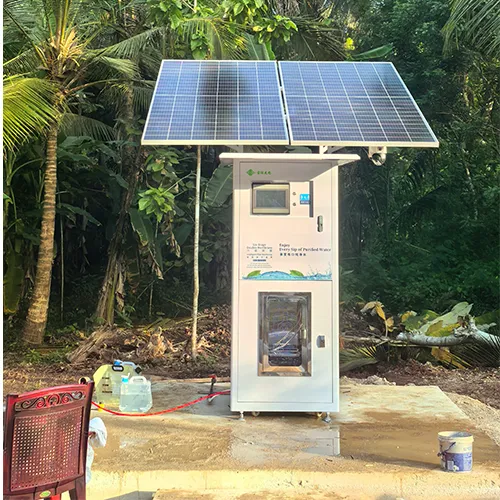
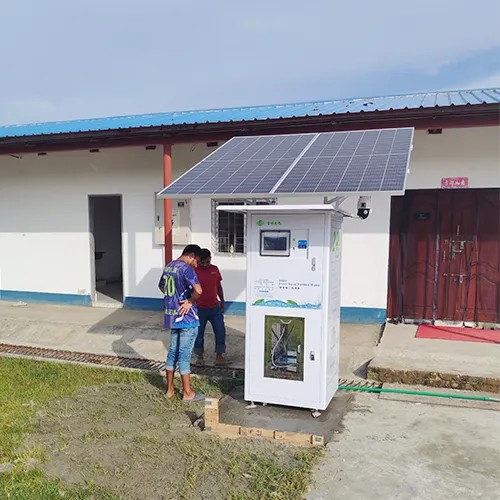
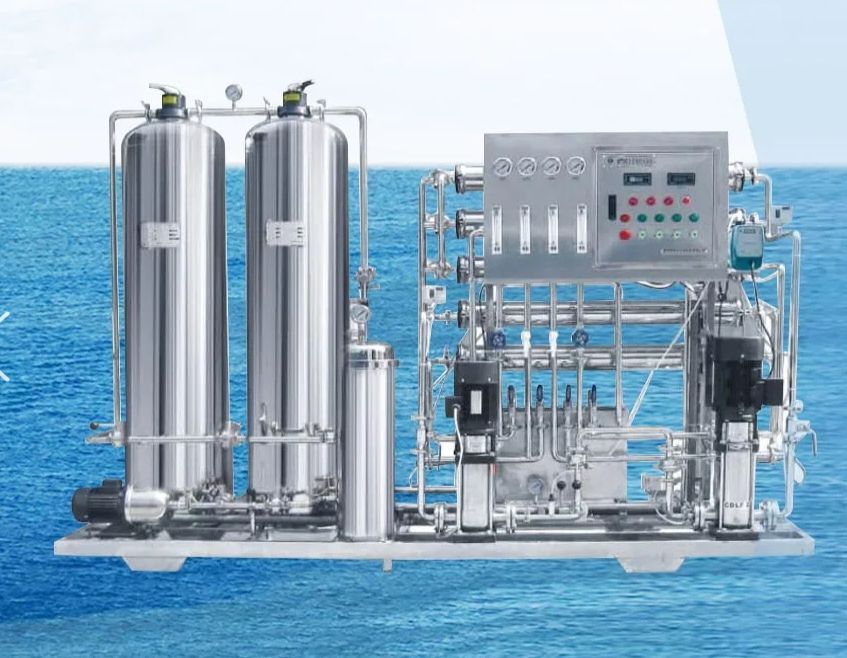
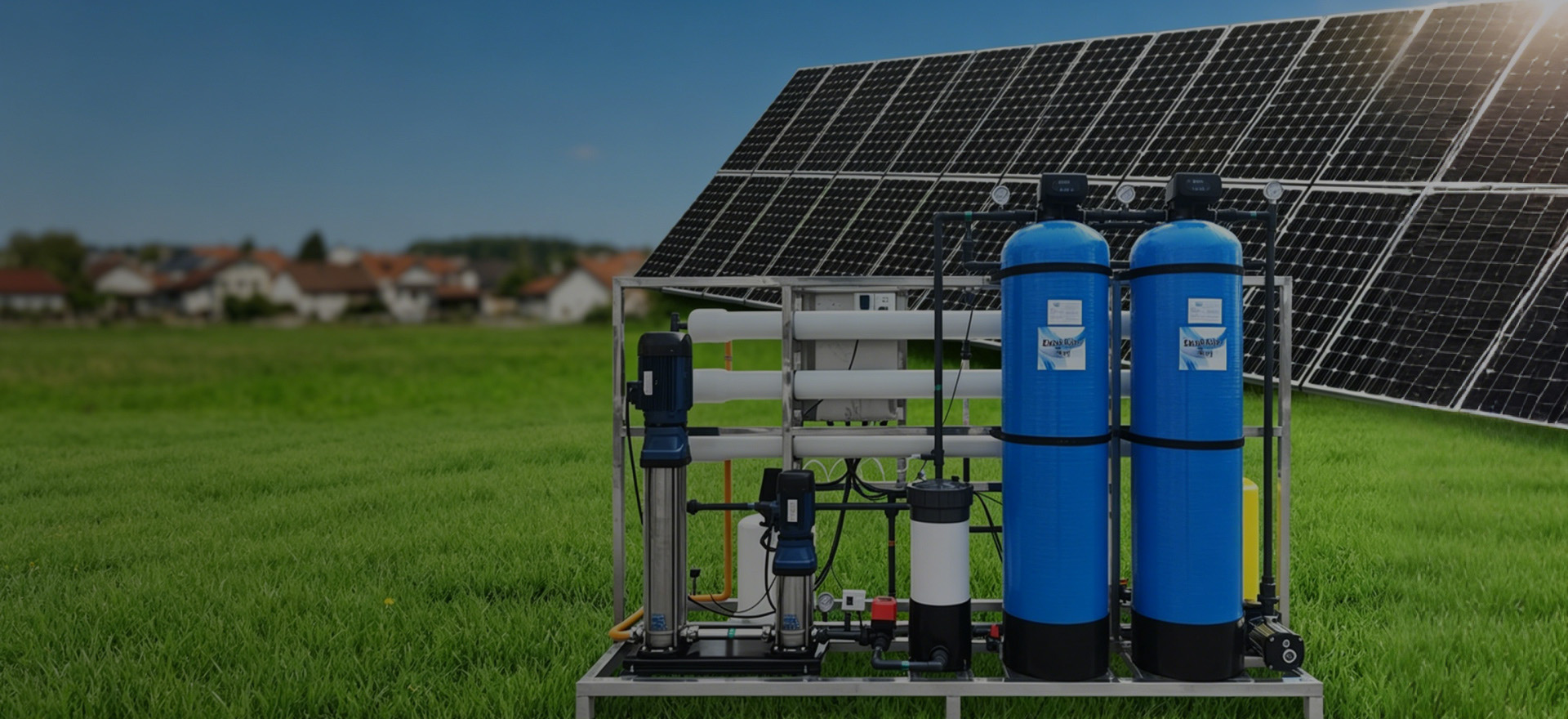
Reverse osmosis technology works by forcing water through a semi-permeable membrane at high pressure, removing up to 99.9% of dissolved salts, bacteria, viruses, heavy metals, and organic contaminants. When powered by photovoltaic solar panels — eliminating any dependence on grid power or diesel fuel — these systems become truly autonomous water factories deployable anywhere on Earth.
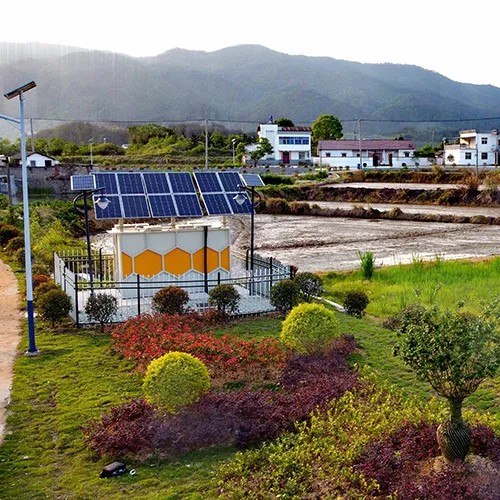
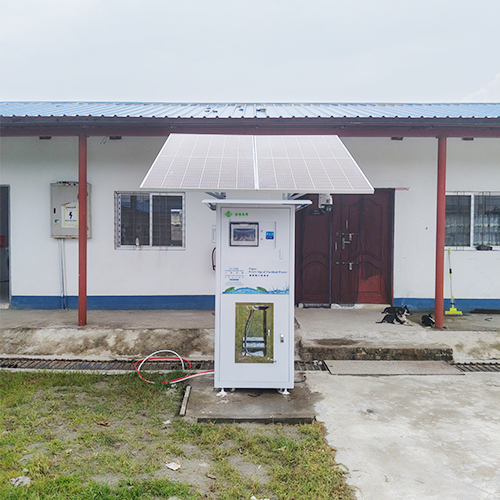
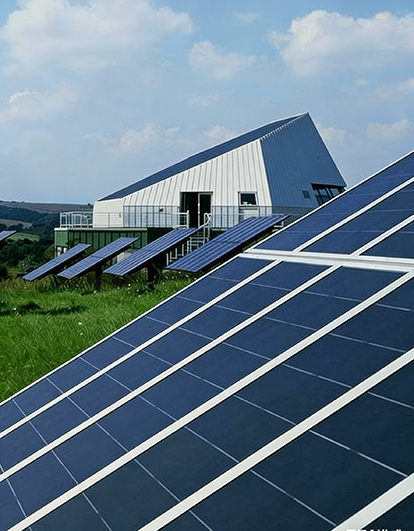
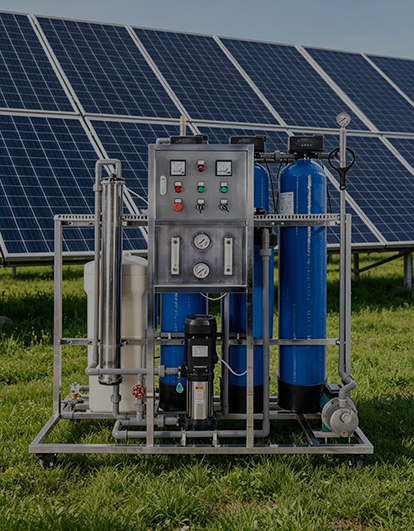
Photovoltaic panels drive high-pressure pumps and electronic controls with zero fuel dependency, enabling operation in the most remote and infrastructure-destroyed disaster zones.
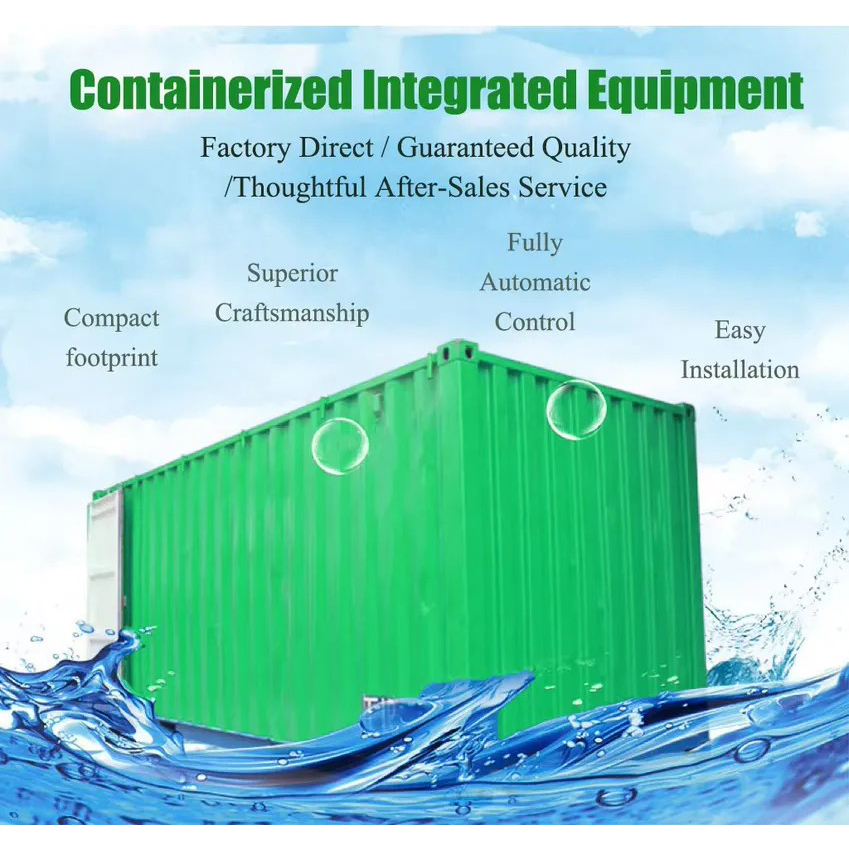
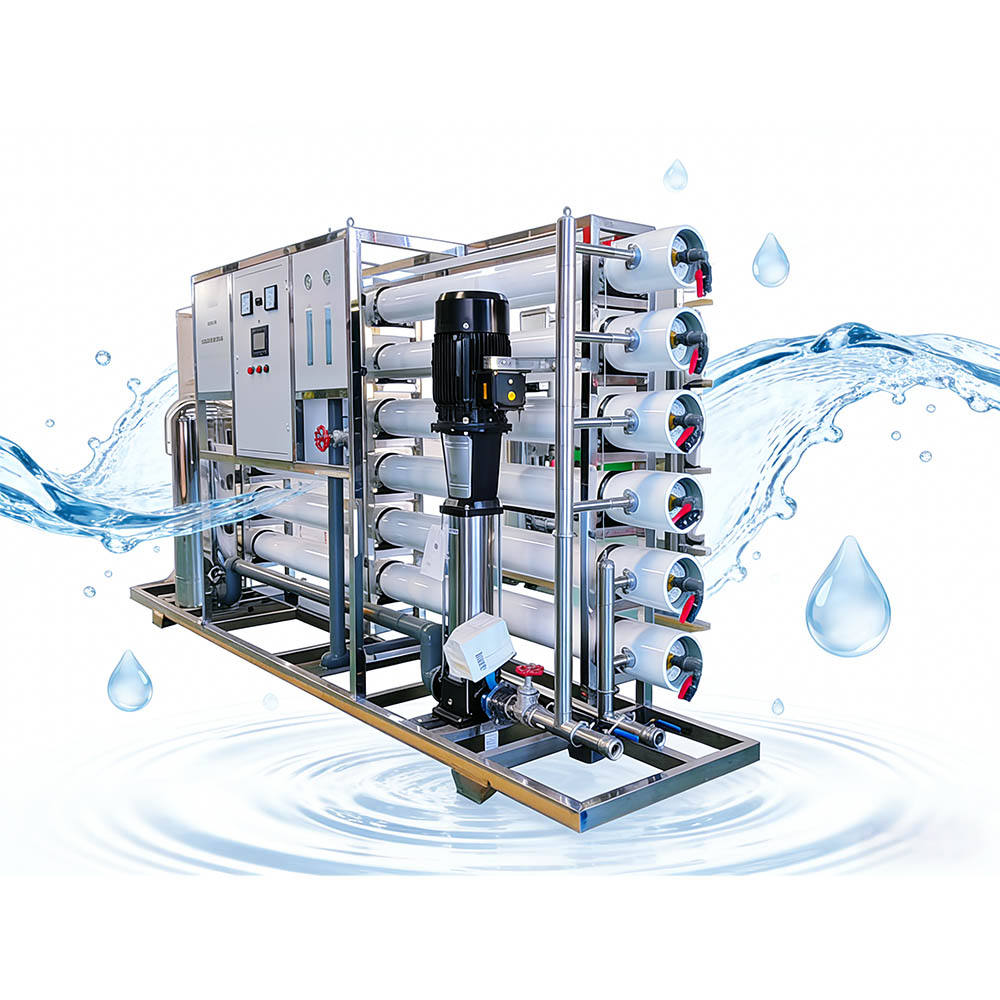
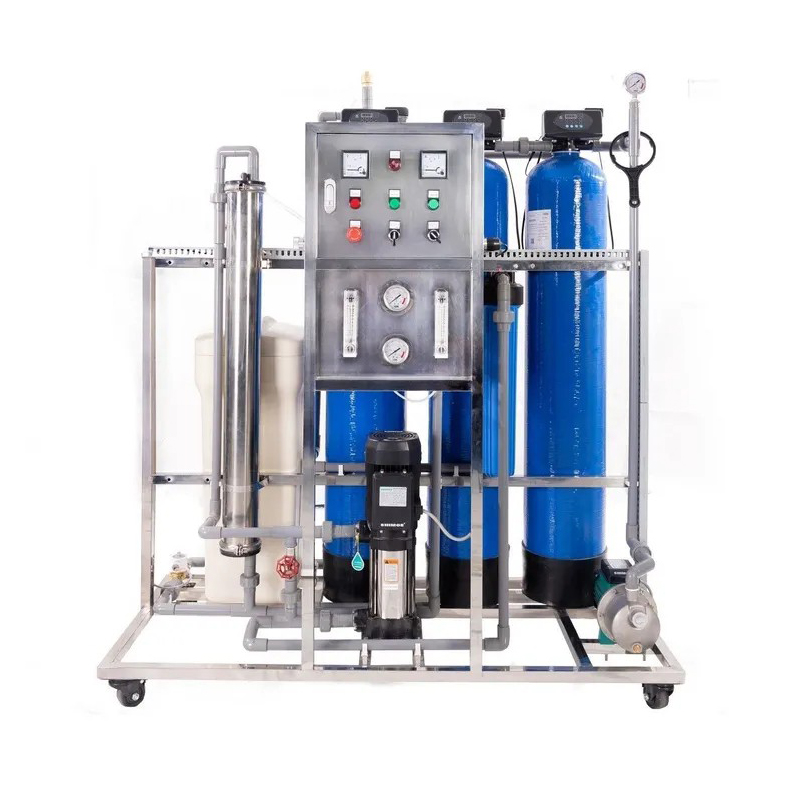
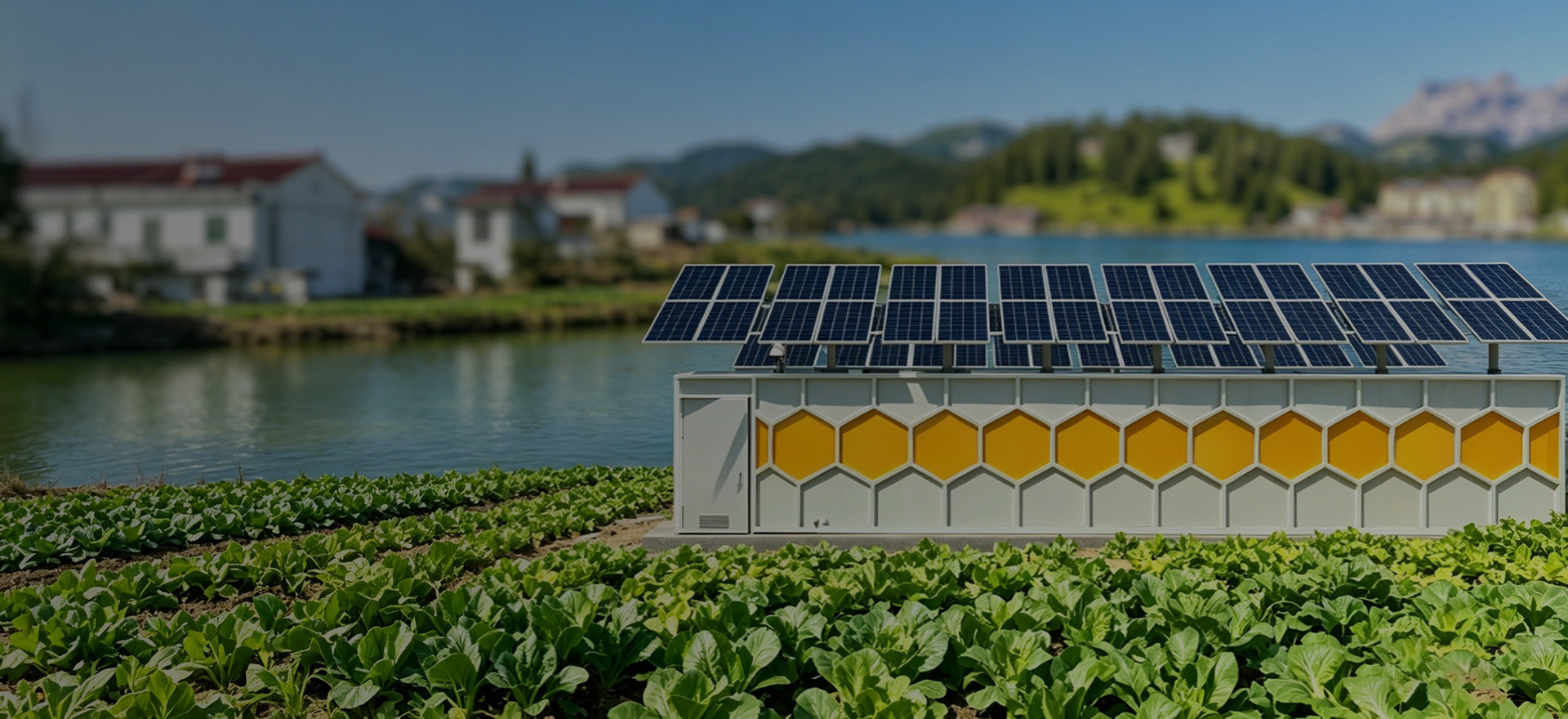
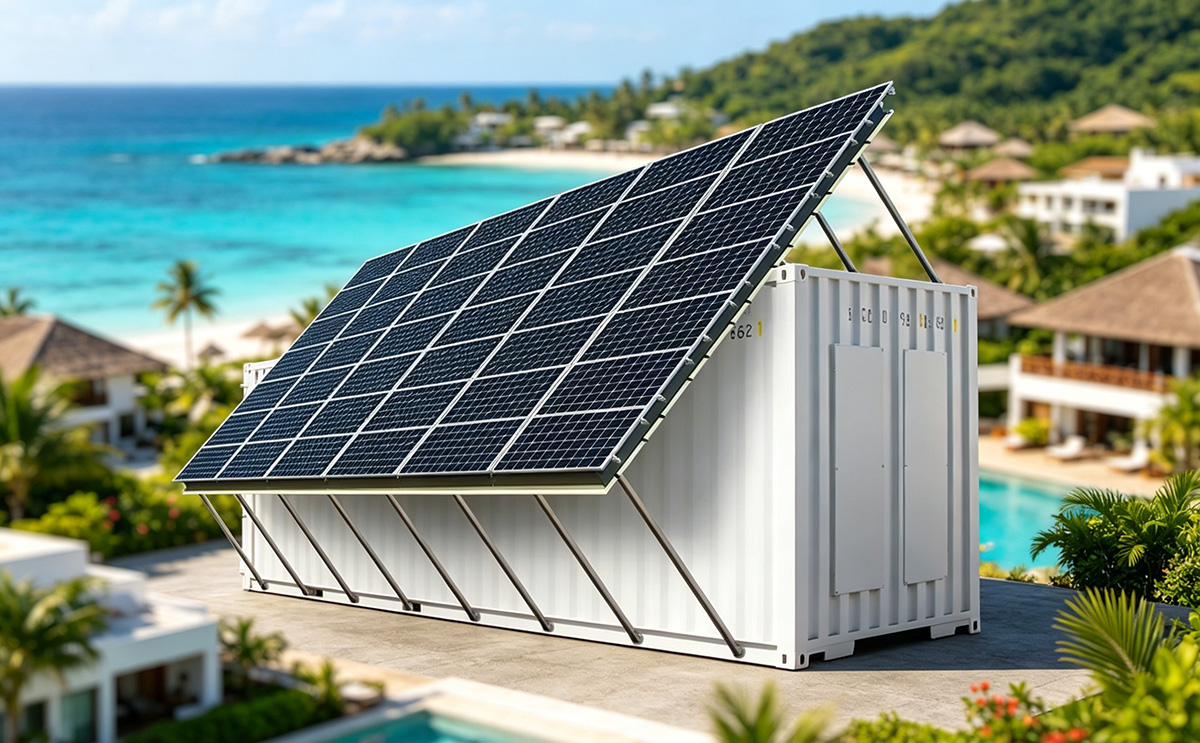
40ft container-format RO plants can be airlifted, shipped, or trucked to any location and operational within hours of arrival. Modular components scale capacity from 250 L/hr to 100+ m³/day.
Programmable Logic Controllers (PLC) automate the entire purification cycle — pre-filtration, RO membrane management, disinfection, and data logging — with minimal operator intervention.
From floodwater and river sources to brackish groundwater and seawater, RO plants adapt to almost any contaminated input, providing consistent WHO-standard drinking water output.
Engineered for harsh, unmanned environments with corrosion-resistant frames, self-flushing membranes, and remote monitoring capabilities via IoT sensors.
One-time capital investment delivers decades of clean water with zero recurring fuel costs and zero operational carbon emissions — fully aligned with UN SDG 6 and climate commitments.
The disaster relief water treatment industry is undergoing a technological revolution. The convergence of AI, IoT, advanced membrane science, and renewable energy is producing a new generation of RO systems that are smarter, faster, cheaper, and more resilient than ever before. Here are the key trends shaping the market:
Machine learning algorithms analyze membrane performance, pressure differentials, and water quality data in real time to predict filter degradation weeks before failure — reducing downtime in critical relief operations by up to 70%.
Cloud-connected RO plants transmit operational data to disaster relief coordination centers, enabling remote diagnostics, performance optimization, and rapid fault resolution from thousands of kilometers away.
Next-generation systems integrate lithium battery banks with solar arrays, enabling 24/7 continuous operation through night and cloudy conditions — critical for round-the-clock disaster relief water production.
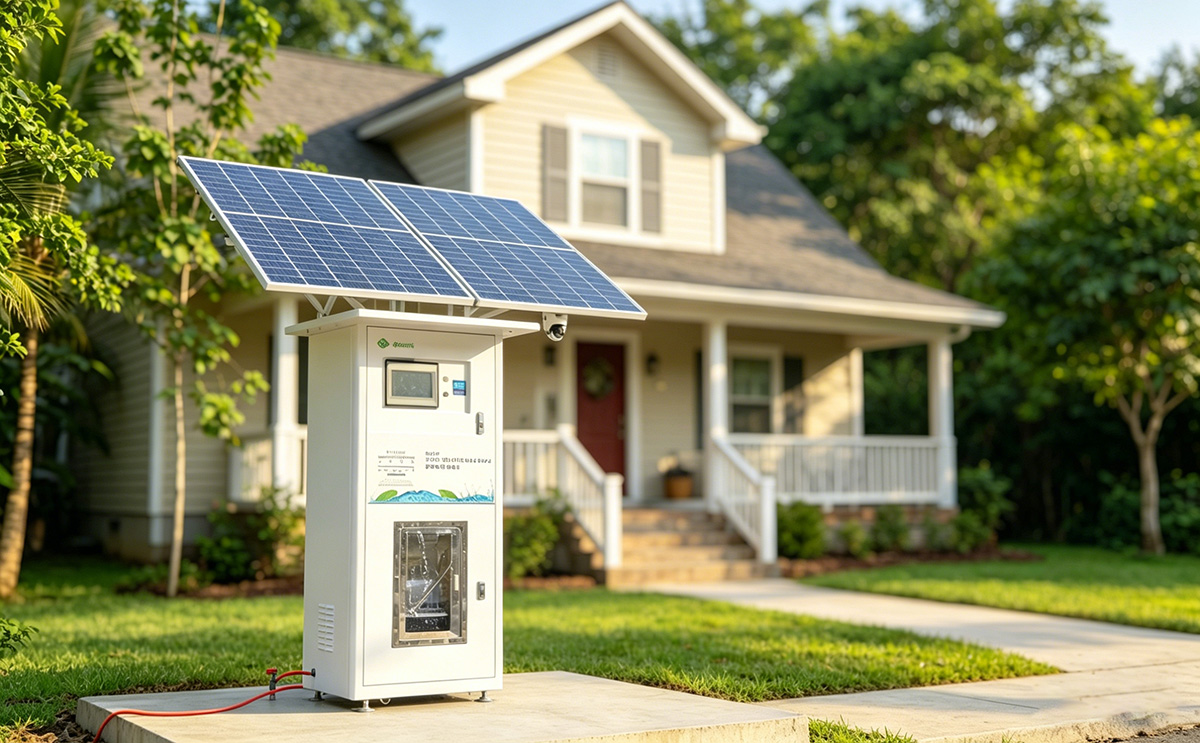
Plug-and-play modular architecture allows relief organizations to rapidly expand capacity from single-family units (50 L/day) to community-scale plants (100 m³/day) using standardized building-block components.
Governments and UN agencies are adopting pre-positioned containerized RO plant strategies — stockpiling deployable water units in regional disaster hubs to achieve 24–48 hour response times to major emergencies.
Graphene oxide and biomimetic aquaporin membranes are achieving 40% higher water flux at lower operating pressures, dramatically reducing energy consumption and making RO viable in even lower-solar-irradiance disaster regions.
In the immediate aftermath of earthquakes and typhoons, municipal water infrastructure is typically destroyed within hours. Broken pipes, flooded treatment plants, and power outages make centralized water supply impossible for weeks or months. Rapid-deployment containerized RO plants — like the 40ft containerized desalination systems — can be trucked to staging areas and producing safe drinking water within 4–6 hours of arrival, serving 2,000–10,000 people per day from a single unit.
The Philippines, Indonesia, Bangladesh, and Pakistan have all incorporated solar RO emergency water units into their national disaster response frameworks following devastating cyclone and earthquake events over the past decade.
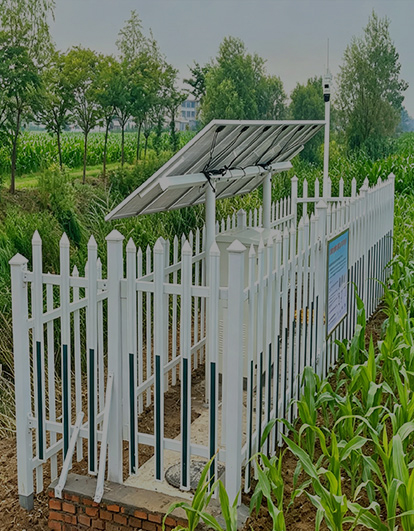
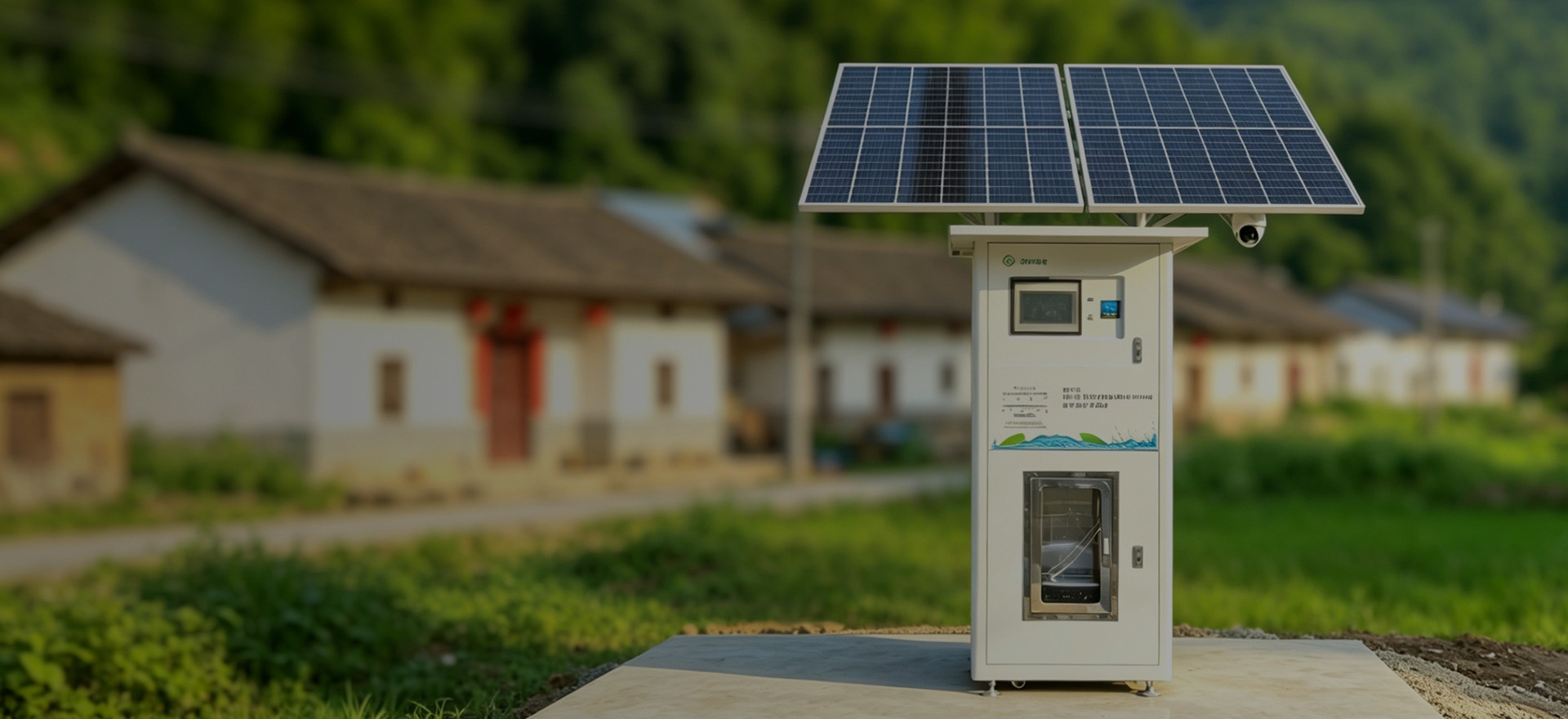
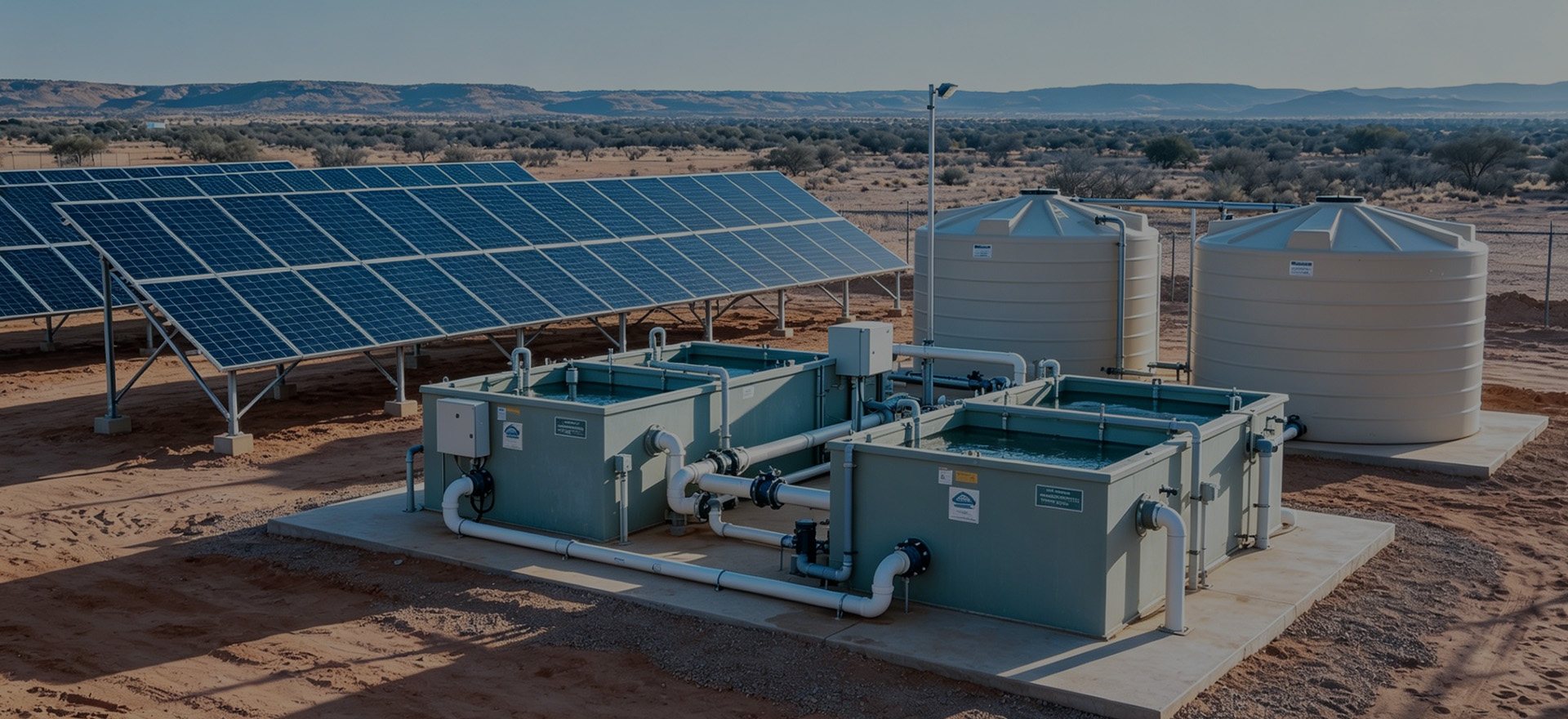
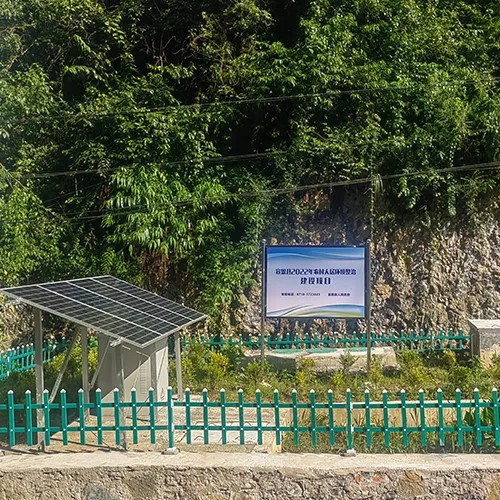
Prolonged drought is a slow-motion disaster that permanently affects hundreds of millions across Sub-Saharan Africa, South Asia, and MENA regions. Unlike acute emergencies, drought water crises require permanent infrastructure. Solar-powered RO plants installed at village level — producing 500 L to 10 m³ per day — provide a permanent, zero-operating-cost solution that eliminates the need for water trucking and prevents the migration crisis that typically follows long-term water scarcity.
UNHCR standards require 20 liters of safe water per person per day in refugee settings. For camps housing 50,000–200,000 people, this represents a massive daily water production challenge. Solar RO plant clusters — connected in parallel arrays — can meet these demands without fuel supply chains, dramatically reducing the operational cost per liter and the logistical complexity of running large refugee water programs in remote or conflict-affected regions.
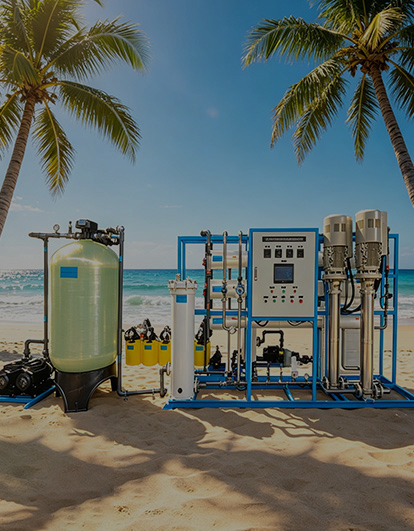
Small island developing states (SIDS) face unique vulnerabilities: storm surges contaminate freshwater wells with saltwater intrusion, and supply chain disruptions cut off bottled water imports for weeks. The RO 250 L/hour seawater desalination solar purifier and high-capacity 1000 LPH seawater units are purpose-built for these scenarios, converting abundant seawater into potable water with no external energy inputs.
Industrial operations in remote locations — mining, oil & gas exploration, large construction sites — face water security risks when supply disruptions occur. Modular solar RO plants provide on-site drinking water production that eliminates dependency on water trucking, protects worker health, and ensures regulatory compliance regardless of external infrastructure status. This represents a rapidly growing commercial segment alongside humanitarian applications.

Anhui Baolv (ABG) Photoelectric Environmental Protection Equipment Co., Ltd.
Anhui Baolv (ABG) Photoelectric Environmental Protection Equipment Co., Ltd. is a high-tech enterprise wholly owned by Anhui Baolv Photoelectric Engineering Co., Ltd., focusing on R&D and manufacturing of software and hardware for pure solar-powered water environmental protection equipment. We are committed to providing customers with efficient, environmentally friendly and sustainable solutions.

LEARN MORE


Baode's one-stop energy-saving solutions cut costs, boost efficiency and turn energy-intensive enterprises into energy-saving benchmarks, winning wide acclaim.


Fully solar-powered for complete, off-grid energy independence.


Flexible, building-block design adapts to diverse application scenarios.
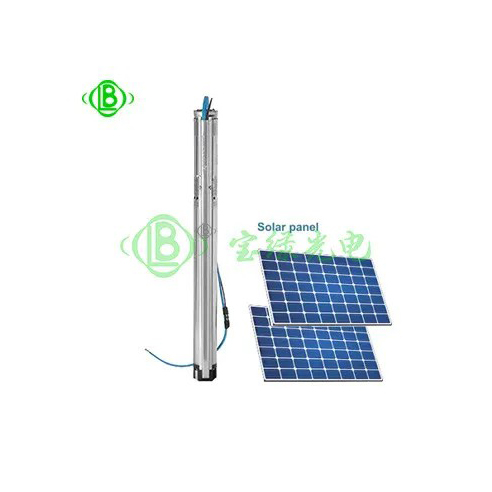

Built for harsh, unmanned areas with minimal maintenance required.


One-time investment enables long-term, zero-carbon and zero-cost operation.
Applications & Case
Application
At Baolv Optoelectronics, we provide tailored solar-powered RO water and energy systems that empower resilience and sustainable growth from remote areas to emergency disaster scenarios.
Go to Project Applications


Our customers are spread all over the world, and now our products have been sold to over 80 countries worldwide. We are also committed to providing high-quality packaging for the world's top companies. Our solar-powered RO plant drinking water systems have served disaster relief operations, humanitarian missions, and commercial projects across every continent — delivering safe, clean water wherever it is needed most.
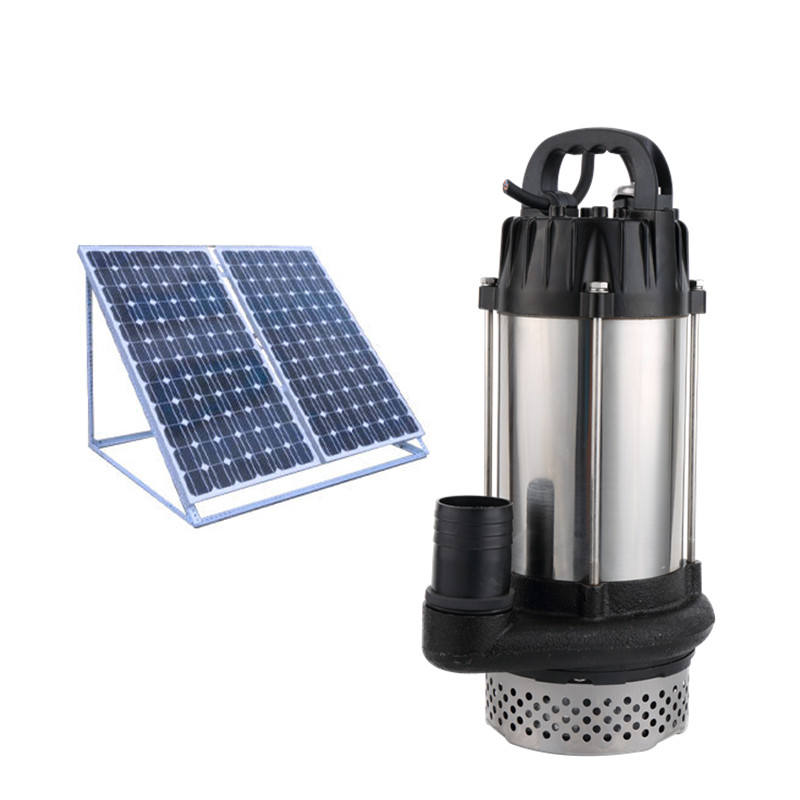
Explore our complete lineup of solar-powered water treatment, purification, and pumping systems for every relief scenario.