Why RO Plant Water Chillers Are Critical for Emergency Preparedness
When natural disasters strike — earthquakes, hurricanes, floods, or industrial accidents — the first infrastructure to collapse is often the municipal water supply. Contaminated groundwater, broken pipelines, and overwhelmed treatment facilities leave millions without access to safe drinking water within hours. This is precisely where RO (Reverse Osmosis) plant water chillers and purification systems become indispensable emergency assets.
An RO plant water chiller for emergency preparedness is not merely a filtration device. It is a self-contained, rapidly deployable water security system capable of converting contaminated surface water, brackish groundwater, or even seawater into WHO-compliant potable water — entirely off-grid and without reliance on damaged electrical infrastructure. When paired with solar energy technology, these systems eliminate the dependency on fuel logistics that often paralyze traditional emergency response operations.
According to the UN, over 2.2 billion people lack access to safe drinking water. RO plant emergency systems are now recognized as frontline infrastructure in global humanitarian response frameworks.
The global market for emergency water purification systems is undergoing a fundamental transformation. Traditional generator-powered RO units are being replaced by intelligent, solar-integrated platforms that feature IoT-based remote monitoring, modular deployment architecture, and AI-assisted maintenance alerts. The commercial and industrial sectors — from military forward operating bases to offshore oil platforms and remote mining camps — are driving unprecedented demand for these advanced systems.
This article explores the current commercial and industrial landscape of RO plant water chillers for emergency preparedness, examines the most significant development trends reshaping the sector, and provides a deep-dive analysis of the most critical real-world application scenarios where these technologies deliver life-saving impact.
$4.8B
Global Emergency Water Treatment Market (2024)
12%
Annual CAGR Projected Through 2030
2.2B
People Without Safe Drinking Water Access
55+
Countries Served by ABG Water Systems
Market Intelligence
Commercial & Industrial Market Status
The RO plant water chiller emergency sector spans government procurement, industrial resilience, and humanitarian deployment.
🏛️
Government & Defense Procurement
National defense agencies, FEMA, and military commands globally are establishing strategic reserves of deployable RO water systems. The U.S. Department of Defense alone operates over 3,200 tactical water purification units, with solar-powered variants becoming the new standard for forward deployment due to zero fuel logistics dependency.
🏭
Industrial Continuity Planning
Pharmaceutical manufacturers, food processing facilities, semiconductor fabs, and data centers — all water-intensive industries — now integrate RO plant emergency systems into Business Continuity Plans (BCP). A single day of water supply disruption can cost a pharmaceutical plant $2–8 million in production losses, making emergency RO infrastructure a critical investment.
🌍
Humanitarian & NGO Markets
UNICEF, WHO, Red Cross, and major NGOs have standardized compact solar-powered RO systems in their emergency response toolkit. Containerized units offering 5,000–50,000 liters/day are pre-positioned in disaster-prone regions across Southeast Asia, Sub-Saharan Africa, and Latin America, enabling sub-24-hour deployment post-disaster.
⚡
Energy Sector & Remote Operations
Offshore oil platforms, remote mining operations, and LNG facilities in water-scarce regions depend entirely on RO plant water chillers for all process and drinking water. These industrial clients demand systems with 99.9%+ uptime SLAs, redundant membrane arrays, and real-time SCADA integration for uninterrupted operations.
🚢
Maritime & Island Applications
Naval vessels, cruise ships, and remote island communities represent a rapidly growing market segment. Seawater desalination RO units with integrated chilling capability enable these operators to achieve complete water independence, with the global maritime RO market projected to exceed $1.2 billion by 2027.
🏗️
Construction & Temporary Infrastructure
Large-scale infrastructure projects in remote locations — pipeline construction, dam projects, tunnel boring operations — require temporary water supply systems for workforce hydration and construction processes. Modular RO plant systems with solar power are becoming the standard solution, eliminating water trucking costs that can reach $50,000/month on remote sites.
Future Outlook
Key Development Trends Reshaping Emergency RO Systems
Technology convergence is creating a new generation of RO plant water chillers that are smarter, faster, and more resilient than ever before.
AI-Optimized Energy Management
Next-generation RO systems integrate machine learning algorithms that predict membrane fouling, optimize pump pressure cycles, and dynamically balance solar panel output against purification demand — reducing energy consumption by up to 35% versus traditional fixed-parameter systems.
IoT Remote Monitoring & Predictive Maintenance
Embedded sensor arrays measuring TDS, turbidity, pH, flow rate, and membrane integrity transmit real-time data to cloud platforms accessible via smartphone. AI-driven predictive maintenance alerts flag component wear weeks before failure, eliminating unplanned downtime in critical emergency deployments.
Containerized Plug-and-Play Deployment
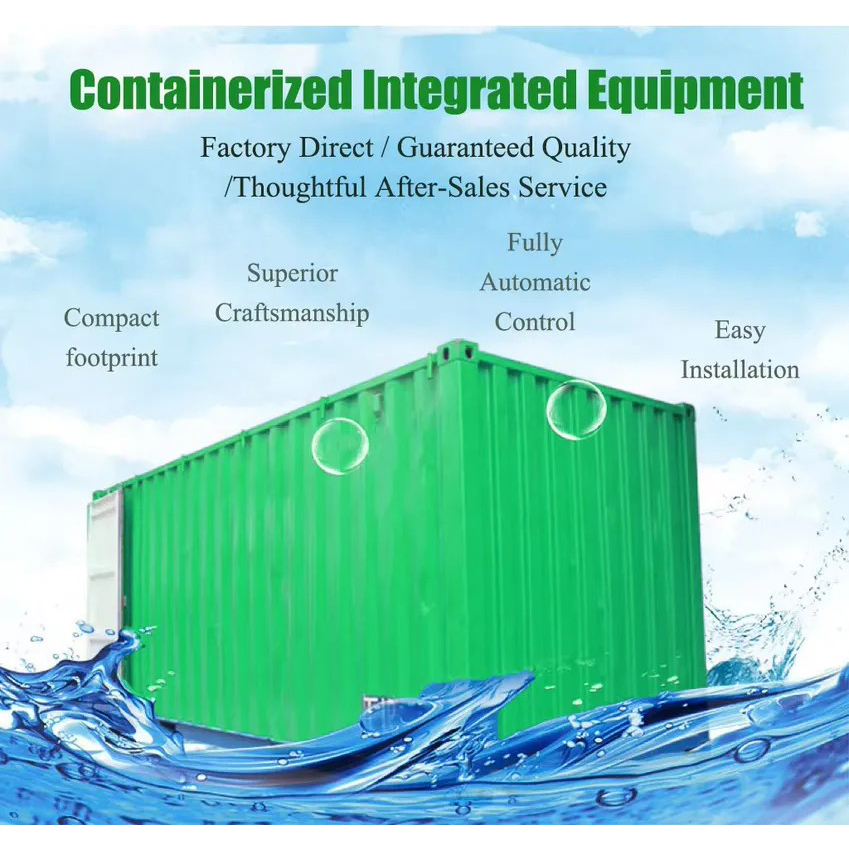
The shift toward fully containerized, ISO-compliant 20ft and 40ft RO plant systems enables air-freight, sea-freight, or truck delivery with sub-4-hour installation time on-site. These turnkey units arrive pre-plumbed, pre-wired, and pre-commissioned, requiring only a water source connection to begin producing safe drinking water.
Hybrid Battery-Solar Energy Storage Integration
Advanced lithium iron phosphate (LiFePO4) battery banks integrated with solar arrays enable 24/7 RO operation regardless of sunlight availability. Systems with 48–72 hours of autonomous battery backup are becoming the emergency preparedness standard, ensuring continuous water production through extended cloudy periods or nighttime operation.
Zero-Liquid Discharge (ZLD) Technology
Emerging ZLD-capable RO systems recover 95–98% of input water, eliminating brine disposal challenges in water-scarce emergency environments. This technology is particularly critical in inland desert communities and closed-loop industrial facilities where brine disposal is legally or environmentally prohibited.
Decentralized Micro-Grid Water Networks
Rather than centralizing water treatment, the emerging paradigm deploys networks of smaller, distributed RO units connected via smart micro-grid control systems. This distributed architecture dramatically increases resilience — damage to one node doesn't compromise the entire network — making it ideal for regional emergency preparedness planning.
Application Deep Dive
Critical Emergency Deployment Scenarios
RO plant water chillers operate across a spectrum of high-stakes environments where clean water access determines survival outcomes.
DISASTER RESPONSE
Post-Earthquake & Flood Emergency Deployment
Within 72 hours of a major seismic or flood event, solar-powered containerized RO systems can be airlifted directly to affected zones. Capable of processing turbid floodwater or contaminated well water, a single 5,000 L/day unit provides safe drinking water for 1,000+ displaced persons, meeting WHO emergency standards without grid connectivity or fuel resupply.
MILITARY & SECURITY
Military Forward Operating Base Water Security
Modern military doctrine requires complete water independence at forward operating bases. Solar-powered RO plant systems eliminate the critical vulnerability of water resupply convoys — historically among the most targeted logistics operations in conflict zones. Compact, vehicle-mountable RO units producing 500–2,000 L/hour are standard equipment in advanced military water security programs.
HEALTHCARE CRITICAL
Field Hospital & Medical Emergency Water Supply
Field hospitals and emergency medical facilities require pharmaceutical-grade purified water for wound irrigation, sterilization processes, dialysis support, and patient hydration. RO plant systems producing water with TDS below 10 ppm and 99.9999% pathogen removal are deployed in WHO-standard emergency medical installations across conflict zones and disaster regions worldwide.
COASTAL & ISLAND
Island Communities & Coastal Emergency Desalination
Pacific island nations, Caribbean communities, and coastal villages with no freshwater aquifers depend entirely on seawater desalination for survival. When hurricanes destroy mainland supply infrastructure, pre-installed solar-powered RO desalination plants with local battery backup become the sole water source for entire island populations. ABG's 1000LPH seawater desalination units are specifically engineered for this scenario.
Product Series
FEATURED PRODUCTS
We are committed to providing customers with efficient, environmentally friendly and sustainable solutions.
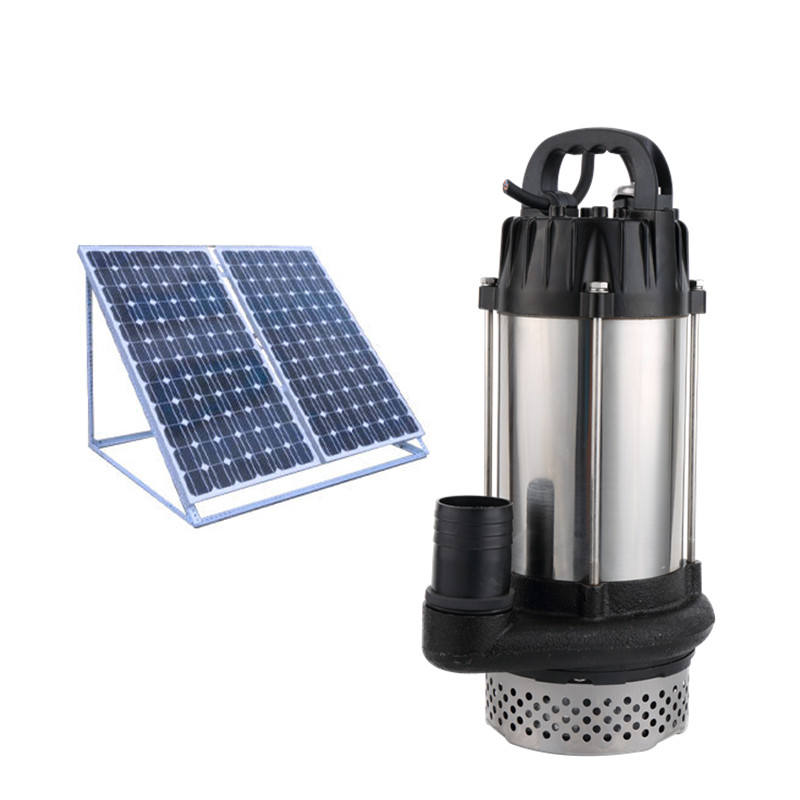
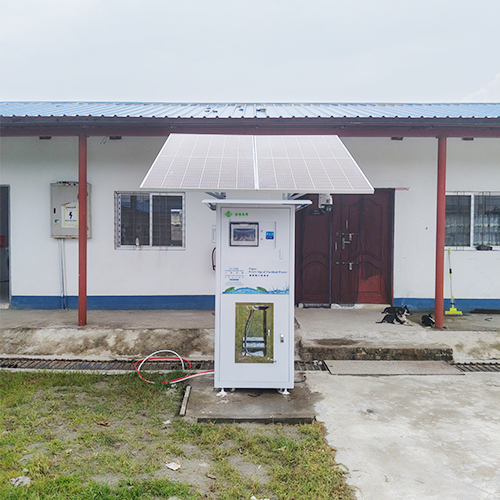
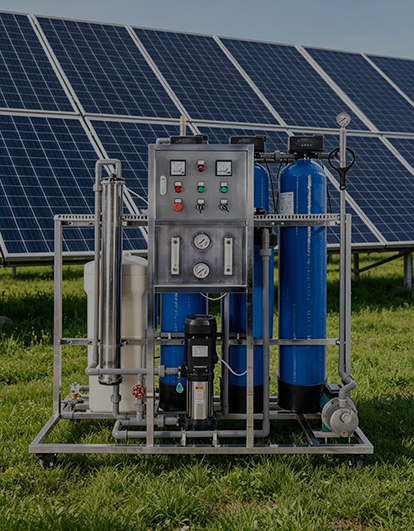
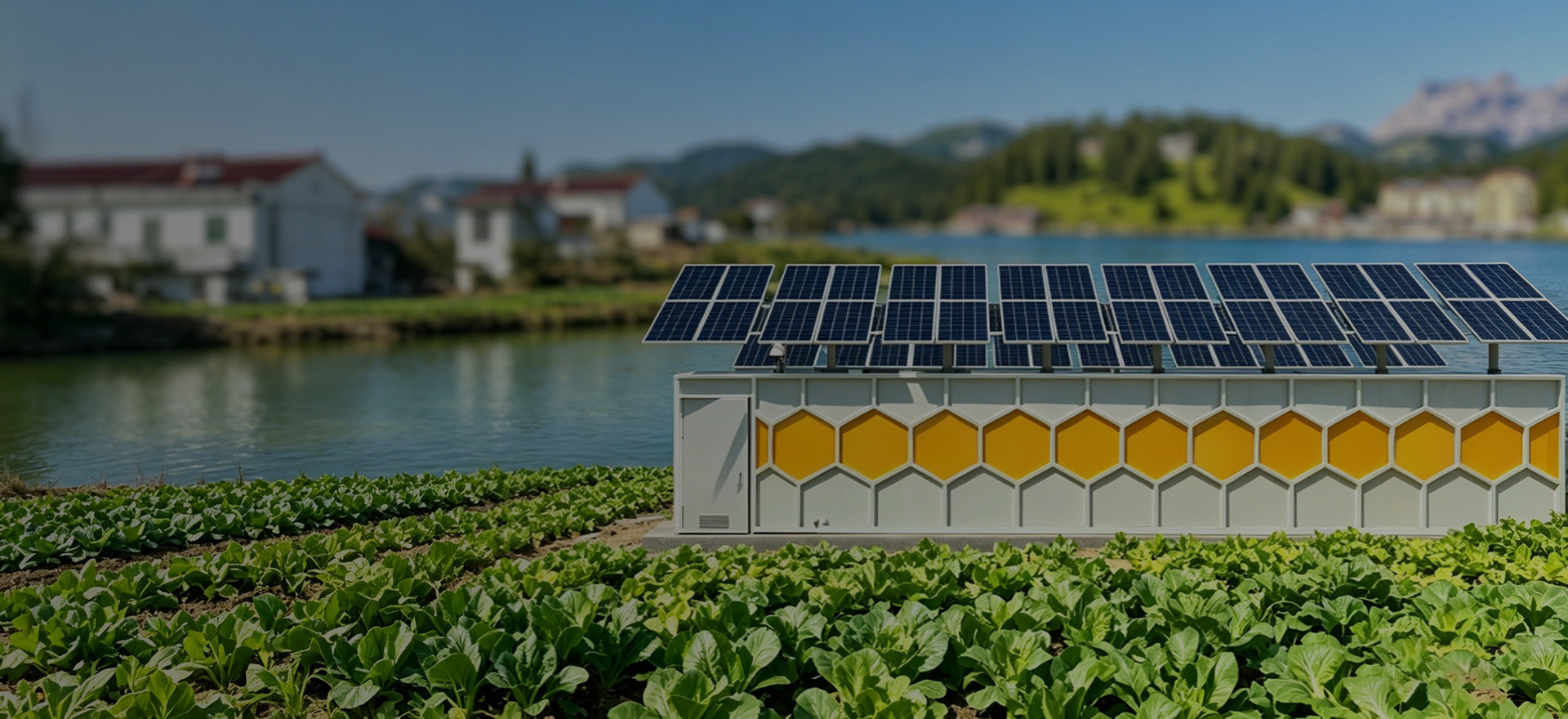
Portable Solar Water Purifier for Emergency Use
Place of Origin: Anhui, China
Brand Name: BL
Certification: ISO9001, ISO14001, ISO45001, CQC
Model Number: BLCT-G050
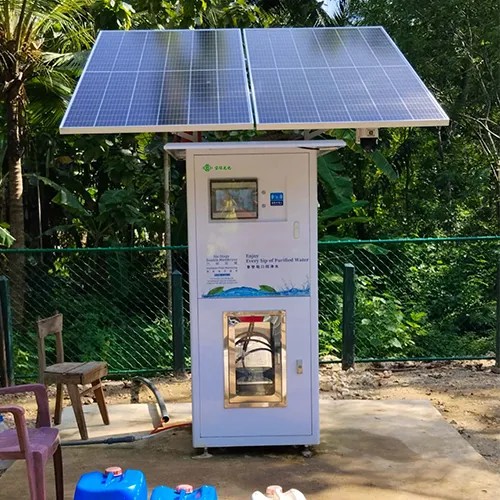
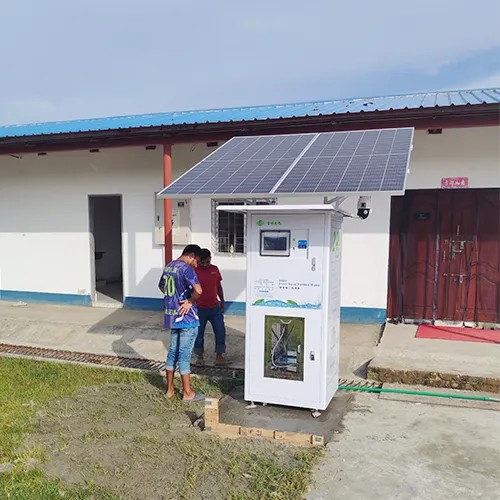
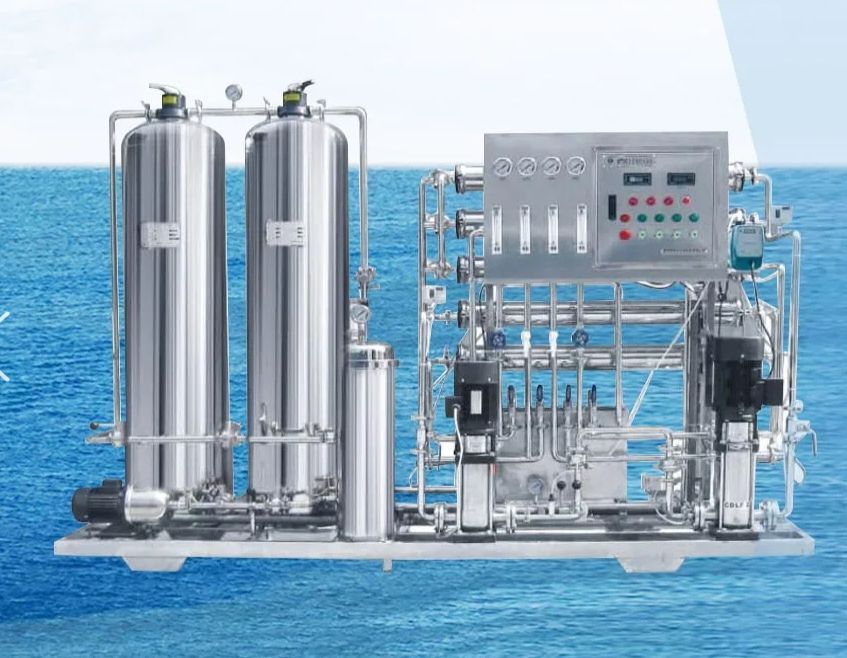
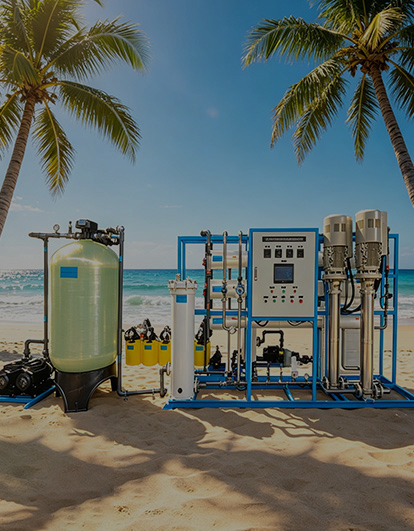
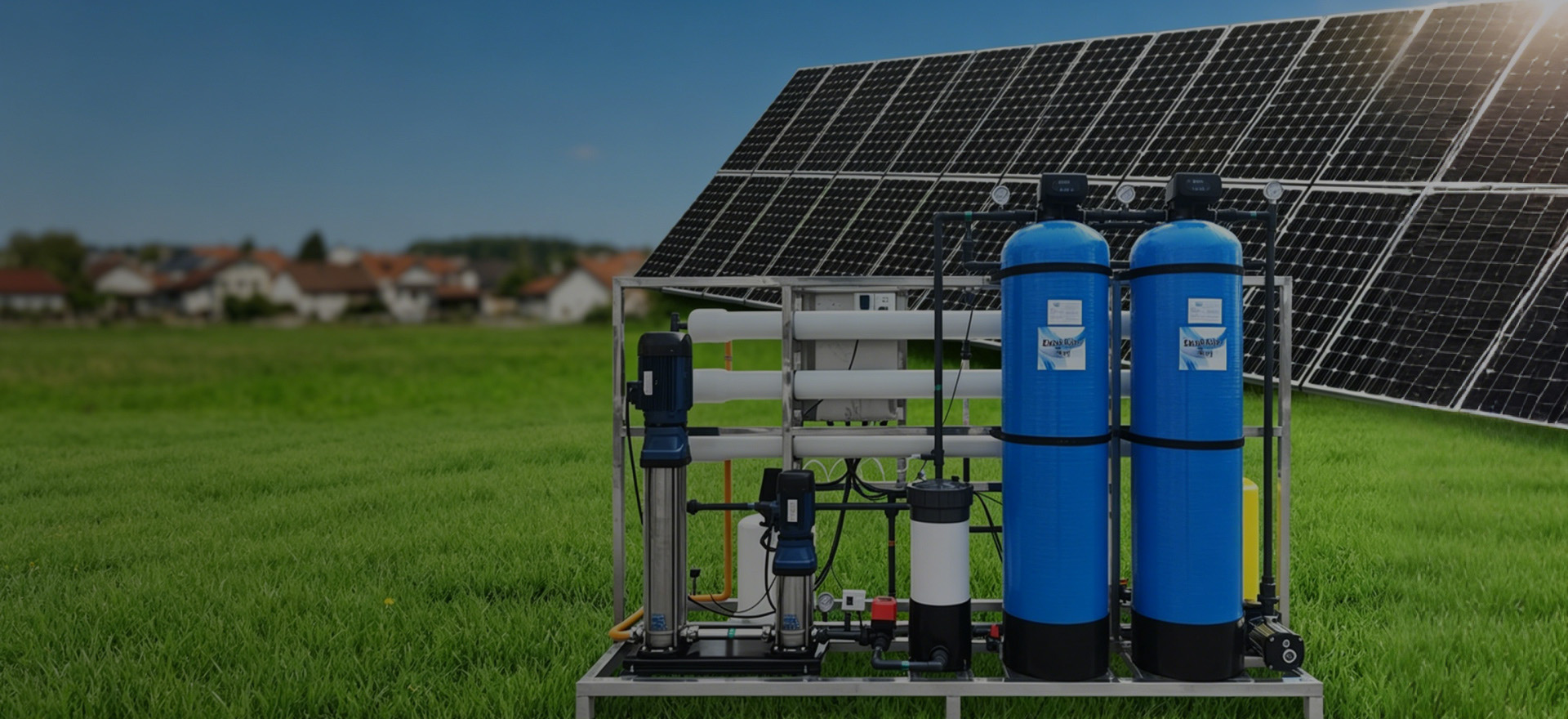
RO Plant Drinking Water System for Emergency Preparedness
Place of Origin: Anhui, China
Brand Name: BL
Certification: ISO9001, ISO14001, ISO45001, CQC
Model Number: BLCT-G050
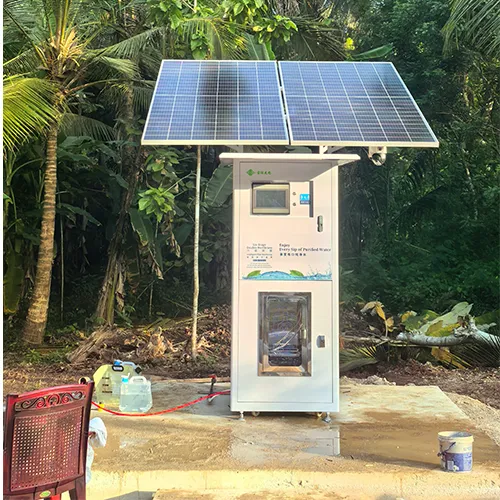
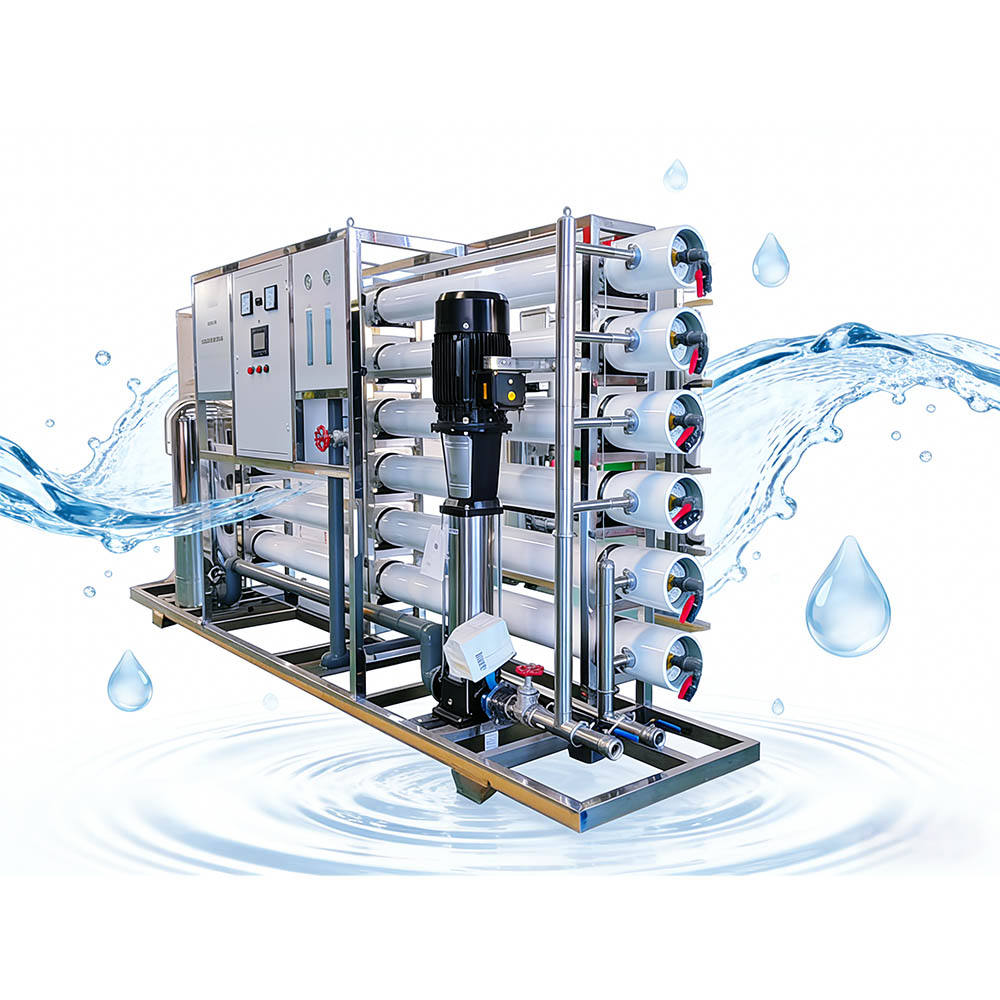
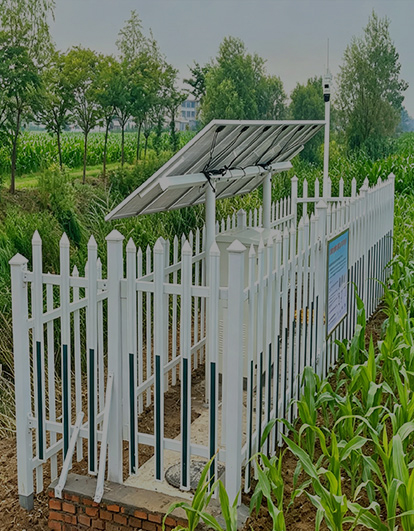
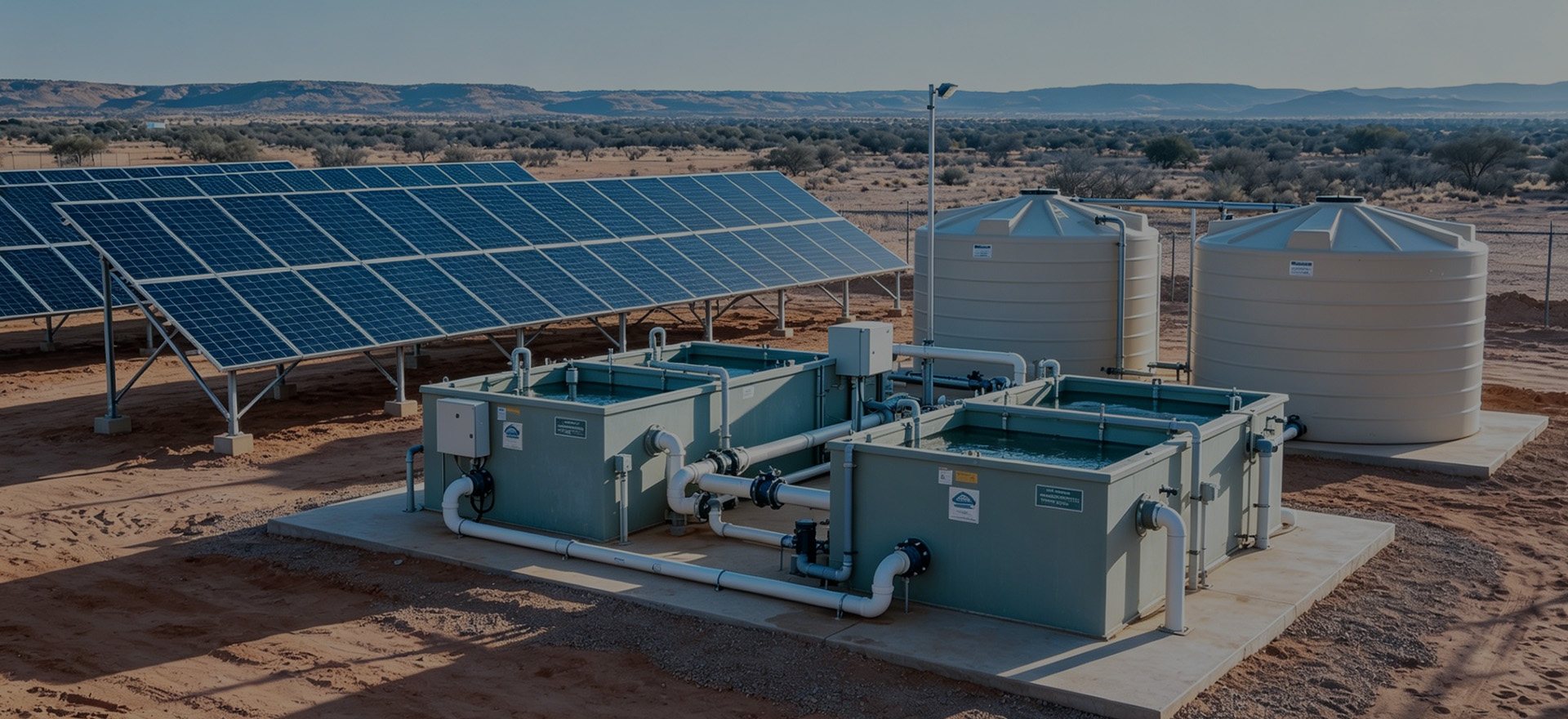
Commercial Emergency-Scale RO Drinking Water System
Place of Origin: Anhui, China
Brand Name: BL
Certification: ISO9001, ISO14001, ISO45001, CQC
Model Number: BLCT-G050
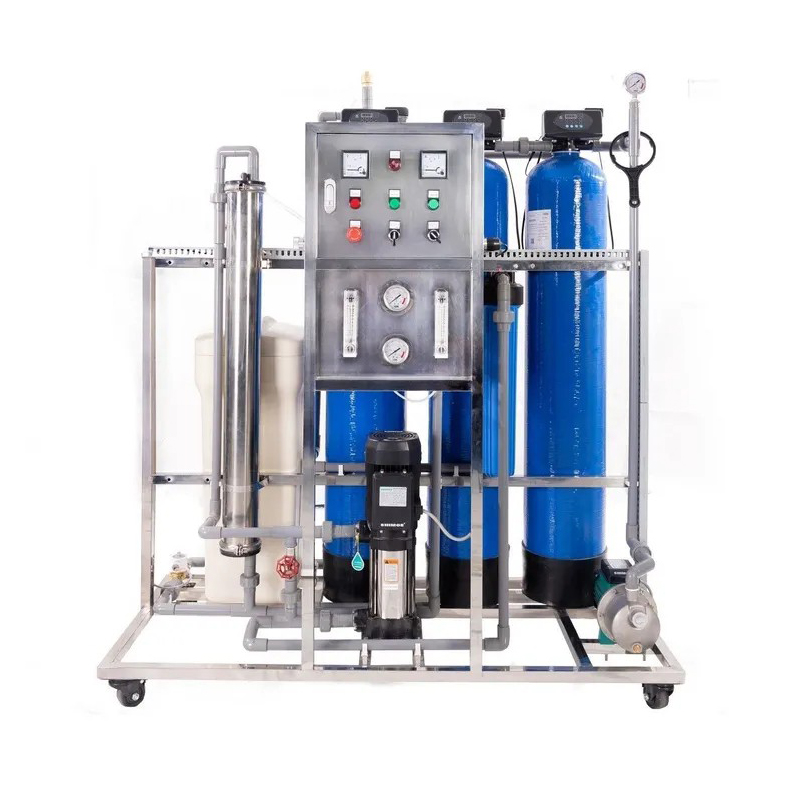
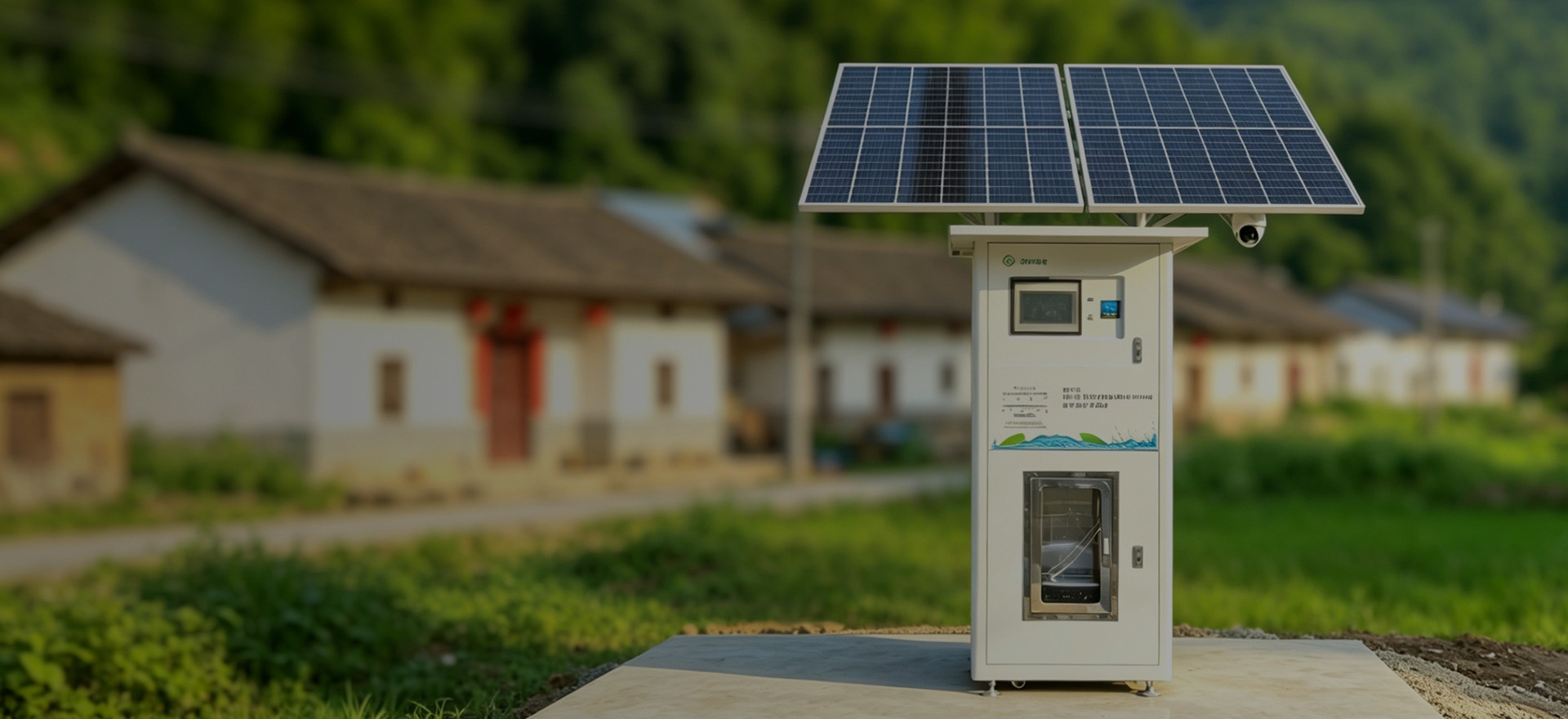
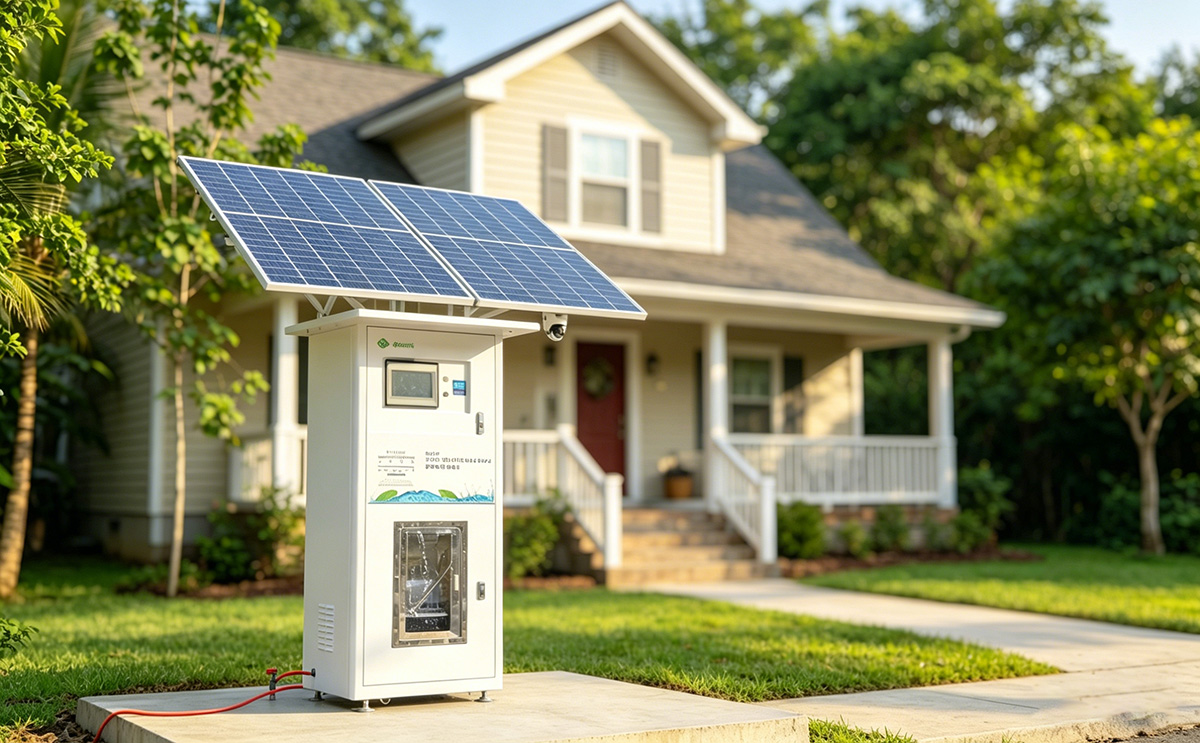
Industrial Water Purification Equipment for Emergency Preparedness
Place of Origin: Anhui, China
Brand Name: BL
Certification: ISO9001, ISO14001, ISO45001, CQC
RO Reverse Osmosis Plant 250L/Hour Water Desalination Solar Water Purifier Machine RO System
Place of Origin: Anhui, China
Brand Name: BL
Certification: ISO9001, ISO14001, ISO45001, CQC
High-Quality 1000LPH Seawater Desalination Unit Ship and Island-Specific Brackish Water RO Direct-Drinking Water Purification Sy
Place of Origin: Anhui, China
Brand Name: BL
Certification: ISO9001, ISO14001, ISO45001, CQC
40ft Containerized Desalination Plant Reverse Osmosis System Including Pump PLC Motor for Salty Seawater Water Purification
Anhui Baolv(ABG) Photoelectric Environmental Protection Equipment Co., Ltd. is a high-tech enterprise wholly owned by Anhui Baolv Photoelectric Engineering Co., Ltd., focusing on R&D and manufacturing of software and hardware for pure solar-powered water environmental protection equipment. We are committed to providing customers with efficient, environmentally friendly and sustainable solutions.
Baode's one-stop energy-saving solutions cut costs, boost efficiency and turn energy-intensive enterprises into energy-saving benchmarks, winning wide acclaim.
Solar-Driven
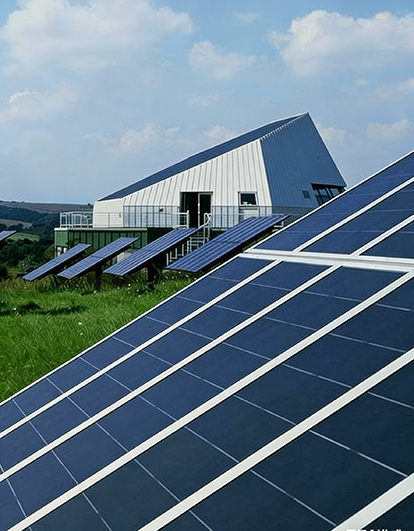
Fully solar-powered for complete, off-grid energy independence.
Modular & Design
Flexible, building-block design adapts to diverse application scenarios.
Rugged & Low-Maintenance
Built for harsh, unmanned areas with minimal maintenance required.
Cost-Free
One-time investment enables long-term, zero-carbon and zero-cost operation.
our solution
Industry Solution
Off-Grid Water Ecosystem
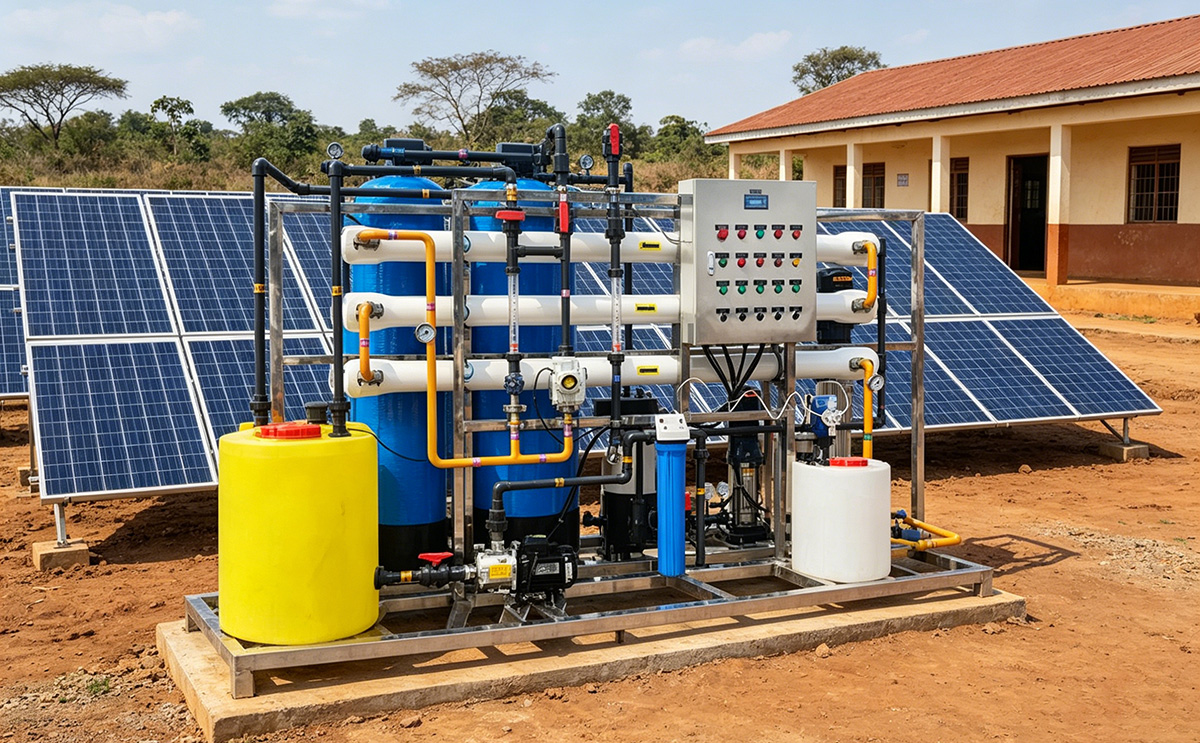
A complete, solar-powered water cycle for remote communities. It provides a cost-free, eco-friendly loop that solves drinking water, sanitation, and irrigation needs sustainably.
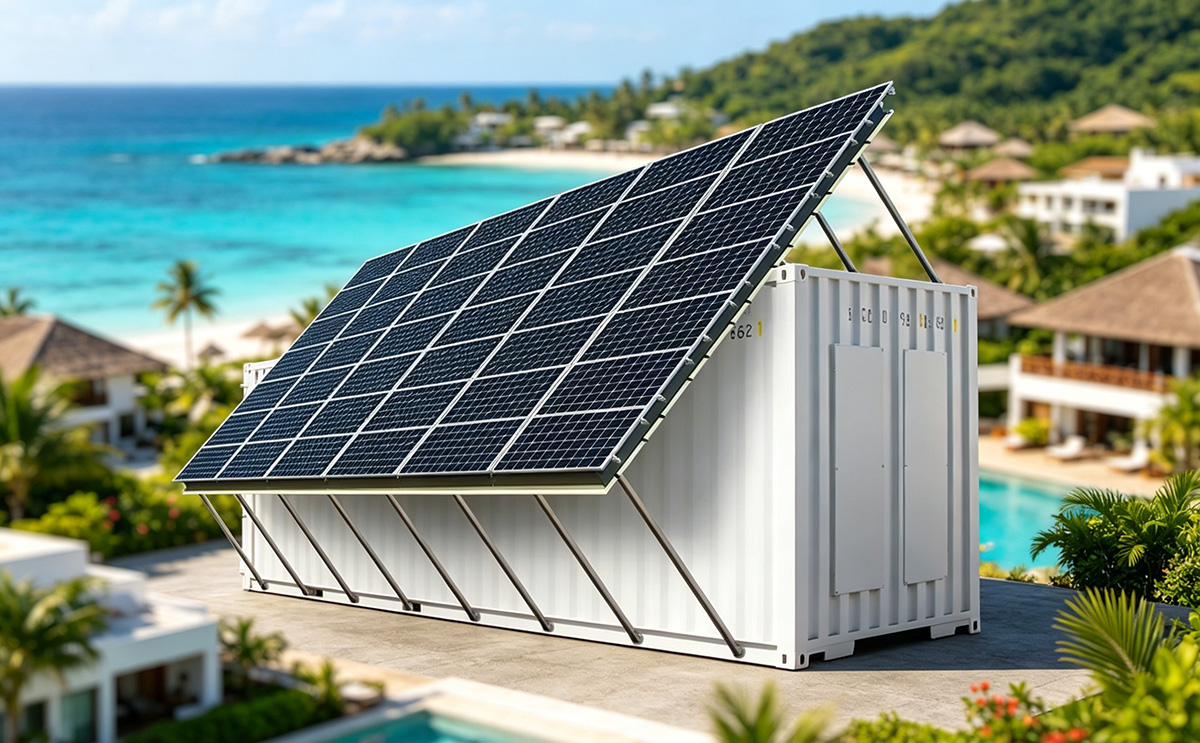
100% solar-powered water infrastructure for eco-resorts. It enables off-grid operation for water and sewage, enhancing sustainability and the guest experience in pristine settings.
Solar-powered pumps replace diesel/grid power for remote farms. They enable automated, precise irrigation, reducing costs and enabling smarter agriculture off-grid.
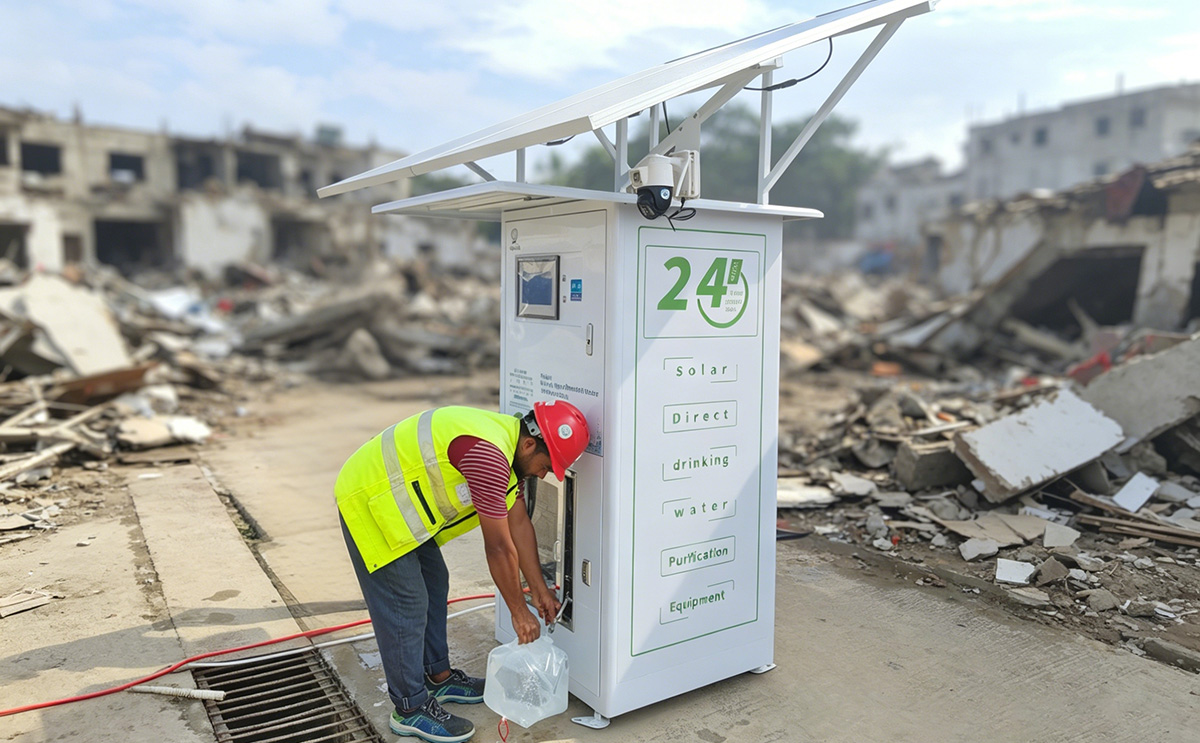
Rapid-deployment, solar-powered units for disaster zones. They independently produce safe drinking water and treat sewage where infrastructure is damaged.
At Baolv Optoelectronics, We provide tailored solar-powered water and energy systems that empower resilience and sustainable growth from remote areas to emergency scenarios.
Our customers are spread all over the world. Our products have been sold to over 80 countries worldwide. We are also committed to providing high-quality packaging for the world's top companies.
55+
Countries served worldwide
Complete Product Range
Emergency Preparedness Water Solutions
Explore our full range of solar-powered RO plant and water treatment systems designed for emergency and off-grid deployment.