The Critical Necessity of RO Water Plants in Humanitarian Aid
Water is the fundamental pillar of human survival. In the wake of natural disasters, armed conflicts, or sudden climate-induced emergencies, localized water infrastructure is often the first to collapse. Pipelines break, sewage systems overflow into freshwater aquifers, and electrical grids shut down, rendering standard water purification methods useless. Without immediate access to clean water, affected populations face a secondary crisis: the rapid spread of lethal waterborne pathogens such as cholera, dysentery, typhoid, and hepatitis A.
Under these extreme conditions, standard filtration methods (such as simple sand filters or basic chlorination) are frequently insufficient, especially when source water is heavily contaminated with chemical pollutants, heavy metals, or high levels of dissolved salts. This is where Reverse Osmosis (RO) Water Plants emerge as the gold standard for humanitarian assistance. By utilizing semi-permeable membranes under high pressure, RO systems physically remove up to 99.9% of all impurities, including viruses, bacteria, micro-plastics, agricultural runoff, and dissolved minerals, transforming brackish groundwater or sea water into pure, life-saving drinking water.
Why Reverse Osmosis (RO) is Essential in Humanitarian Crises
Unlike standard filtration, RO technology acts as an absolute physical barrier. It operates at a molecular level, filtering out particles as small as 0.0001 microns. This guarantees safe drinking water even when the input source is highly turbid, brackish, or contaminated with heavy industrial waste.
Commercial & Industrial Landscape of Humanitarian RO Systems
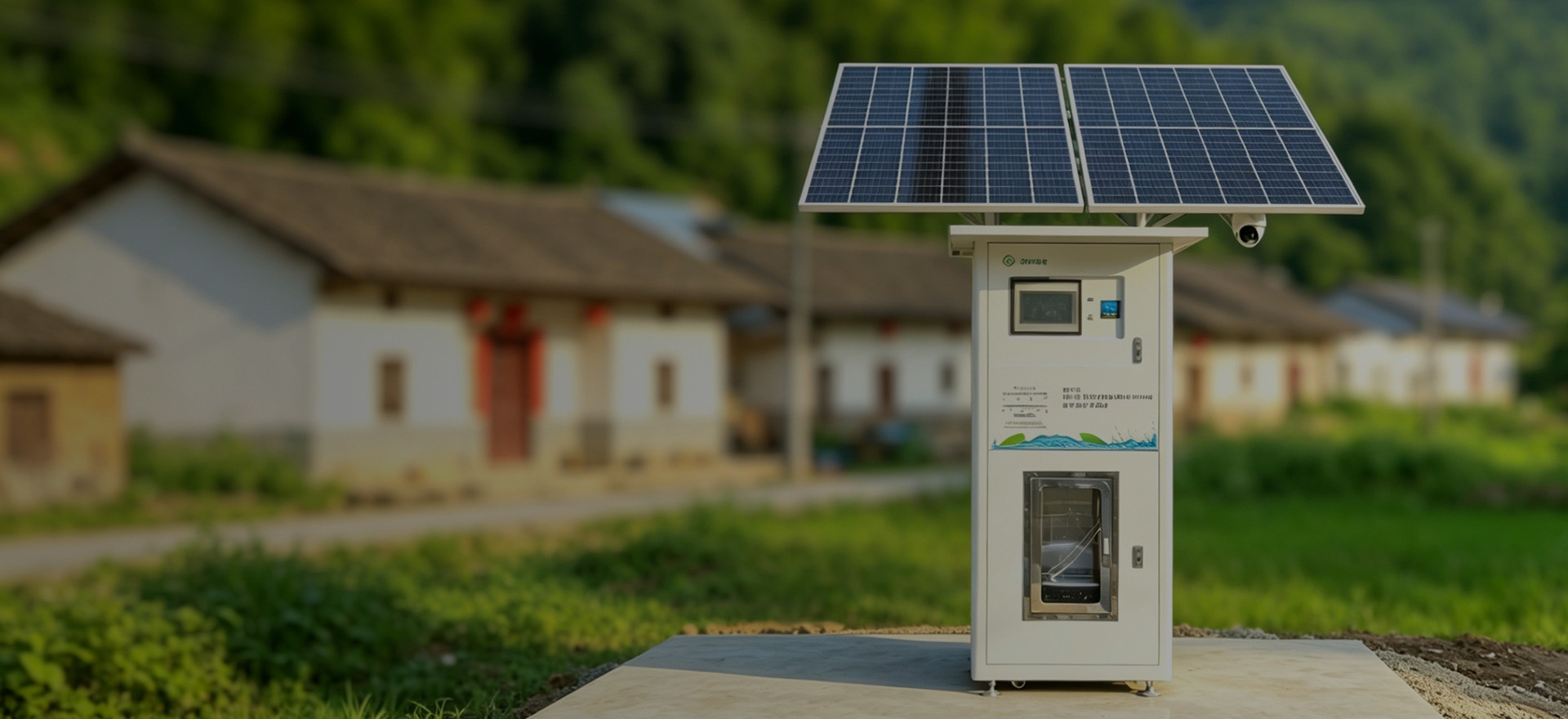
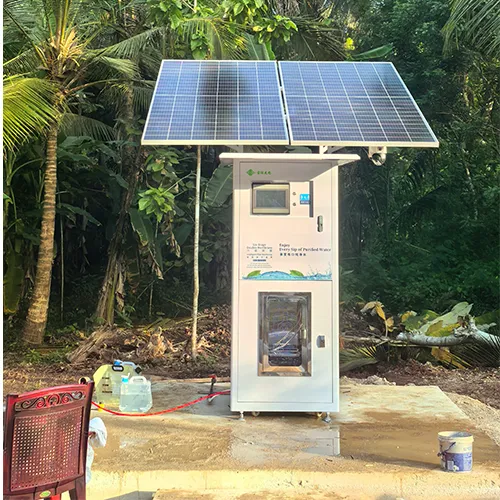
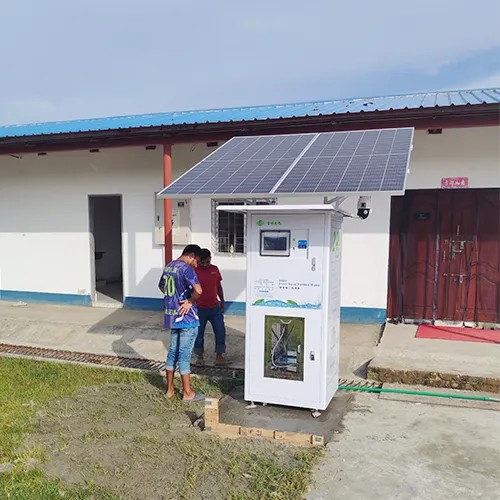
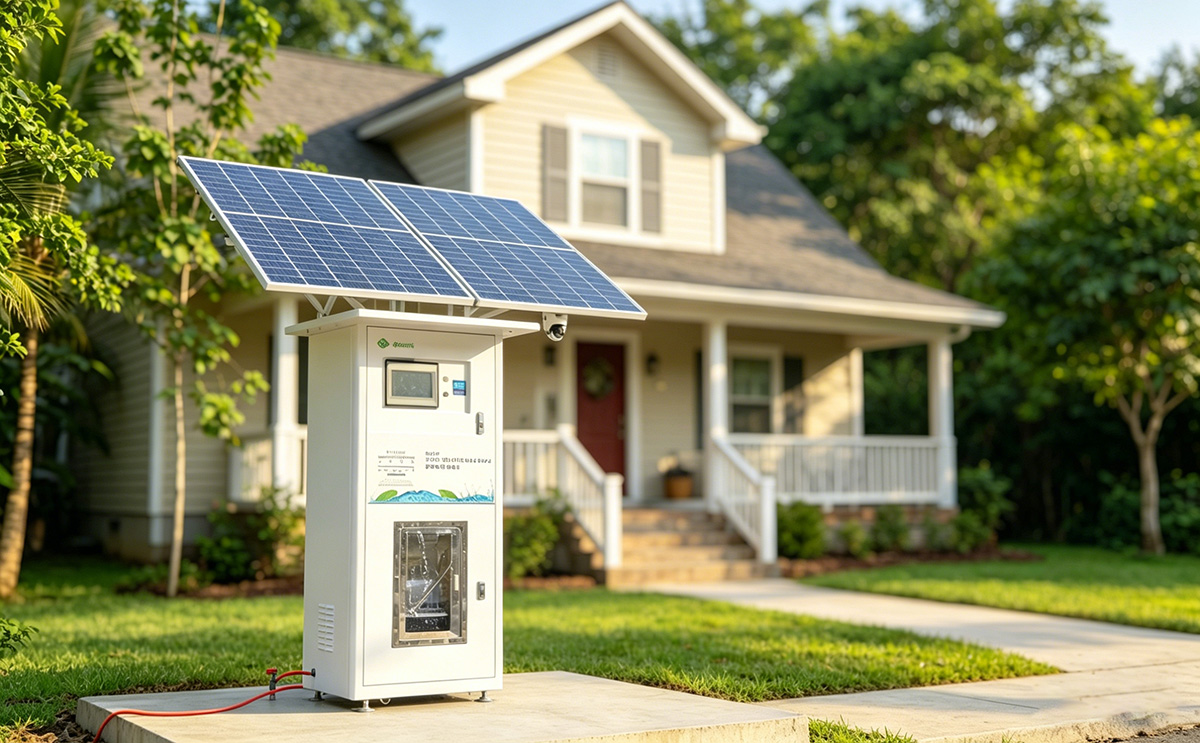
The global market for humanitarian water treatment has shifted dramatically over the past decade. Historically, emergency water relief relied heavily on the logistical nightmare of transporting millions of plastic bottled waters into disaster zones, or deploying heavy, fuel-guzzling diesel water purification trucks. Today, the industry has pivoted toward modular, decentralized, and solar-powered containerized RO systems.
This shift is driven by both economic and environmental imperatives. Non-Governmental Organizations (NGOs), United Nations agencies (such as UNHCR and UNICEF), and national disaster response groups are actively seeking solutions that minimize operational expenditure (OPEX) and carbon footprints. Diesel generators require a continuous supply of fuel, which is difficult, expensive, and dangerous to transport into active conflict zones or remote disaster areas. Solar-powered RO plants, on the other hand, require a one-time capital investment and utilize free, abundant solar energy to produce clean water indefinitely.
Furthermore, commercial manufacturers are now designing systems with high-strength, lightweight materials and standardized modular frames. These systems can be easily transported via standard shipping lanes, commercial cargo planes, or even off-road utility vehicles. By standardizing connections and control systems, manufacturers allow local technicians or aid workers to deploy and operate these plants with minimal training, drastically reducing the dependency on fly-in foreign engineers.
Deep-Dive Application Scenarios in Humanitarian Relief
Humanitarian aid is not a one-size-fits-all sector. The environments in which relief organizations operate vary from highly dense, temporary urban settlements to hyper-remote, arid wildernesses. The versatility of modern RO plants allows them to be customized for several distinct scenarios:
1. Rapid Response to Natural Disasters
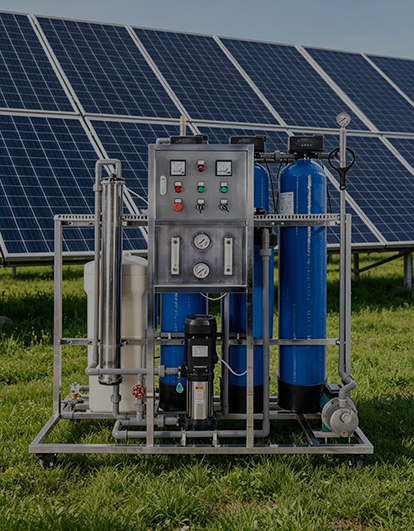
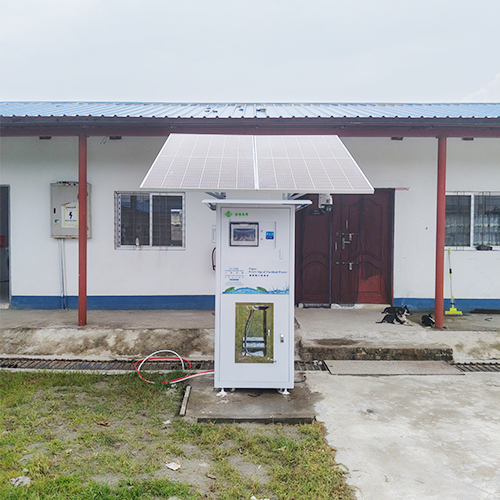
In the immediate aftermath of earthquakes, tsunamis, or hurricanes, time is measured in lives. First responders require highly portable, plug-and-play water purification units. Portable solar water purifiers can be deployed within hours, drawing water from local rivers, lakes, or swimming pools. These compact units operate completely off-grid, ensuring that field hospitals and search-and-rescue teams have immediate access to sterile water for medical use and hydration.
2. Semi-Permanent Refugee and IDP Camps
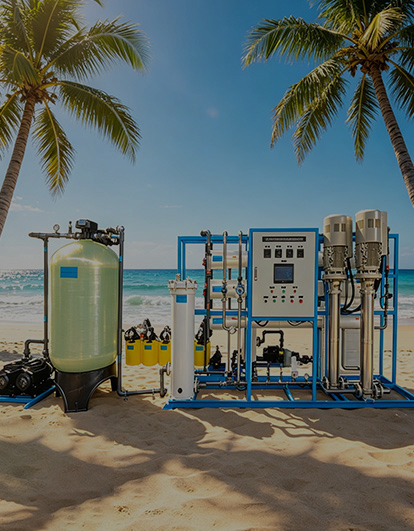
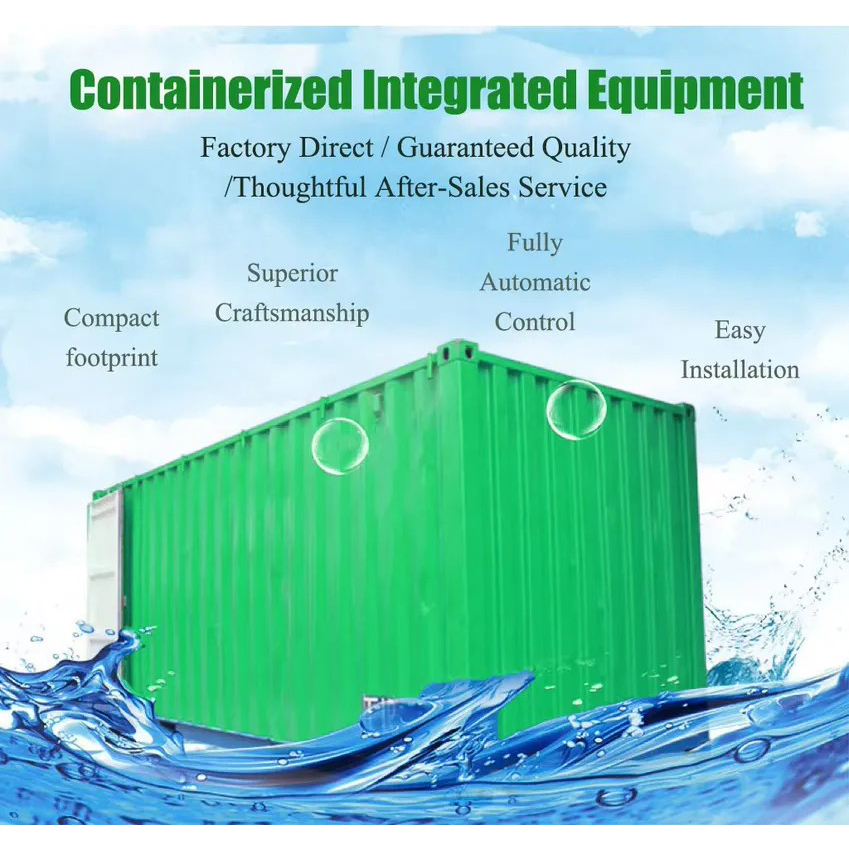
When displacement becomes long-term, temporary solutions are no longer viable. Refugee camps housing tens of thousands of people require robust, high-volume water infrastructure. Containerized RO plants, built inside standard 20ft or 40ft shipping containers, act as centralized water treatment hubs. These systems can process hundreds of thousands of liters of brackish groundwater daily, distributing it through local pipe networks or centralized water kiosks. Powered by solar arrays during the day, these systems can also feed excess energy back into the camp's microgrid or charge battery banks for night-time operation.
3. Remote Field Clinics and Mobile Medical Units
Medical facilities in crisis zones have strict water quality standards. Water used for washing wounds, reconstituting medicines, and sterilizing surgical equipment must be completely free of pathogens and chemical impurities. Small-scale, highly reliable RO units integrated with UV sterilizers are deployed directly inside these mobile clinics, ensuring that healthcare workers can operate safely without risking secondary infections among patients.
4. Climate Change Mitigation in Arid Regions
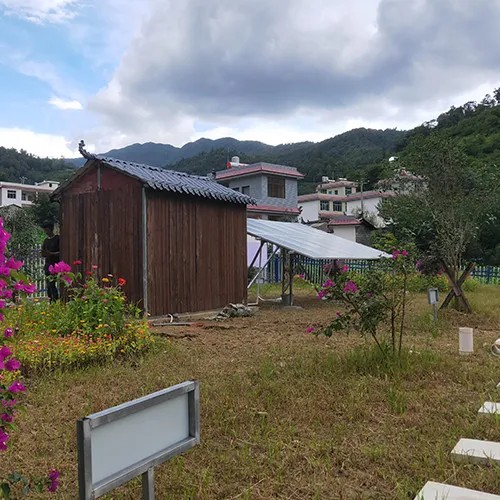
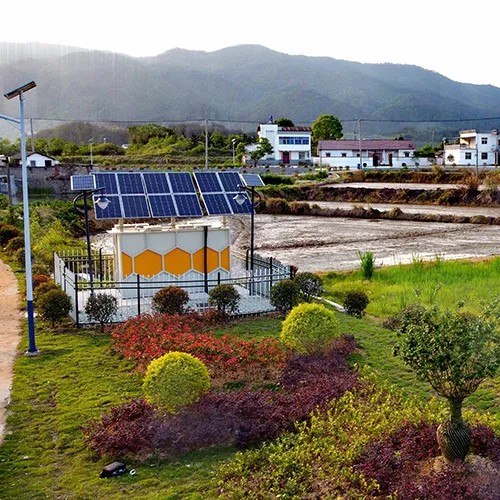
Slow-onset disasters, such as prolonged droughts caused by climate change, are displacing communities across Sub-Saharan Africa, the Middle East, and parts of Asia. As local freshwater wells dry up, communities are forced to rely on deep, highly saline aquifers. Decentralized, solar-driven brackish water RO plants are installed as permanent community assets, providing a reliable source of drinking water and agricultural irrigation, thereby preventing climate-induced displacement before it occurs.
The Solar Advantage in Off-Grid Water Infrastructure
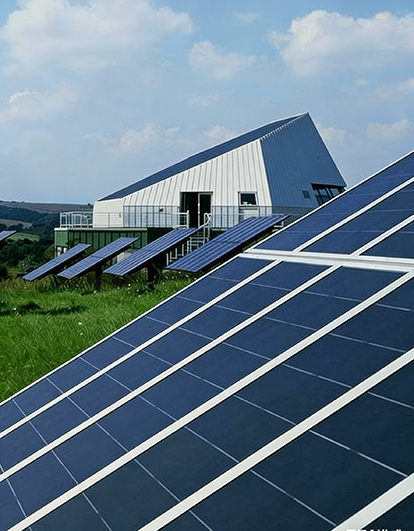
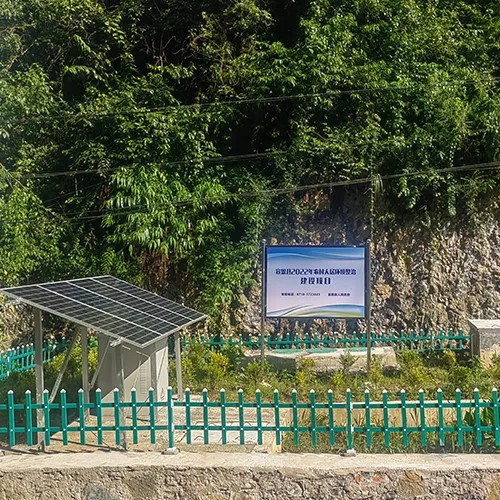
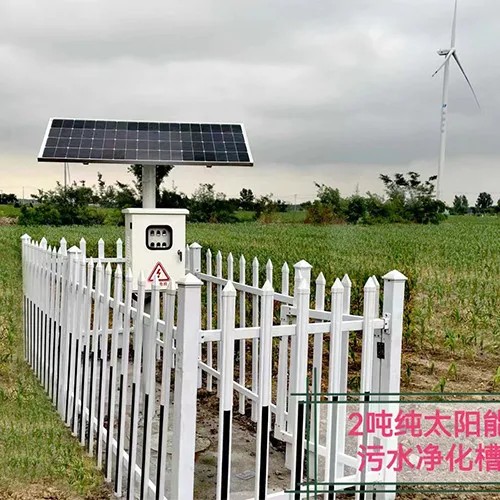
By pairing solar photovoltaic arrays with high-efficiency variable-frequency drives (VFDs), modern RO plants can run directly off solar power without the need for expensive, heavy chemical batteries. The system automatically adjusts its pump speed based on the available sunlight, maximizing daily water output while minimizing maintenance costs.
Key Development Trends and Technological Innovations
The engineering behind humanitarian RO water plants is evolving rapidly, focusing on resilience, efficiency, and ease of operations. Several key trends are shaping the future of this industry:
A. Smart IoT and Remote Monitoring
One of the greatest challenges in humanitarian water projects is long-term maintenance. Once the initial aid funding cycle ends, many water plants fall into disrepair due to a lack of spare parts or technical expertise. To solve this, modern RO plants are equipped with IoT sensors and satellite/cellular communication modules. Engineers located anywhere in the world can monitor system pressure, membrane fouling, water flow rates, and water quality in real time. Automated alerts warn operators when a filter needs replacing, preventing catastrophic system failures.
B. Advanced Energy Recovery Devices (ERDs)
Reverse osmosis is historically an energy-intensive process because it requires high pressures to overcome natural osmotic pressure, especially when treating seawater. The integration of advanced Energy Recovery Devices (such as rotary isobaric chambers) allows systems to recycle the hydraulic energy from the concentrated waste stream. This reduces the overall energy consumption of the desalination process by up to 60%, allowing for smaller solar arrays and dramatically reducing system costs.
C. Anti-Fouling and Low-Maintenance Membranes
In disaster zones, the feed water quality can fluctuate wildly. Highly turbid water can quickly clog (foul) standard RO membranes. Manufacturers are developing advanced membrane chemistries and automated physical backwashing systems that resist biological and mineral scaling. These innovations extend membrane lifespan from months to years, even when operating under harsh, unpredictable conditions.
Conclusion: Building a Resilient Future
As climate change accelerates and geopolitical instability increases, the frequency and severity of humanitarian crises will inevitably rise. Ensuring access to safe drinking water is not only a matter of basic human rights, but it is also the foundation of global health and security. Anhui Baolv (ABG) Photoelectric Environmental Protection Equipment Co., Ltd. stands at the forefront of this critical industry, combining decades of engineering expertise with cutting-edge solar technology to deliver reliable, off-grid water solutions. By investing in modular, solar-powered RO water plants, governments, NGOs, and private enterprises can build a more resilient world, ensuring that when disaster strikes, clean water is always within reach.