RO Water Treatment For Coastal Desalination: Engineering Sustainable Fresh Water Solutions
In an era defined by rapid urbanization, climate volatility, and expanding industrial footprints, the scarcity of freshwater has escalated from a localized challenge to a global crisis. Coastal regions, paradoxically situated next to infinite water sources, are often the hardest hit due to groundwater salinization, rising sea levels, and the over-extraction of traditional aquifers. To bridge this critical supply-demand gap, Reverse Osmosis (RO) water treatment for coastal desalination has emerged as the premier technological solution, converting abundant seawater into high-purity, life-sustaining fresh water.
This comprehensive analysis explores the commercial and industrial landscape of coastal desalination, details the multi-stage engineering processes involved in seawater reverse osmosis (SWRO), highlights future technological trends, and showcases real-world application scenarios that demonstrate how modern desalination is shaping a sustainable, water-secure future.
1. The Commercial and Industrial Landscape of Coastal Desalination
The global desalination market is experiencing an unprecedented surge, driven by the intersecting demands of growing municipal populations, expanding agricultural zones, and high-water-consumption industries such as power generation, oil & gas, and microelectronics manufacturing. Historically, desalination was viewed as an energy-intensive, cost-prohibitive technology reserved only for wealthy, arid nations. However, over the past two decades, key industrial advancements have radically transformed its economic viability.
Key Market Drivers and Economic Dynamics
- Population Density in Coastal Zones: Over 40% of the global population lives within 100 kilometers of a coastline. This demographic concentration places immense pressure on local municipal water utilities, making coastal desalination the most logical choice for municipal expansion.
- Reductions in Operational Expenditure (OPEX): The cost of producing desalinated water has plummeted by more than 50% since the late 1990s. This reduction is primarily due to advancements in membrane durability, the development of ultra-high-efficiency Energy Recovery Devices (ERDs), and the integration of renewable energy sources.
- Industrial Self-Sufficiency: Modern industrial plants located in coastal areas are increasingly investing in private SWRO facilities to secure an uninterrupted supply of process water, bypassing municipal grid vulnerabilities and local water restrictions.
2. Deep-Dive: The Multi-Stage Seawater Reverse Osmosis (SWRO) Process
Converting raw seawater (which typically contains between 35,000 to 45,000 milligrams per liter of Total Dissolved Solids, or TDS) into potable water (TDS < 500 mg/L) requires a highly engineered, multi-stage process. Each stage is critical to protecting the delicate RO membranes and ensuring maximum system efficiency.
A. Seawater Intake Systems
The process begins with drawing seawater. There are two primary methods: open ocean intakes and subsurface intakes (such as beach wells). Subsurface intakes are highly preferred for smaller to medium-scale plants as the sand acts as a natural pre-filter, significantly reducing the concentration of organic matter, algae, and suspended solids before the water enters the treatment facility.
B. Advanced Pre-Treatment
Pre-treatment is the defensive shield of any RO system. Seawater contains biological matter, colloidal particles, and dissolved organics that can quickly cause biofouling and scaling on membrane surfaces. Typical pre-treatment steps include:
- Coagulation and Flocculation: Chemical dosing to bind micro-particles into larger clumps.
- Media Filtration: Passing water through multi-media filters (sand and anthracite) to remove suspended particles.
- Ultrafiltration (UF) and Microfiltration (MF): Utilizing pressurized membrane systems to screen out bacteria, viruses, and macromolecular organic compounds, providing a consistent Silt Density Index (SDI) of less than 3, which is ideal for RO feed water.
C. High-Pressure Reverse Osmosis (RO) Filtration
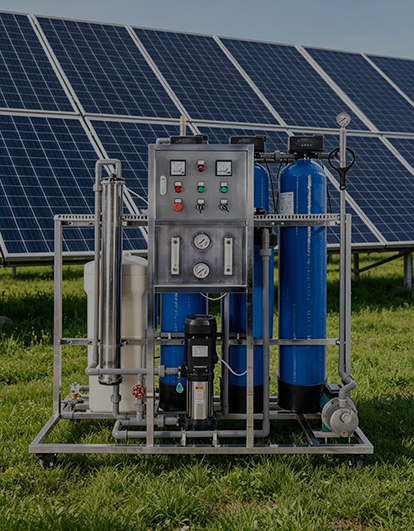
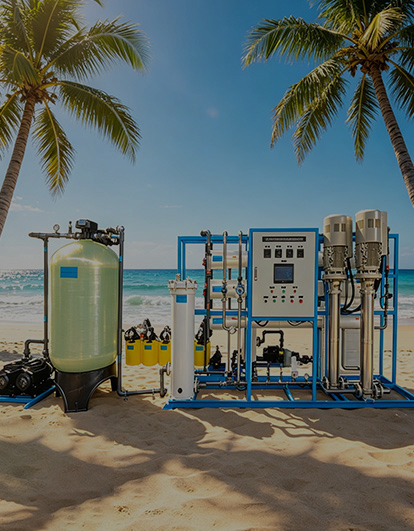
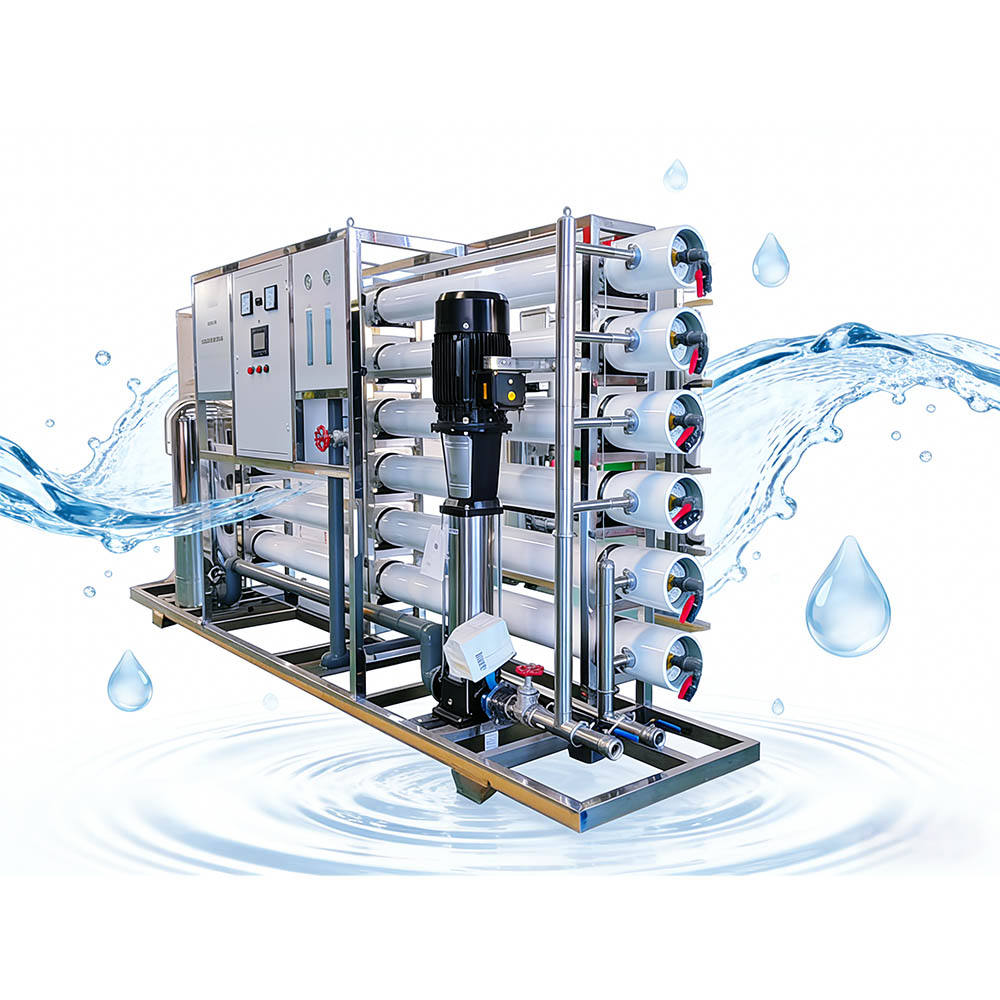
At the heart of the system lies the RO membrane array. Because seawater has a high osmotic pressure (typically around 25 to 30 bar), high-pressure pumps must pressurize the feed water to between 55 and 80 bar to force pure water molecules through the semi-permeable polyamide membranes while leaving dissolved salts, heavy metals, and impurities behind.
D. Energy Recovery Devices (ERDs)
The high-pressure brine (concentrated salt water) rejected by the RO membranes still contains massive amounts of pressure energy. Modern systems utilize rotary pressure exchangers to capture this energy and transfer it directly to the incoming raw seawater feed, reducing the electrical energy consumption of the high-pressure pumps by up to 60%. This single technology has made RO the most energy-efficient desalination process available today.
E. Post-Treatment and Remineralization
The permeate water emerging from the RO membranes is highly pure but slightly acidic and lacking in essential minerals. Post-treatment involves injecting carbon dioxide and lime (calcium hydroxide) or passing the water through calcite beds to restore a balanced pH and add calcium and magnesium ions. This step makes the water pleasant to drink and prevents it from corroding municipal distribution piping.
3. Technological Innovations and Future Trends
The future of RO water treatment for coastal desalination is defined by the pursuit of zero-carbon operations, intelligent automation, and advanced materials science.
Solar-Powered and Renewable Integration
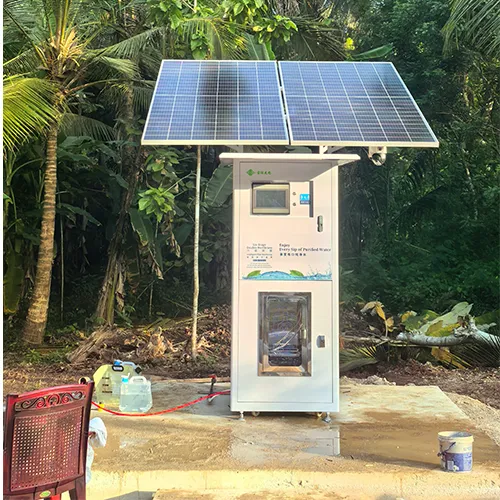
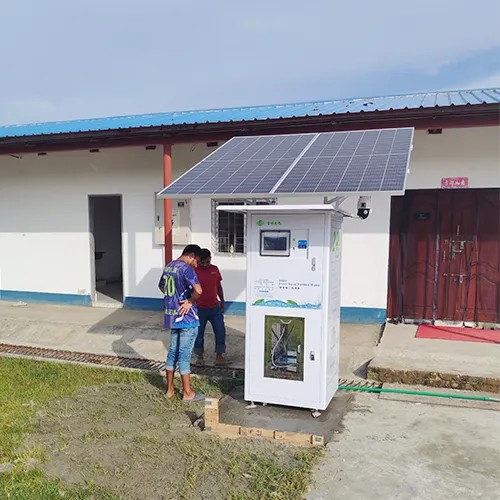
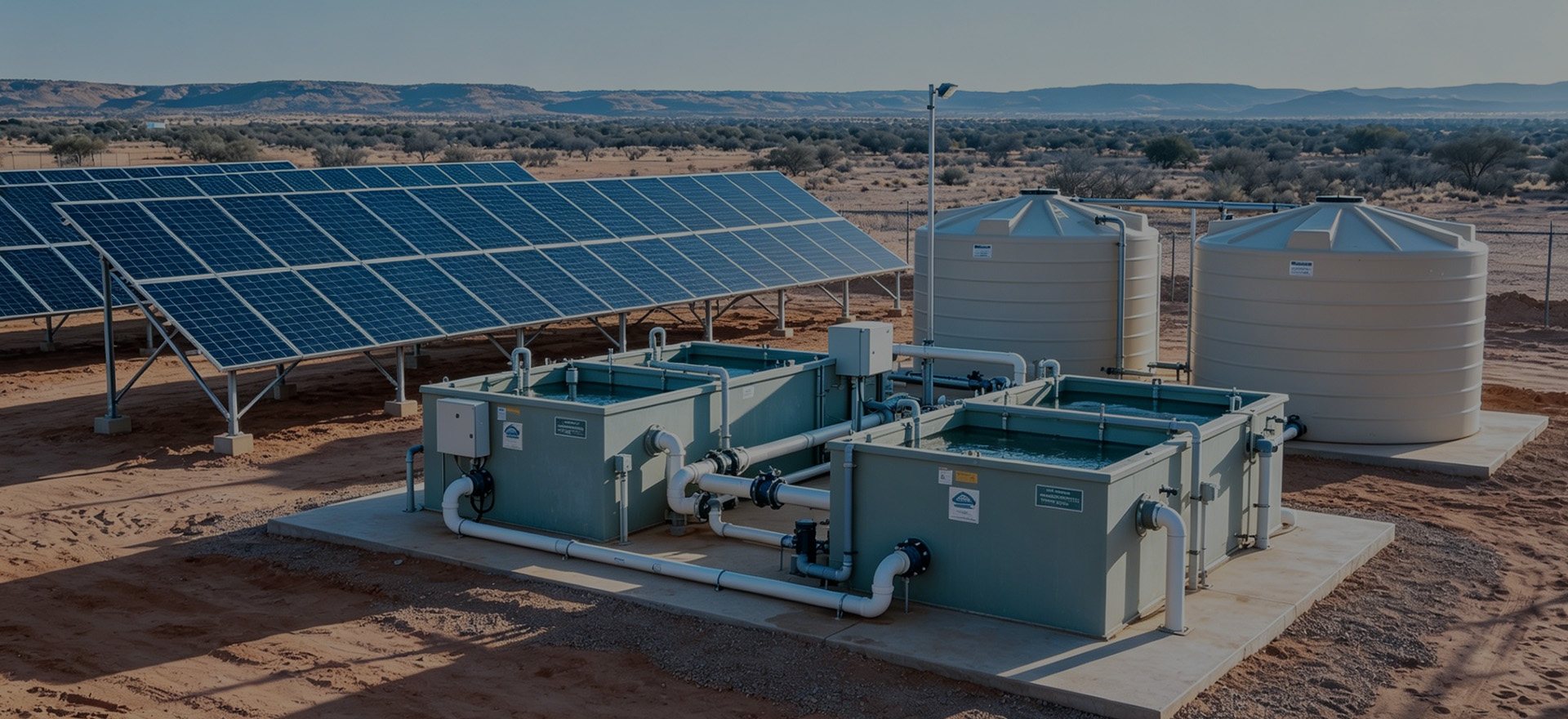
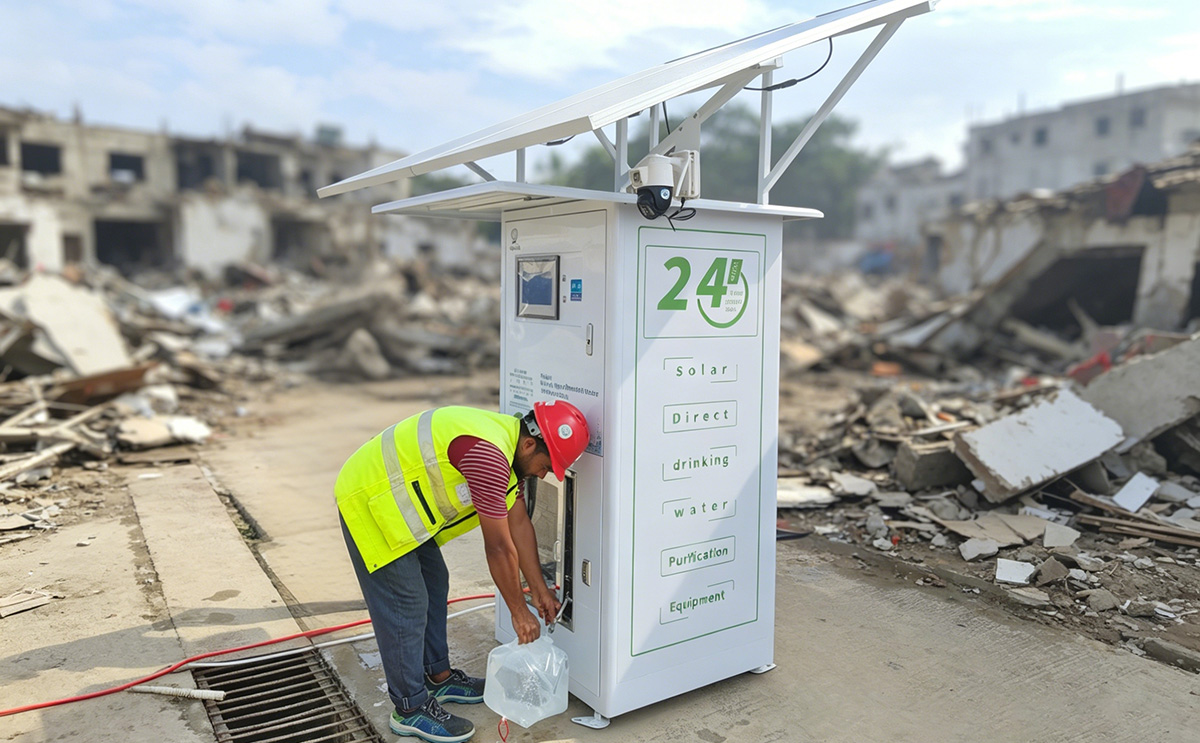
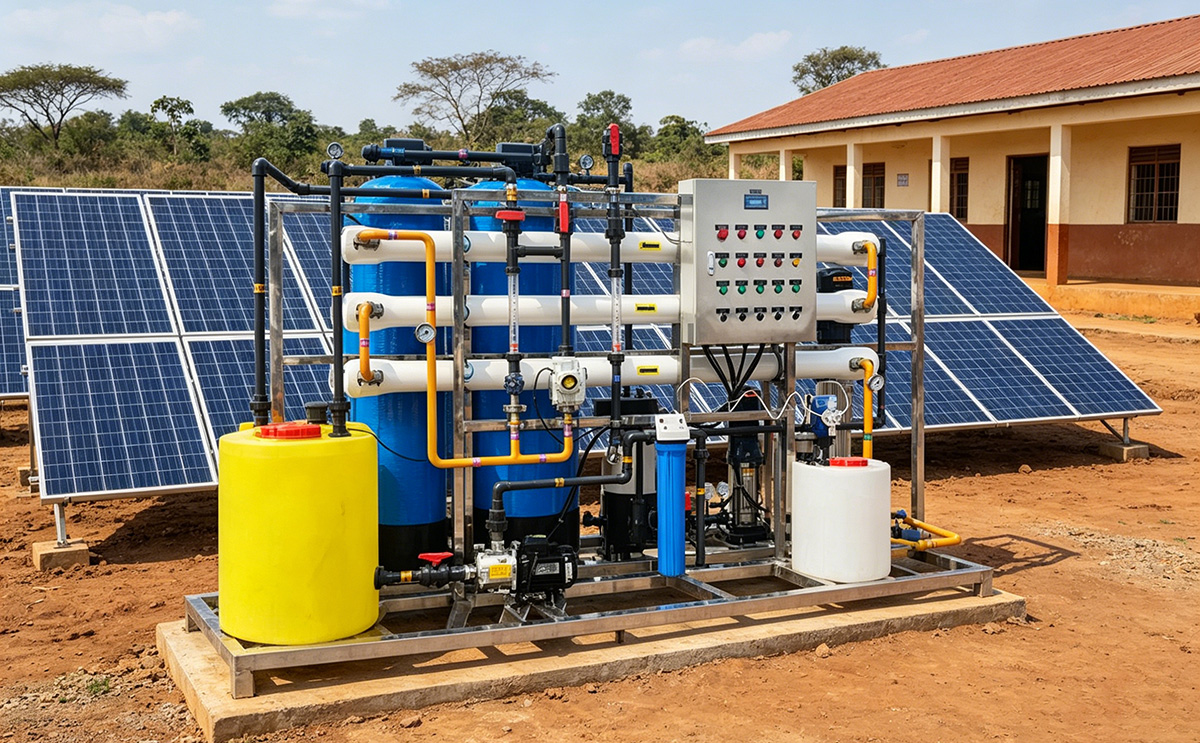
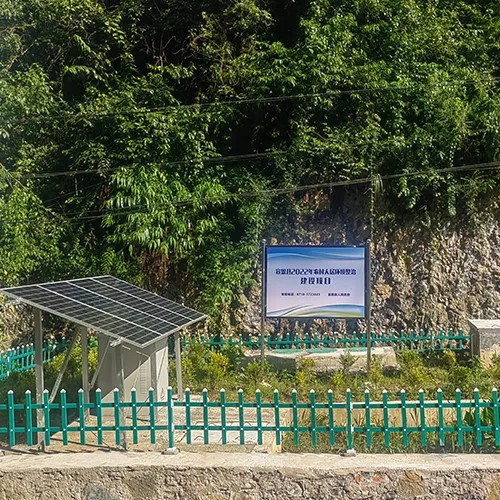
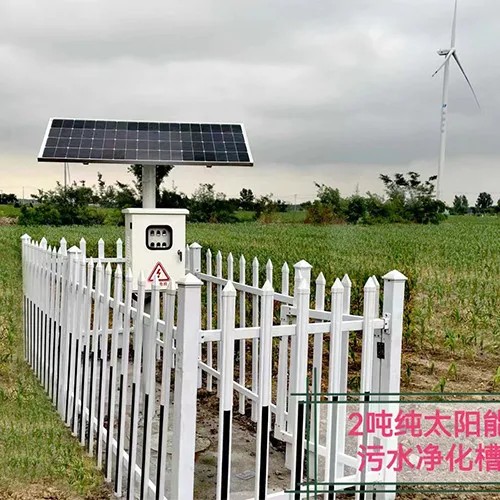
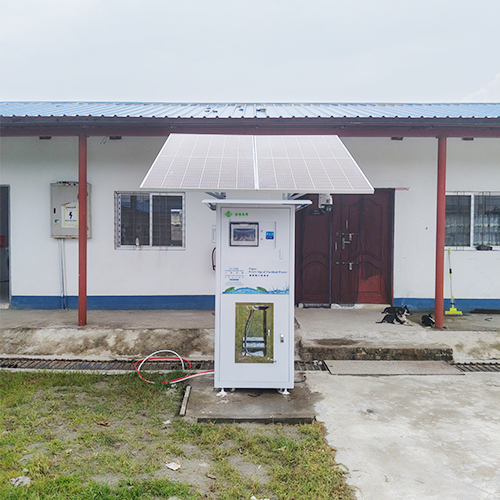
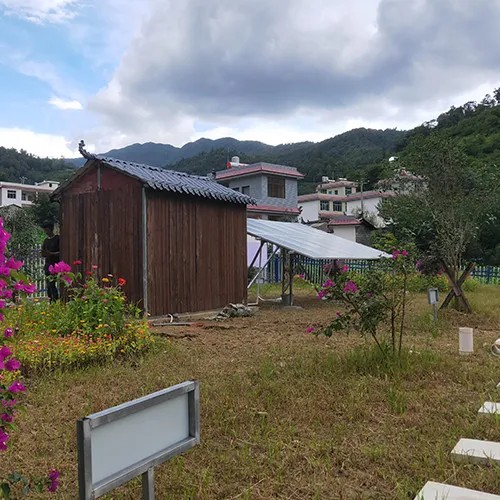
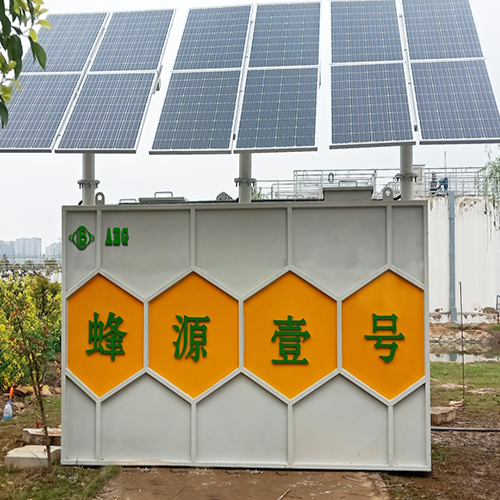
The integration of photovoltaic (PV) solar arrays with RO systems represents the frontier of sustainable desalination. By utilizing solar energy directly to drive high-pressure pumps, off-grid communities and coastal industries can eliminate their carbon footprints and operate water purification plants with zero fuel costs. Battery storage systems and smart variable-frequency drives (VFDs) allow these systems to adapt to changing sunlight levels, ensuring continuous water production.
AI-Driven Smart Monitoring
Artificial Intelligence (AI) and Digital Twin technologies are revolutionizing plant operations. By analyzing real-time data from pressure, flow, and salinity sensors, AI algorithms can predict membrane fouling before it occurs. This enables proactive Clean-in-Place (CIP) cycles, optimizes chemical dosing, and extends the operational lifespan of expensive RO membranes from 3 years to over 7 years.
Next-Generation Membranes
Research into nanotechnology has yielded biomimetic membranes (utilizing aquaporin proteins) and graphene oxide membranes. These materials offer significantly higher water flux rates, greater salt rejection rates at lower pressures, and exceptional resistance to chlorine degradation, which could soon reduce desalination energy requirements by another 20-30%.
4. Industrial Application Scenarios
RO desalination is not a one-size-fits-all solution; it is highly customizable to meet the unique demands of various industries and environments.
Municipal Drinking Water for Coastal Cities
Large-scale municipal SWRO plants supply millions of gallons of drinking water daily to coastal metropolises facing severe water stress. These plants are designed for continuous, high-volume output and are integrated directly into municipal distribution grids.
Eco-Tourism & Remote Island Resorts
Islands and remote coastal resorts often lack access to freshwater grids and diesel fuel infrastructure. Modular, containerized solar-powered RO systems provide a self-contained, eco-friendly water source that preserves the local environment while ensuring a premium experience for guests.
Offshore Oil & Gas Platforms and Maritime Shipping
For offshore platforms and large vessels, space and reliability are paramount. Compact, highly durable marine-grade RO systems operate continuously under harsh, highly corrosive marine conditions, converting seawater into boiler feed water, process water, and drinking water for crews.
Coastal Agriculture & Green Irrigation
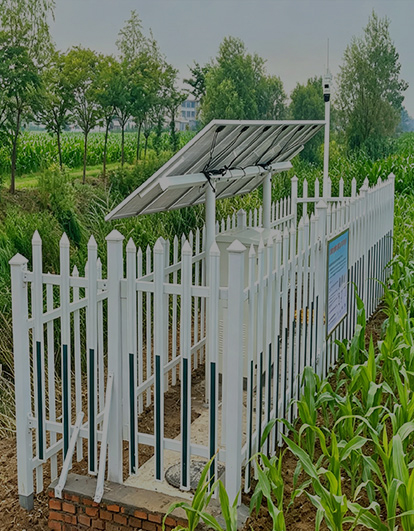
As groundwater salinization ruins traditional agricultural lands along coastlines, brackish water RO systems are being deployed to treat brackish groundwater and agricultural runoff, enabling high-yield, sustainable farming of high-value crops in previously barren regions.
5. Environmental Sustainability & Brine Management
As the desalination industry grows, addressing its environmental footprint is critical. The primary environmental concern is the disposal of brine—the highly concentrated salty waste stream. Modern desalination design focuses on minimizing this impact through advanced discharge technologies, such as multi-port diffusers that rapidly mix brine with ambient seawater to prevent localized salinity spikes. Furthermore, the industry is moving toward Zero Liquid Discharge (ZLD) systems that crystallize brine to extract valuable minerals like lithium, magnesium, and sodium chloride, turning a waste stream into a profitable resource.
Conclusion
RO water treatment for coastal desalination is no longer just a contingency plan for drought; it is a foundational pillar of global water security. By combining state-of-the-art membrane technology with energy recovery systems and renewable power, modern desalination delivers a reliable, cost-effective, and environmentally responsible source of fresh water. As innovations in solar integration, materials science, and digital automation continue to mature, companies like Anhui Baolv (ABG) are leading the charge, proving that high-tech, zero-carbon water solutions are not only possible but commercially vital for the future of our planet.