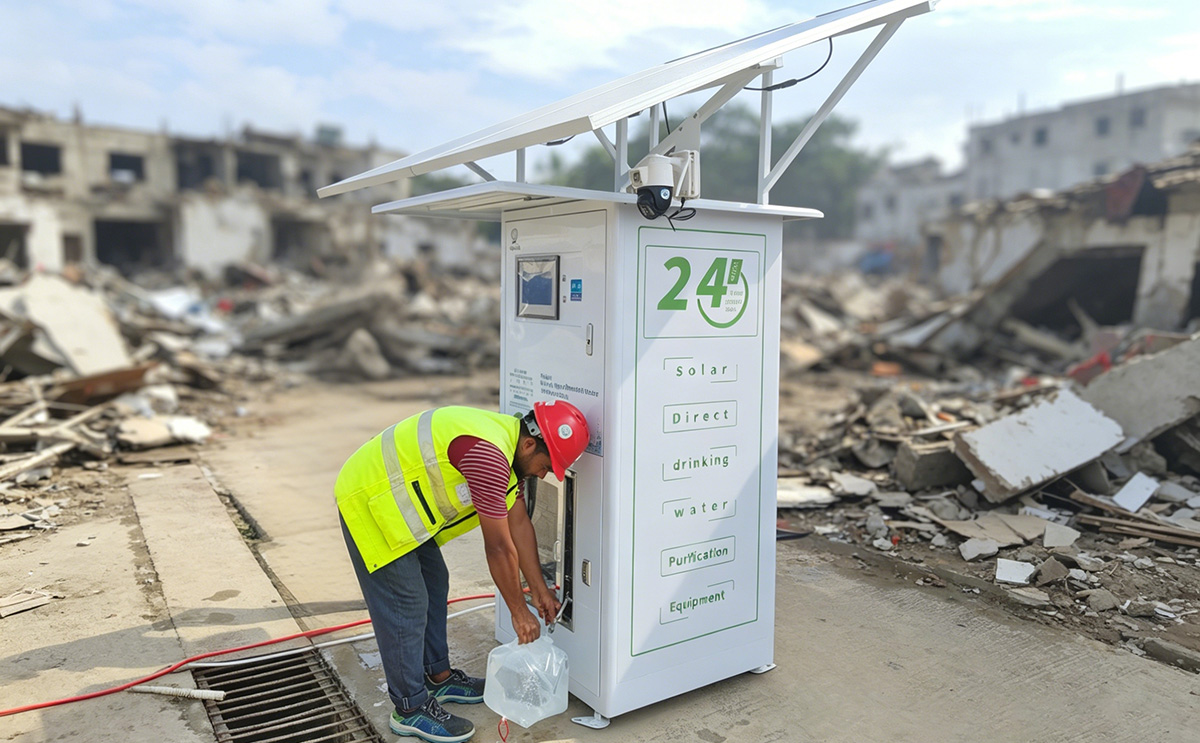
Purpose-built reverse osmosis solutions for rapid deployment in disaster zones, remote areas, and critical infrastructure.


When natural disasters strike — hurricanes, earthquakes, floods, or prolonged droughts — conventional water infrastructure is typically the first casualty. Pipes burst, treatment plants flood, and communities are left without safe drinking water within hours. Reverse Osmosis (RO) water treatment has emerged as the definitive technological answer to this crisis, offering rapid, reliable, and infrastructure-independent water purification wherever it is needed most.
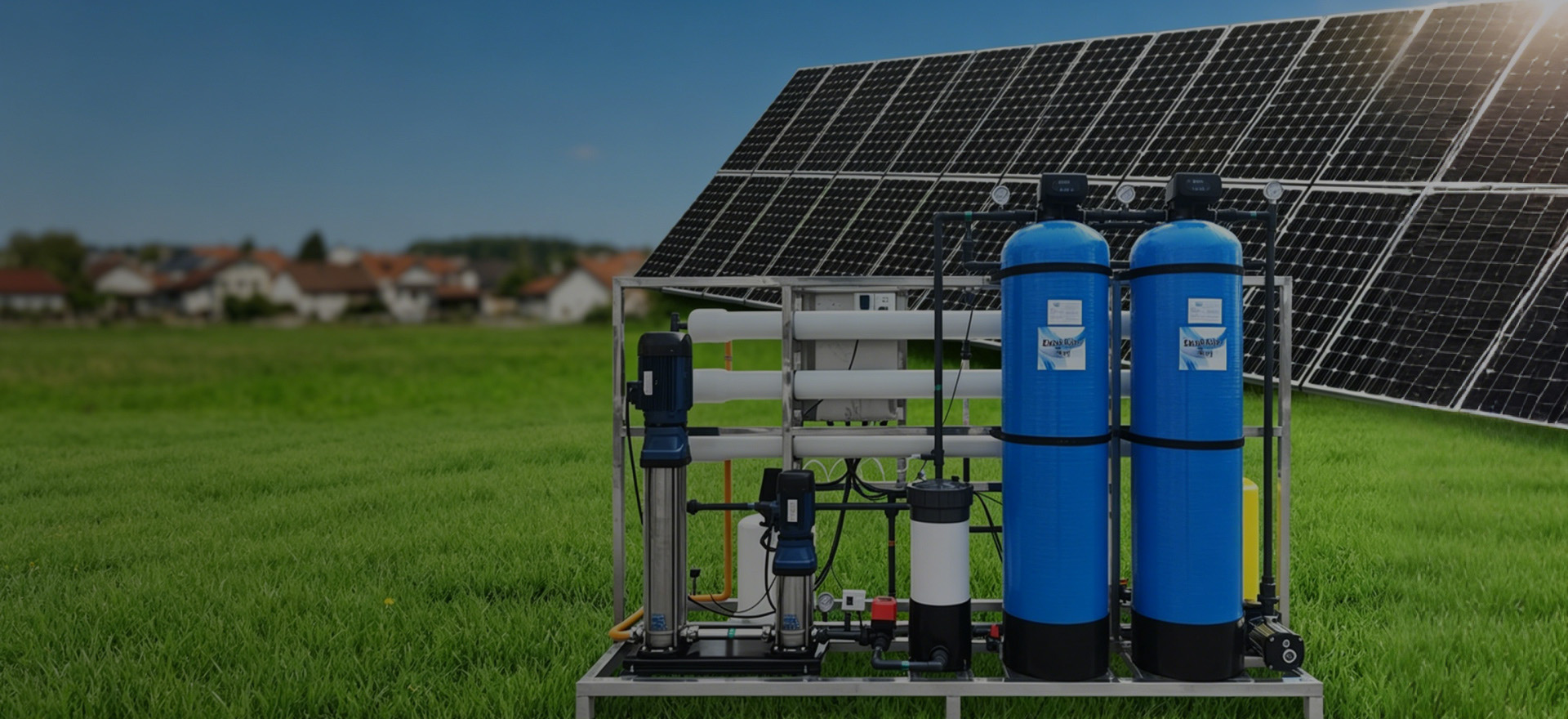
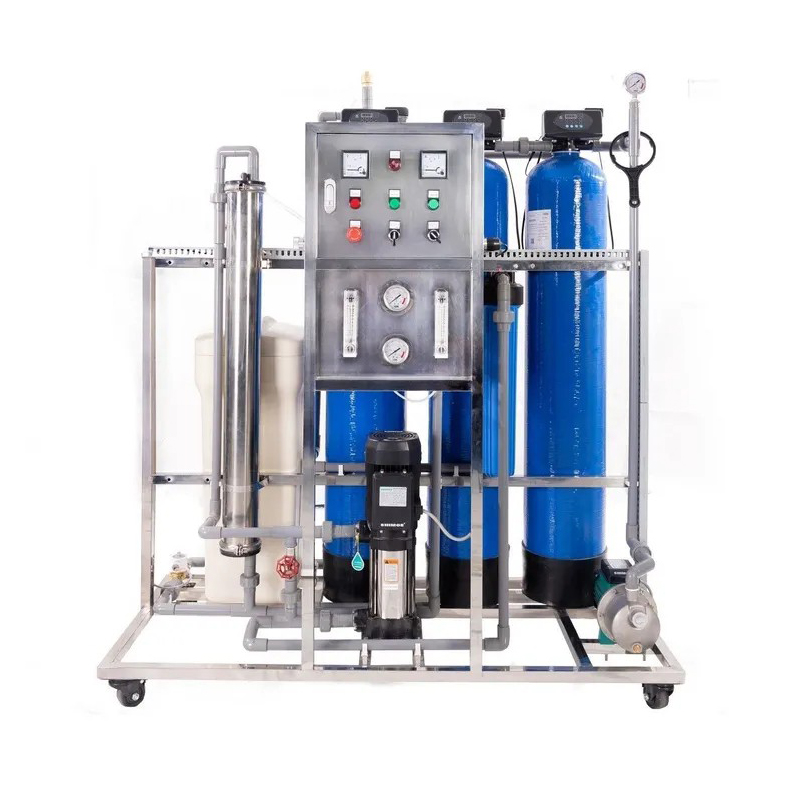
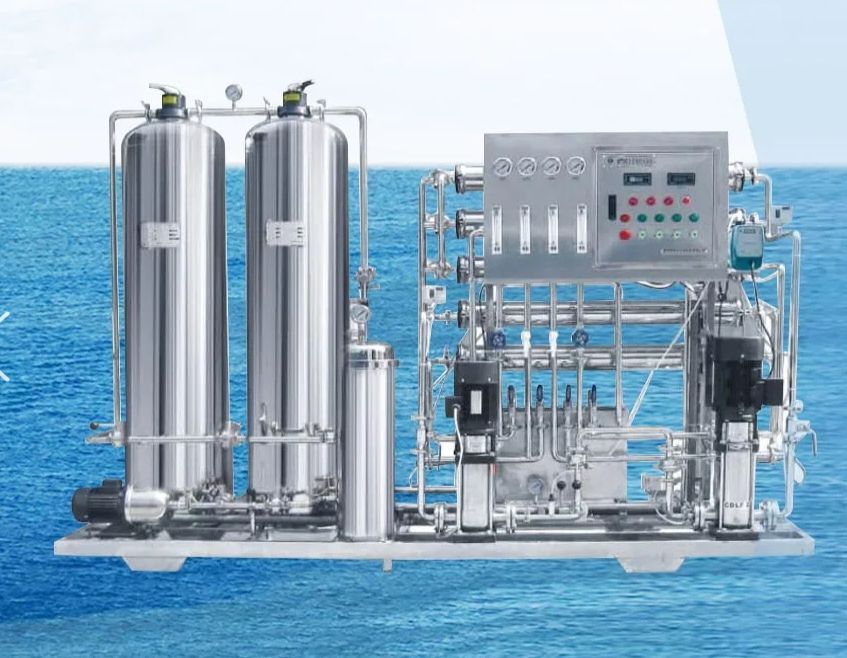
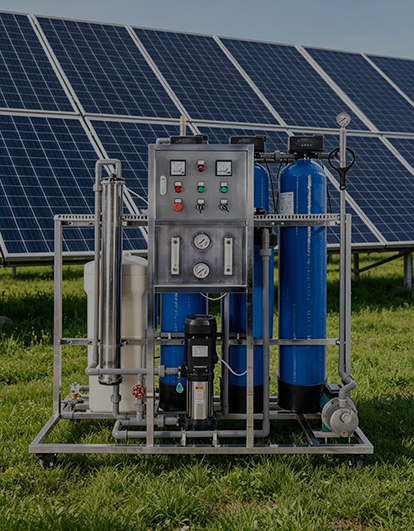
RO technology works by forcing contaminated water through a semi-permeable membrane at high pressure, physically removing up to 99.9% of dissolved salts, heavy metals, bacteria, viruses, and organic compounds. Unlike chemical treatment methods, RO requires no reagents that can run out during a crisis — only energy, which modern systems now source entirely from solar power. This combination of self-sufficiency and purification power makes RO the gold standard for emergency water security.
The global emergency water treatment market reached USD 4.2 billion in 2024 and is projected to exceed USD 8.5 billion by 2032, driven by increasing climate-related disasters and a growing recognition that water resilience is a national security priority. Governments, NGOs, militaries, and industrial operators worldwide are accelerating investment in deployable RO systems capable of functioning independently of damaged or non-existent grid infrastructure.

RO membranes eliminate bacteria, viruses, heavy metals, salts, and chemical pollutants — producing WHO-compliant drinking water from virtually any source.
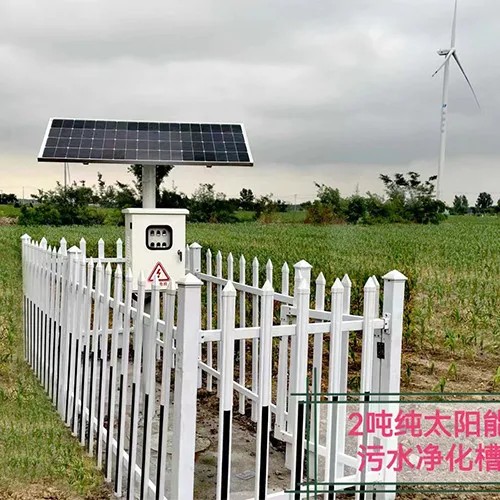
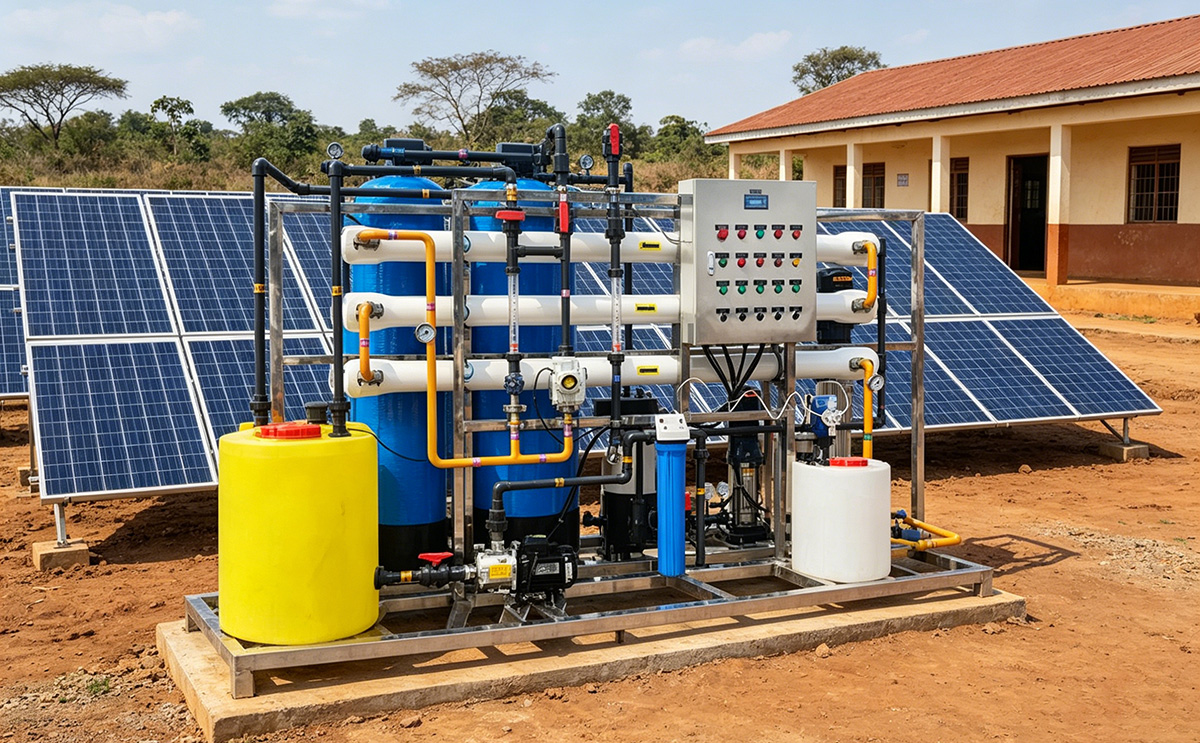
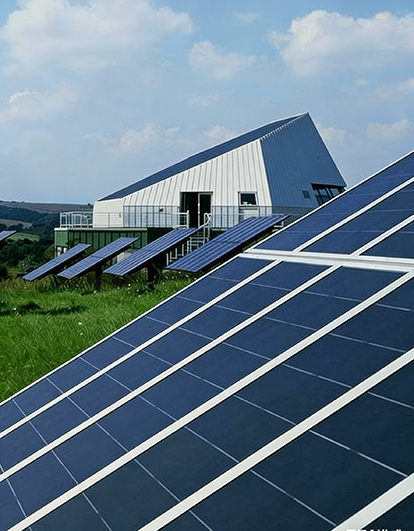
Modern solar-RO hybrid systems operate completely independent of the power grid, ensuring continuous water production even when electrical infrastructure fails.
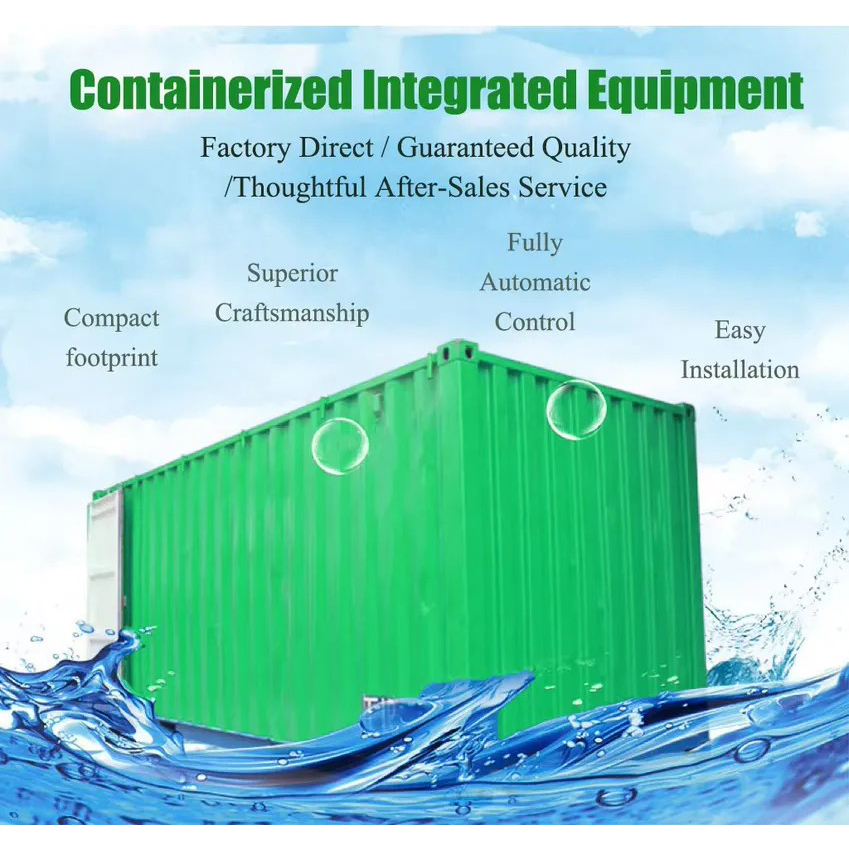
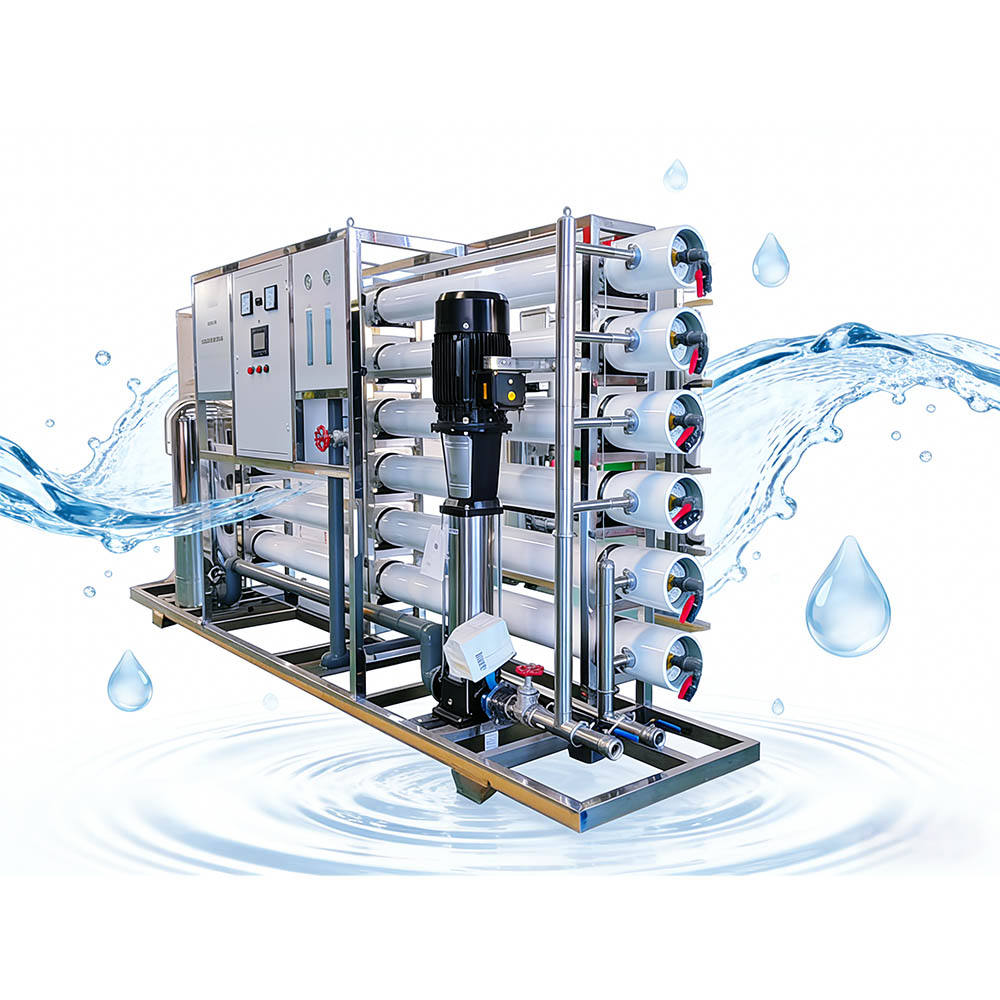
Containerized and modular RO units can be transported by truck, air, or ship and operational within hours — critical for disaster first-response timelines.
The commercial and industrial adoption of emergency-grade RO systems has accelerated dramatically over the past decade. Beyond humanitarian response, industrial sectors including oil & gas, pharmaceuticals, semiconductor manufacturing, and food processing now mandate emergency water contingency plans that include on-site RO backup systems. A single day of production downtime due to water disruption can cost large industrial facilities millions of dollars — making emergency RO infrastructure a sound business investment, not merely a safety measure.
In the oil & gas sector, offshore platforms and remote extraction sites use compact containerized RO systems to desalinate seawater for crew consumption and process water needs, eliminating costly water barge logistics and ensuring operations continue regardless of supply chain disruptions. The pharmaceutical industry requires ultra-pure water (UPW) at all times; emergency RO backup systems with dual-pass membrane arrays and UV sterilization maintain GMP compliance even during municipal water outages. Military and defense procurement programs in the United States, European Union, and ASEAN nations have collectively allocated over USD 1.2 billion to mobile water purification units over 2022–2025, with solar-powered RO representing the fastest-growing technology segment.
Next-generation emergency RO systems integrate AI-powered IoT sensor arrays that monitor membrane flux, TDS levels, pressure differentials, and energy consumption in real time. Machine learning algorithms predict membrane fouling up to 72 hours in advance, triggering automated cleaning cycles and alerting operators remotely via satellite connectivity — ensuring zero unexpected downtime during crisis deployment.
Traditional RO systems discharge 20–40% of input water as concentrated brine, posing disposal challenges in emergency and remote scenarios. ZLD-integrated RO systems recycle this concentrate through secondary evaporation and crystallization stages, achieving near-total water recovery. This technology is transforming both industrial water management and humanitarian deployments where every drop of water is precious.
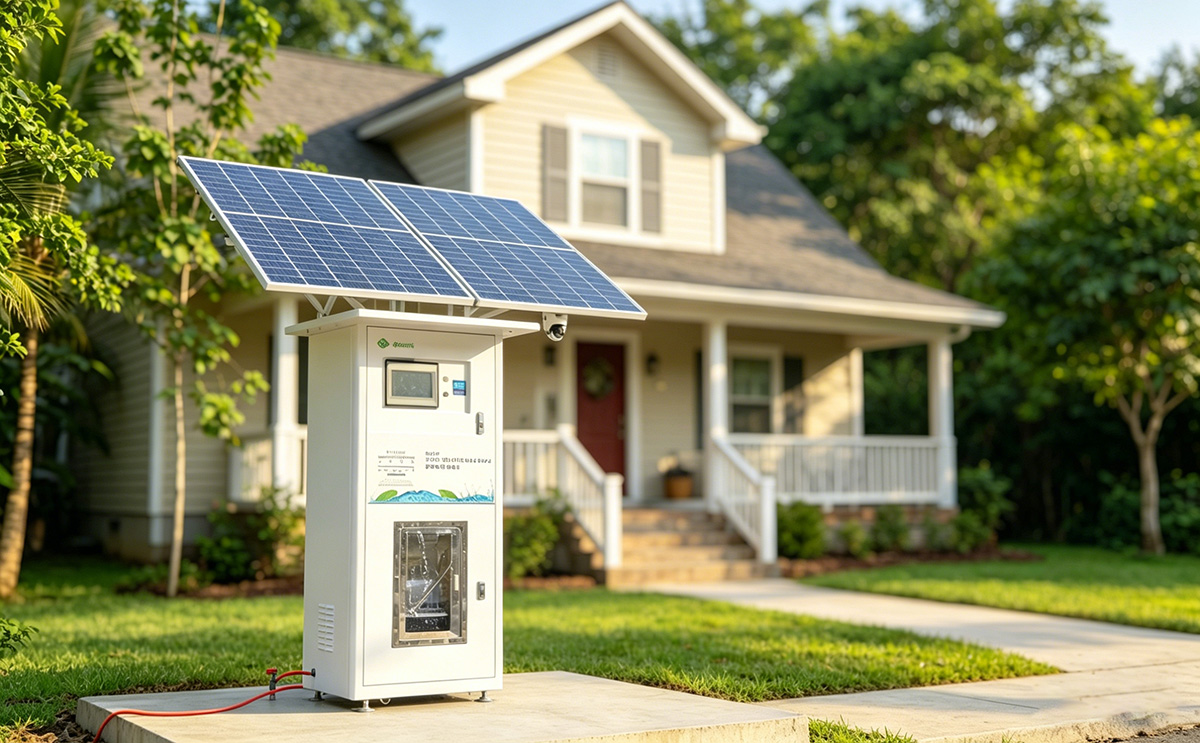
The shift towards fully containerized 20ft and 40ft ISO-standard RO plants enables rapid global logistics via standard freight networks. Modular designs allow capacity scaling from 250 L/hour household units to 50,000 L/hour industrial plants using identical building blocks — dramatically reducing manufacturing costs, lead times, and field commissioning complexity for emergency responders.
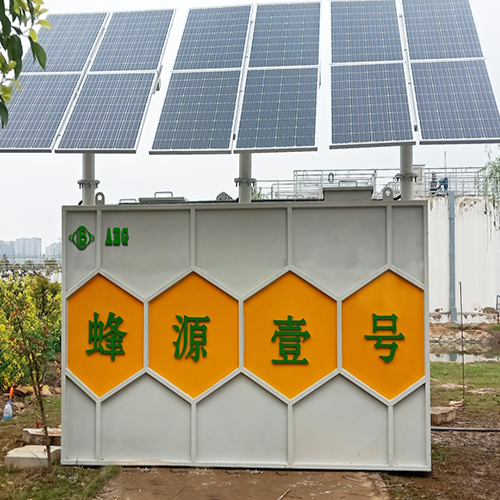
Pairing RO systems with high-capacity lithium iron phosphate (LiFePO4) battery storage enables 24/7 water production independent of sunlight cycles. Advanced maximum power point tracking (MPPT) controllers optimize solar harvest under varying cloud conditions, while energy recovery devices (ERDs) recapture up to 40% of high-pressure pump energy — making solar-RO systems economically viable even in low-irradiance regions.
From urban disaster response to remote industrial operations, RO systems are redefining what water security means in the 21st century.

When floodwaters contaminate municipal supplies with sewage, chemicals, and pathogens, rapid-deployment RO units treat surface water and floodwater to safe drinking standards within 2 hours of arrival. Units serve populations of 500–10,000 people from a single containerized deployment.

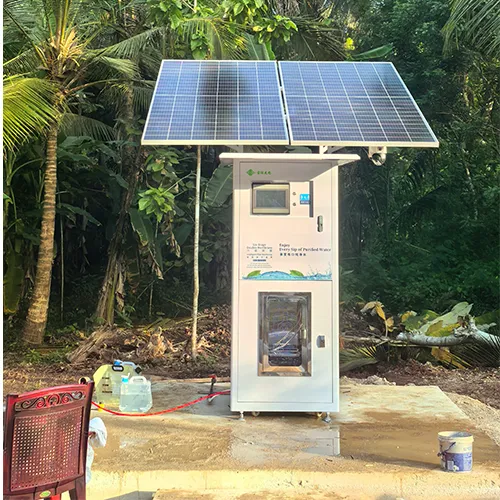
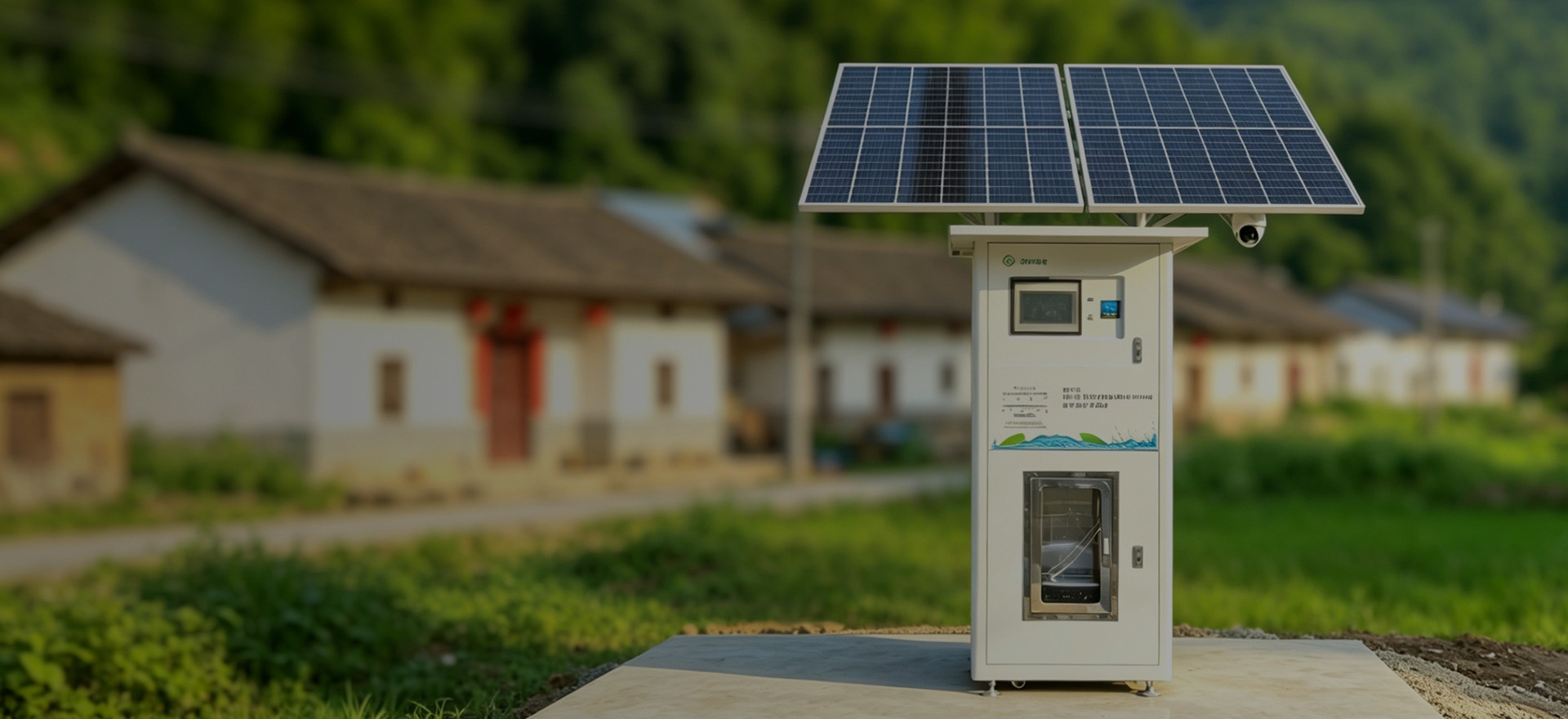
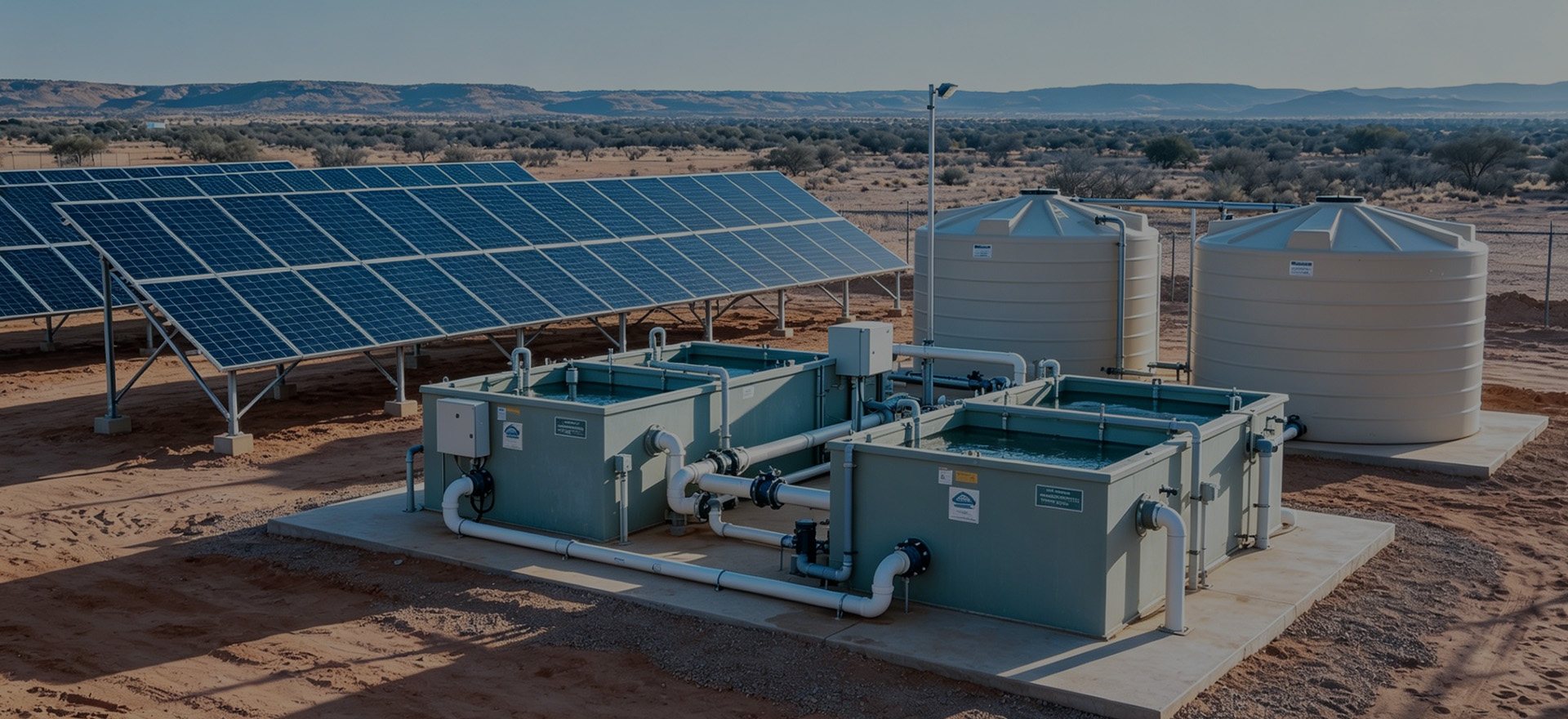
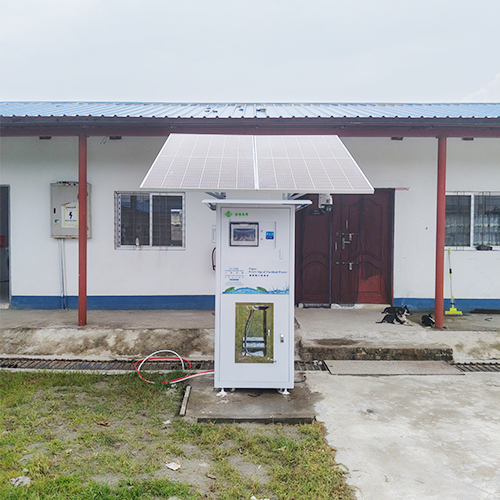
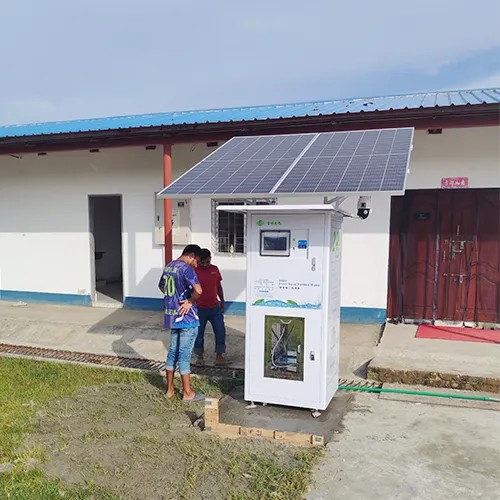
Island nations, highland villages, and remote settlements facing climate-driven water scarcity deploy solar-powered RO systems as permanent emergency backup infrastructure. These systems transform locally available brackish groundwater or seawater into safe drinking water with zero grid dependency.
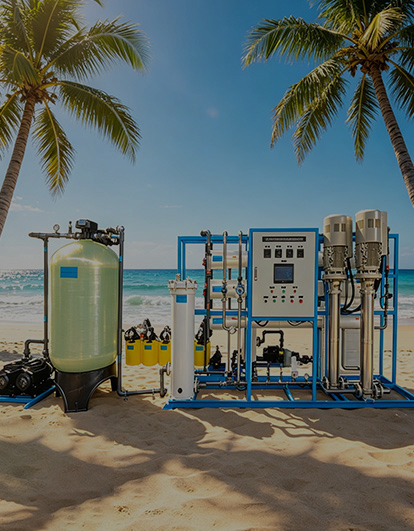
Hospitals require uninterrupted access to purified water for dialysis, sterilization, and patient care. Dedicated emergency RO backup systems with automatic failover switching ensure medical-grade water production continues seamlessly during utility outages, protecting patient safety during the critical hours of a disaster.
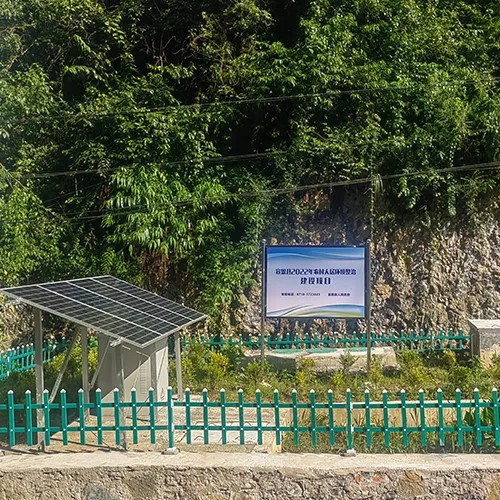
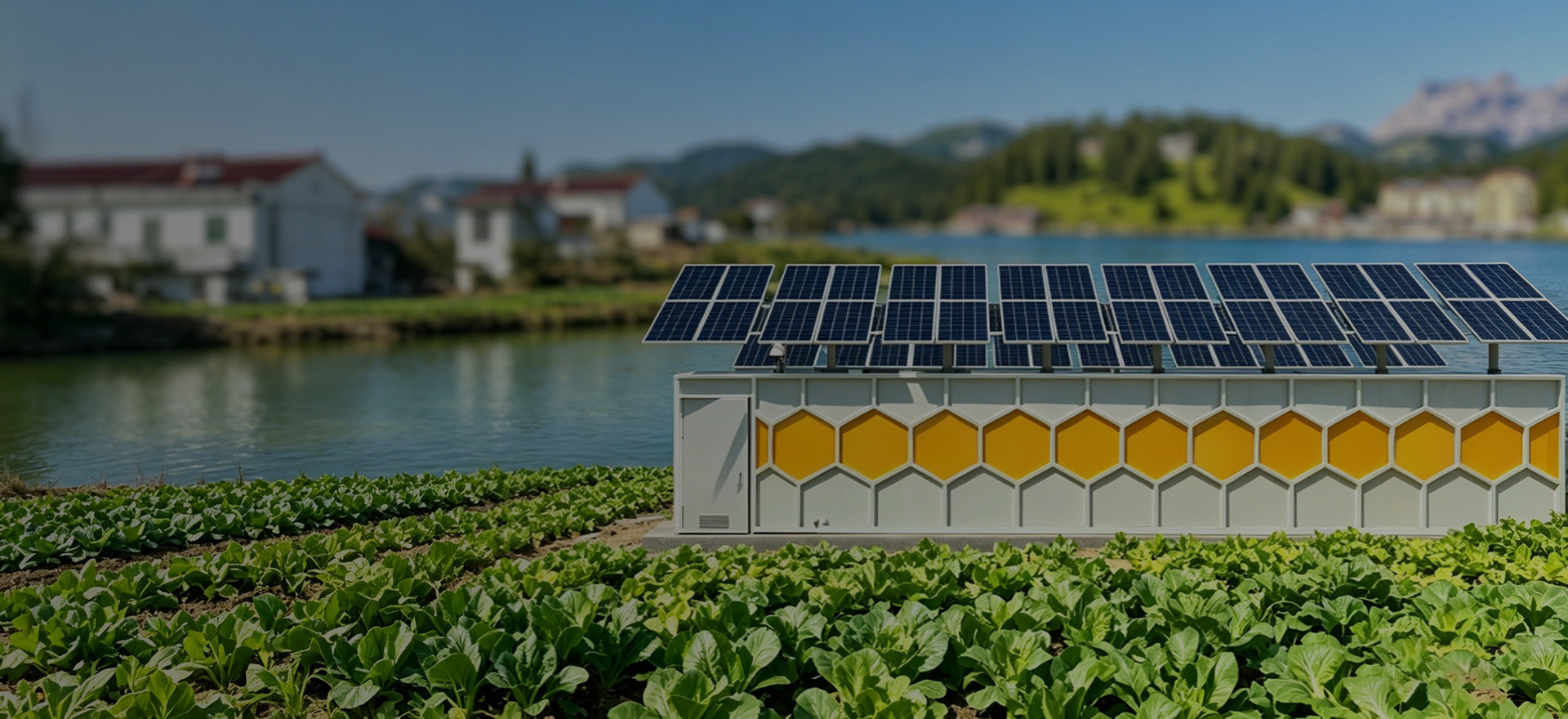
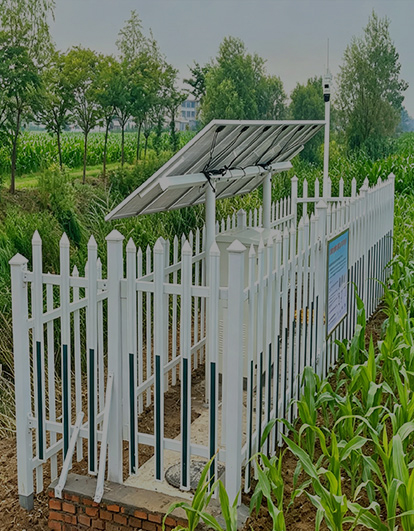
During prolonged droughts, agricultural communities face crop failure when irrigation water becomes too saline or contaminated. Solar-powered RO systems treat available brackish or recycled wastewater to irrigation-grade standards, preserving food security when conventional water sources fail.

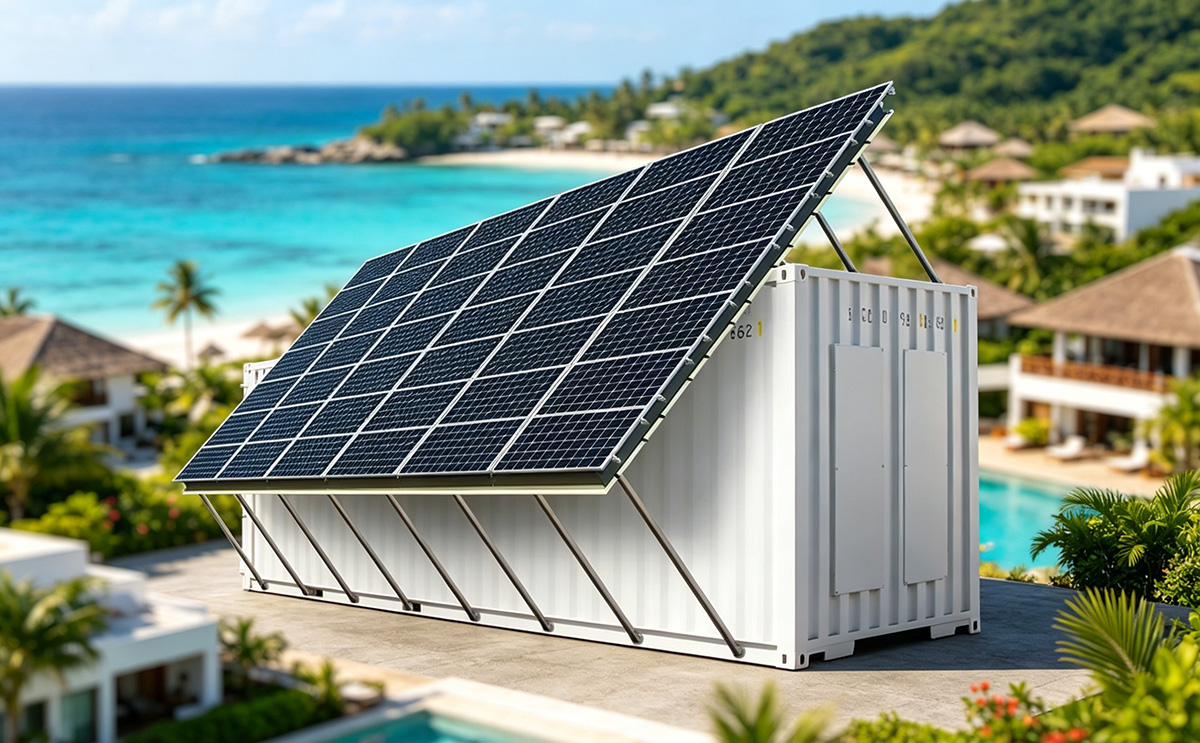
Eco-resorts and remote tourism facilities in coastal and island locations face acute water vulnerability during storm seasons. Integrated solar-RO systems provide both routine desalination and emergency backup capacity, ensuring guest safety and operational continuity regardless of extreme weather events.

Manufacturing facilities, data centers, and mining operations maintain containerized RO backup systems to ensure process water continuity during municipal supply disruptions. Automated monitoring systems detect supply anomalies and switch to emergency RO production without operator intervention.
We are committed to providing customers with efficient, environmentally friendly and sustainable solutions.
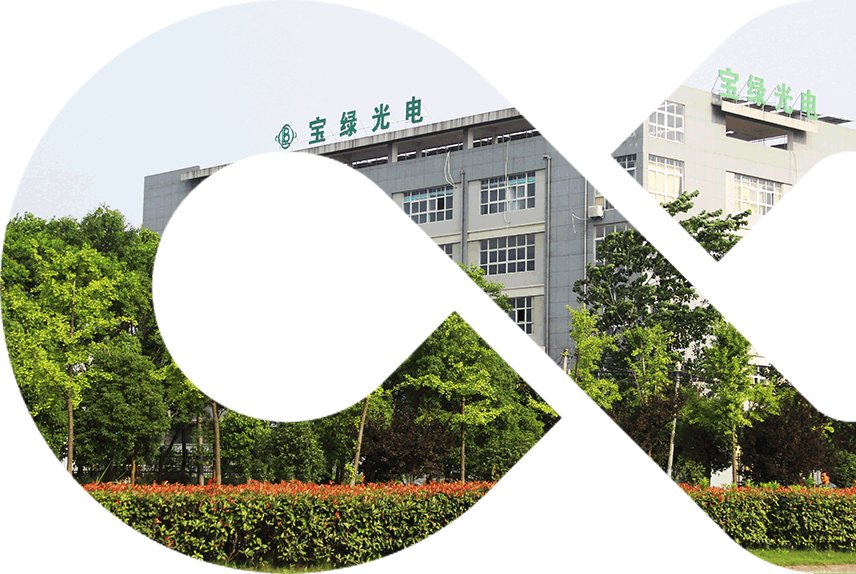
Anhui Baolv(ABG) Photoelectric Environmental Protection Equipment Co., Ltd. is a high-tech enterprise wholly owned by Anhui Baolv Photoelectric Engineering Co., Ltd., focusing on R&D and manufacturing of software and hardware for pure solar-powered water environmental protection equipment. We are committed to providing customers with efficient, environmentally friendly and sustainable solutions.
LEARN MORE


Baode's one-stop energy-saving solutions cut costs, boost efficiency and turn energy-intensive enterprises into energy-saving benchmarks, winning wide acclaim.


Fully solar-powered for complete, off-grid energy independence.
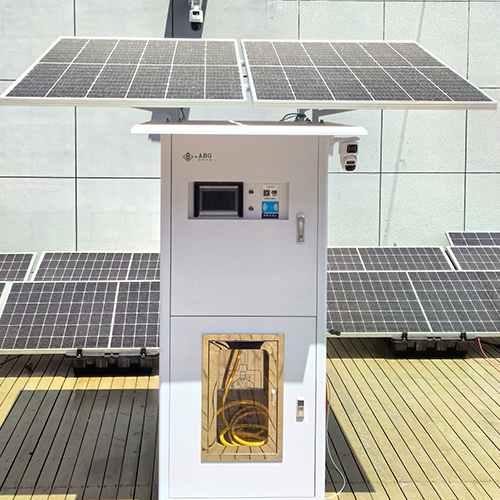

Flexible, building-block design adapts to diverse application scenarios.
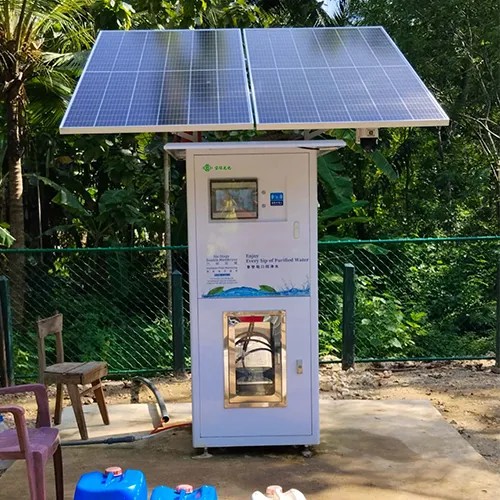

Built for harsh, unmanned areas with minimal maintenance required.


One-time investment enables long-term, zero-carbon and zero-cost operation.
our solution
Off-Grid Water Ecosystem
Zero-Carbon Tourism
Green Irrigation
Emergency Water Unit
Public Facility Solutions
Applications & Case
Application
At Baolv Optoelectronics, We provide tailored solar-powered water and energy systems that empower resilience and sustainable growth from remote areas to emergency scenarios.
Go to Project Applications


countries
Our customers are spread all over the world, and now our products have been sold to over 80 countries worldwide. We are also committed to providing high-quality packaging for the world's top companies.
Global Reach: 80+ Countries
Trusted Emergency Water Solutions Worldwide
Explore our full range of solar-powered RO and water treatment solutions for emergency preparedness and off-grid deployment.