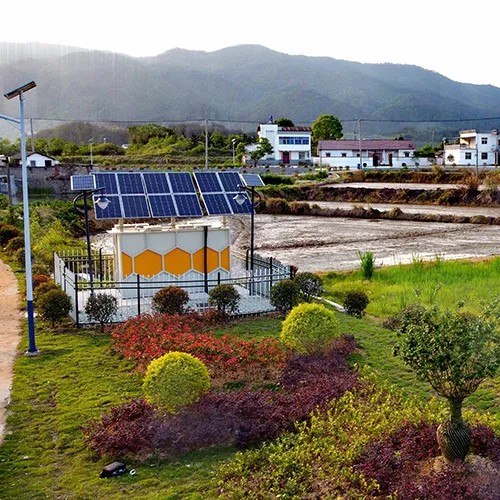
Purpose-built solar-powered systems enabling clean water access in disaster zones, refugee camps, and off-grid humanitarian missions.
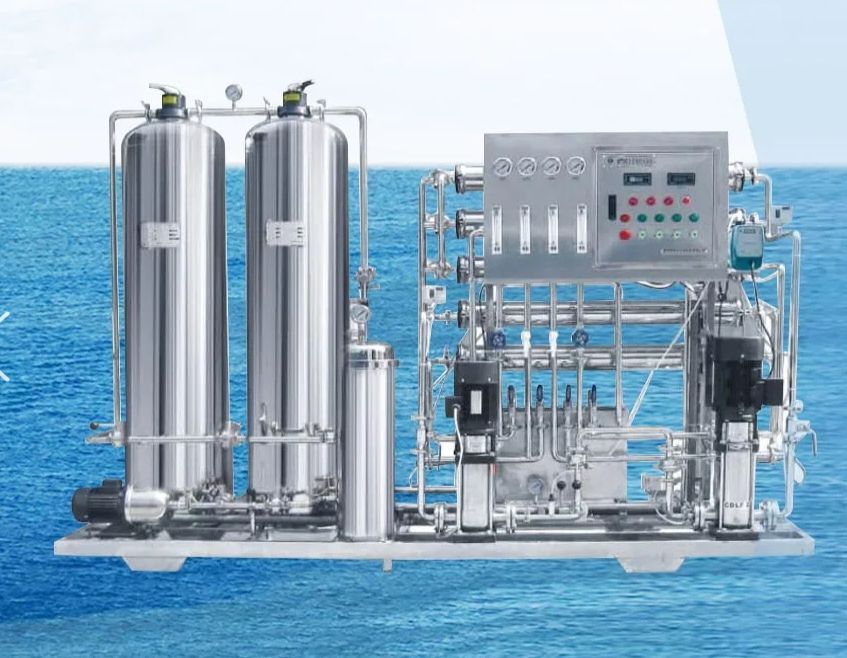
Access to clean, safe drinking water remains one of the most pressing challenges in humanitarian crises worldwide. Whether triggered by natural disasters, armed conflict, climate-driven droughts, or sudden mass displacement, the disruption of water infrastructure consistently ranks as a top-tier threat to human life. In this context, RV (Reverse Osmosis & Vehicle-Deployable) water treatment systems have emerged as a transformative technology bridging the gap between immediate need and sustainable water supply.
The global emergency water treatment market was valued at over USD 2.8 billion in 2023 and is projected to grow at a CAGR of 8.4% through 2030, driven primarily by rising humanitarian mission complexity, climate change impacts, and the proliferation of solar-hybrid off-grid systems. RV-format water treatment — compact, rapidly deployable, and capable of operating without grid electricity — now sits at the commercial intersection of water technology, renewable energy, and humanitarian logistics.
Over 2.2 billion people currently lack access to safely managed drinking water. RV solar water treatment systems are closing this gap — one deployment at a time — with zero carbon footprint and zero recurring energy cost.
Historically, humanitarian water supply relied on trucking bottled water or operating diesel-powered purification units — both expensive, logistically complex, and environmentally harmful. Today, the commercial landscape has shifted dramatically. Leading manufacturers now offer containerized RO desalination systems, solar-powered membrane bioreactors, and modular ultrafiltration units that can be air-freighted, truck-mounted, or ship-deployed within 48 hours of a crisis declaration.
Industrial-scale suppliers are competing on three key fronts: speed of deployment, energy independence, and total cost of ownership. The solar-powered segment has gained decisive market share because it eliminates fuel supply chain dependency — a critical vulnerability in conflict zones and remote island territories. Companies certified to ISO 9001, ISO 14001, and ISO 45001 standards are increasingly preferred by UN procurement offices, NGOs such as UNICEF and Médecins Sans Frontières, and bilateral aid agencies, as these certifications signal manufacturing reliability and product consistency at scale.
The B2B procurement cycle for humanitarian water treatment is distinct: buyers operate under emergency timelines, require modular scalability (from 50 L/hour to 50,000 L/hour), and demand systems capable of treating diverse source water — from turbid river water to brackish groundwater and open seawater — without requiring on-site engineering expertise.
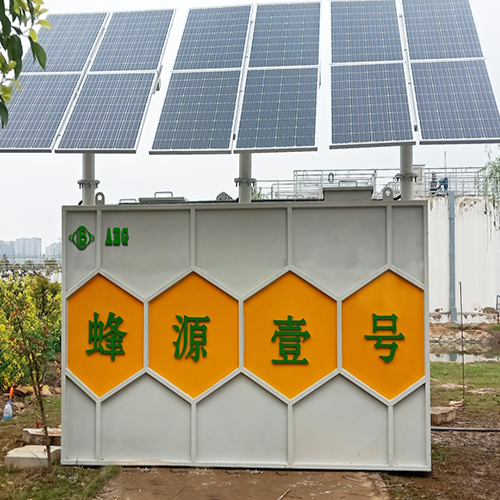
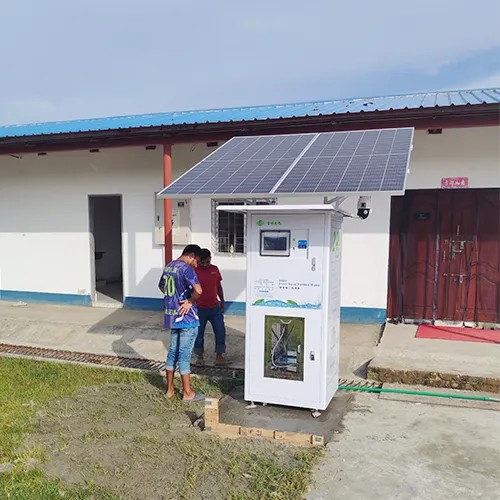
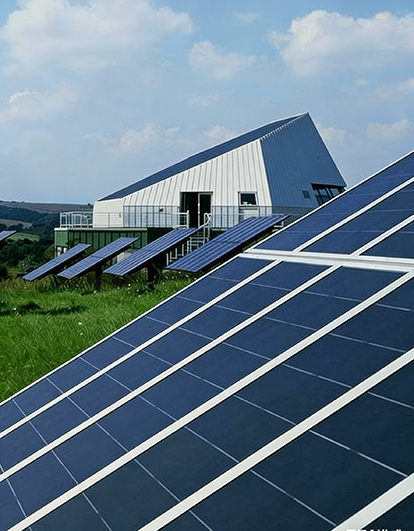
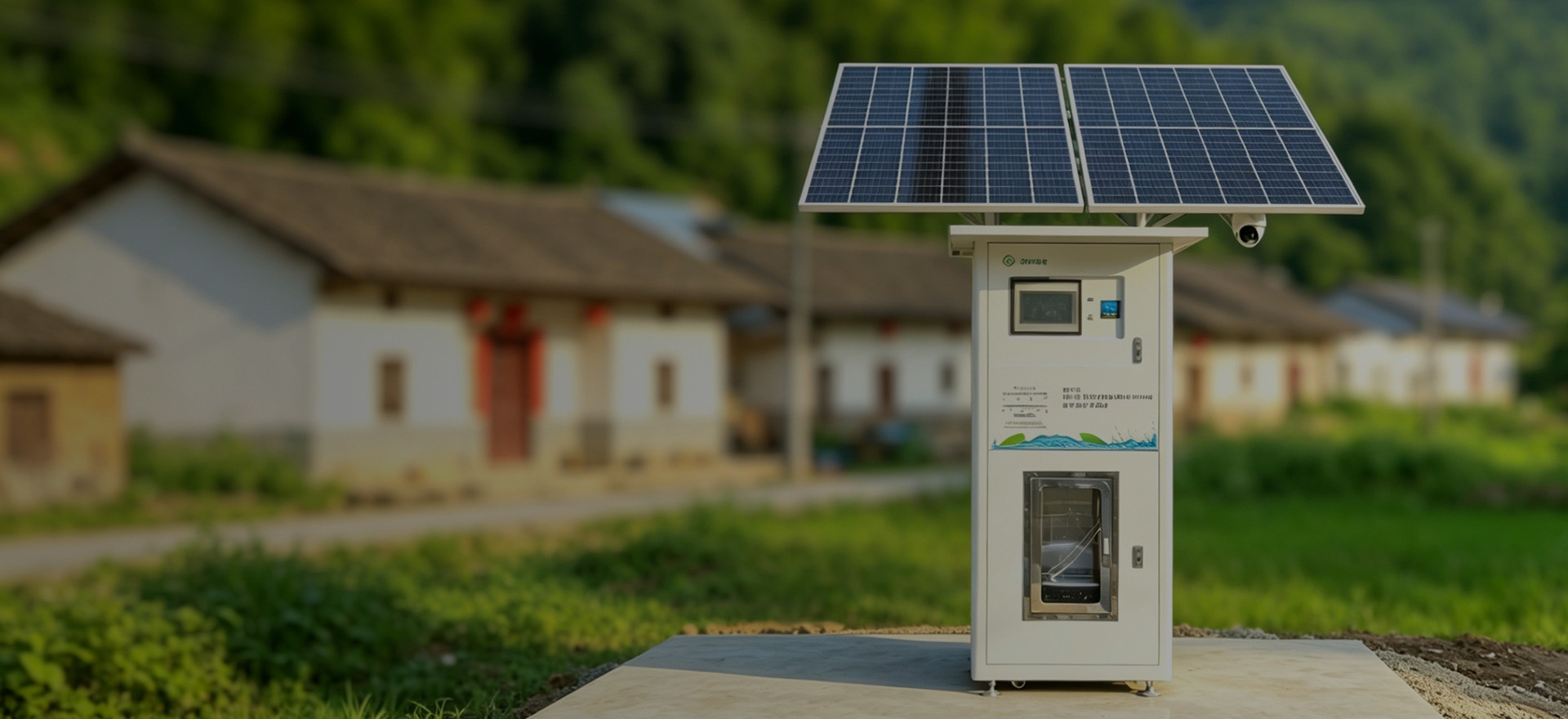
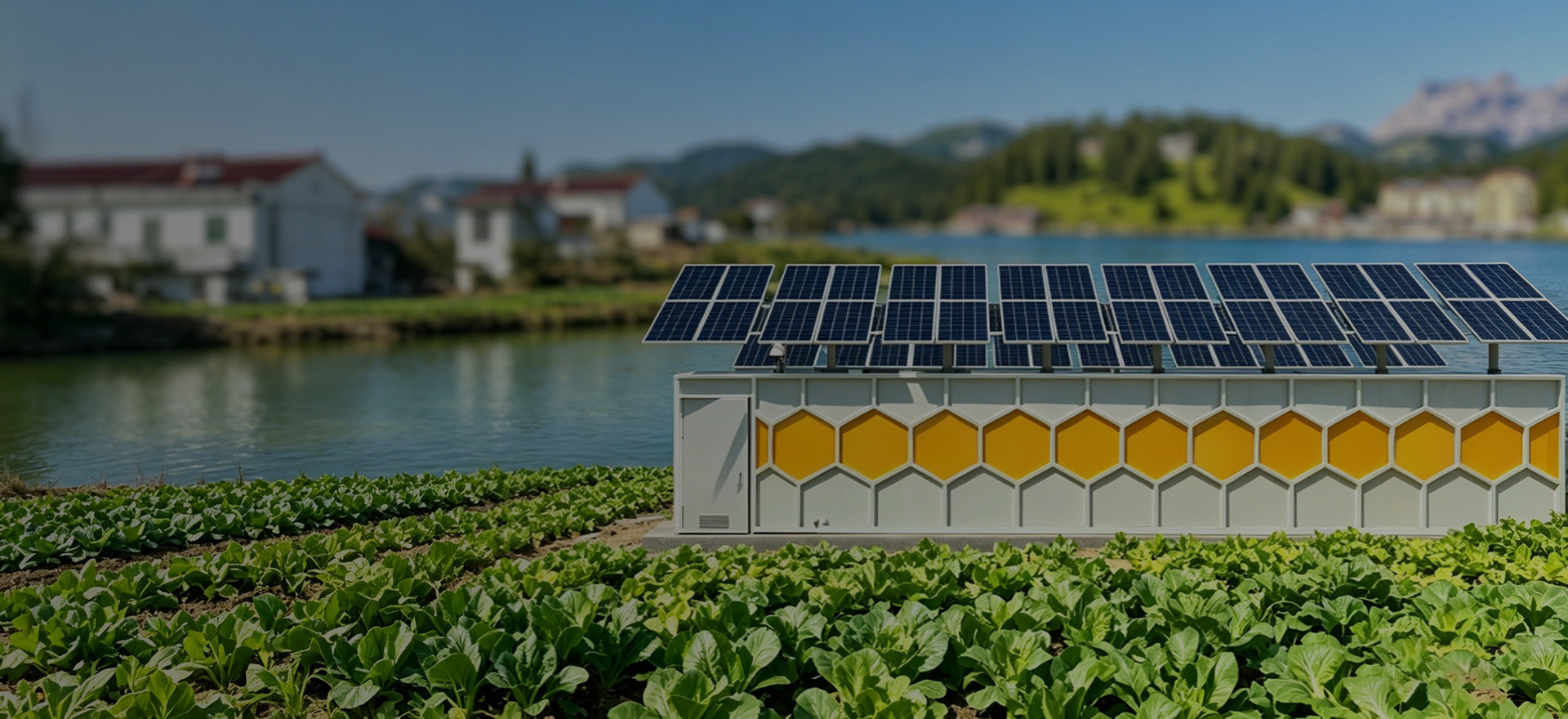
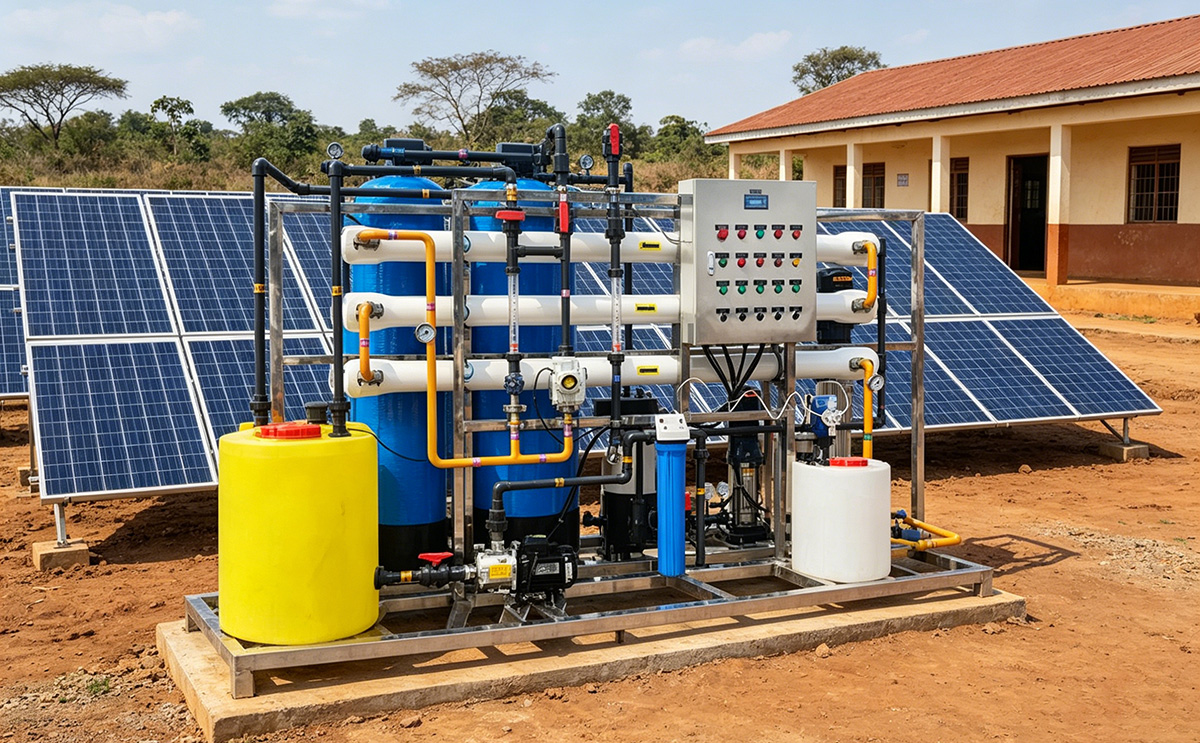
Next-generation RV water treatment units integrate photovoltaic arrays, battery storage, and MPPT controllers directly into the system architecture. This eliminates any dependency on fuel, grid connection, or generator rental — enabling indefinite autonomous operation in the field.
IoT-enabled sensor arrays now feed real-time water quality data (TDS, pH, turbidity, flow rate) to cloud dashboards accessible by field coordinators anywhere in the world. AI algorithms predict membrane fouling, filter replacement cycles, and system faults before they occur.
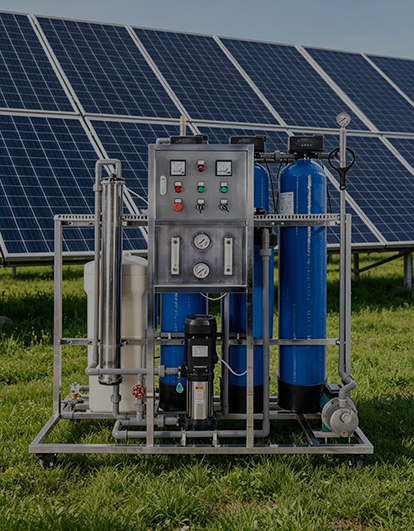
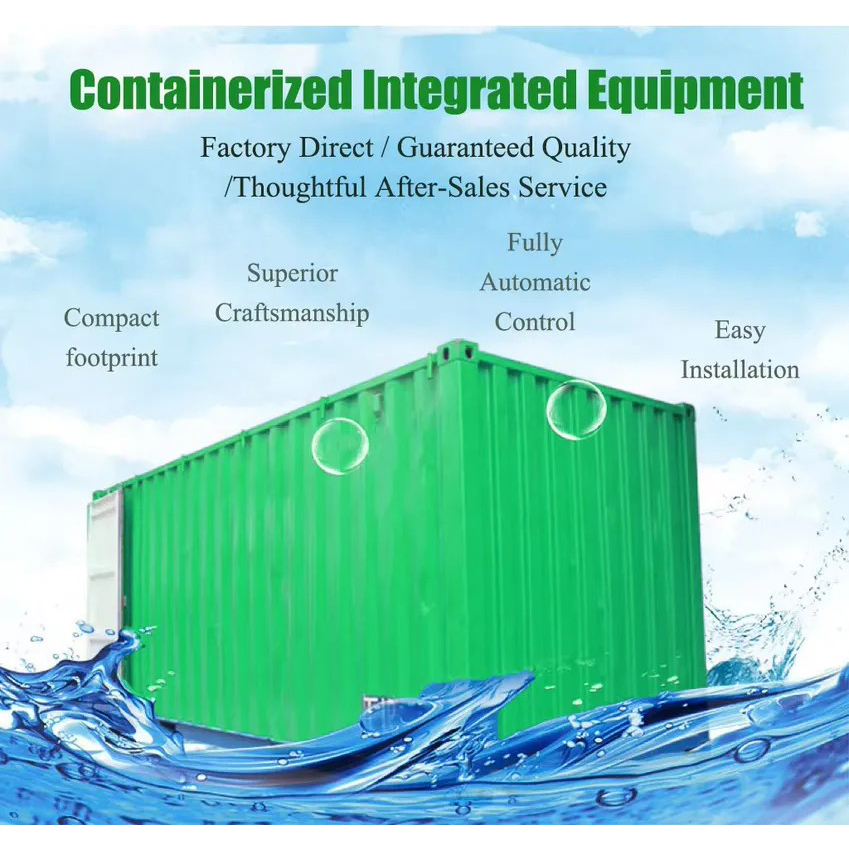
Standardized 20ft and 40ft containerized units comply with international shipping and airfreight specifications, enabling rapid mobilization via any transport modality. Modular stacking allows capacity scaling from field clinic level to entire refugee settlement coverage.
Advanced concentrate management and brine crystallization technologies are being integrated into humanitarian RO units to achieve near-zero liquid discharge (ZLD), reducing environmental impact in ecologically sensitive deployment areas.
From conflict zones to climate-displaced communities, here are the critical deployment environments where solar RV water treatment delivers life-saving impact.
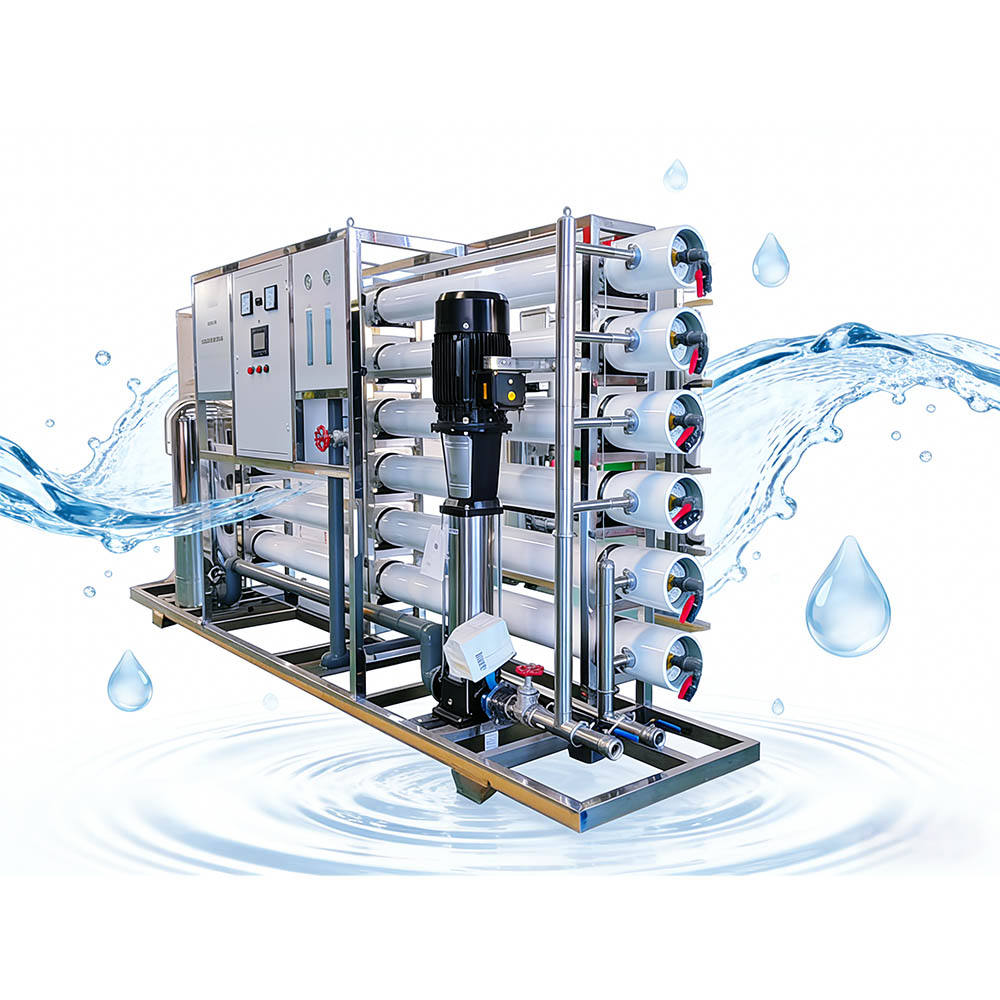
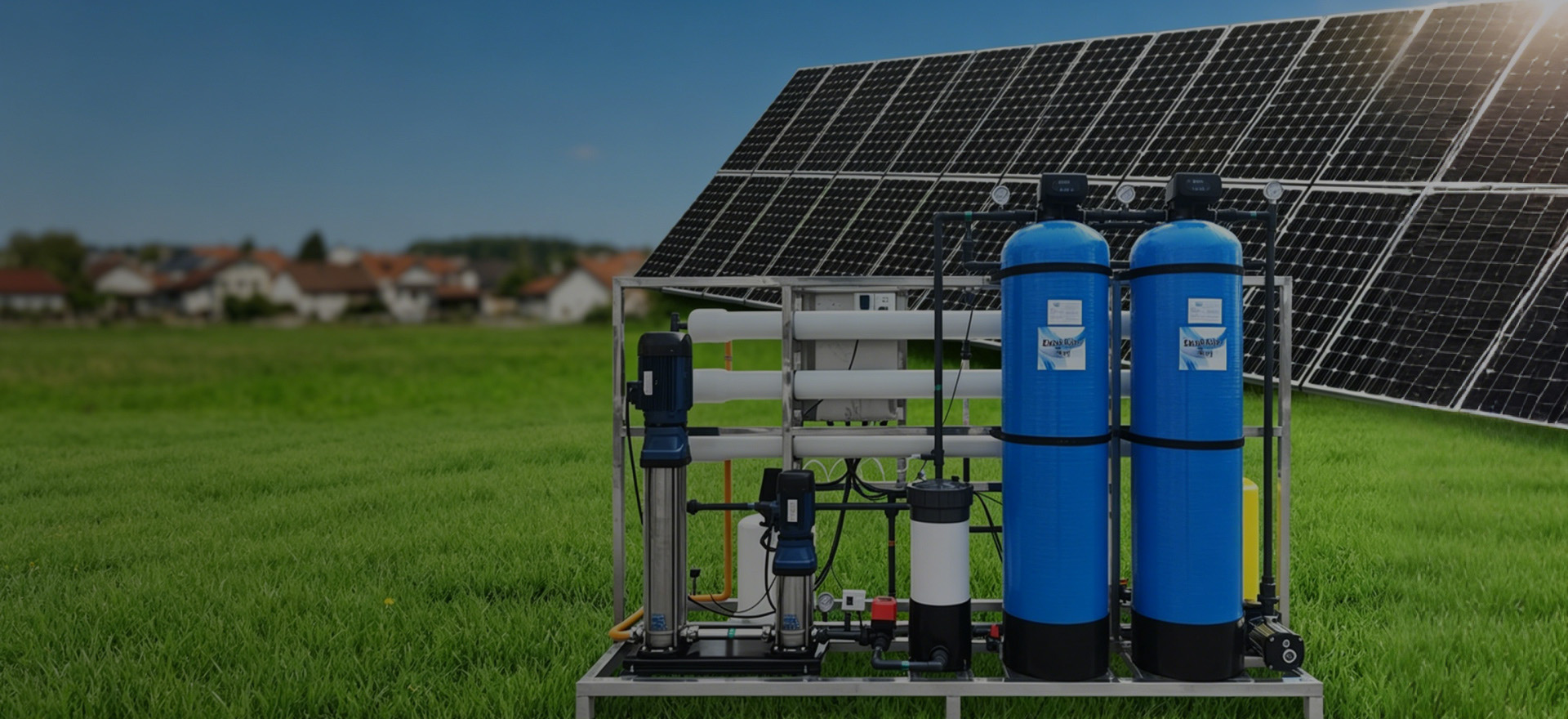
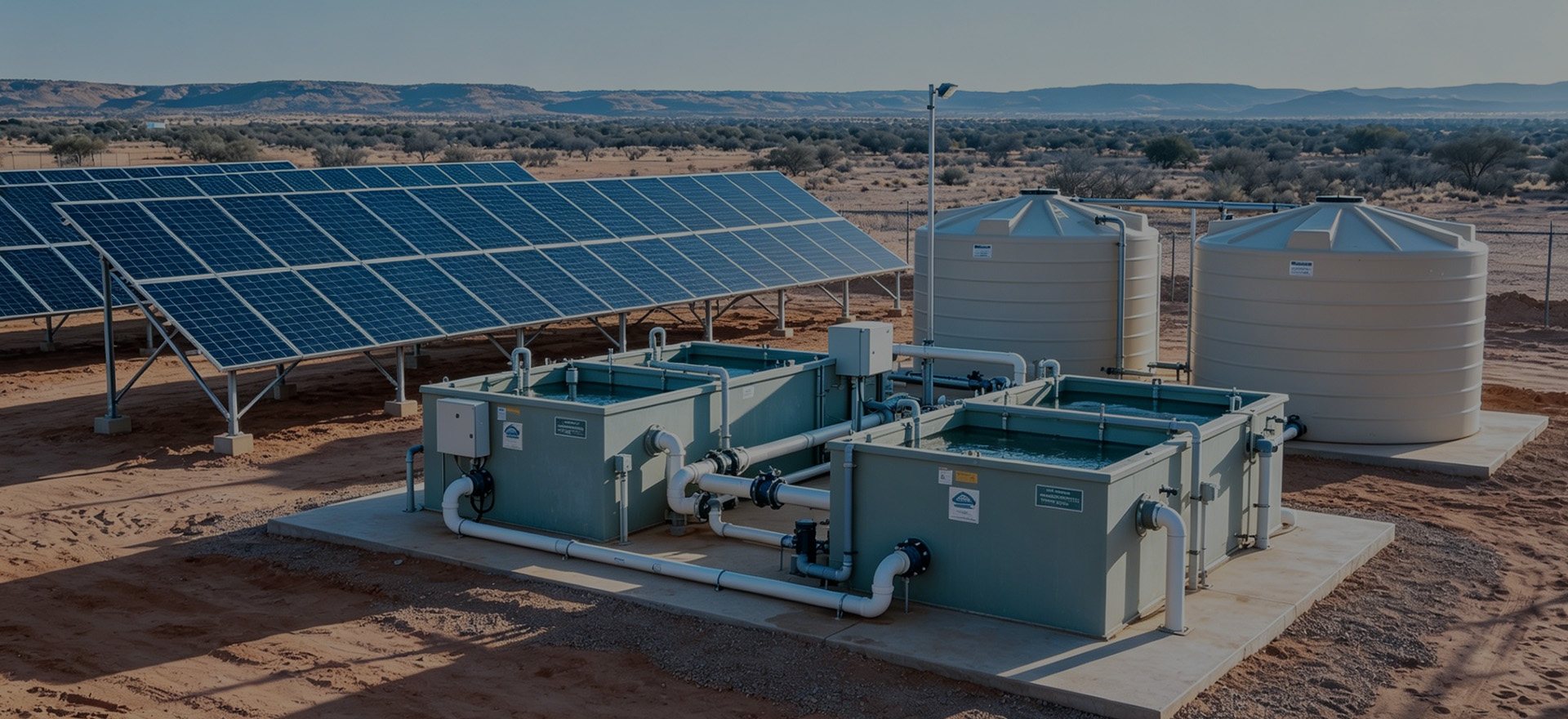
Large-scale RO units treat surface water or shallow groundwater to WHO drinking water standards for populations of 5,000–100,000+. Solar power ensures uninterrupted supply independent of fuel logistics — critical when camp locations are in politically contested territories.
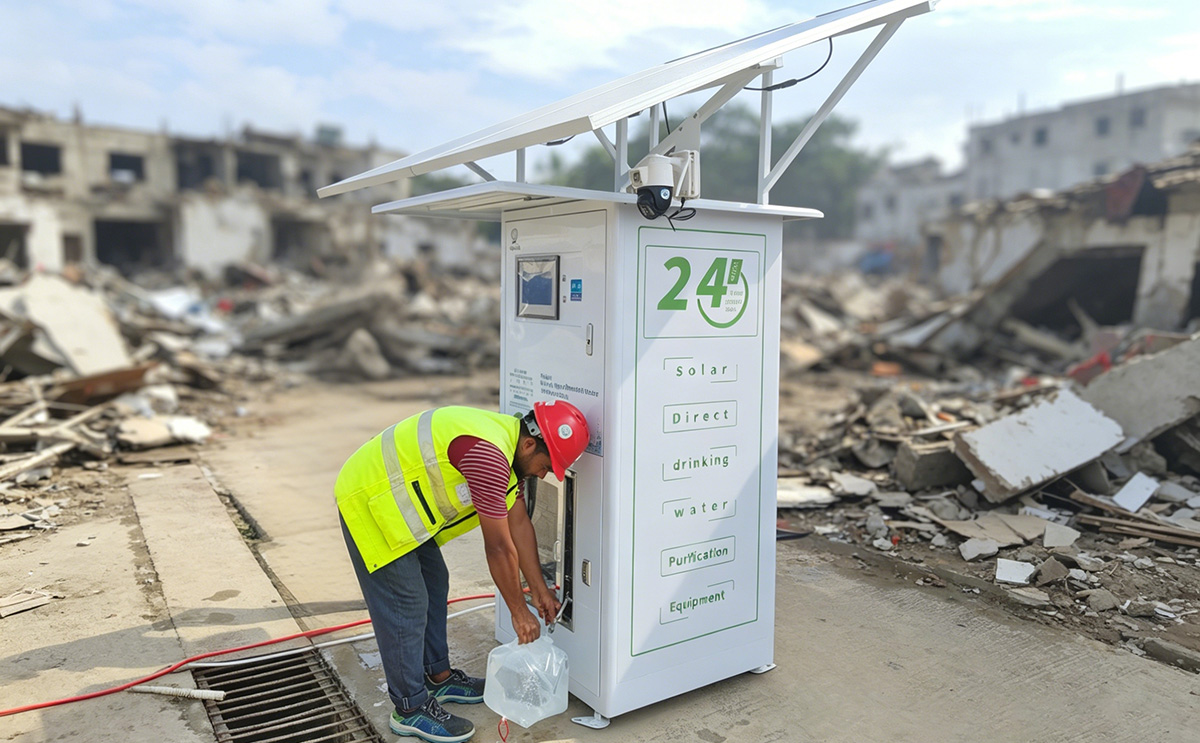
Rapid-deployment vehicle-mounted RV systems can be operational within 2 hours of arrival at a flood-affected site. High-turbidity pre-filtration combined with RO membranes handles the extreme contamination levels typical of post-flood water sources, including biological and chemical contaminants.
Medical-grade water treatment — producing water meeting USP Purified Water standards — is essential for surgical procedures, medication preparation, and sterilization in field hospitals. Compact RV units with UV sterilization stages are now standard equipment for major medical NGOs.
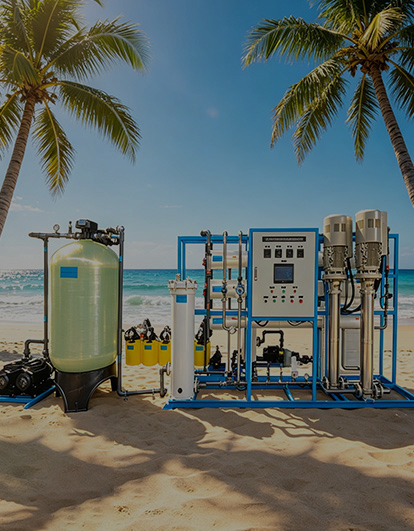
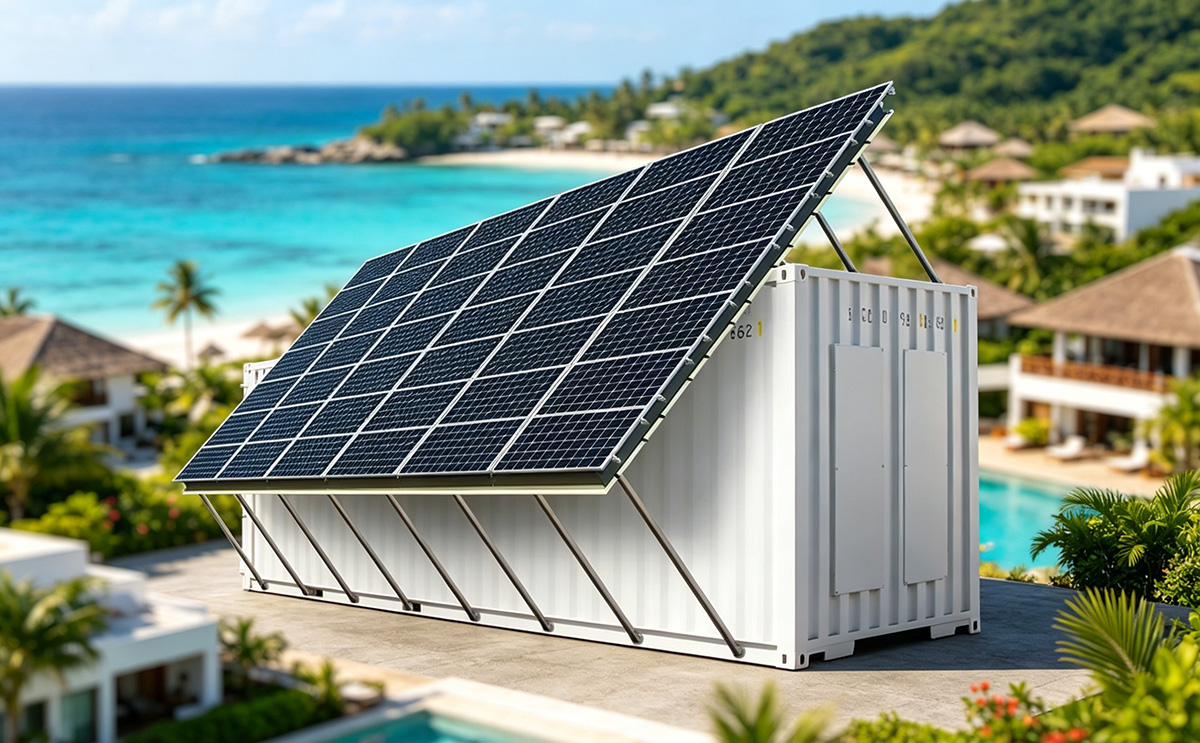
Coastal and island communities struck by typhoons, cyclones, or tsunamis lose freshwater infrastructure instantly. Brackish water and seawater RO systems deployable by vessel provide immediate water security without requiring shore power infrastructure.
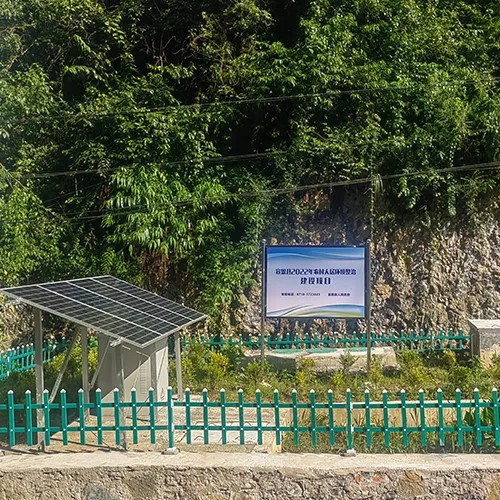
In Sub-Saharan Africa, the Sahel, and Central Asia, chronic drought degrades well water quality and depletes aquifers. Solar-powered brackish water RO systems provide a permanent, no-fuel water supply for villages of 500–5,000 people, supporting both drinking water and sanitation programs.
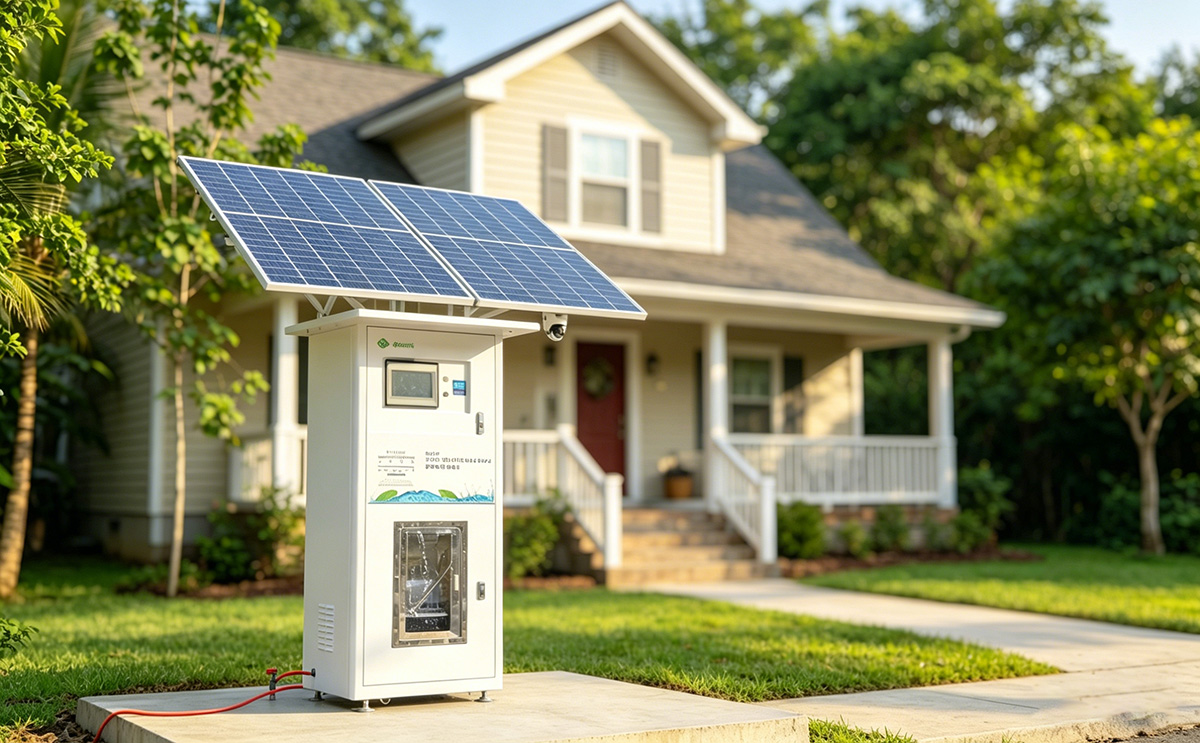
In areas inaccessible by road, lightweight portable solar purifiers weighing under 25kg can be helicopter-delivered or carried by mule train. These units treat glacial meltwater, river water, or contaminated springs to provide potable water for isolated communities or peacekeeping forces.
ABOUT US
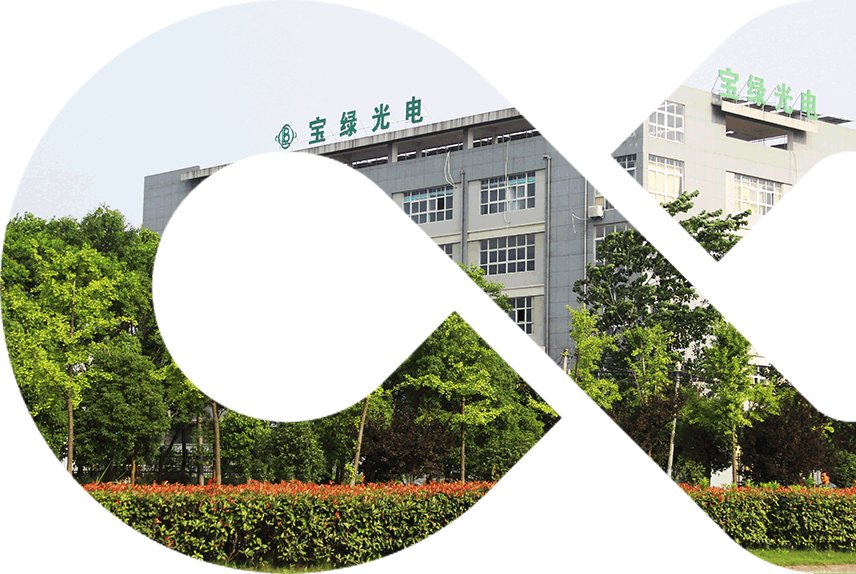
Anhui Baolv(ABG) Photoelectric Environmental Protection Equipment Co., Ltd. is a high-tech enterprise wholly owned by Anhui Baolv Photoelectric Engineering Co., Ltd., focusing on R&D and manufacturing of software and hardware for pure solar-powered water environmental protection equipment. We are committed to providing customers with efficient, environmentally friendly and sustainable solutions.
LEARN MORE
Baolv's one-stop energy-saving solutions cut costs, boost efficiency and turn energy-intensive enterprises into energy-saving benchmarks, winning wide acclaim.


Fully solar-powered for complete, off-grid energy independence.


Flexible, building-block design adapts to diverse application scenarios.


Built for harsh, unmanned areas with minimal maintenance required.


One-time investment enables long-term, zero-carbon and zero-cost operation.
Five proven deployment pathways — each engineered for a specific humanitarian or off-grid challenge.
At Baolv Optoelectronics, we provide tailored solar-powered water and energy systems that empower resilience and sustainable growth from remote areas to emergency scenarios.


Beyond the moral imperative, the commercial opportunity in humanitarian water treatment is substantial and growing. UN agencies, development banks, and bilateral aid donors collectively spend over USD 800 million annually on emergency and transitional water supply systems. A growing share of this procurement is shifting toward solar-powered RO systems as procurement guidelines increasingly mandate renewable energy compliance and life-cycle cost analysis rather than simple capital expenditure comparisons.
For manufacturers and project developers, the humanitarian aid channel offers several distinctive commercial advantages:
ISO 9001, ISO 14001, ISO 45001 & CQC certified systems are now mandatory in most UN and major NGO procurement frameworks — ensuring only rigorously tested systems reach the field.
Field engineers and procurement specialists evaluating RV water treatment systems for humanitarian deployment consistently prioritize the following technical parameters:
The next decade will see further convergence of artificial intelligence, renewable energy storage, and advanced membrane technology within humanitarian water treatment platforms. Graphene oxide membranes promise 10x higher permeability than conventional polyamide RO membranes, dramatically reducing energy consumption per liter of treated water. Solar-plus-hydrogen energy systems will enable 24/7 operation in regions with extremely variable solar irradiance.
Perhaps most significantly, the integration of satellite connectivity and predictive AI will enable truly autonomous water treatment stations that self-diagnose, self-optimize, and alert remote operators only when human intervention is genuinely required. This capability will be transformational for long-duration humanitarian programs in areas where qualified technicians are scarce or inaccessible.
Anhui Baolv (ABG) stands at the forefront of this evolution — with over 12 years of dedicated R&D, 52+ patents, and 13,500+ global water projects as proof of commitment. From portable units that can be hand-carried into conflict zones to containerized industrial systems treating 1,000+ liters per hour for island communities, the product range represents a complete ecosystem for humanitarian water security.
Our customers are spread all over the world, and now our products have been sold to over 80 countries worldwide. We are also committed to providing high-quality packaging for the world's top companies — delivering reliable RV water treatment solutions wherever humanitarian need calls.
Explore our full portfolio of solar-powered water treatment and purification systems designed for off-grid humanitarian, commercial, and industrial applications.