INDUSTRIAL OVERVIEW & STRATEGY
Ultraviolet Water Treatment in Emergency Architecture
Why non-chemical optical irradiation at 254 nm is superseding halogenation in global disaster contingency protocols and critical survival infrastructure.
⚡
99.999%
Pathogen Inactivation Rate
⏱️
< 10s
Microbicidal Contact Time
🧪
0g
Chemical Consumables Needed
☀️
100%
Solar Off-Grid Compatibility
1. The Paradigm Shift: From Chlorine Logistics to Photonic Neutralization
Historically, civil defense operations and disaster relief agencies relied predominantly on halogen tablets, bulk sodium hypochlorite, or chlorine dioxide dosing to arrest waterborne epidemics following extreme hydrological disruptions, earthquakes, or industrial failures. However, modern emergency logistics reveal that chemical supply chains are inherently fragile. During catastrophic occurrences, transportation networks collapse, roads wash out, and volatile oxidizers undergo rapid degradation under high ambient temperatures. Furthermore, chlorine reacts deleteriously with elevated humic and fulvic organic loads typical of post-flood surface runoff, yielding hazardous Trihalomethanes (THMs) and Haloacetic Acids (HAAs).
Ultraviolet (UV-C) disinfection technology operating at the germicidal peak of 253.7 nm (and emerging solid-state Far UV-C at 222–265 nm) transforms emergency preparedness into a self-sustaining engineering protocol. UV photon absorption induces thymine/cytosine dimerization within microbial DNA and RNA, fundamentally shattering nucleic cellular replication mechanisms. This purely physical disruption neutralizes spore-forming encysted protozoans—such as Cryptosporidium parvum and Giardia lamblia—which possess impenetrable outer oocyst shells virtually impervious to standard emergency chlorination doses.
2. Technological Convergence: Solar Photovoltaics, Solid-State UV-C LEDs, and Smart Sensors
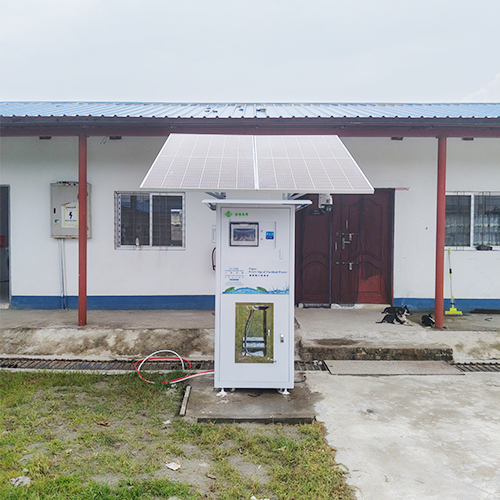
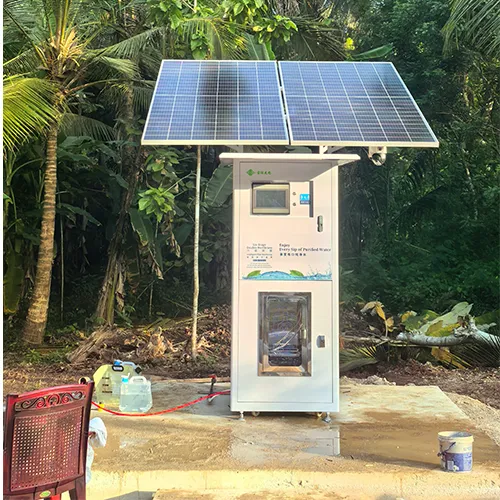
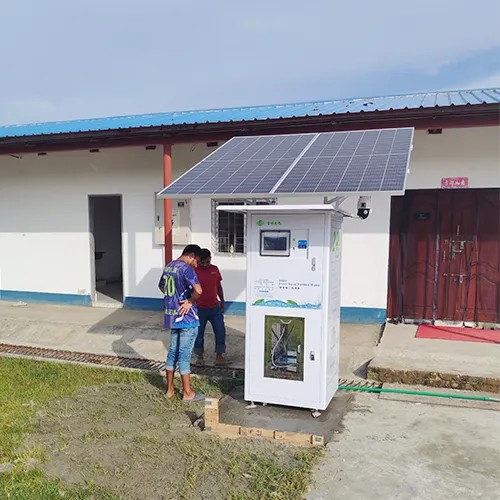
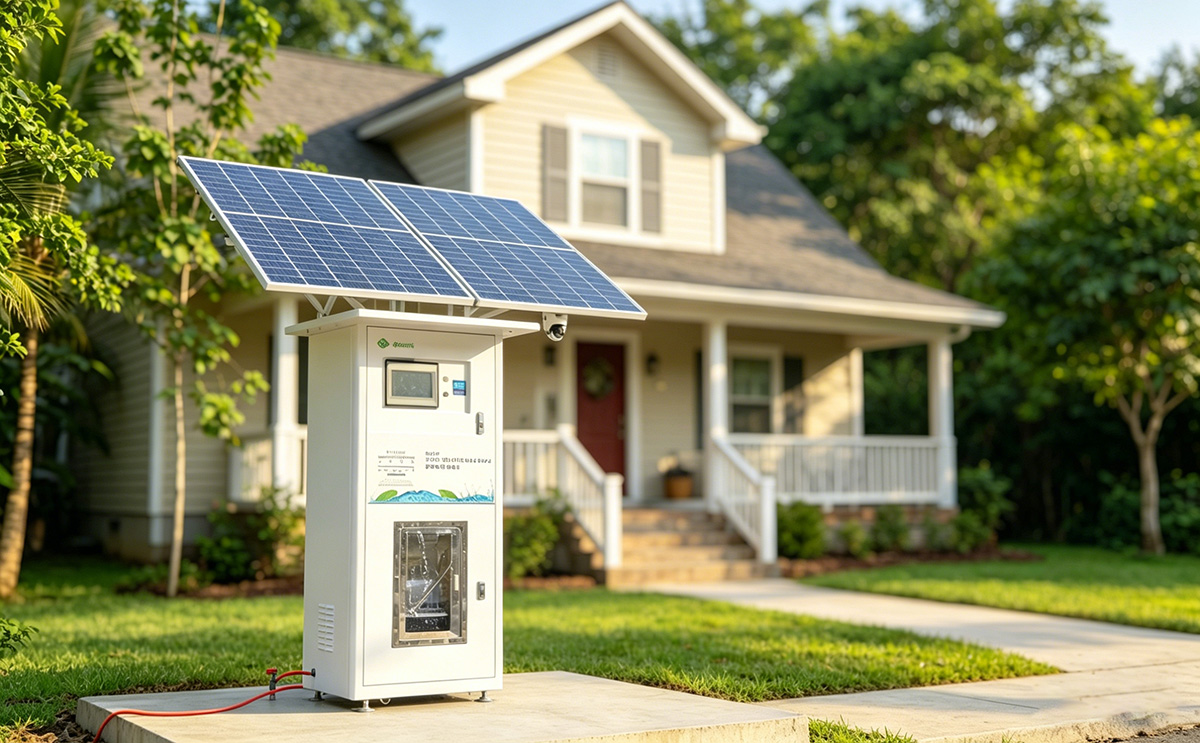
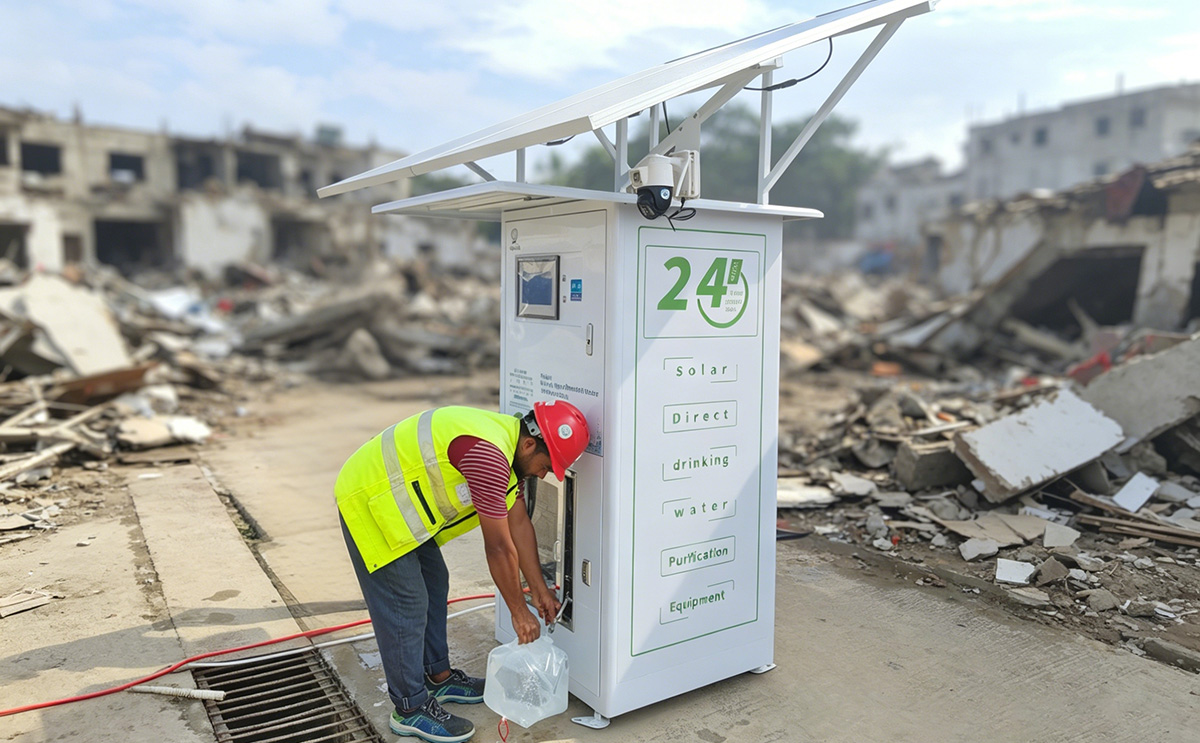
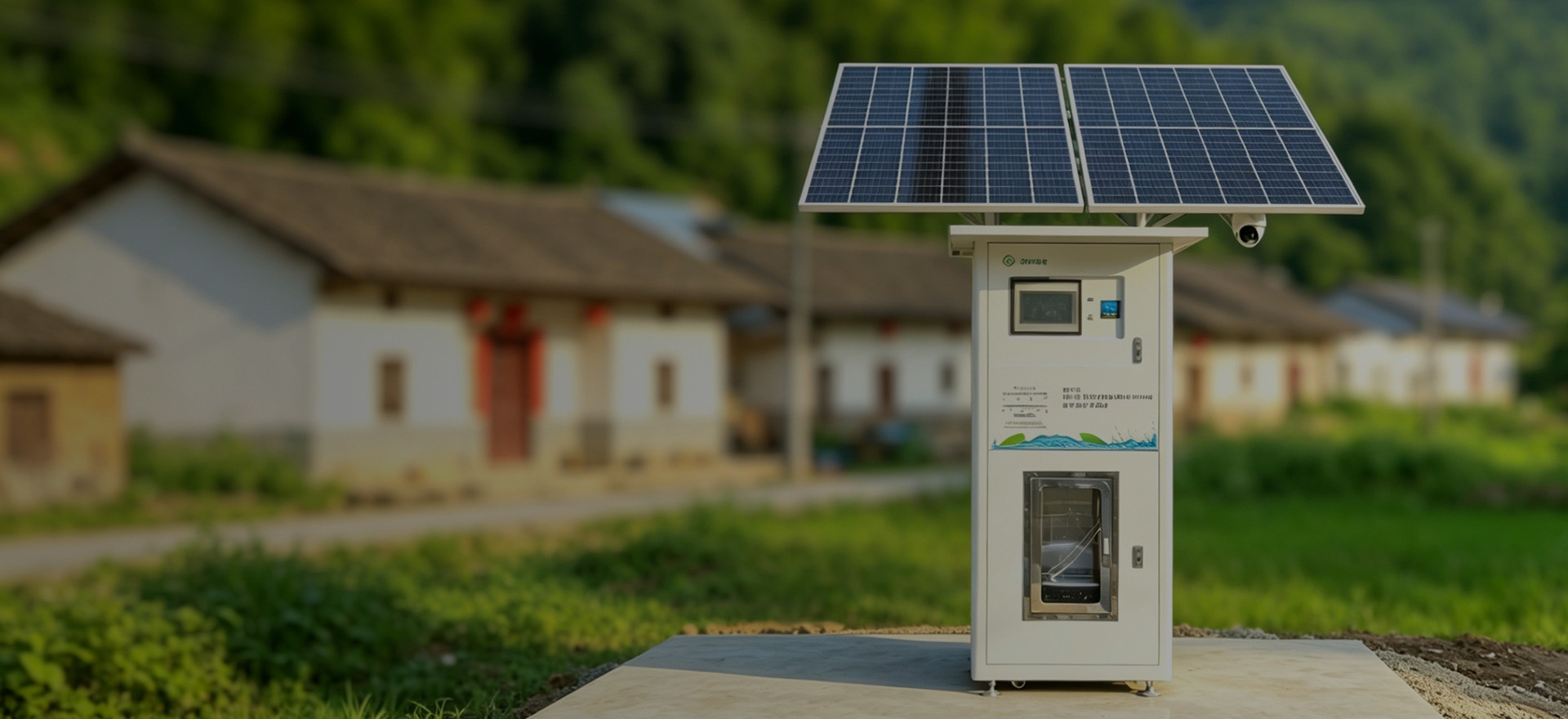
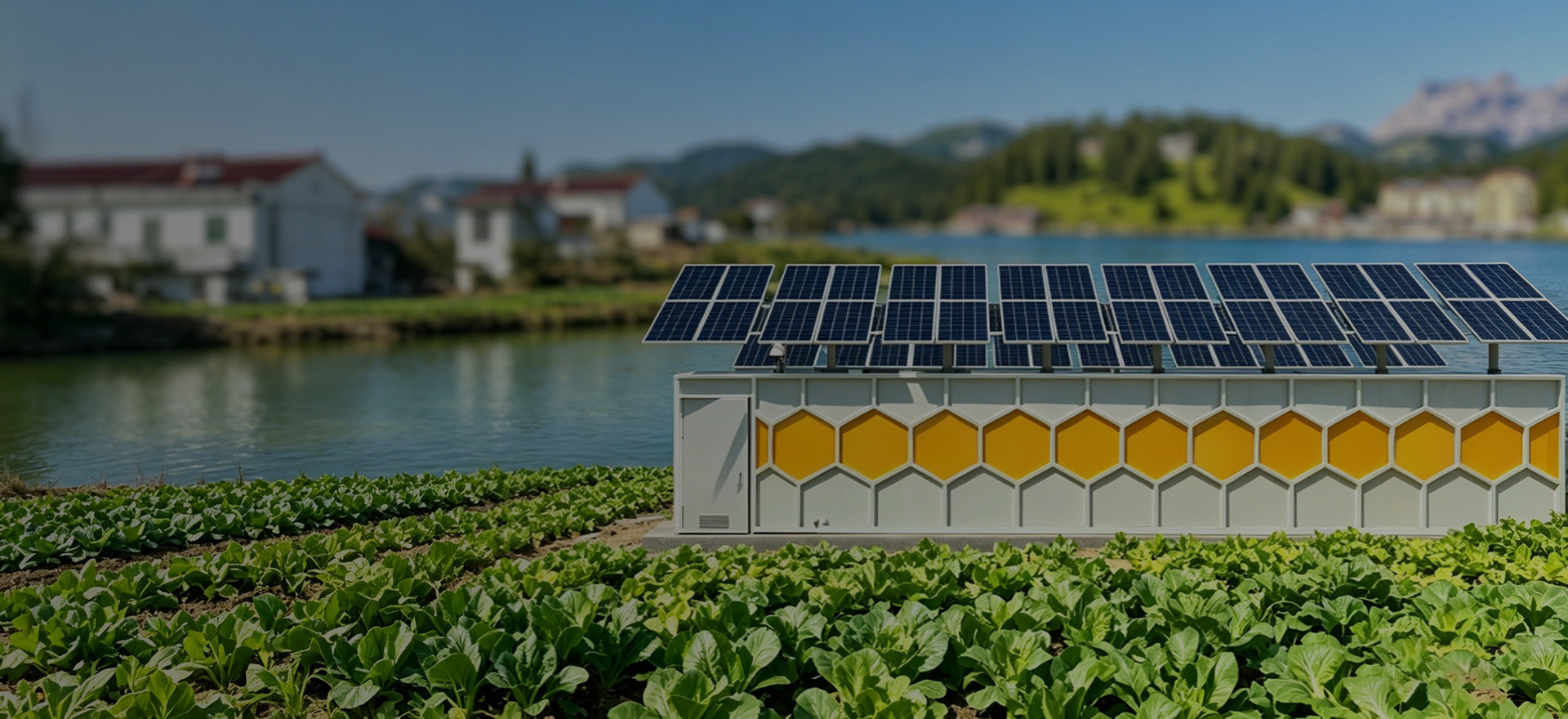
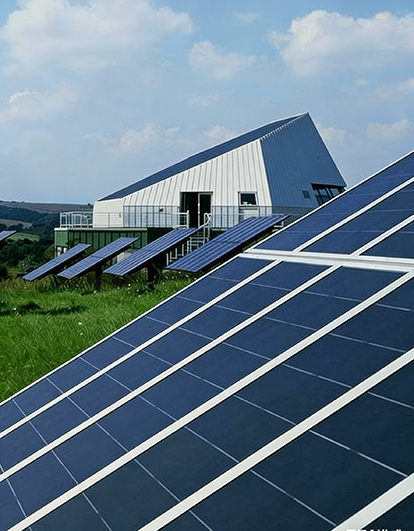
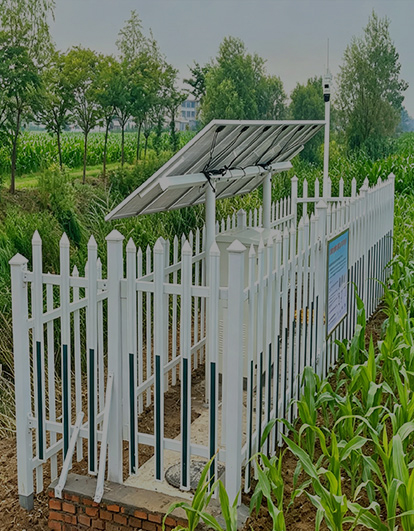
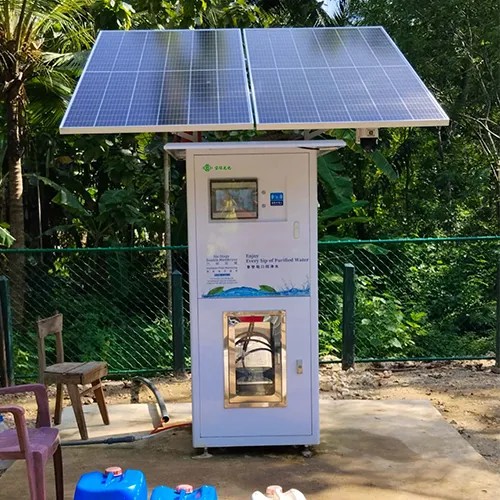
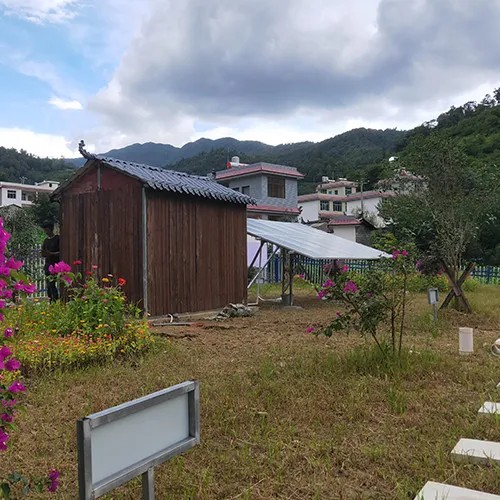
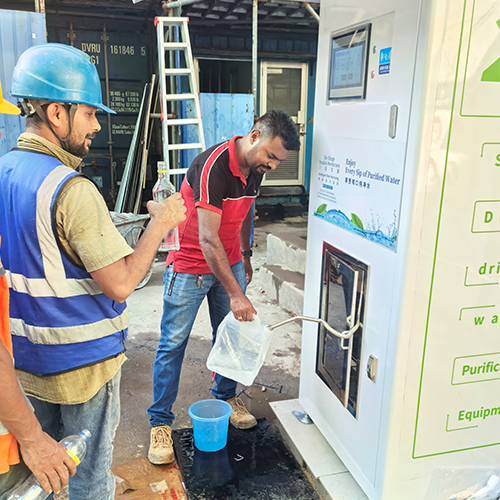
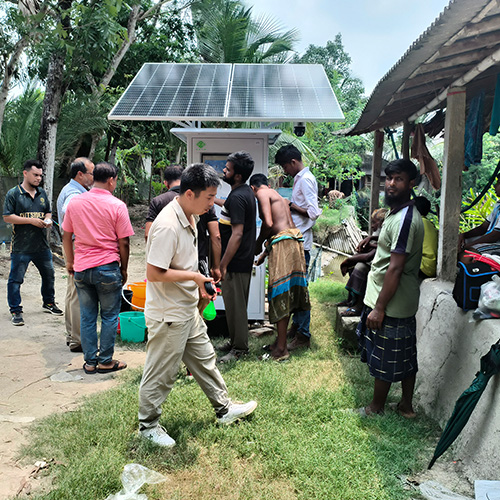
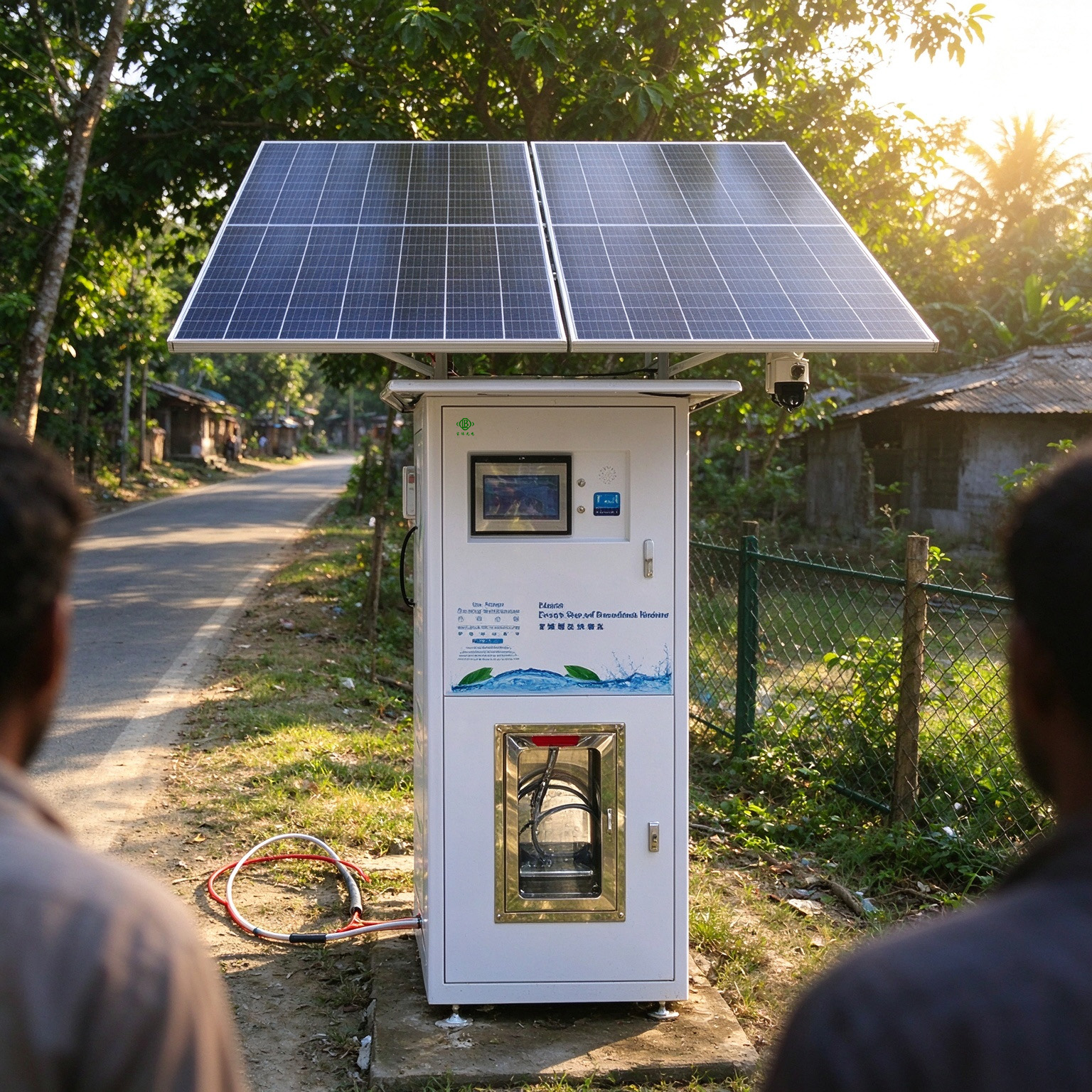
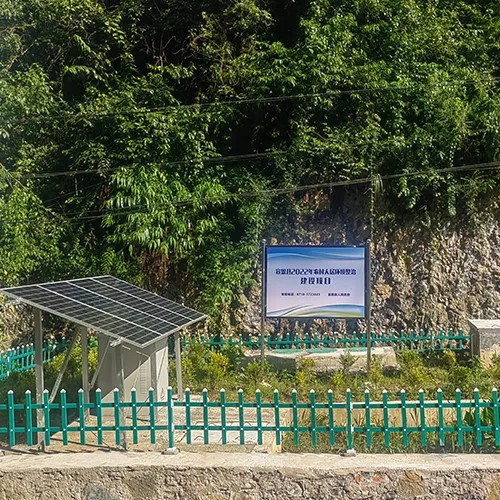
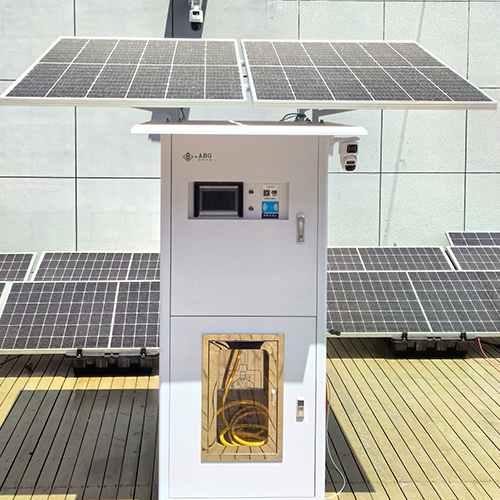
The contemporary emergency sector is experiencing an unprecedented convergence with clean energy engineering. As pioneered by Anhui Baolv (ABG) Photoelectric Environmental Protection Equipment Co., Ltd., pure solar-driven water environmental equipment untethers water purification from centralized fossil-fuel power grids. Traditional low-pressure mercury vapor lamps required significant starting currents and fragile quartz encasements. Today, advanced disaster relief units integrate ruggedized amalgam quartz assemblies and solid-state UV-C LED arrays. These semiconductors boast immediate on/off capabilities, zero warm-up latencies, low thermal outputs, and native DC-power acceptance directly compatible with solar photovoltaic arrays and lithium iron phosphate (LiFePO4) storage banks.
Coupled with intelligent IoT spectral transmittancy (UVT) monitoring, modern emergency UV-C chambers automatically modulate reactor irradiance in real time based on the turbidity and UV-absorbance coefficient of the influx. If post-flood stormwater exhibits low transmittance (<70% UVT), the automated variable-frequency control slows pump flux or intensifies optical dosage, ensuring no pathogen escapes the lethal radiant exposure of ≥ 40 mJ/cm² (NSF Standard 55 Class A guideline).
Physical DNA/RNA Lysis
Causes cross-linking of pyrimidine bases without producing carcinogenic disinfection by-products (DBPs) or altering the water's natural mineral taste and pH profile.
Zero Consumable Inventory
Eliminates hazardous chemical handling, bulk storage mandates, shelf-life expiration, and the need for specialized chemical dosing training in stress-laden rescue theaters.
Sub-Second Residence Time
Destroys pathogenic bacteria, enteric viruses (such as Norovirus, Hepatitis A/E, Poliovirus), and cysts instantaneously in continuous flow without retention basins.
3. Multi-Barrier Systems: Integrating UV with Reverse Osmosis and Modular MBR
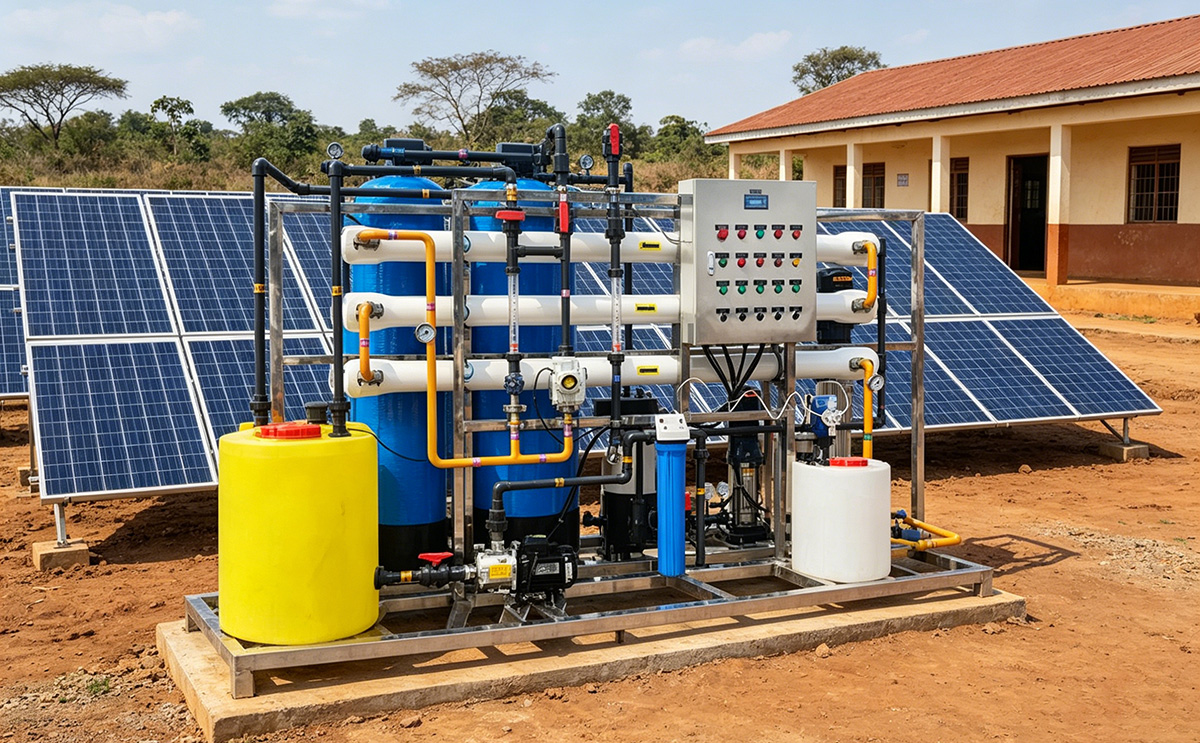
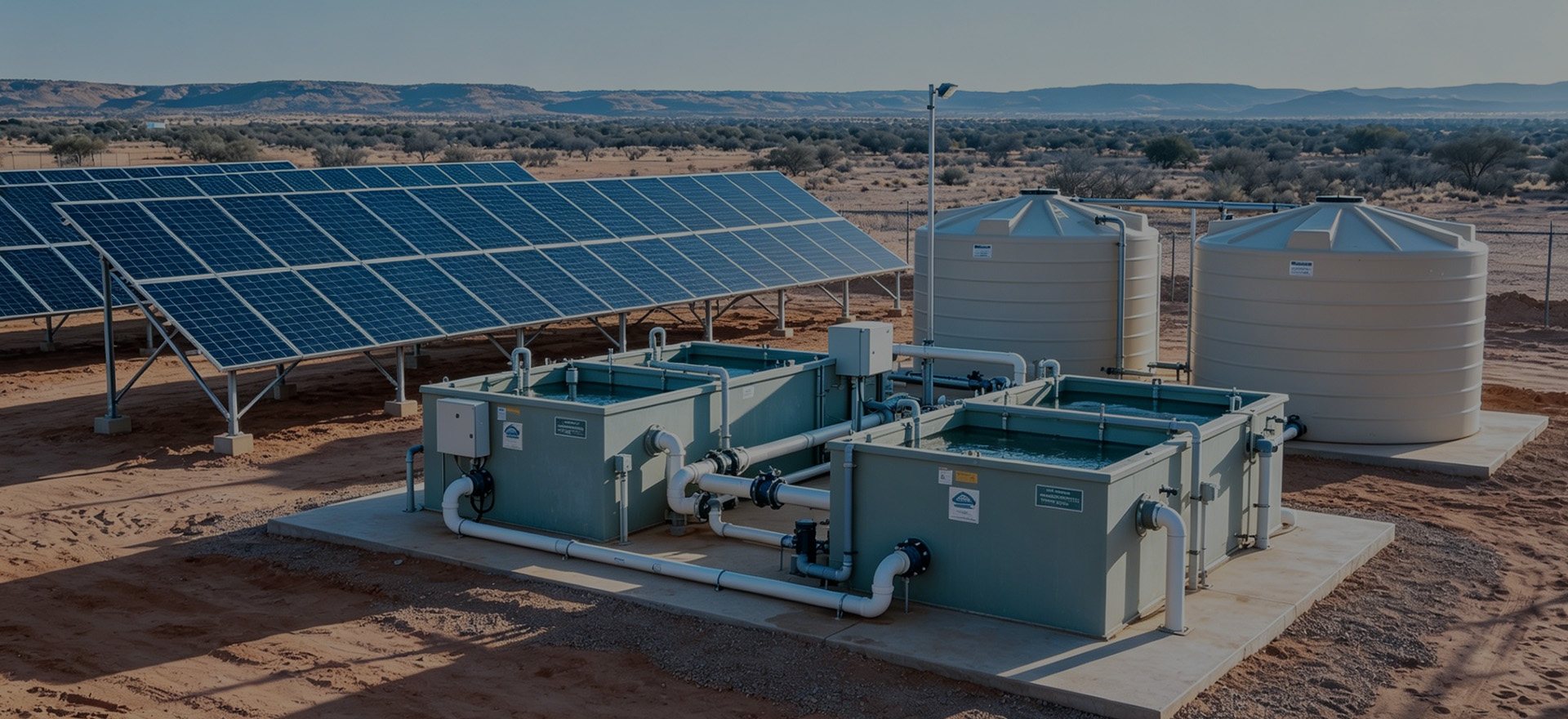
In true emergency preparedness scenarios, UV-C radiation operates as the ultimate microbiological terminal barrier within a comprehensive, multi-stage treatment train. Highly compromised emergency feedwaters require upstream stabilization:
Stage 1: Dynamic Pre-filtration & Coagulation — Utilizing disc filtration, automatic backwashing multimedia, or ultrafiltration (UF) hollow-fiber membranes to strip suspended colloidal solids, turbidity, and suspended organic matter that could otherwise scatter UV photons (optical shadowing effect).
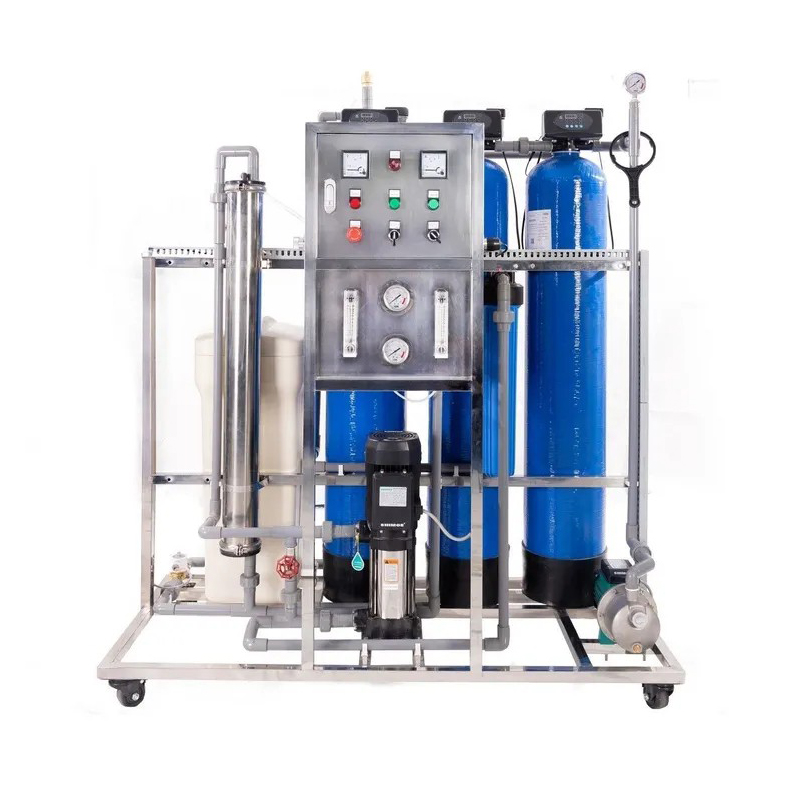
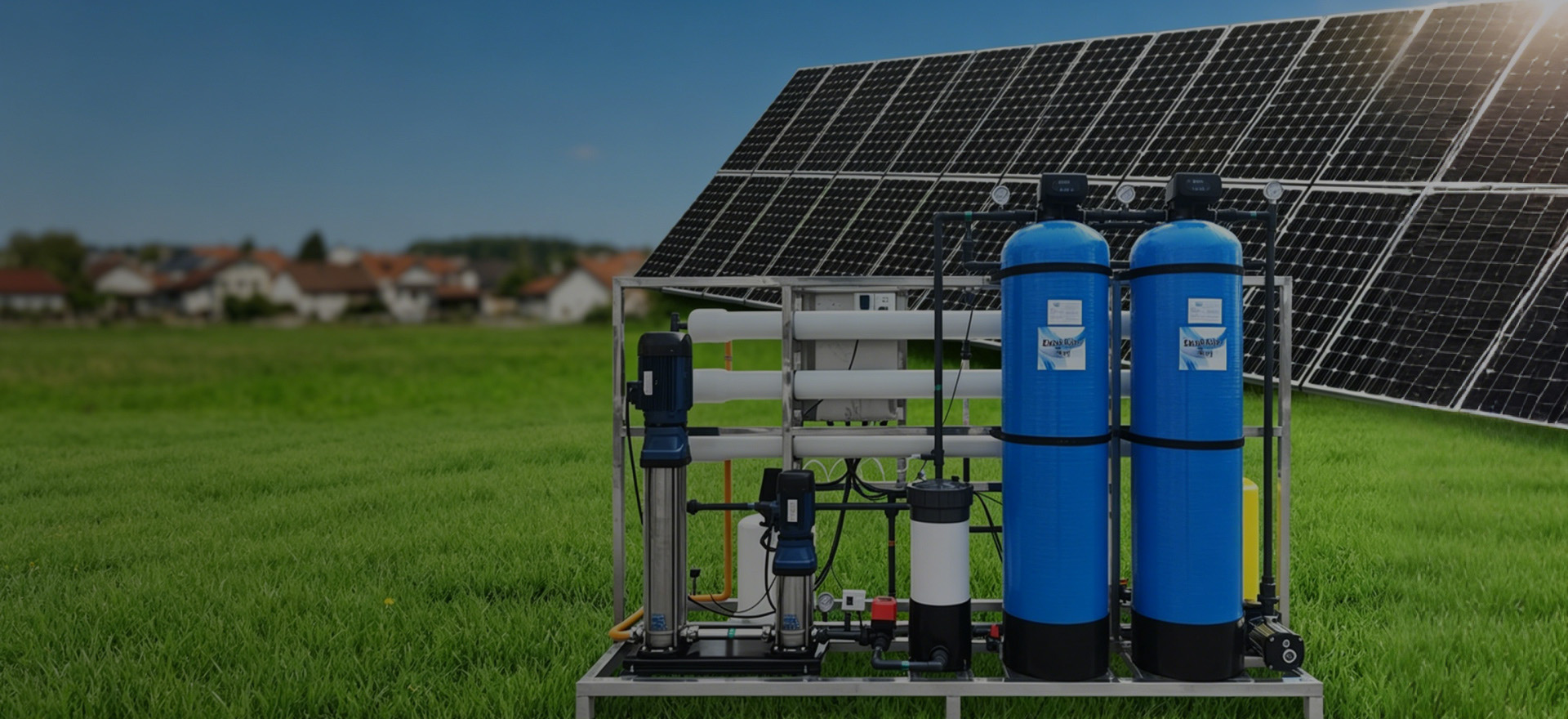
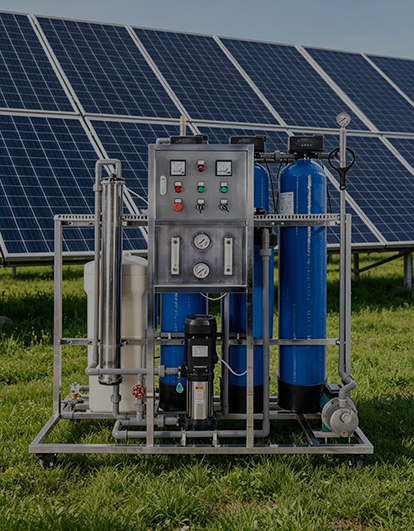
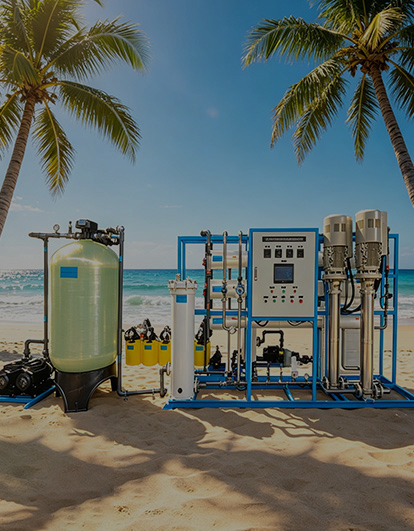
Stage 2: High-Rejection Reverse Osmosis (RO) — For brackish floodwaters, marine coastal storm surges, or chemical leachate incidents, RO membranes reject dissolved salts, toxic heavy metals, pesticides, and micropollutants.
Stage 3: High-Dose Ultraviolet Polishing — Positioned downstream of RO permeate storage or directly prior to distribution taps, UV sterilization guarantees that any biofilm colonizing distribution plumbing or surviving minor membrane breach is immediately annihilated.