Advanced solar-driven water treatment technology delivering safe, clean drinking water in emergency zones, remote regions, and post-disaster environments worldwide.
Trusted by 55+ Countries · 13,500+ Global Projects
Disaster Relief Solutions
Emergency Water Purification Systems for Disaster Relief
Field-proven, solar-powered water purification units engineered for rapid deployment in disaster relief operations, coastal emergencies, and off-grid crisis zones.
Water Purification for Disaster Relief: Global Industry Overview
Understanding the critical role of advanced water treatment technology in emergency response and humanitarian operations worldwide.
Access to clean drinking water is one of the most urgent needs in any disaster scenario — whether a devastating earthquake, a catastrophic flood, a prolonged drought, or a sudden humanitarian crisis. When centralized water infrastructure collapses, populations become immediately vulnerable to waterborne diseases including cholera, typhoid, and dysentery, which historically claim more lives in the aftermath of disasters than the initial event itself.
🌍 According to the United Nations, over 2 billion people still lack access to safe drinking water at home, and climate change is dramatically increasing the frequency and severity of water-related disasters — making advanced, portable water purification systems for disaster relief not just useful, but absolutely essential to global humanitarian infrastructure.
The Commercial & Industrial Market Landscape
The global emergency water purification market has evolved dramatically over the past decade. What was once a fragmented landscape of simple filtration devices and chemical treatment tablets has transformed into a sophisticated industry offering containerized reverse osmosis (RO) plants, solar-integrated mobile treatment units, and AI-monitored water quality management systems.
The market is driven by multiple converging forces: increased frequency of extreme weather events linked to climate change, growing government investment in disaster preparedness, expansion of humanitarian aid programs by NGOs and international organizations, and rapid advances in solar energy, membrane filtration, and IoT sensor technology. Major procurement channels now include national emergency management agencies, the United Nations UNHCR and UNICEF, the International Red Cross and Red Crescent societies, military and defense contractors, and private infrastructure development firms operating in underserved regions.
Reverse Osmosis (RO) Technology
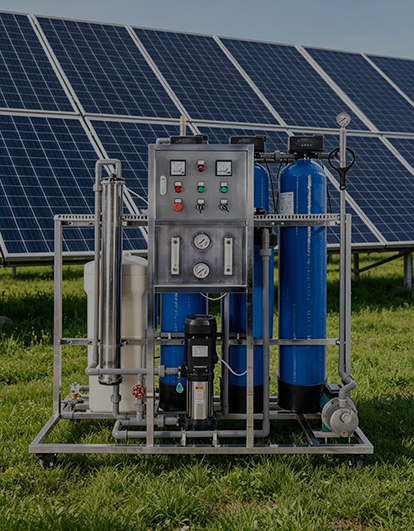
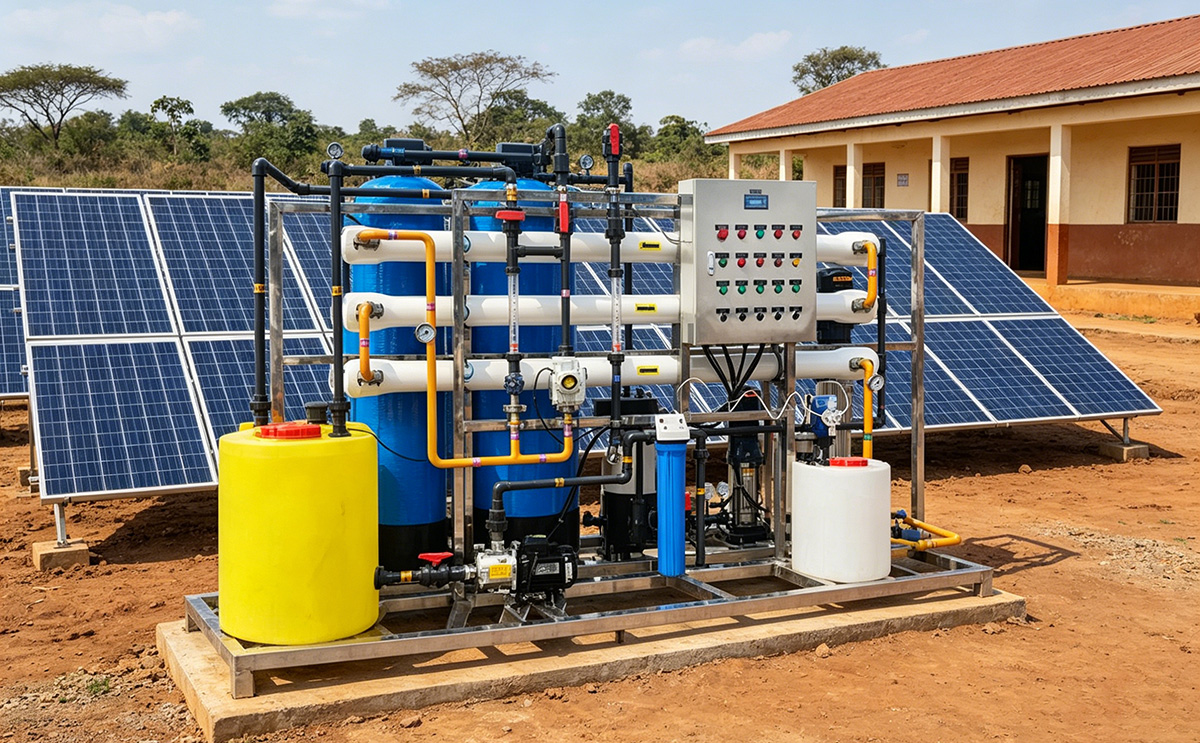
RO remains the gold standard for disaster relief water purification, capable of removing up to 99.9% of dissolved salts, bacteria, viruses, heavy metals, and chemical contaminants. Modern RO systems designed for emergency deployment are compact, skid-mounted or containerized, and can be operational within hours of arrival on-site.
Solar-Powered Off-Grid Systems
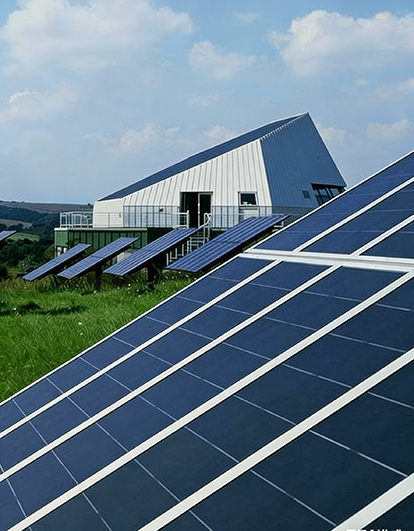
The integration of photovoltaic solar panels with water treatment systems has revolutionized disaster relief operations. Eliminating dependency on diesel generators — which are expensive, logistically complex, and environmentally harmful — solar-powered units can operate indefinitely in sunlit disaster zones with zero fuel cost and minimal maintenance.
Containerized Modular Plants
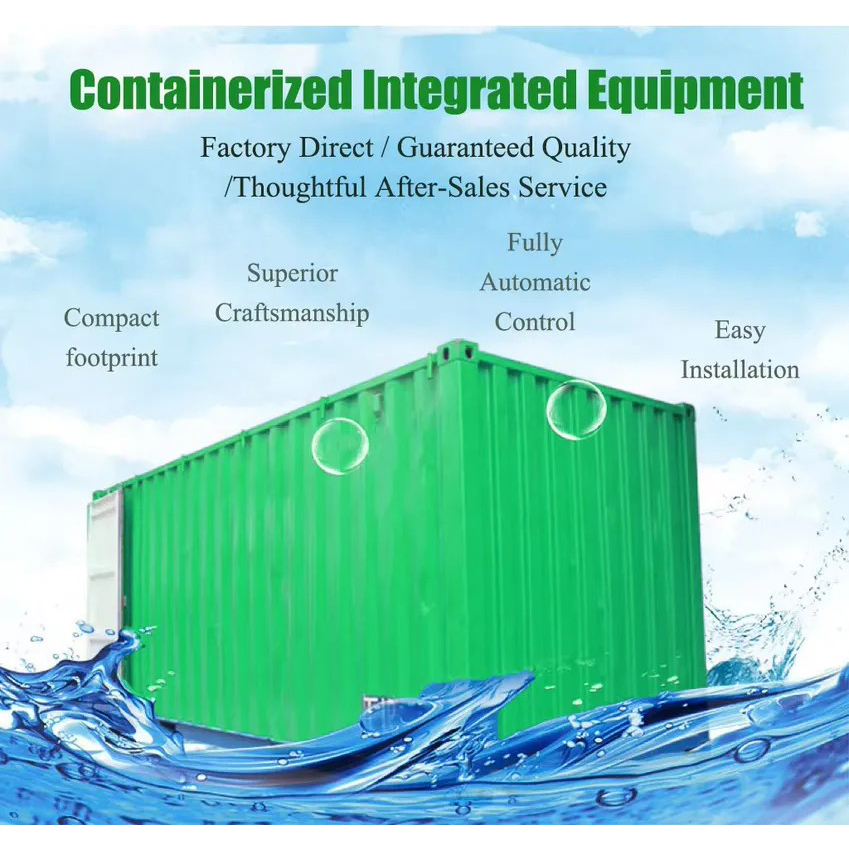
40-foot and 20-foot container-based water treatment plants can be air-freighted, shipped, or trucked directly to disaster sites. These self-contained units include pre-filtration, RO membranes, post-treatment disinfection, water storage, and electrical systems — ready to produce thousands of liters of potable water per hour immediately upon deployment.
IoT & Remote Monitoring
AI-powered remote monitoring systems enable real-time tracking of water quality parameters — TDS, pH, turbidity, flow rate, and membrane pressure — transmitted via satellite or cellular networks to command centers. This allows rapid response to equipment issues and provides documented proof of water safety for aid organizations and governments.
Emerging Trends Shaping the Industry
The water purification for disaster relief sector is undergoing rapid technological evolution. Several key trends are reshaping how systems are designed, deployed, and operated globally:
Zero Liquid Discharge (ZLD)
Next-generation systems are engineered for zero wastewater output, critical in water-scarce disaster environments where every liter counts.
Rapid-Deploy Mobile Units
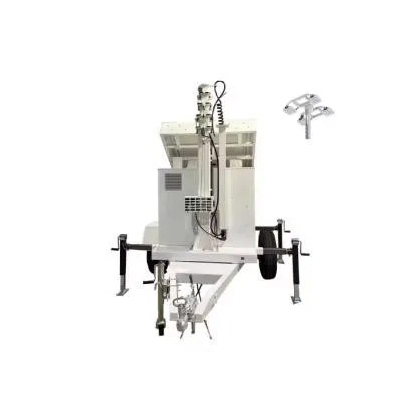
Trailer-mounted and vehicle-integrated water purification systems can be operational within 30–60 minutes of arrival, serving 500–5,000 people per day.
AI-Driven Water Quality AI
Machine learning algorithms predict membrane fouling, optimize chemical dosing, and detect contamination events in real time — improving safety and efficiency.
Seawater Desalination for Islands
Coastal and island communities devastated by typhoons or tsunamis benefit from compact SWRO systems that convert seawater into potable water independently of mainland supply.
Integrated Sewage Treatment
Disaster relief increasingly demands combined water purification and sewage treatment to prevent disease outbreaks in densely populated emergency camps.
Hybrid Solar-Battery Storage
Solar panels paired with lithium battery storage ensure 24/7 water production capacity regardless of weather conditions — critical for overnight and cloudy-day operations.
Deep-Dive Application Scenarios
Modern water purification systems for disaster relief operate across a diverse range of high-stakes scenarios, each demanding specific technical configurations and deployment strategies:
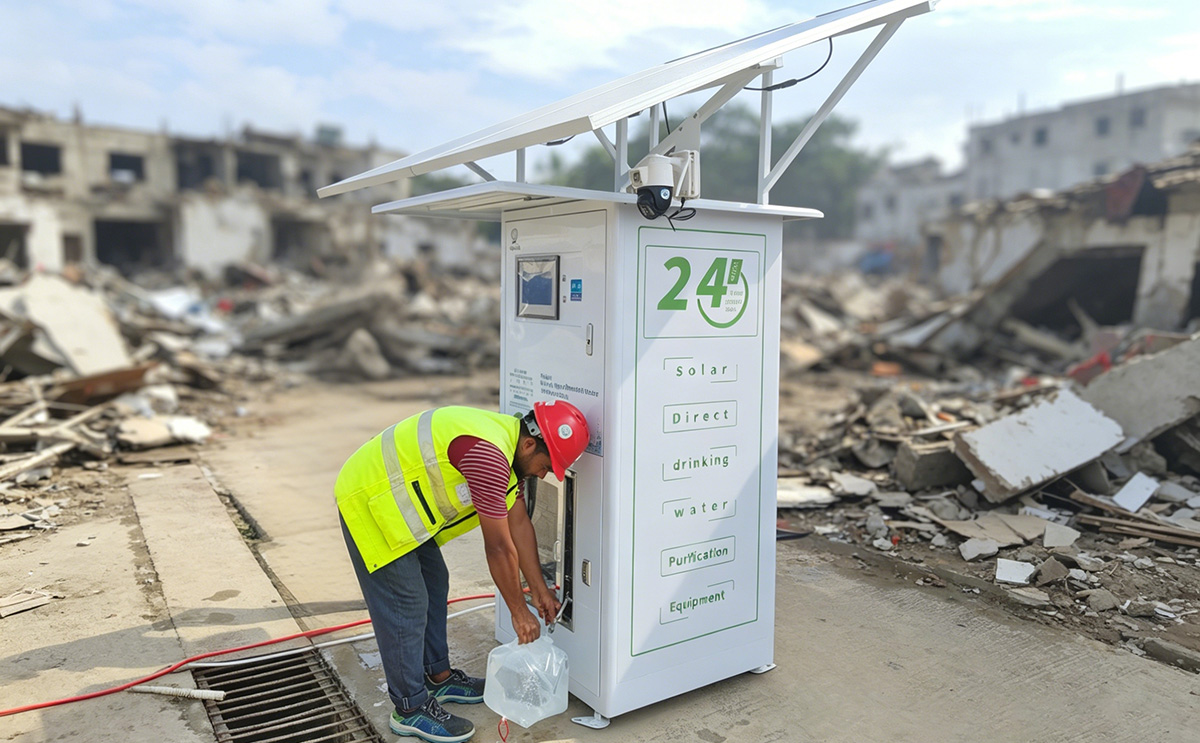
Post-Earthquake Urban Response: When earthquakes destroy municipal water infrastructure, portable containerized RO systems can be rapidly trucked into urban zones, connected to surface water sources (rivers, ponds, even flooded basements), and begin producing thousands of liters of safe drinking water within hours. The systems' solar independence means they function even when city power grids are completely down for extended periods.
Flood-Zone Contamination Control: Flooding typically contaminates surface and groundwater with sewage, agricultural chemicals, industrial pollutants, and pathogenic microorganisms simultaneously. Multi-stage systems combining sediment pre-filtration, activated carbon adsorption, ultrafiltration (UF), and RO membranes address this complex contamination profile effectively, producing water meeting WHO drinking water quality standards even from severely polluted flood sources.
Refugee and Displacement Camp Operations: Large-scale refugee camps housing tens of thousands of displaced persons require continuous, reliable water production at scale. Industrial-grade solar-powered RO plants producing 10,000–100,000 liters per day, with integrated water distribution networks, remote monitoring capabilities, and low-maintenance designs suited to operation by minimally trained local personnel, represent the ideal solution for these extended humanitarian operations.
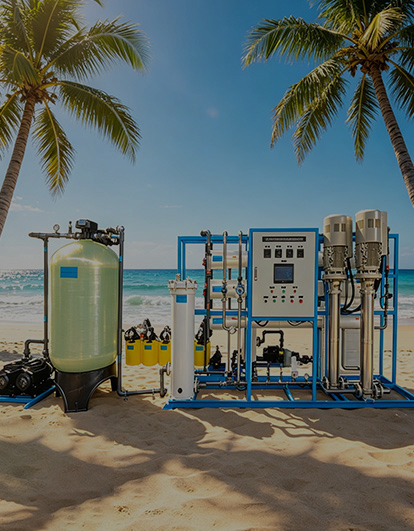
Island and Coastal Disaster Recovery: Islands and coastal communities struck by typhoons, hurricanes, or tsunamis face particular water security challenges: existing freshwater infrastructure is destroyed while abundant seawater surrounds them. High-capacity seawater reverse osmosis (SWRO) systems — particularly solar-powered variants requiring no grid connection — provide the only viable immediate solution for safe drinking water production in these scenarios.
Remote Military and Peacekeeping Operations: Military field operations and UN peacekeeping missions in conflict or disaster zones require self-sufficient water supply that cannot depend on local infrastructure. Ruggedized, vehicle-mounted water purification units operating from any water source — rivers, lakes, brackish wells, or seawater — are critical force-multiplier assets that protect personnel health and operational continuity.
Long-Term Post-Disaster Reconstruction: Beyond the immediate emergency phase, water purification systems for disaster relief increasingly serve as the foundation for long-term community water infrastructure in areas where pre-disaster systems were inadequate or non-existent. Solar-powered systems with 15–25 year operational lifespans provide sustainable, cost-free water access that supports community resilience and prevents future humanitarian crises.
Featured Products
FEATURED PRODUCTS
We are committed to providing customers with efficient, environmentally friendly and sustainable solutions.
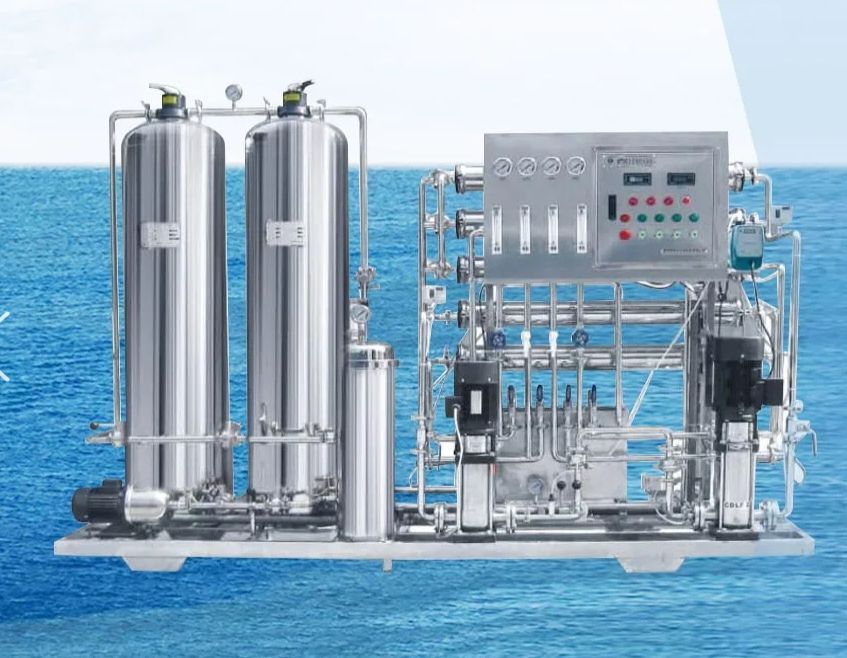
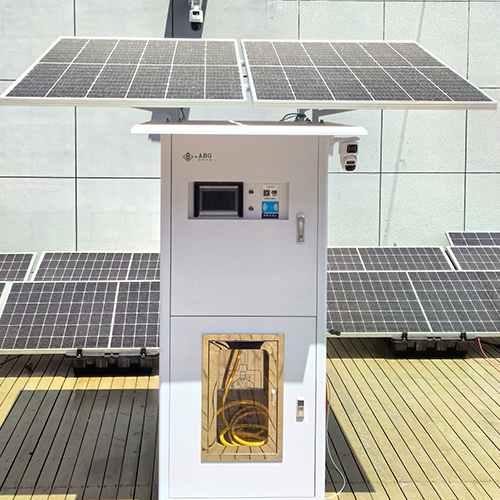
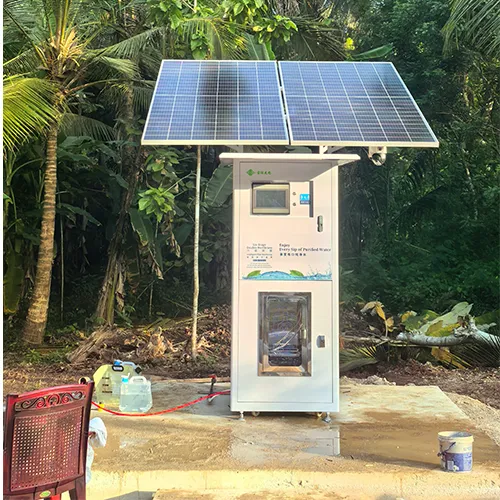
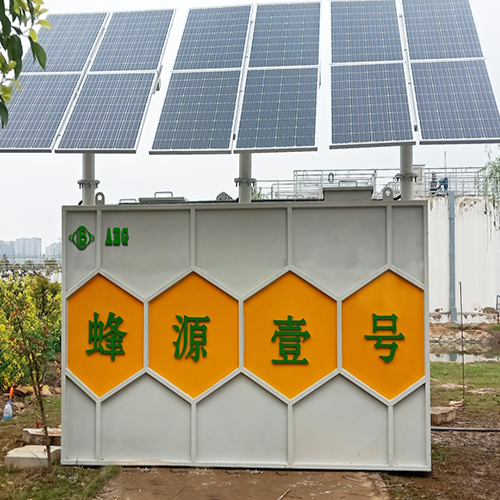
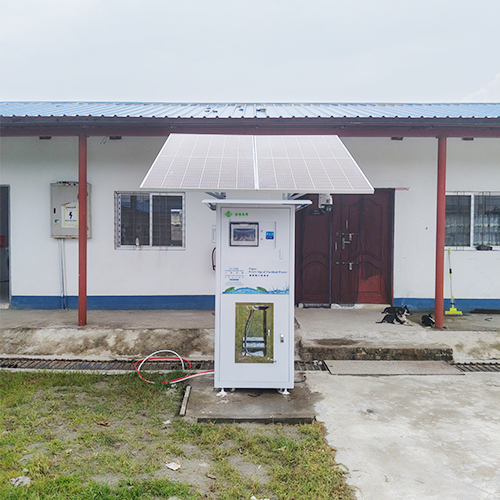
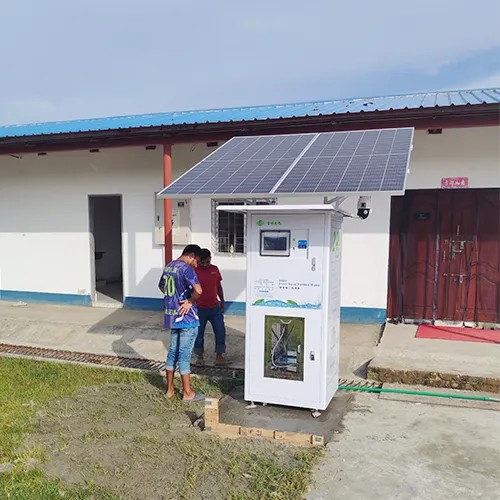
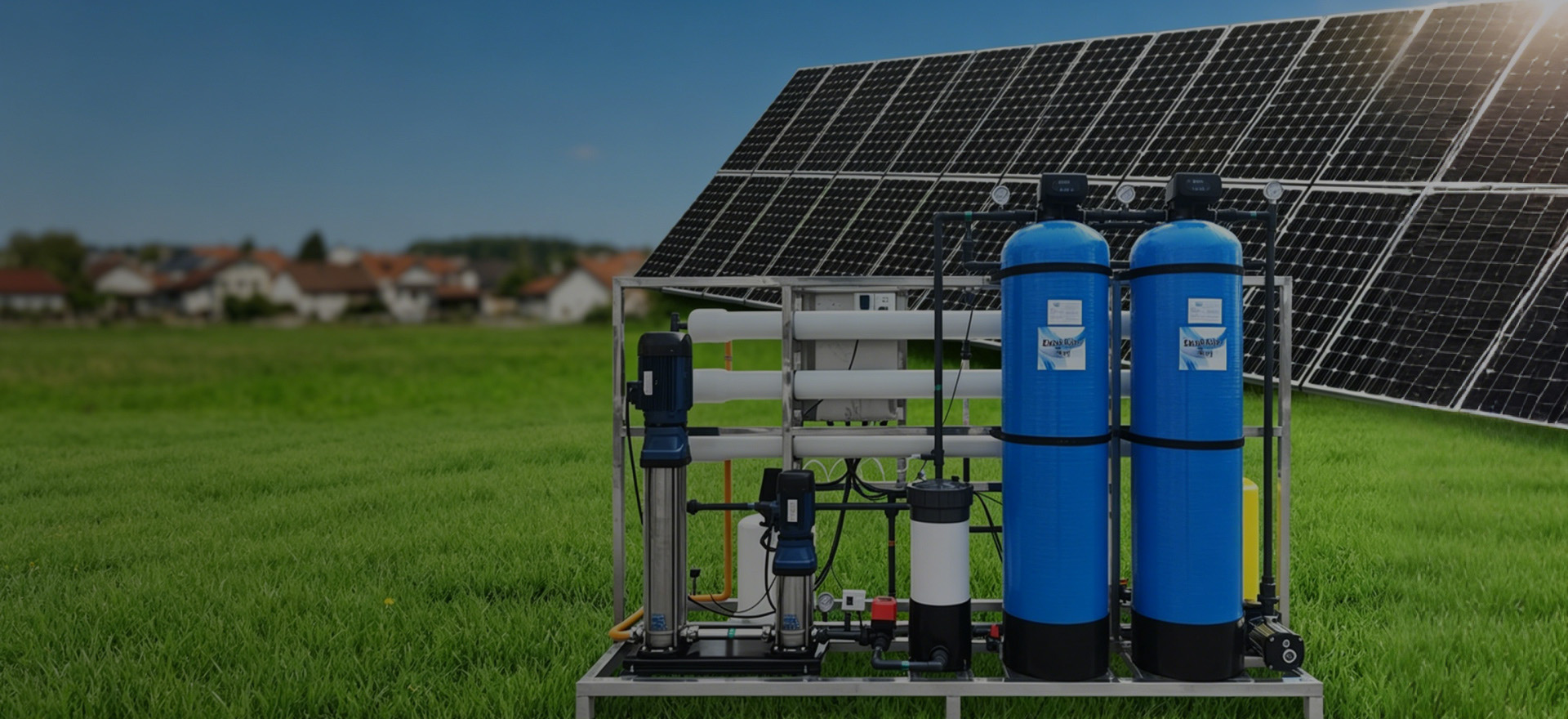
Solar Powered Drinking Water System
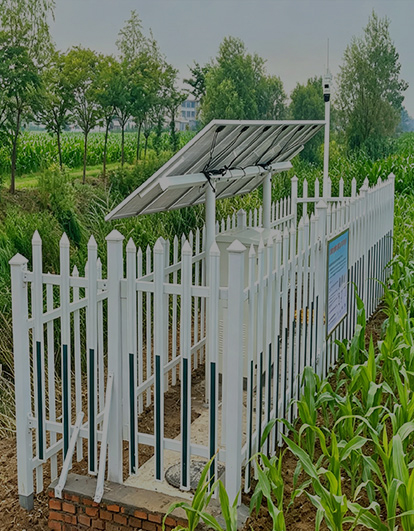
Solar Powered Water Purification System
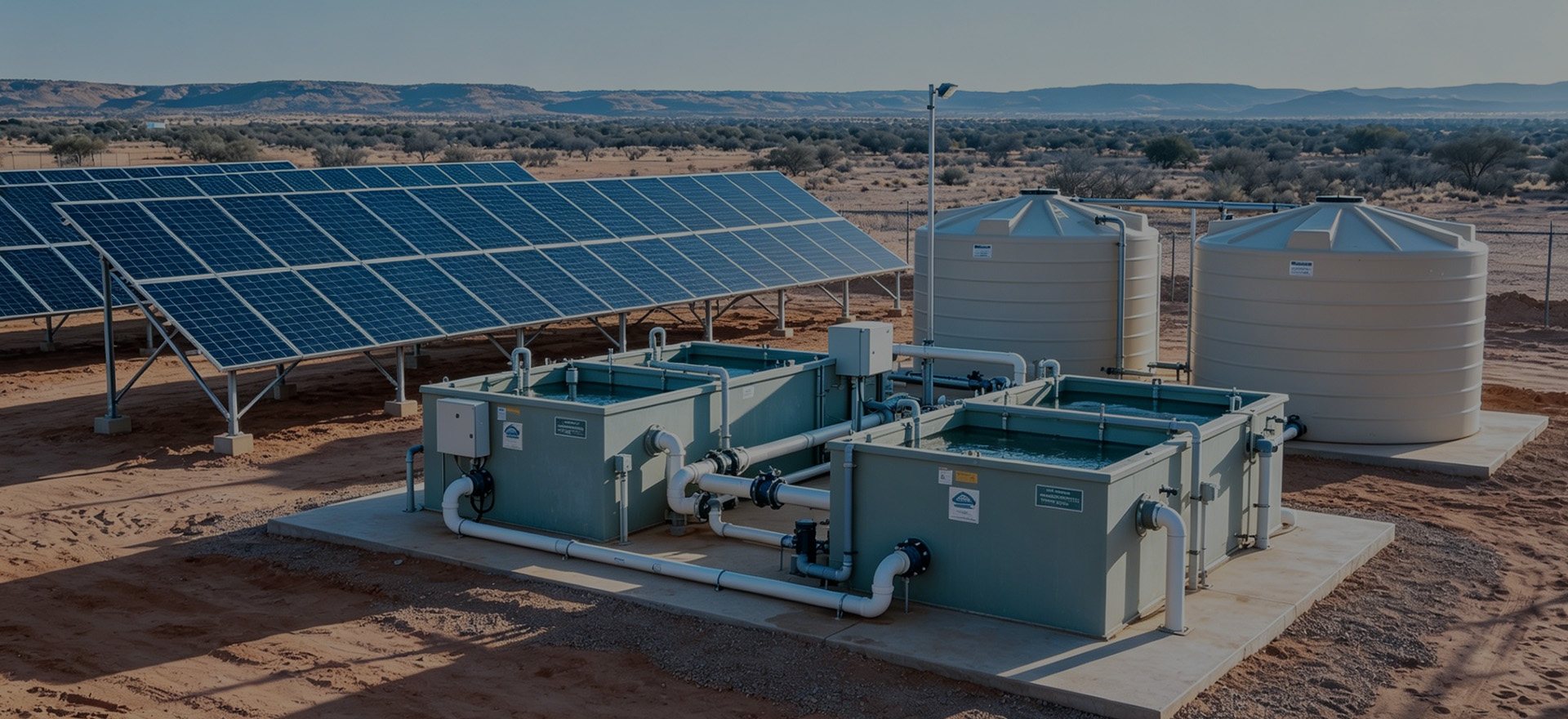
Solar Seawater Desalination System
Portable Solar Water Purifier for Outdoor & Emergency Use
Place of Origin: Anhui, China
Brand Name: BL
Certification: ISO9001, ISO14001, ISO45001, CQC
Model Number: BLCT-G050
LEARN MORE
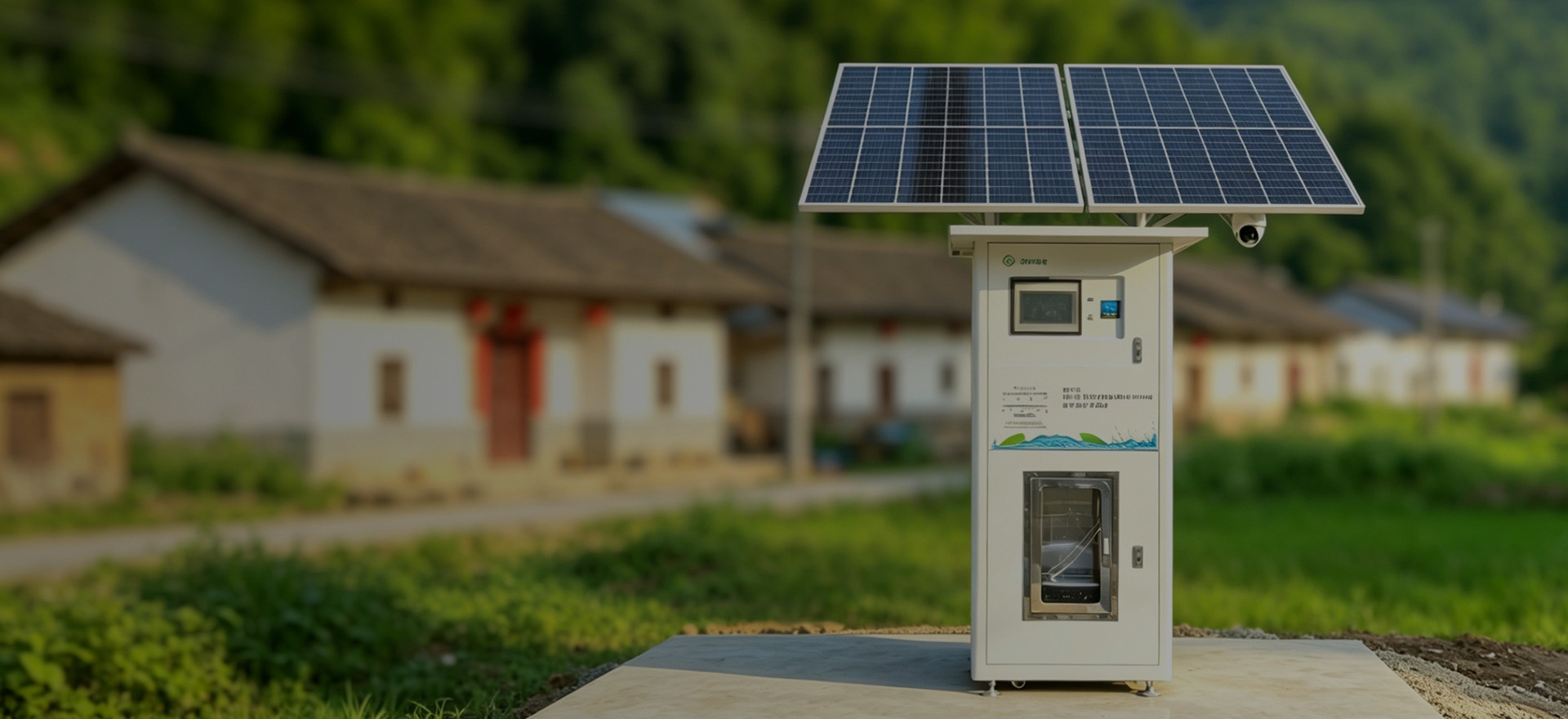
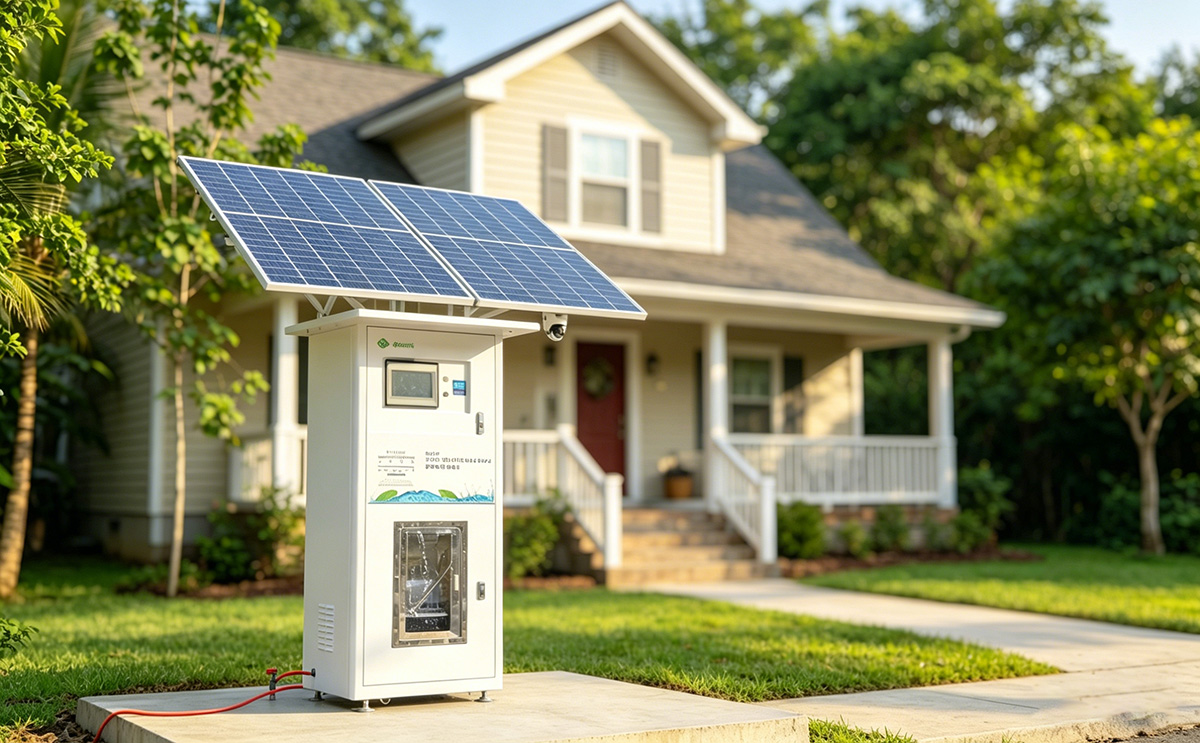
Rural Household Pure Solar Drinking Water Equipment
Place of Origin: Anhui, China
Brand Name: BL
Certification: ISO9001, ISO14001, ISO45001, CQC
Model Number: BLCT-G050
LEARN MORE
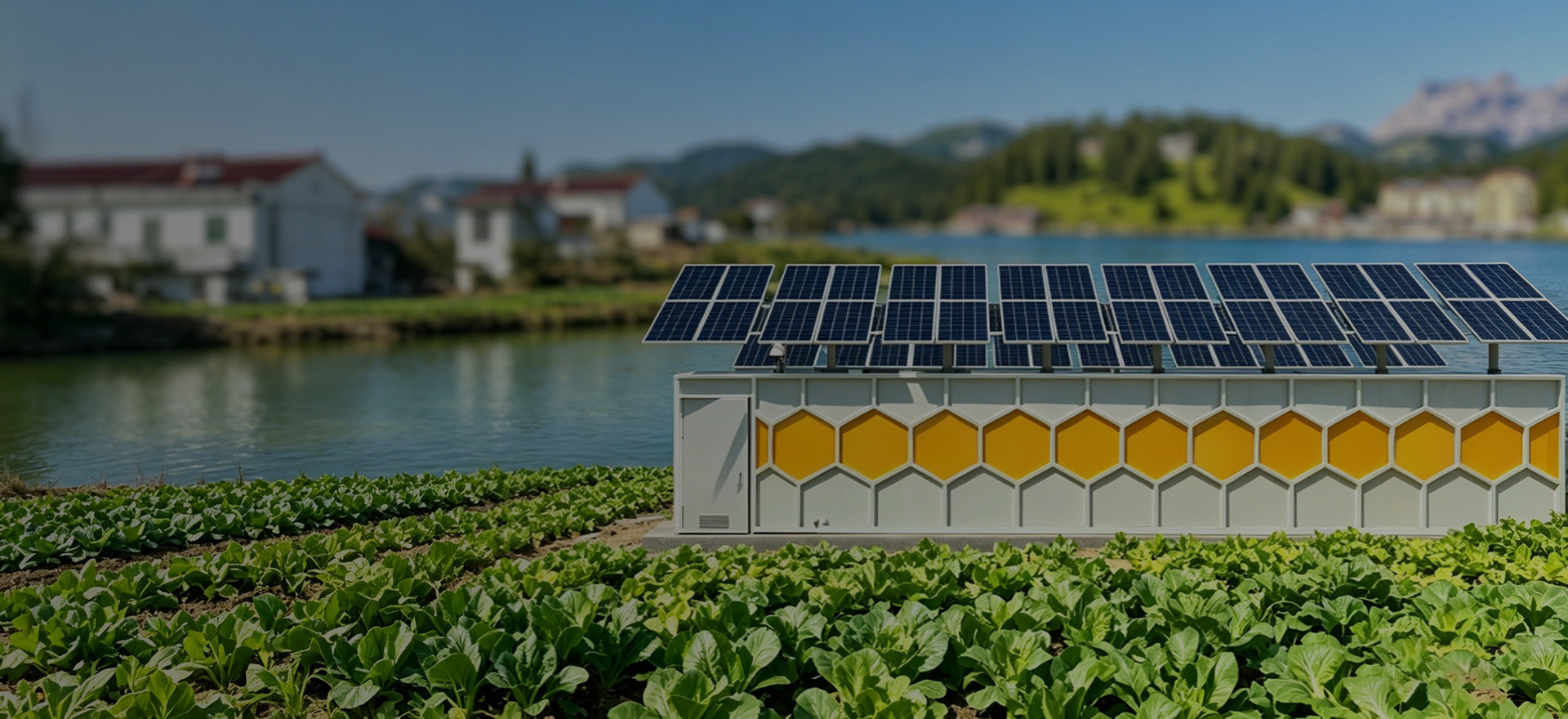
Commercial Large-Scale Pure Solar Drinking Water Equipment
Place of Origin: Anhui, China
Brand Name: BL
Certification: ISO9001, ISO14001, ISO45001, CQC
Model Number: BLCT-G050
LEARN MORE
Industrial Water Softening & Purification Equipment For Hard Water Areas
LEARN MORE
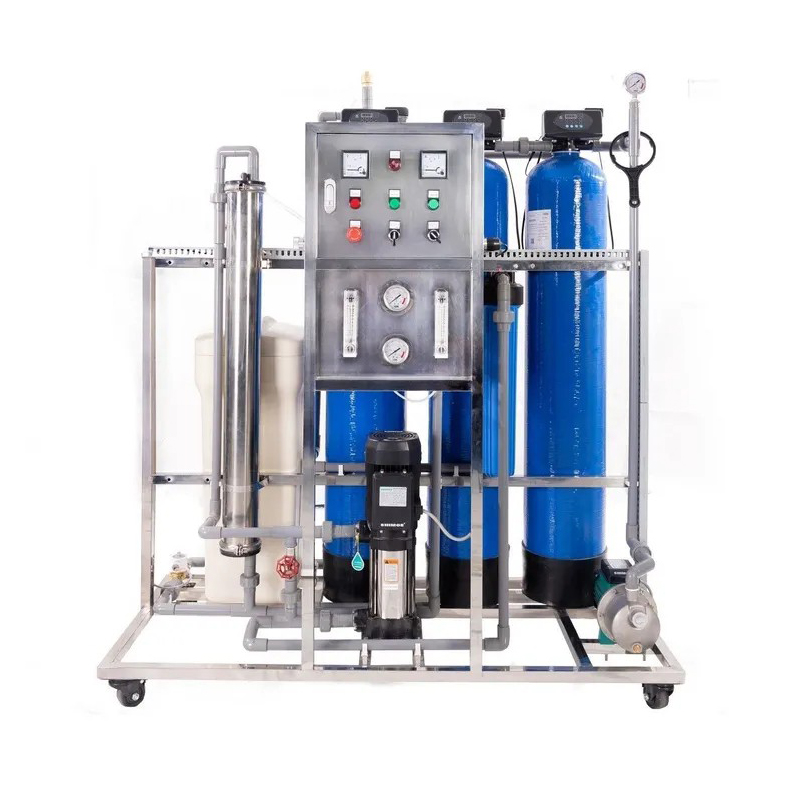
RO Reverse Osmosis Plant 250L/Hour Water Desalination Solar Water Purifier Machine RO System
LEARN MORE
High-Quality 1000LPH Seawater Desalination Unit Ship and Island-Specific Brackish Water RO Direct-Drinking Water Purification Sy
LEARN MORE
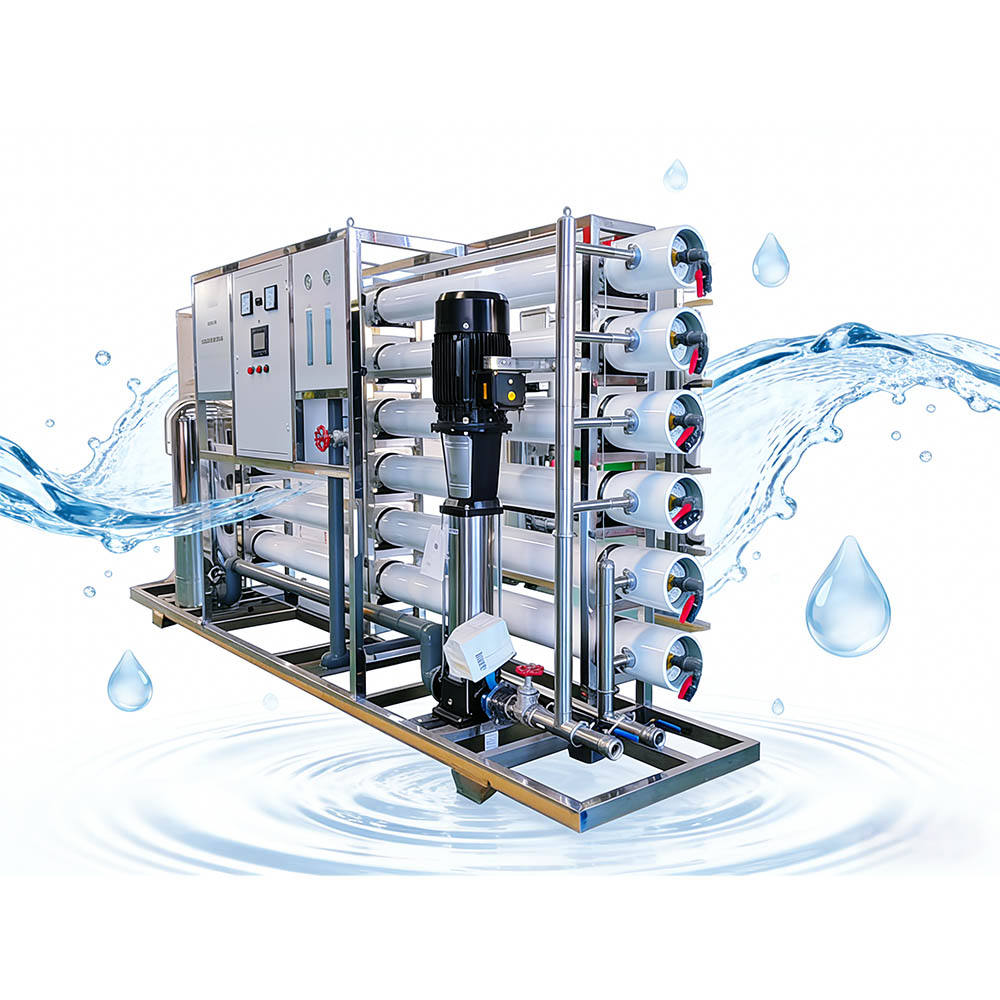
40ft Containerized Desalination Plant Reverse Osmosis System Including Pump PLC Motor for Salty Seawater Water Purification
Anhui Baolv(ABG) Photoelectric Environmental Protection Equipment Co., Ltd. is a high-tech enterprise wholly owned by Anhui Baolv Photoelectric Engineering Co., Ltd., focusing on R&D and manufacturing of software and hardware for pure solar-powered water environmental protection equipment. We are committed to providing customers with efficient, environmentally friendly and sustainable solutions.
Baode's one-stop energy-saving solutions cut costs, boost efficiency and turn energy-intensive enterprises into energy-saving benchmarks, winning wide acclaim.
Solar-Driven
Fully solar-powered for complete, off-grid energy independence.
Modular & Design
Flexible, building-block design adapts to diverse application scenarios.
Rugged & Low-Maintenance
Built for harsh, unmanned areas with minimal maintenance required.
Cost-Free
One-time investment enables long-term, zero-carbon and zero-cost operation.
our solution
Industry Solution
Tailored solar-powered water and energy systems delivering resilience across remote communities, eco-tourism, agriculture, emergency response, and public facilities.
Off-Grid Water Ecosystem
A complete, solar-powered water cycle for remote communities. It provides a cost-free, eco-friendly loop that solves drinking water, sanitation, and irrigation needs sustainably.
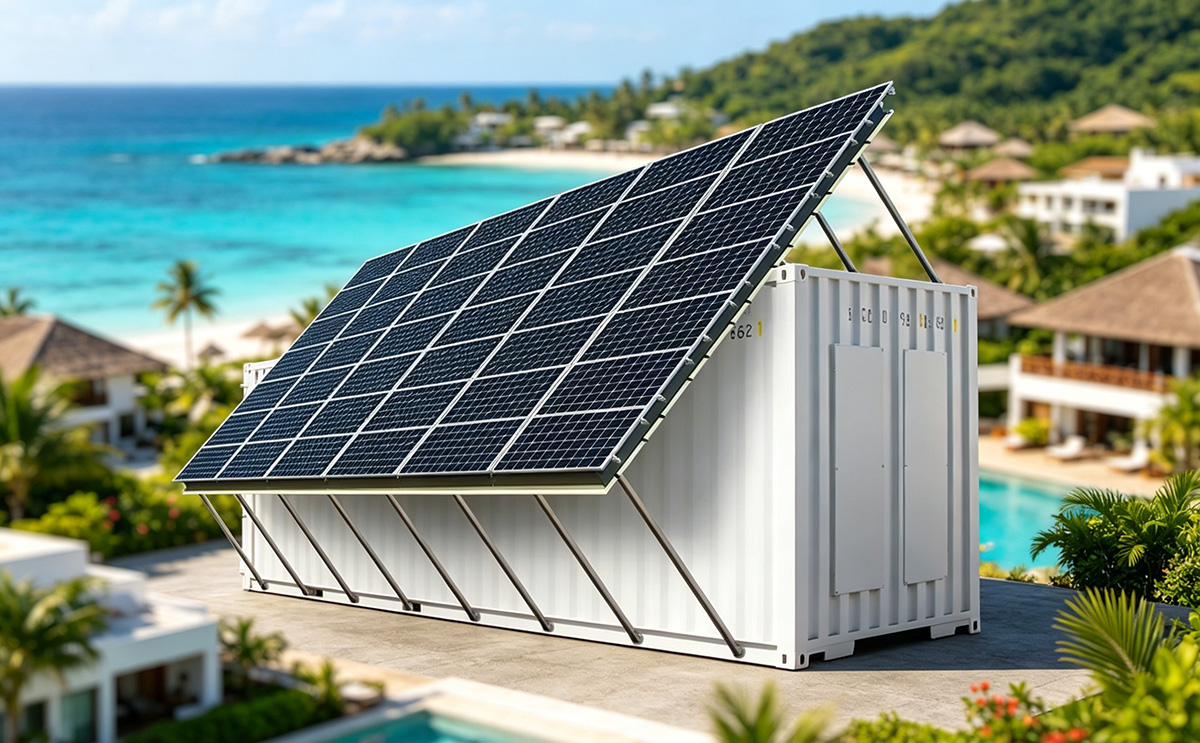
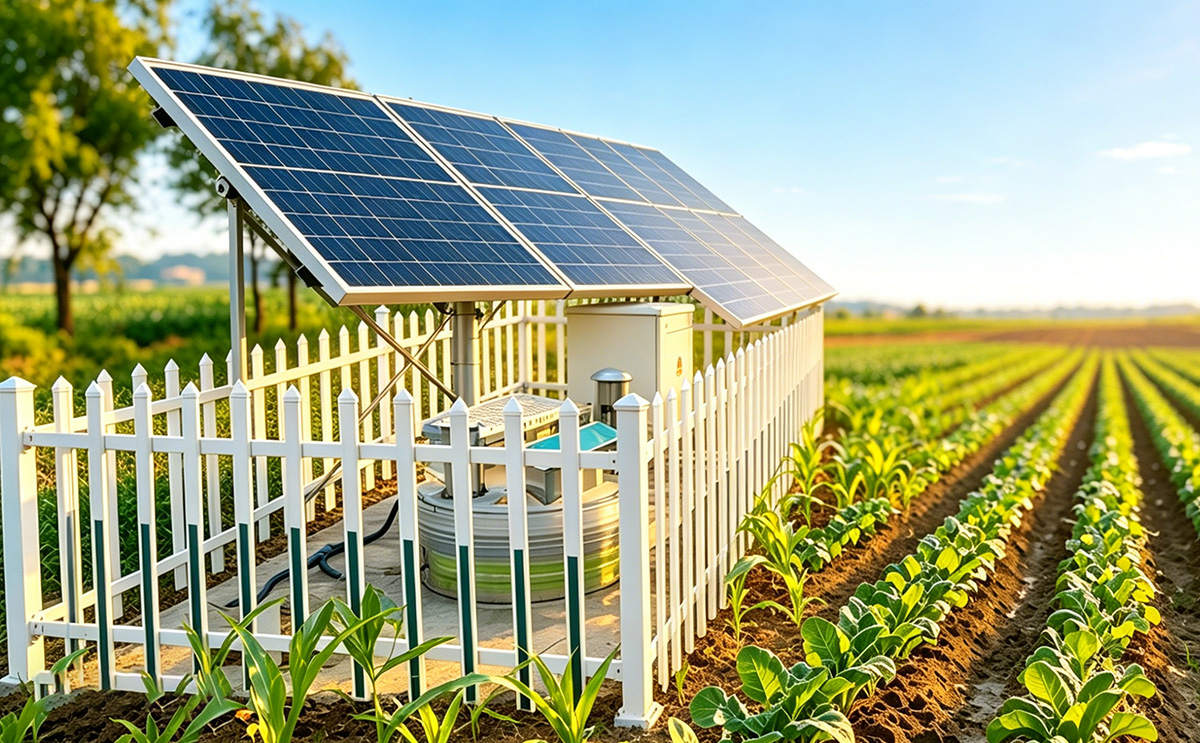
100% solar-powered water infrastructure for eco-resorts. It enables off-grid operation for water and sewage, enhancing sustainability and the guest experience in pristine settings.
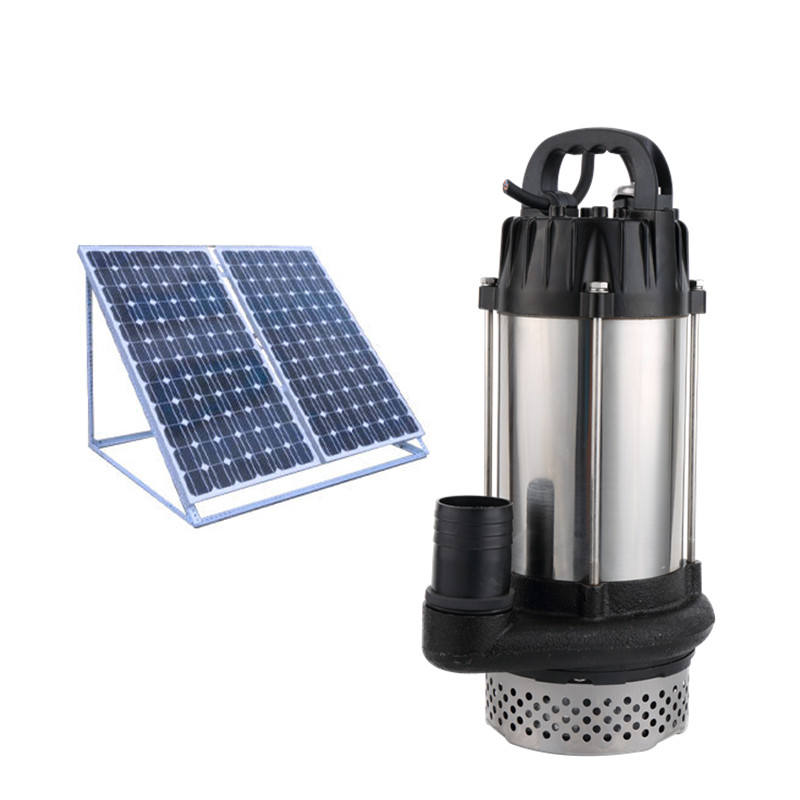
Solar-powered pumps replace diesel/grid power for remote farms. They enable automated, precise irrigation, reducing costs and enabling smarter agriculture off-grid.
Rapid-deployment, solar-powered units for disaster zones. They independently produce safe drinking water and treat sewage where infrastructure is damaged.
At Baolv Optoelectronics, We provide tailored solar-powered water and energy systems that empower resilience and sustainable growth from remote areas to emergency scenarios.
Our customers are spread all over the world, and now our products have been sold to over 80 countries worldwide. We are also committed to providing high-quality packaging for the world's top companies.
12+
Years of Experience
52+
Patents & Copyrights
13,500+
Global Water Projects
80+
Countries Served
Complete Product Range
More Water Purification Systems for Disaster Relief & Beyond
Explore our full range of solar-powered water purification, irrigation, and energy solutions engineered for emergency, industrial, and off-grid applications.