Leave Your Message

Water Treatment Device For Disaster Relief

Deploying Advanced Solar-Powered Water Purification Systems for Immediate Emergency Response & Off-Grid Humanitarian Assistance Globally

The Global Commercial & Industrial Landscape of Disaster Relief Water Treatment

When natural disasters like earthquakes, tsunamis, hurricanes, or floods strike, local utility infrastructures are typically the first to collapse. Centralized municipal water grids go offline, pipelines rupture, and power distribution systems fail, leaving affected populations vulnerable to waterborne pathogens and dehydration. In these critical circumstances, the deployment of a robust, autonomous water treatment device for disaster relief becomes a fundamental pillar of emergency response strategies.

"According to humanitarian logistics data, access to safe drinking water within the first 24 to 72 hours of a disaster reduces the outbreak of secondary public health crises, such as cholera and dysentery, by over 85%."

Commercial and Institutional Procurement Dynamics

Historically, disaster relief water systems were heavily dependent on the transportation of bottled water or the deployment of heavy, diesel-powered purification trucks. However, logistics chains are frequently disrupted by damaged roads and fuel shortages. Modern commercial trends have shifted rapidly toward localized, self-sustaining technologies. Today, international non-governmental organizations (NGOs), military units, municipal civil defense agencies, and the United Nations actively procure modular, solar-powered water treatment units. These entities prioritize equipment that offers a low total cost of ownership, high durability, and plug-and-play operation without reliance on external supply chains.

Industrial Market Trends & Off-Grid Technological Integration

The industrial water purification sector is witnessing a massive transition toward hybrid and pure solar-powered systems. Manufacturers are integrating high-efficiency photovoltaic (PV) modules, smart energy storage systems (ESS), and advanced membrane filtration to build systems that operate entirely off-grid. The integration of IoT (Internet of Things) telemetry allows remote monitoring of water quality, flow rates, and system health via satellite or cellular connections. This technological leap ensures that disaster relief organizations can manage fleets of decentralized purification units deployed across vast, inaccessible geographic regions.

ABOUT US

Anhui Baolv(ABG) Photoelectric Environmental Protection Equipment Co., Ltd.

Anhui Baolv(ABG) Photoelectric Environmental Protection Equipment Co., Ltd. is a high-tech enterprise wholly owned by Anhui Baolv Photoelectric Engineering Co., Ltd., focusing on R&D and manufacturing of software and hardware for pure solar-powered water environmental protection equipment. We are committed to providing customers with efficient, environmentally friendly and sustainable solutions.
LEARN MORE
12+
Years Dedicated Experience
52+
Patents & Copyrights
13.5k+
Global Water Projects
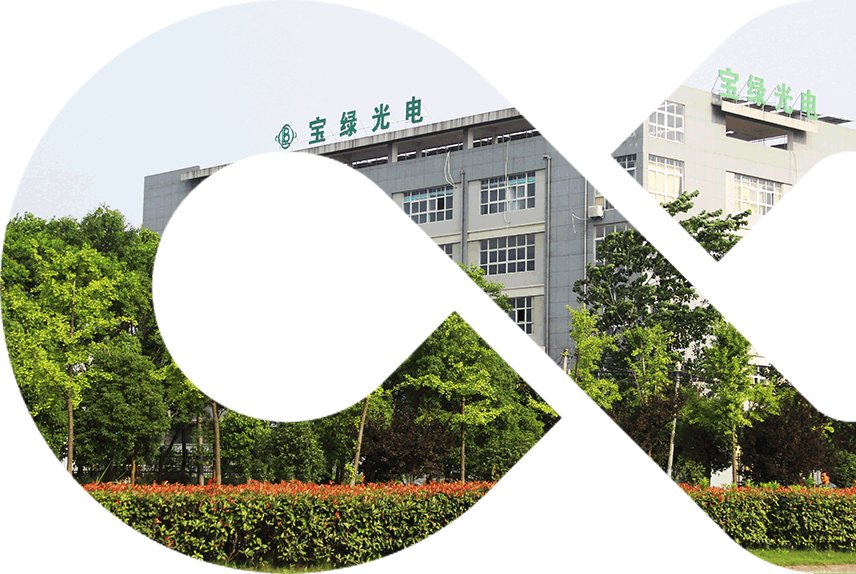
Anhui Baolv ABG Factory Office and Production Facility

Technological Evolution in Emergency Water Purification Systems

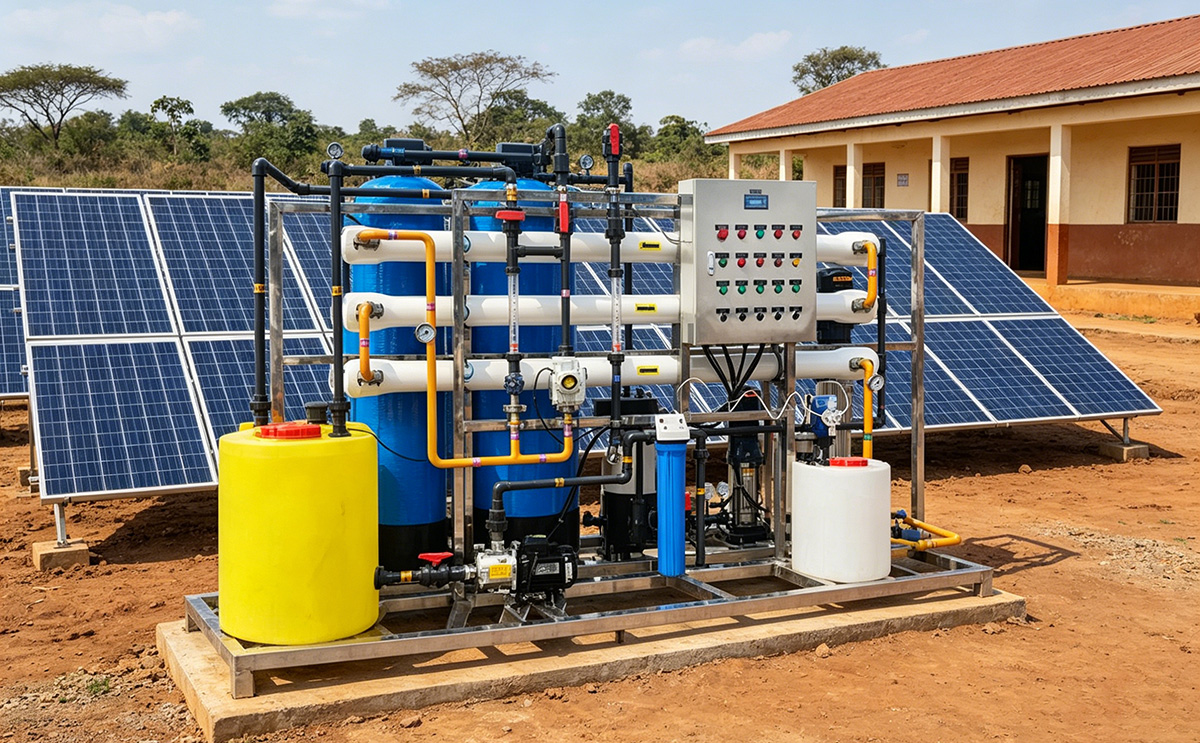
Modern emergency water treatment devices have evolved far beyond simple sand filters and chlorine tablets. Today's industrial units represent the pinnacle of fluid dynamics, material science, and renewable energy integration. By utilizing multi-stage filtration processes, these systems can transform highly contaminated surface water, brackish wells, or seawater into high-purity drinking water that exceeds World Health Organization (WHO) standards.

Key Technological Pillars of Modern Relief Devices:

  • Solar-Driven Desalination & Pumping: Incorporating high-efficiency solar pumps and variable-frequency drives (VFD) directly connected to solar arrays. This eliminates the need for heavy batteries or fossil-fuel generators, reducing both operating costs and carbon footprint to zero.
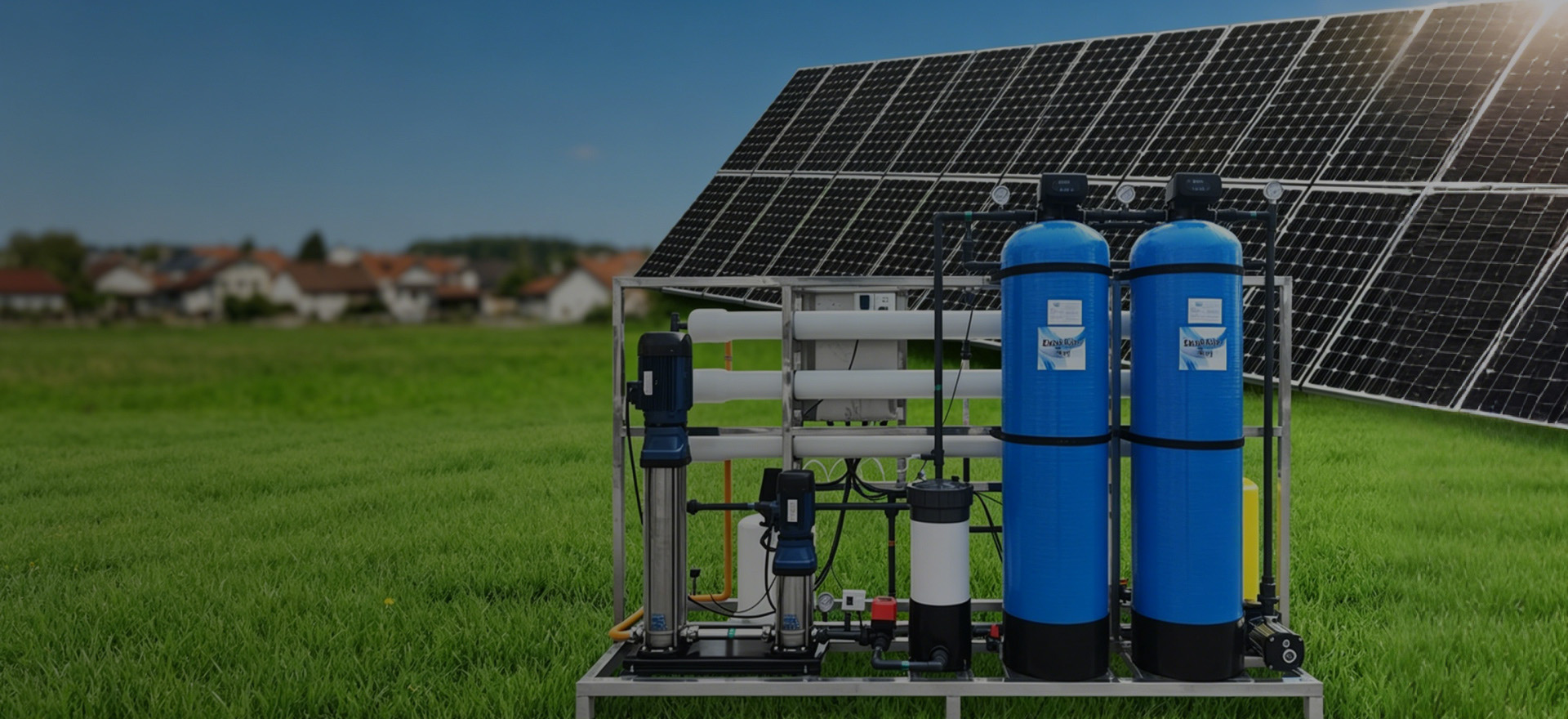
  • Multi-Barrier Reverse Osmosis (RO): Utilizing low-energy RO membranes capable of filtering out dissolved solids, heavy metals, microplastics, viruses, bacteria, and chemical contaminants.
  • Intelligent Automated Backwashing: Systems automatically detect pressure differentials across filter media and initiate self-cleaning cycles, significantly extending membrane life and reducing manual maintenance in harsh environments.
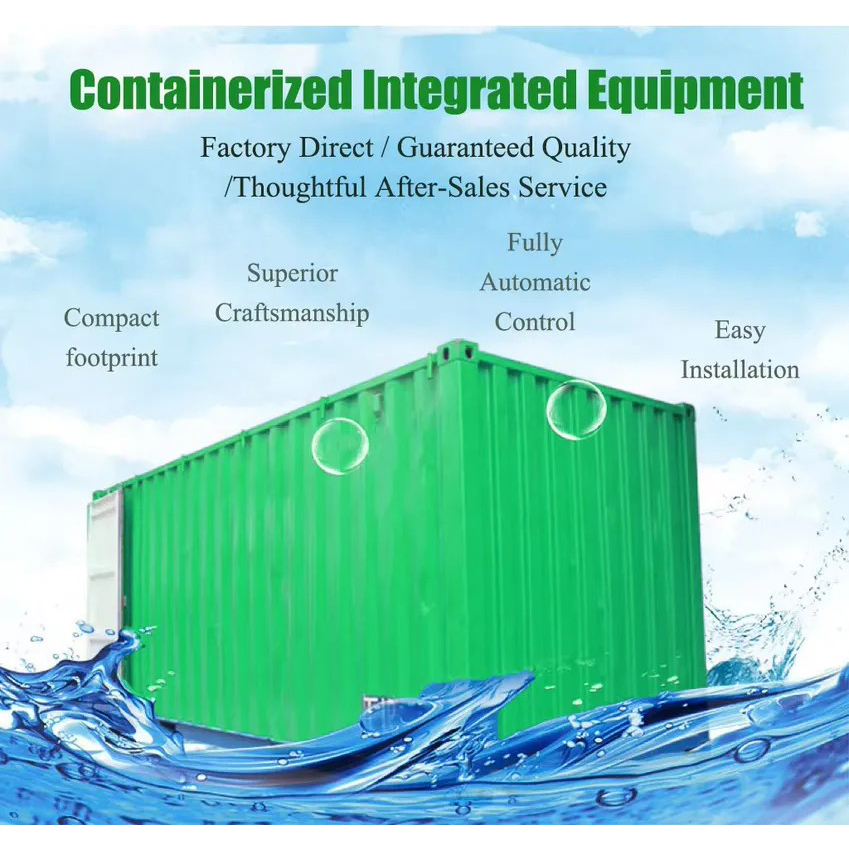
  • Modular Containerized Architecture: Housing complete water treatment plants inside standard 20ft or 40ft shipping containers. This allows for rapid transport via cargo planes, flatbed trucks, or ships directly to the disaster epicenter.

"The shift toward modular, containerized systems has reduced deployment times from weeks to hours, enabling emergency responders to establish high-capacity water distribution points immediately upon arrival."

Furthermore, the integration of smart energy management algorithms ensures that the water treatment device dynamically adjusts its operating capacity based on real-time solar irradiance. During peak sunlight hours, the system maximizes clean water output, storing excess water in bladder tanks for distribution during overcast periods or nighttime, bypassing the need for complex, heavy battery packs.

OUR CORE STRENGTHS

Baode's one-stop energy-saving solutions cut costs, boost efficiency and turn energy-intensive enterprises into energy-saving benchmarks, winning wide acclaim.

Solar-Driven icon

Solar-Driven

Fully solar-powered for complete, off-grid energy independence in isolated or devastated areas.

Modular Design icon

Modular & Design

Flexible, building-block engineering adapts seamlessly to diverse water sources and capacities.

Rugged design icon

Rugged & Low-Maintenance

Engineered for extreme climates and unmanned fields with minimal operational oversight required.

Cost-free icon

Cost-Free

One-time capital investment enables decades of zero-carbon, zero-fuel, and zero-grid operation.

Deep-Dive Application Scenarios: Deploying Emergency Water Systems

Understanding the specific environments where emergency water purification systems operate is essential for optimizing system design and deployment speed. Different disaster types present unique raw water challenges, requiring adaptable and robust filtration technologies.

1. Post-Flood Silt and Pathogen Remediation

Flooding is the most common natural disaster globally, resulting in surface water reservoirs heavily contaminated with suspended solids, silt, sewage runoff, agricultural pesticides, and pathogens. In this scenario, standard filtration systems quickly clog. A specialized disaster relief water treatment device must utilize high-capacity coagulation-flocculation pre-treatment followed by Ultrafiltration (UF) and UV disinfection. This specific multi-stage configuration removes turbid clay particles and microbiological threats without rapidly fouling primary membranes, ensuring a continuous supply of drinking water under highly turbid conditions.

2. Seismic Damage to Urban Distribution Grids

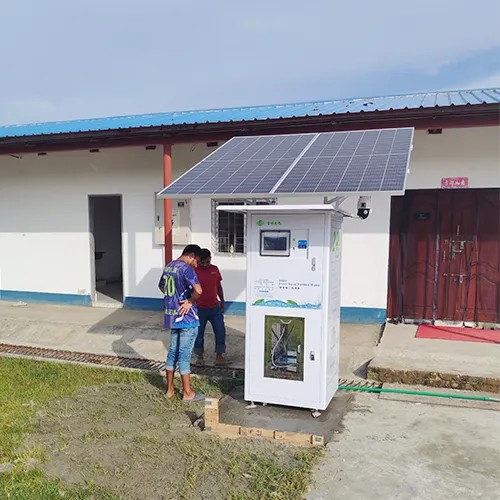
Earthquakes rupture underground water lines, introducing soil, rust, and fecal coliforms into the municipal tap water system. When power grids collapse simultaneously, high-pressure booster stations stop working. Compact, mobile solar-powered RO water purifiers can be deployed at community gathering points (such as schools, parks, or emergency camps) to tap into contaminated municipal lines or local groundwater wells, providing localized purification without relying on municipal grid pressure or grid power.

3. Island and Coastal Hurricane Recovery

Storm surges and hurricanes frequently inundate freshwater aquifers with seawater, leaving coastal communities with brackish or fully saline water sources. In these situations, conventional filtration systems are ineffective at removing salt. Containerized solar-powered desalination plants are the ideal solution. These units utilize high-pressure RO membranes to separate salt ions from seawater, generating thousands of liters of fresh, potable water daily using solar energy harvested on-site.

4. Remote Humanitarian and Refugee Outposts

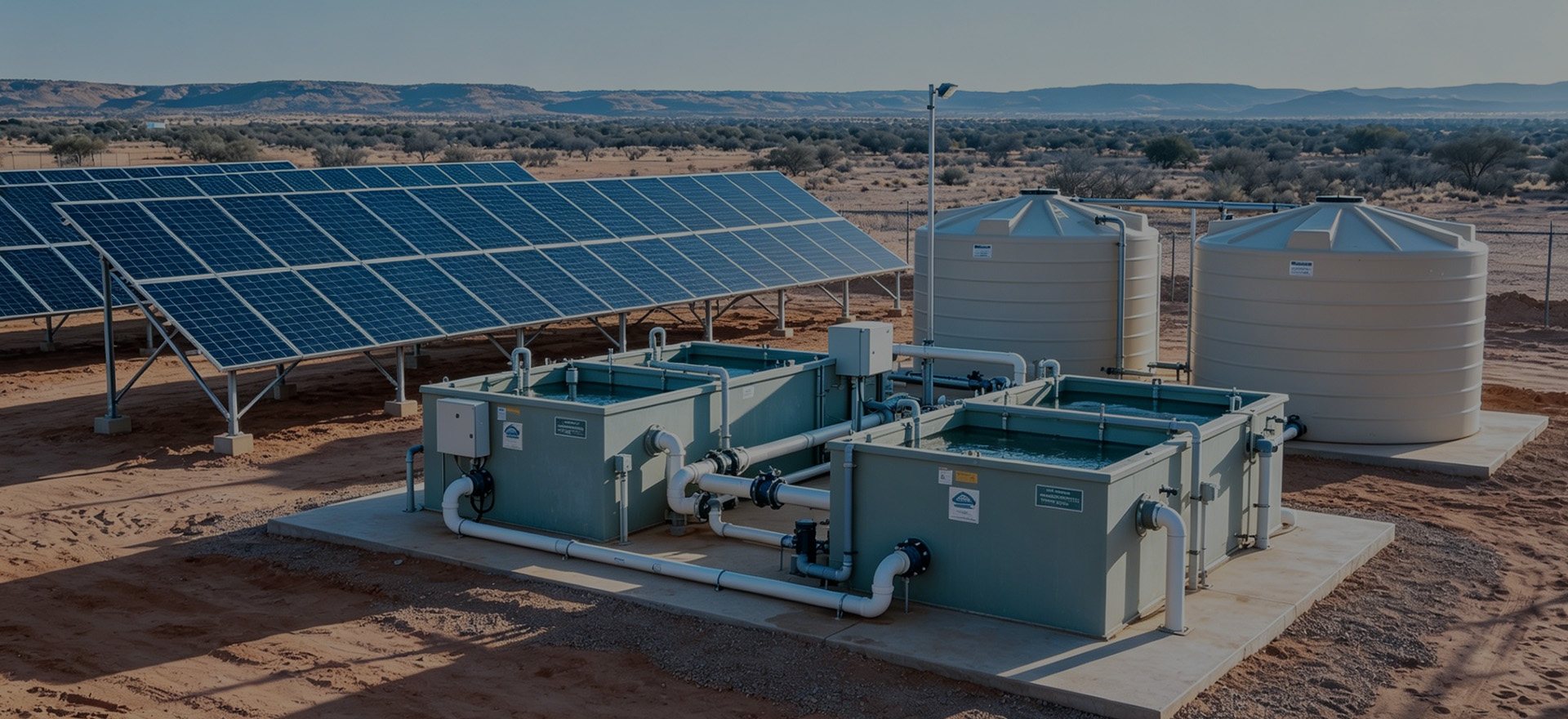
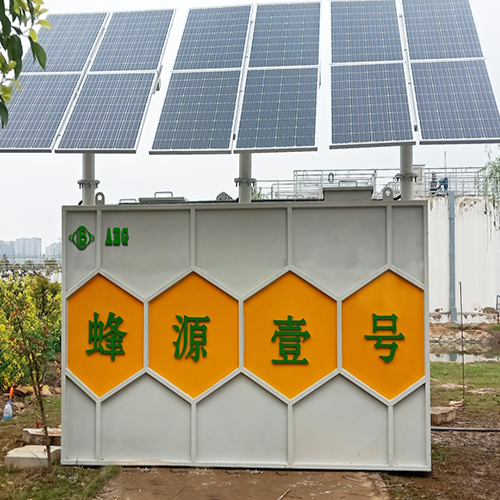
In geopolitical crises and prolonged droughts, refugee camps are often established in remote, off-grid locations far from municipal infrastructure. Establishing water pipelines can take months or years. Deploying solar-powered underground sewage treatment plants alongside drinking water purification units creates a sustainable, closed-loop water cycle. This setup provides clean drinking water, treats domestic wastewater, and supplies recycled water for agricultural irrigation, sustaining communities indefinitely and cost-effectively.

Industry Solutions

Tailored solar-powered water and energy systems that empower resilience and sustainable growth from remote areas to emergency scenarios.

Off-Grid Water Ecosystem

Off-Grid Water Ecosystem

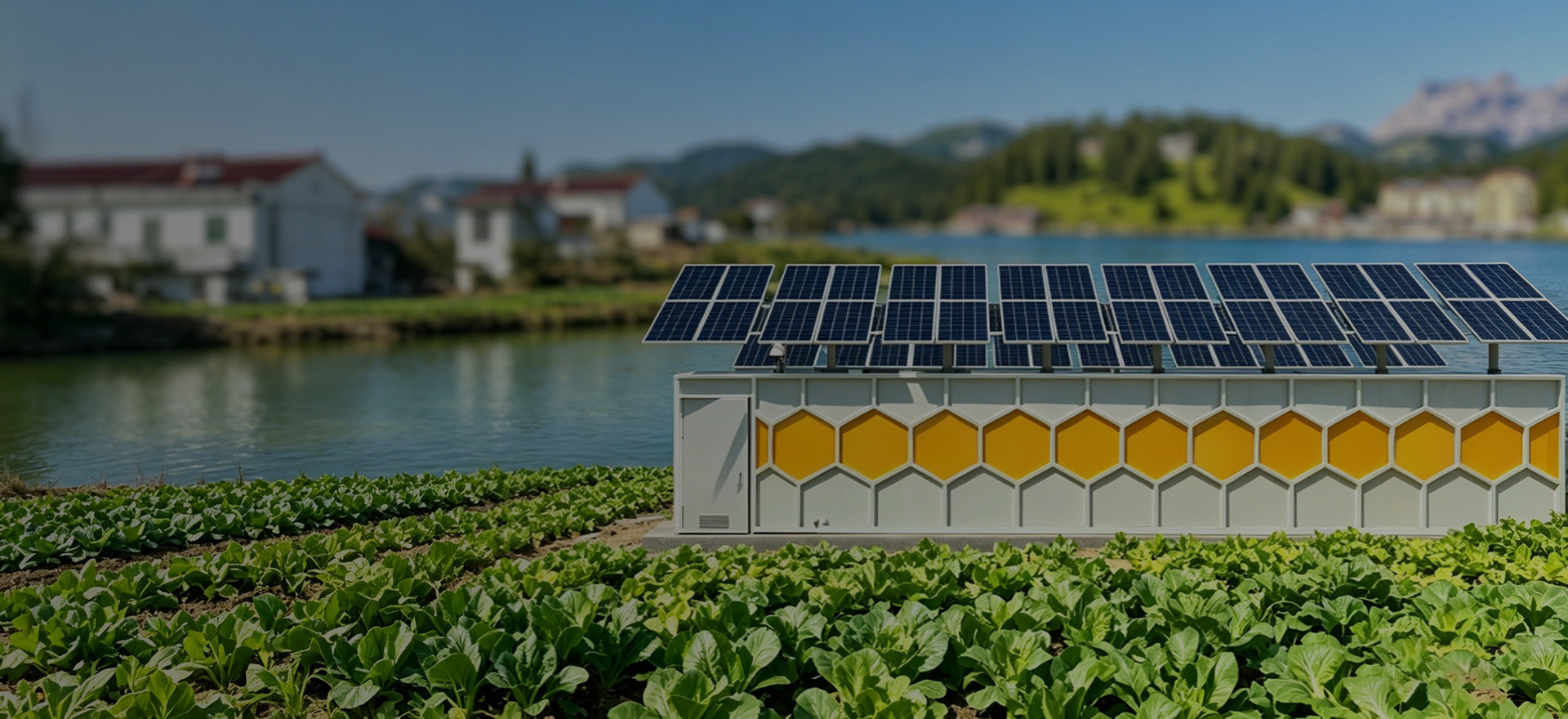
A complete, solar-powered water cycle for remote communities. It provides a cost-free, eco-friendly loop that solves drinking water, sanitation, and irrigation needs sustainably.

Explore More
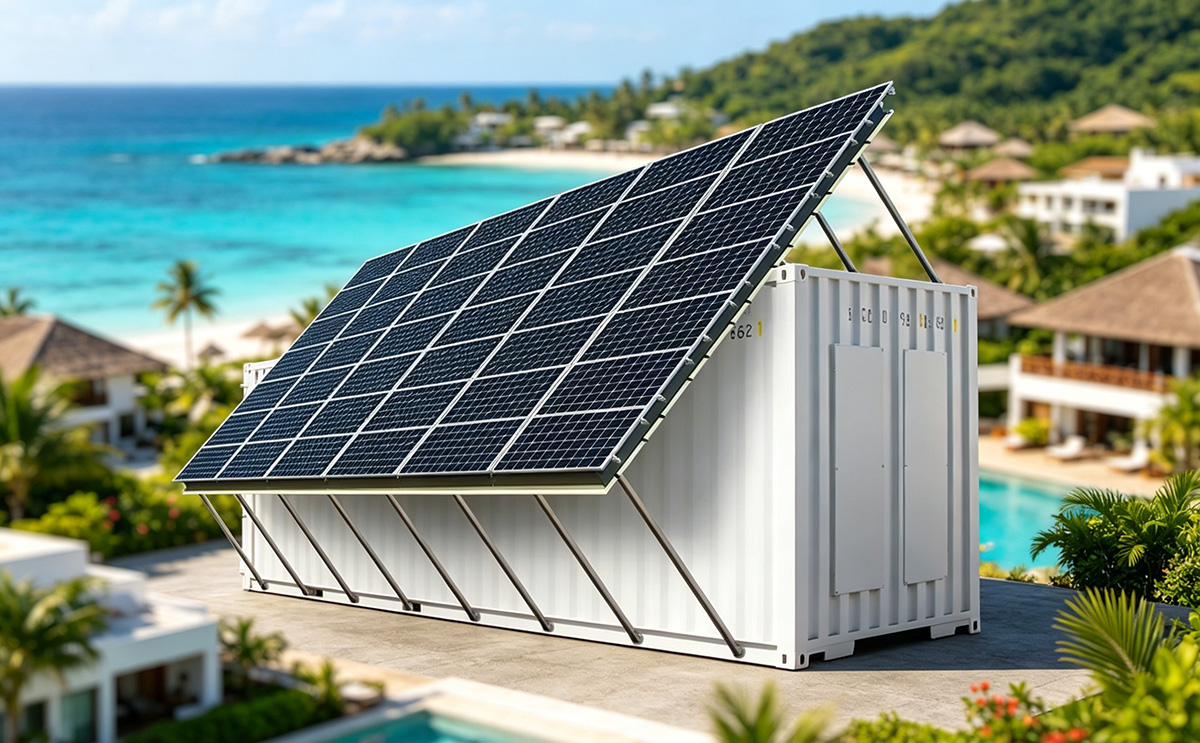
Zero-Carbon Tourism

Zero-Carbon Tourism

100% solar-powered water infrastructure for eco-resorts. It enables off-grid operation for water and sewage, enhancing sustainability and the guest experience in pristine settings.

Explore More
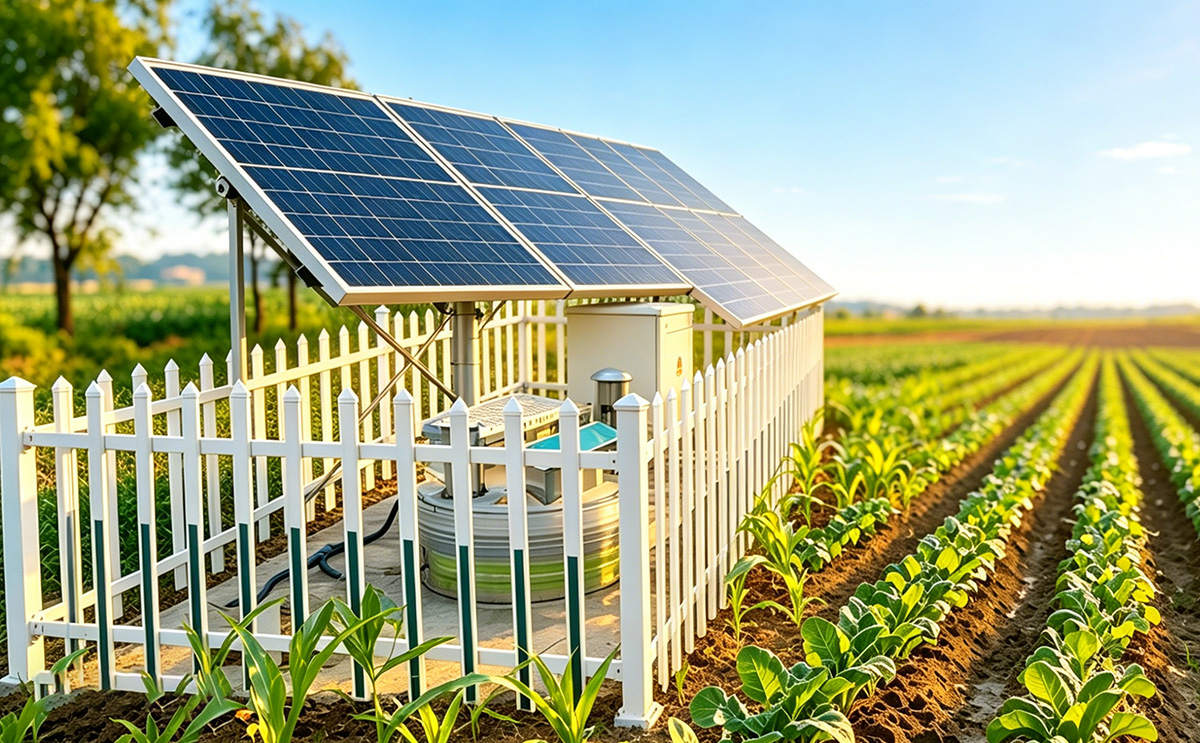
Green Irrigation

Green Irrigation

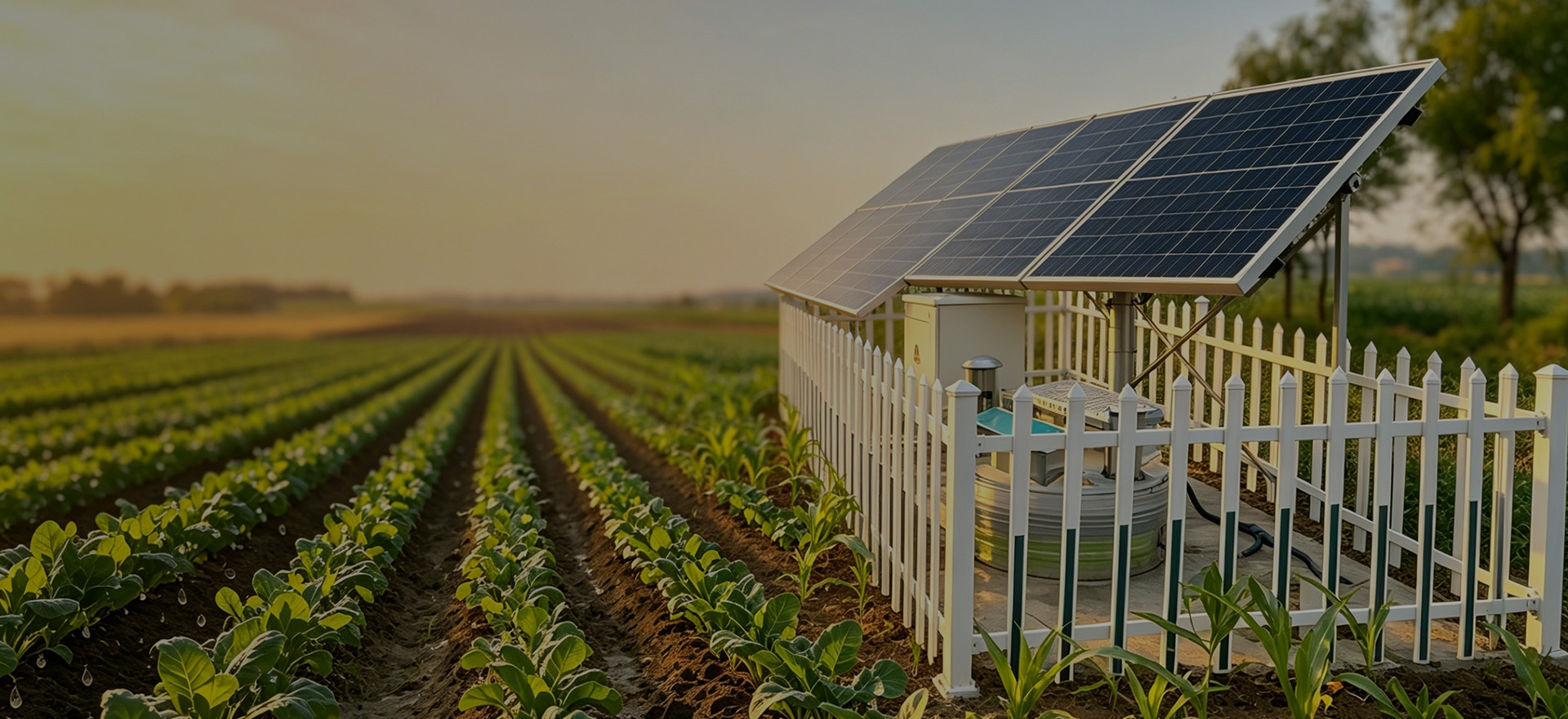
Solar-powered pumps replace diesel/grid power for remote farms. They enable automated, precise irrigation, reducing costs and enabling smarter agriculture off-grid.

Explore More
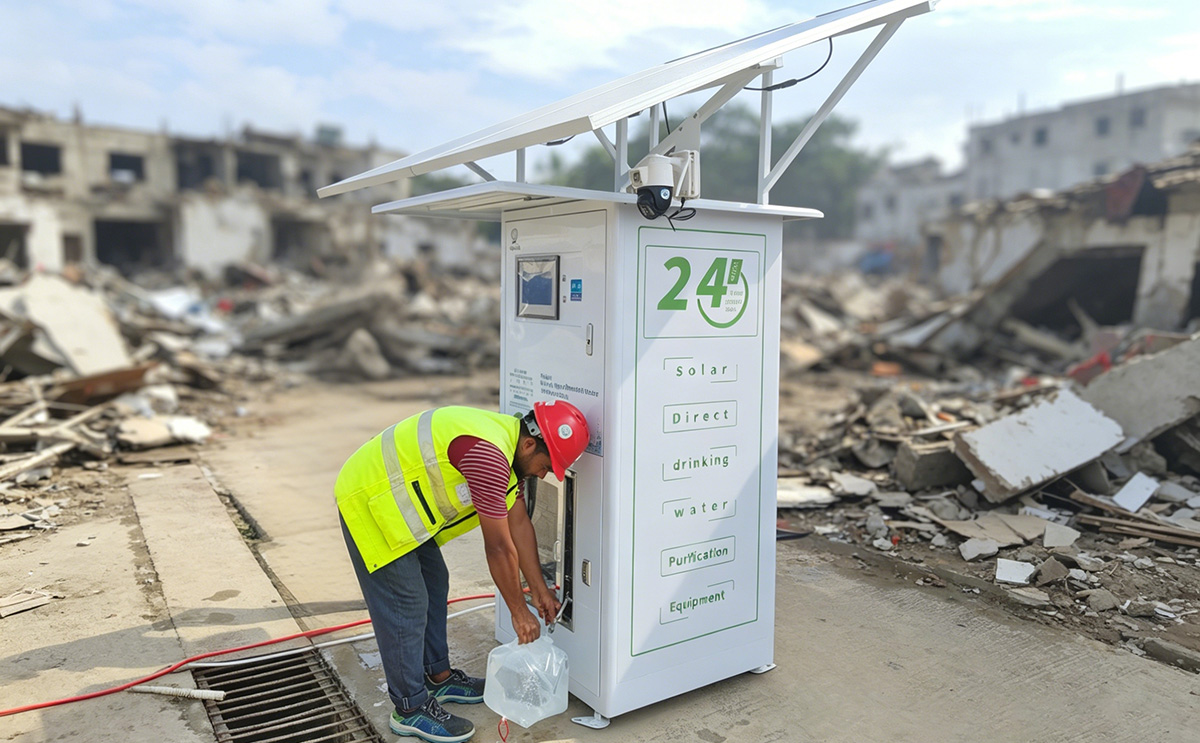
Emergency Water Unit

Emergency Water Unit

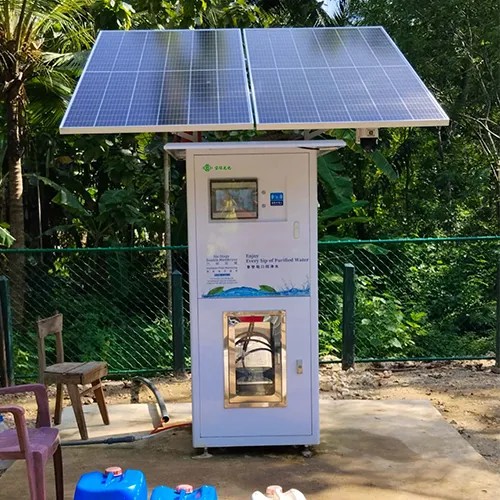
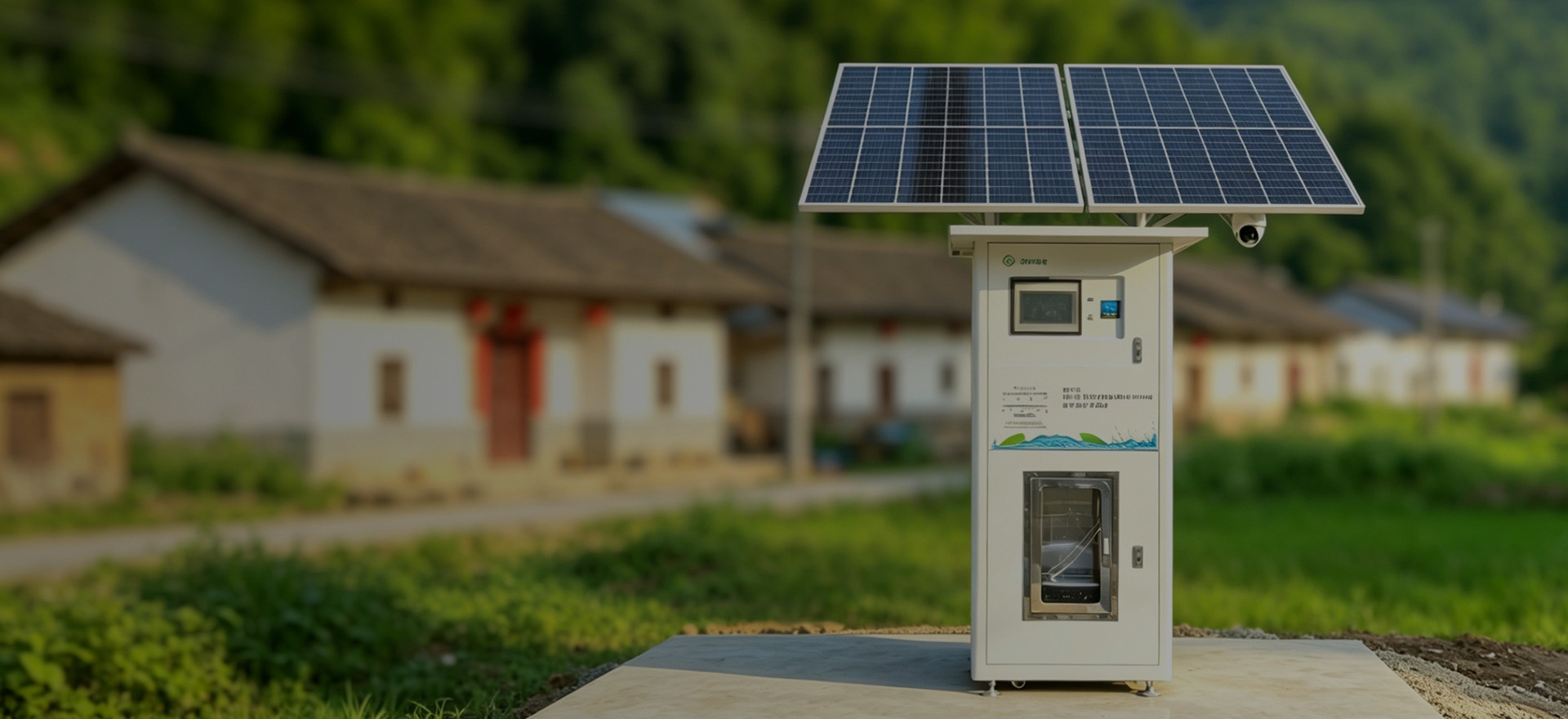
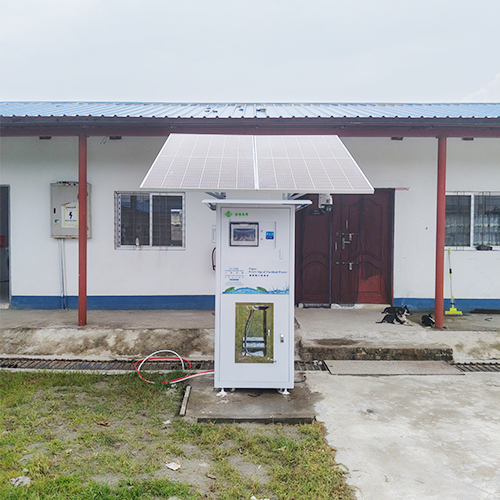
Rapid-deployment, solar-powered units for disaster zones. They independently produce safe drinking water and treat sewage where infrastructure is damaged.

Explore More
Public Facility Solutions

Public Facility Solutions

Reliable, solar-powered water and sewage systems for remote public facilities. They ensure uninterrupted basic services with minimal maintenance.

Explore More

Five Customized Off-Grid Solutions

At Baolv Optoelectronics, we provide tailored solar-powered water and energy systems that empower resilience and sustainable growth from remote areas to emergency scenarios.

Go to Project Applications
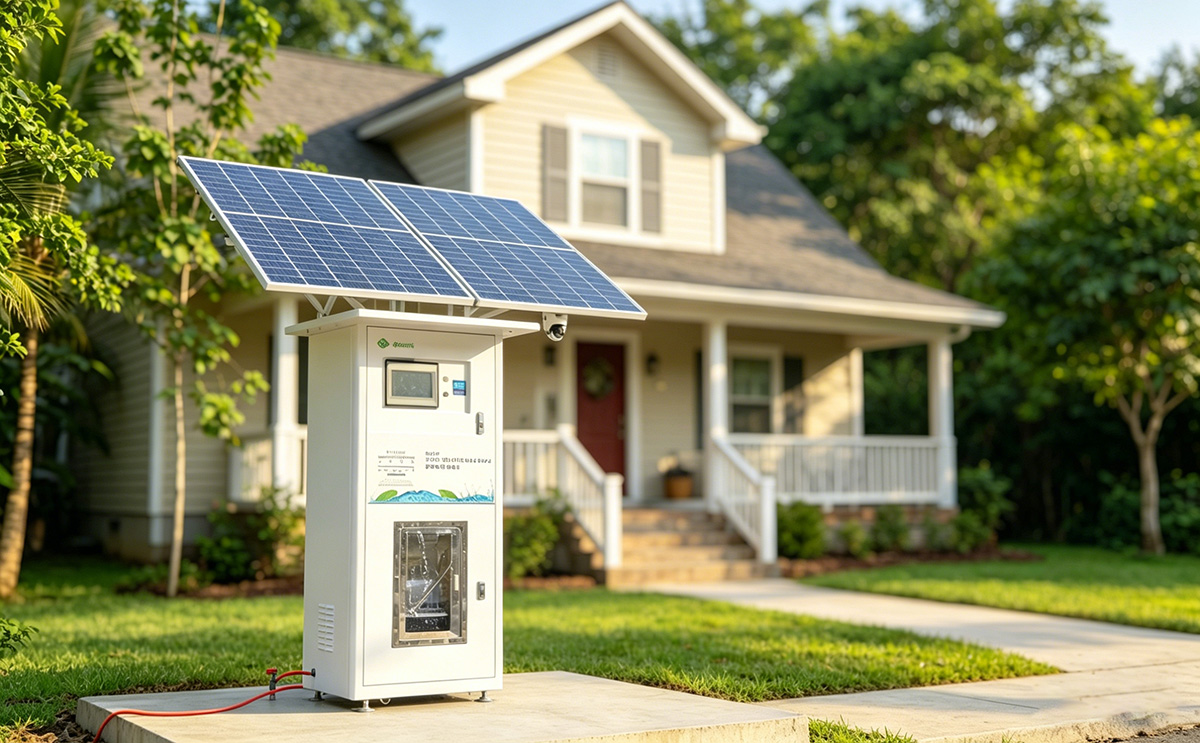
Off-Grid Homes Application
Off-Grid Homes
Eco-Tourism Application
Eco-Tourism
Distributed Agriculture Application
Distributed Agriculture
Emergency Response Application
Emergency Response
Remote Facilities Application
Remote Facilities
55+
Export Countries Worldwide

Our customers are spread all over the world, and now our products have been sold to over 80 countries worldwide. We are also committed to providing high-quality packaging for the world's top companies.

Global Shipping and Logistics Network

Our Comprehensive Product Portfolio

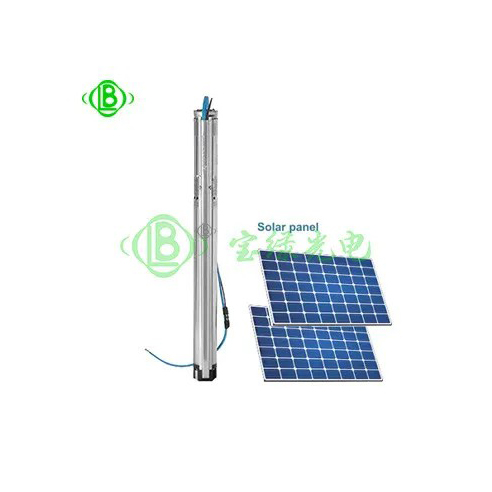
Explore our complete range of solar-powered water purification systems, submersible pumps, and containerized desalination plants optimized for remote and emergency operations.