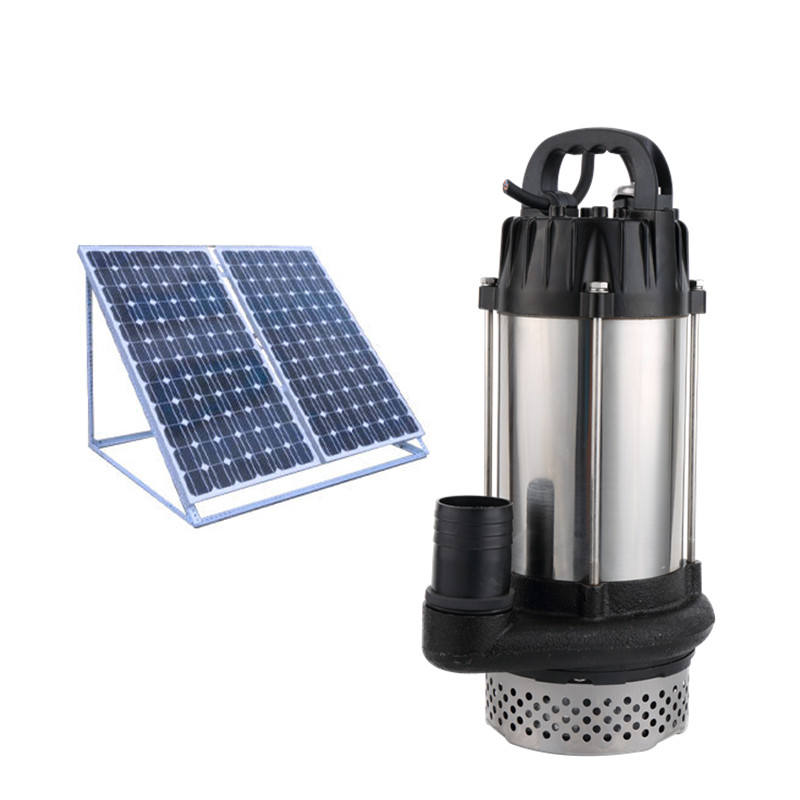
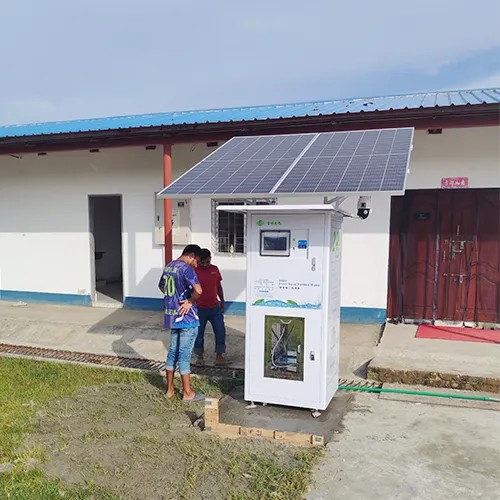
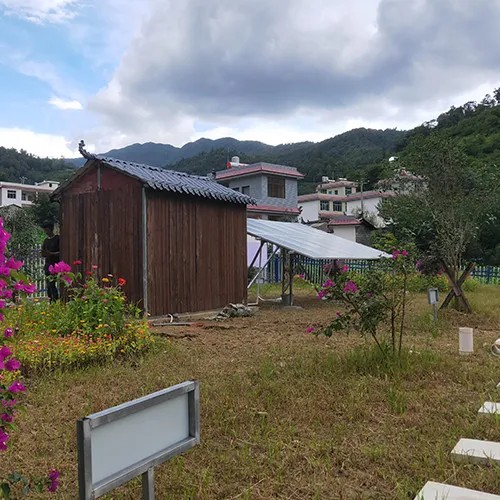
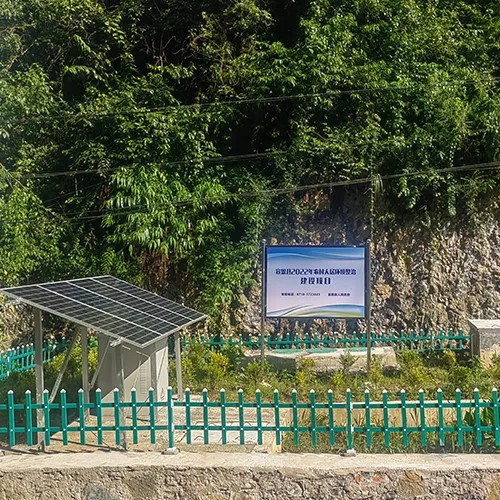
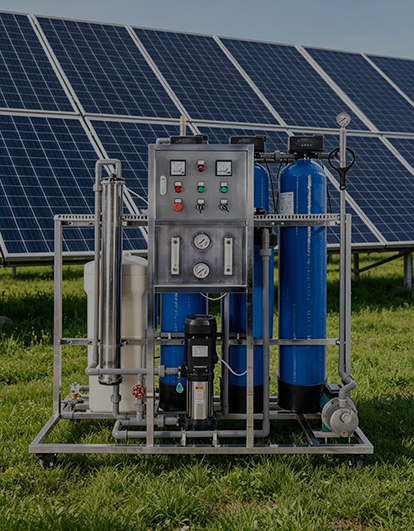
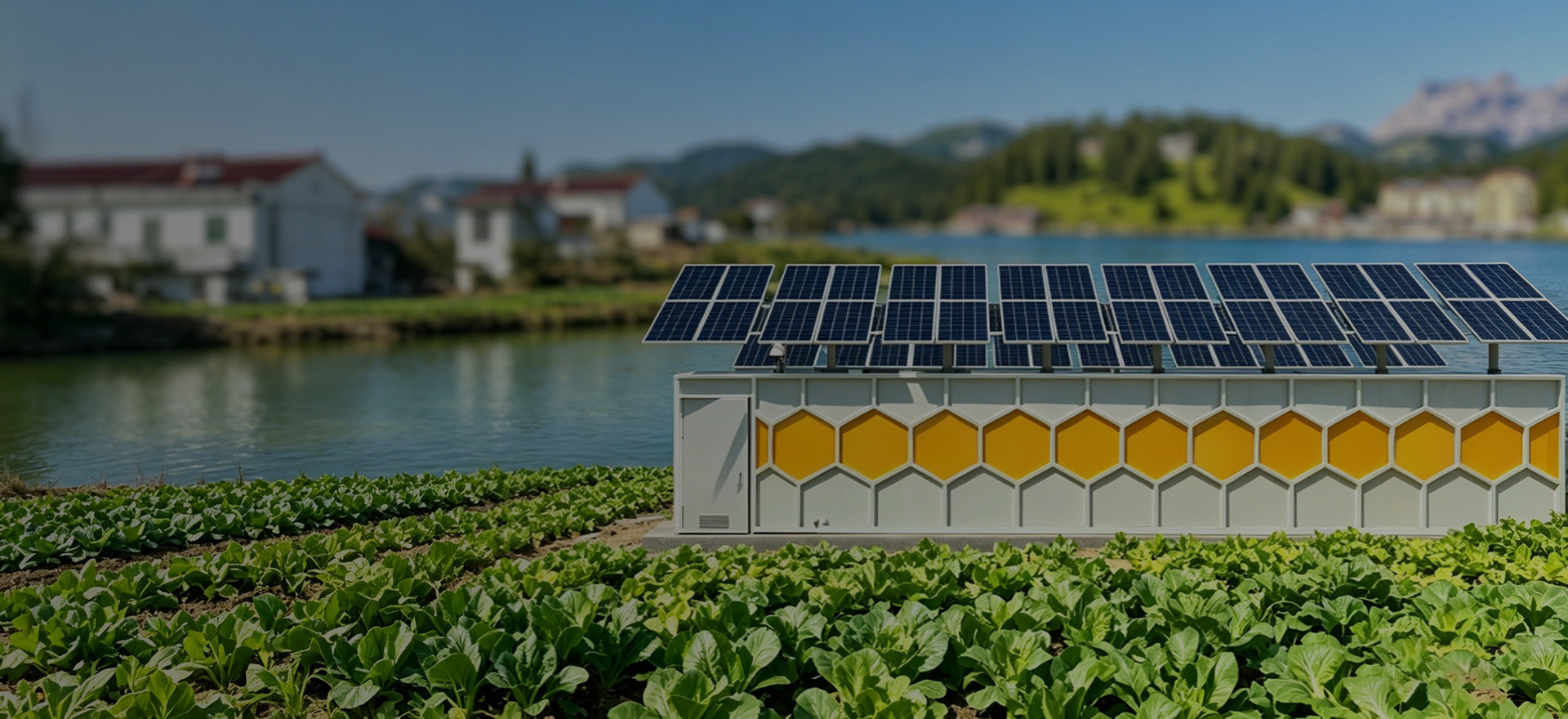
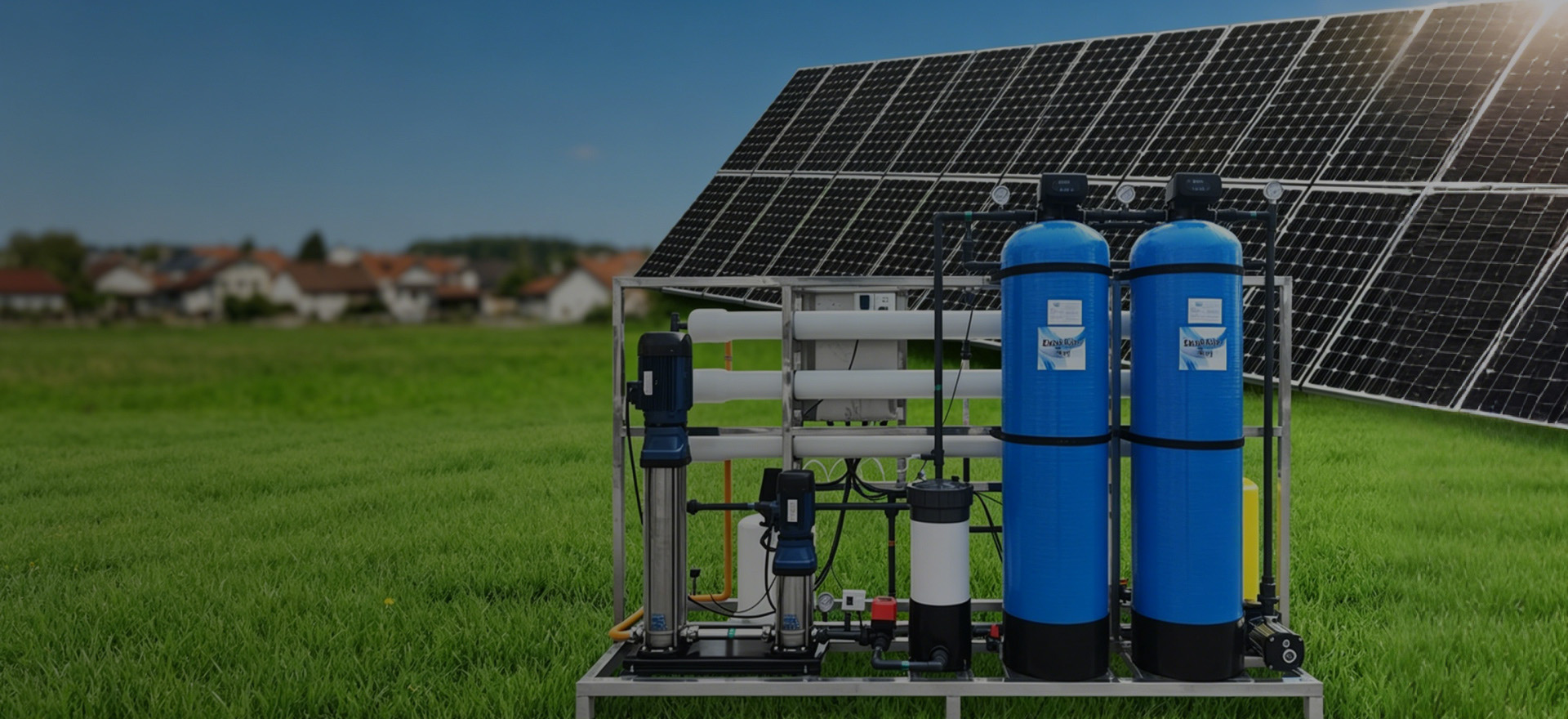
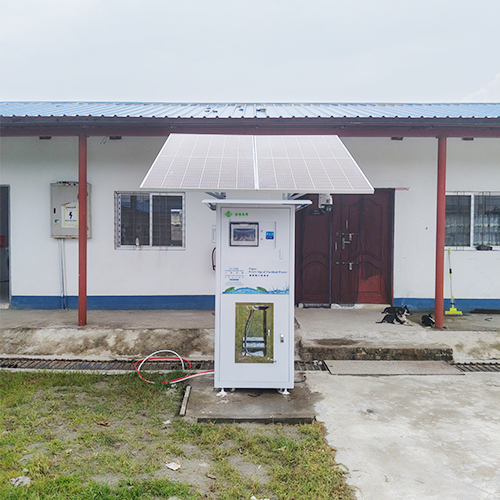
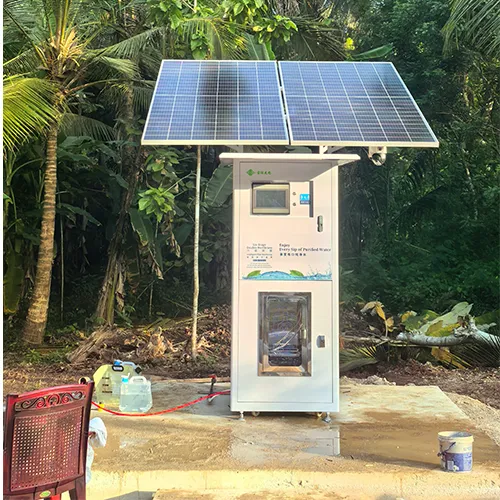
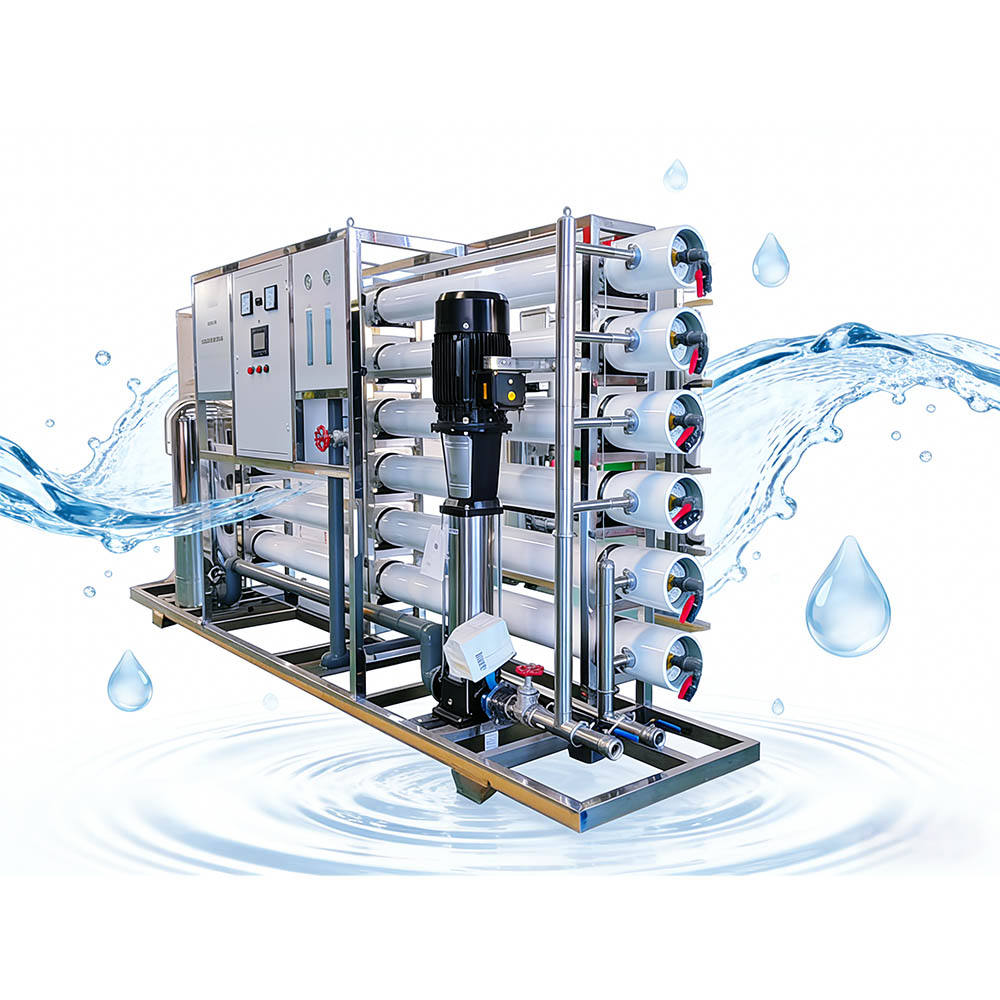
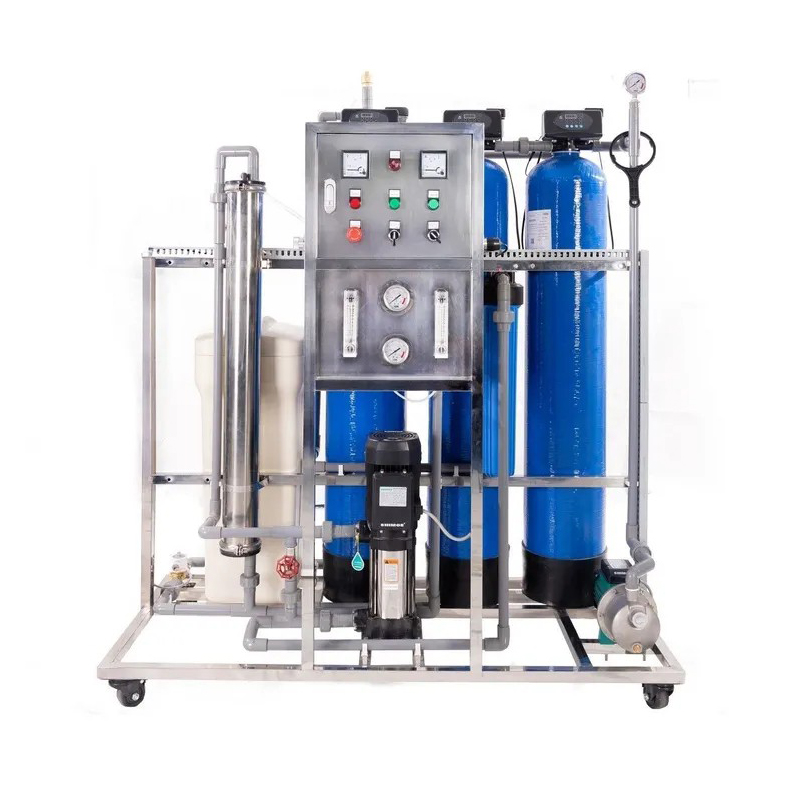
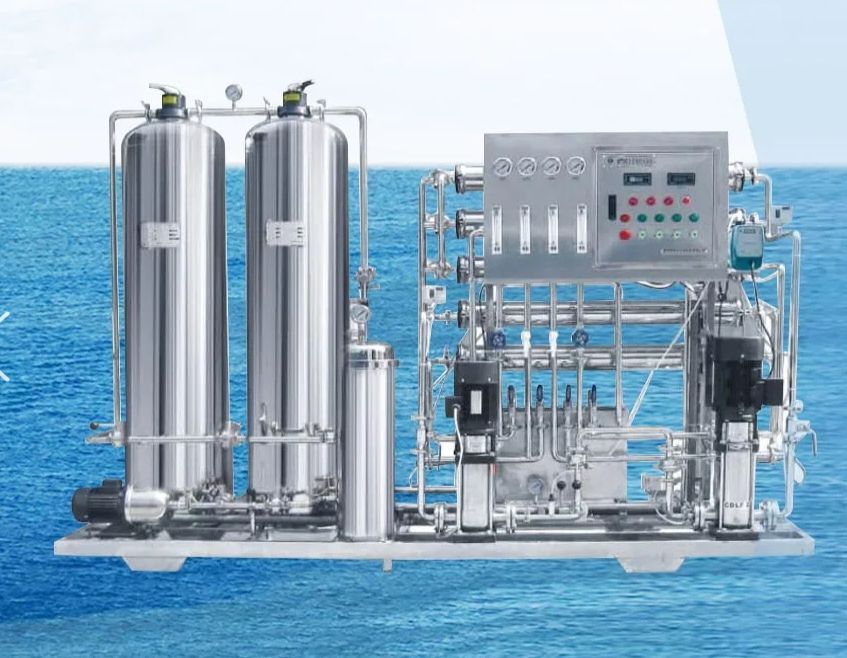
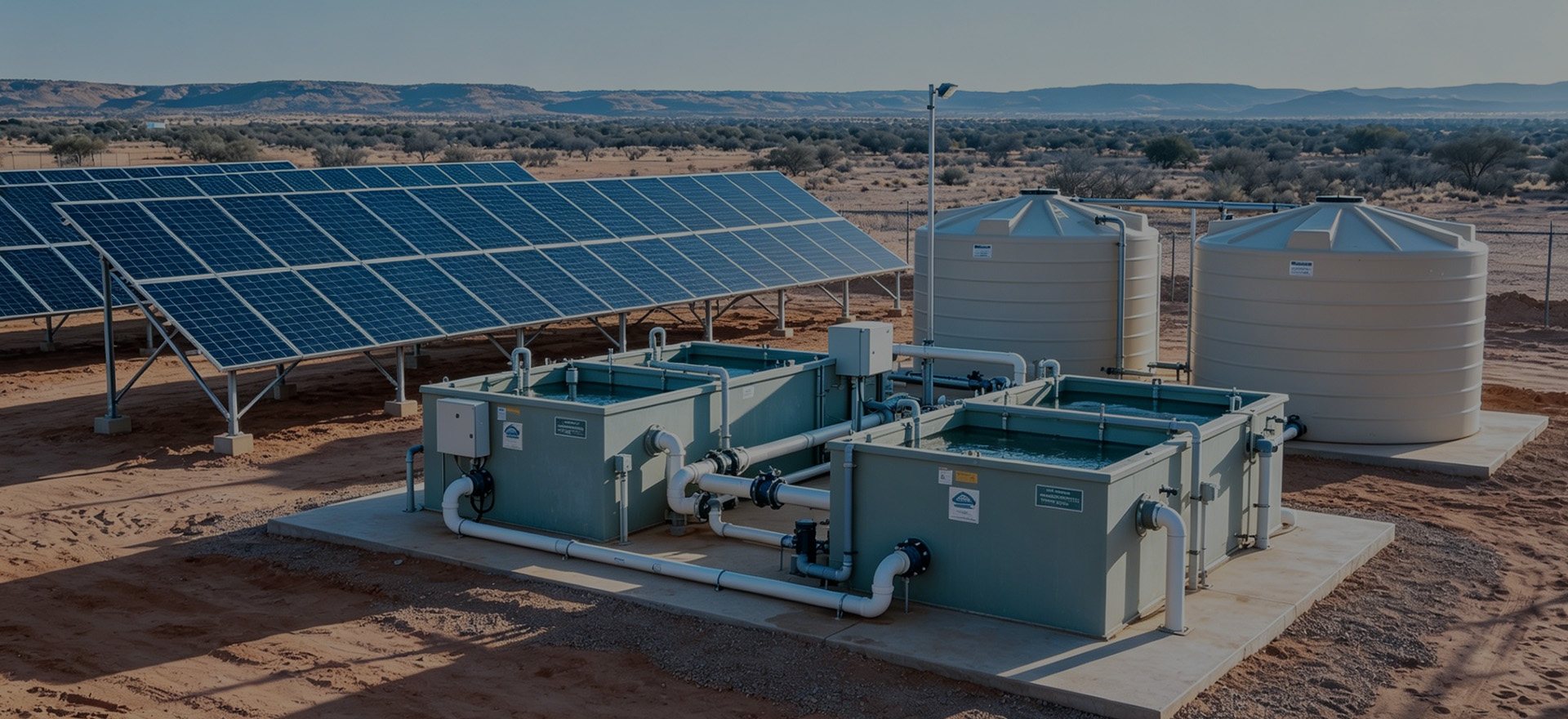
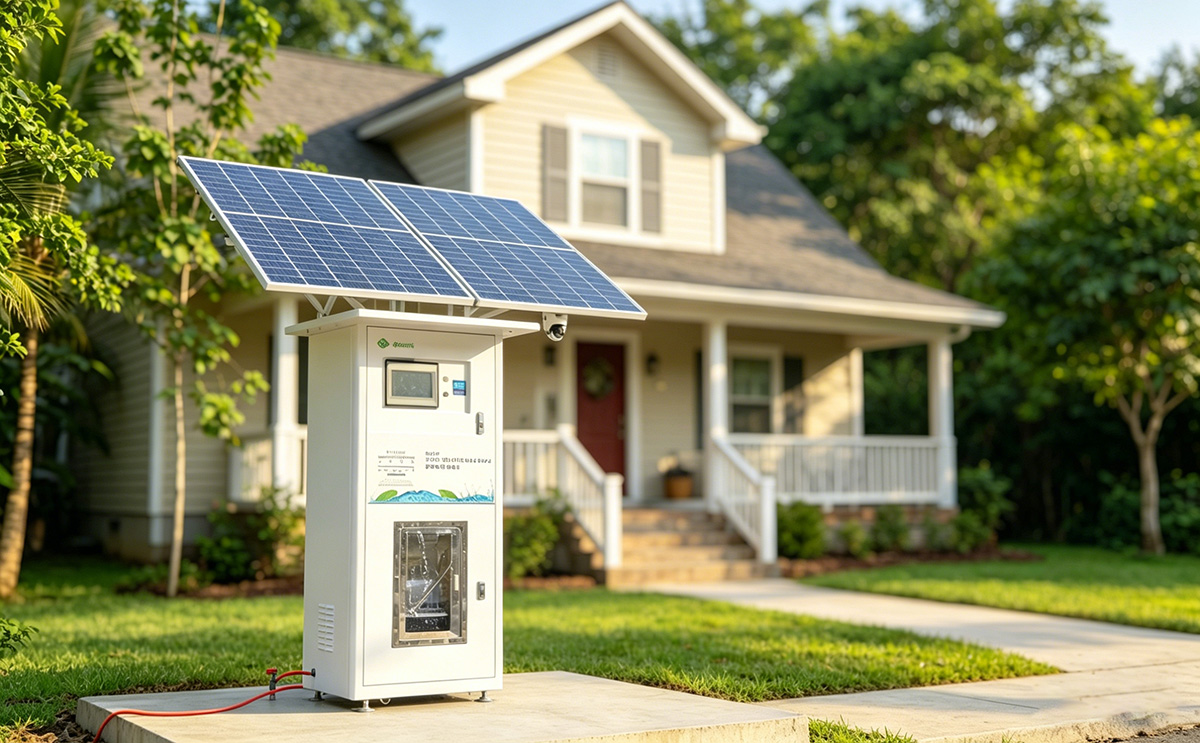
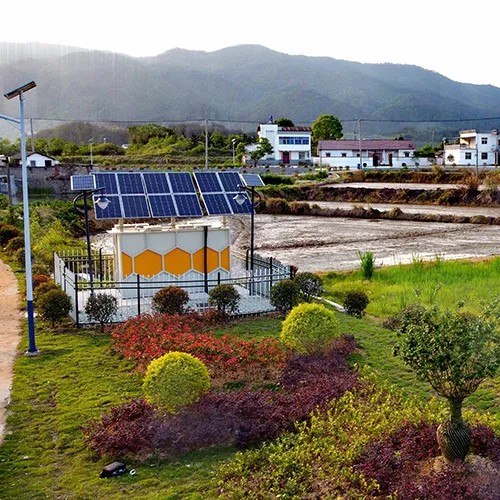
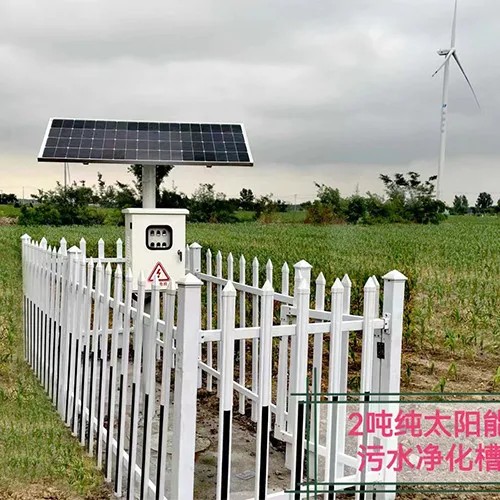
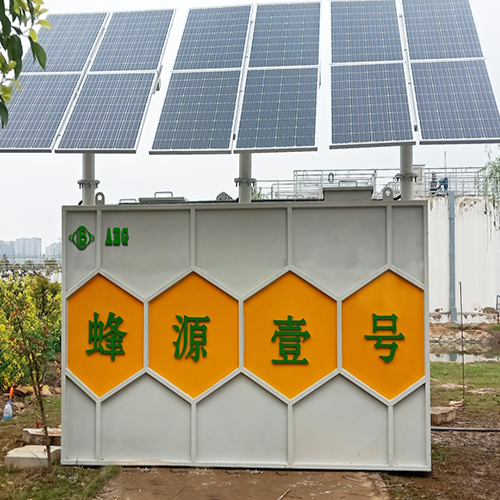
Our best-selling off-grid water treatment devices โ engineered for reliability, sustainability and ease of deployment in any remote environment.
An off-grid water treatment device is a self-contained system capable of collecting, purifying, and distributing safe drinking water without any connection to municipal infrastructure or the electrical grid. These systems harness renewable energy โ primarily solar power โ to drive filtration, reverse osmosis, UV sterilization, and biological treatment processes.
As global populations push further into remote territories โ whether by choice, necessity or opportunity โ the demand for reliable water treatment technology has surged. From rural homesteads in Sub-Saharan Africa to eco-lodges in the Himalayas and emergency relief camps, off-grid water treatment devices are becoming the backbone of sustainable living and operation.
๐ก Key Insight: Over 2.2 billion people worldwide still lack access to safe, managed drinking water. Solar-powered off-grid water treatment devices represent the fastest-growing segment in the global water technology market, projected to reach $45 billion by 2030.
Unlike conventional treatment plants, off-grid systems are designed for rapid deployment, minimal operator skill requirements, low maintenance, and long operational lifespans. The integration of solar energy not only eliminates running costs but also enables operation in locations where diesel or grid power is unavailable, unreliable, or prohibitively expensive.
The convergence of climate change, population growth, and infrastructure gaps has created an urgent need for decentralized water solutions. Communities in remote islands, mountain villages, drought-prone regions, and disaster zones cannot wait for centralized grid expansion. The answer lies in modular, solar-driven water treatment technology that can be deployed within days.
Millions of households and villages across Asia, Africa and Latin America depend on contaminated surface water. Off-grid solar purification delivers WHO-compliant drinking water with no grid access required.
Solar-powered systems eliminate fuel and electricity bills entirely. After the initial investment, communities benefit from decades of essentially cost-free, clean water production.
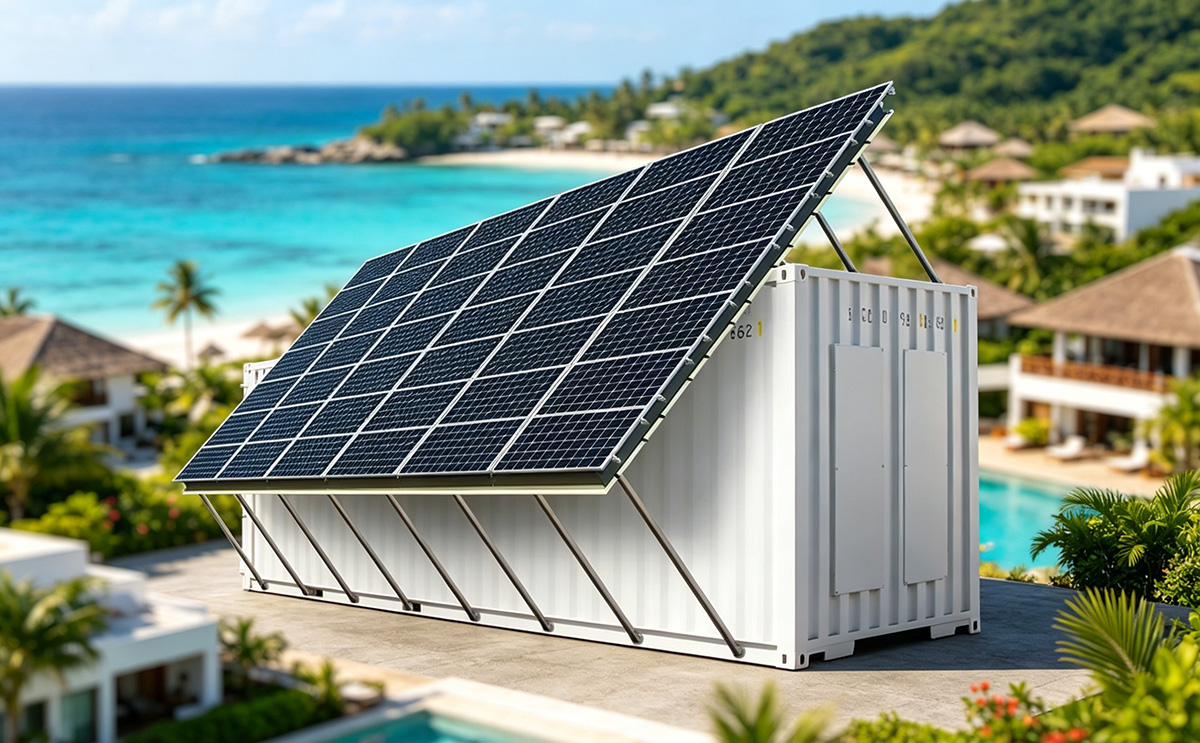
Containerized and modular designs can be shipped globally and commissioned on-site in as little as 24โ72 hours โ critical for disaster response and humanitarian missions.
Next-generation systems feature intelligent monitoring via mobile apps and cloud platforms, enabling remote diagnostics, real-time water quality alerts and predictive maintenance from anywhere on the planet.

The off-grid water treatment market is being reshaped by technology, policy and global sustainability goals. Here are the key forces accelerating adoption worldwide.
The falling cost of photovoltaic panels and lithium-ion batteries has made 24/7 solar-powered water treatment economically viable. Hybrid systems now store excess daytime energy to maintain treatment capacity through nights and overcast periods, dramatically improving reliability in off-grid contexts.
Machine learning algorithms are being integrated into water treatment controllers to automatically adjust dosing, filtration pressure and membrane flux based on real-time input water quality data. This reduces chemical waste, extends membrane life, and ensures consistent output quality without manual intervention.
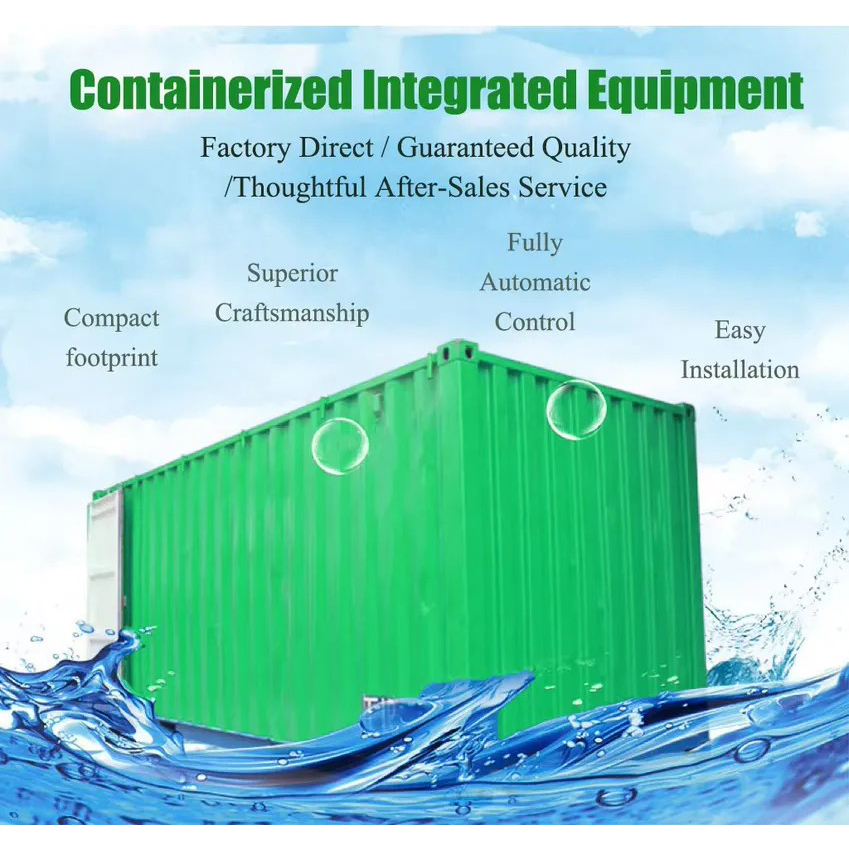
Containerized water treatment plants โ typically built into 20ft or 40ft ISO shipping containers โ are revolutionizing deployment logistics. They arrive ready-to-run and can be expanded by simply adding modules, making them ideal for phased infrastructure development in growing communities and industrial sites.
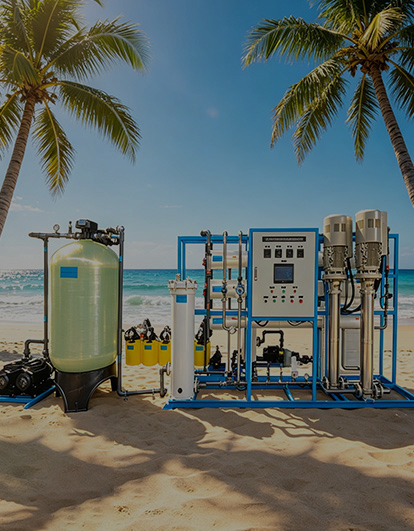
Coastal and island communities are increasingly adopting small-scale solar-powered reverse osmosis desalination units. Unlike centralized mega-plants, these decentralized systems are resilient, scalable, and do not require large capital investments or complex transmission networks.
Modern off-grid systems are moving beyond drinking water purification to full water cycle management โ treating sewage and greywater using MBR (Membrane Bioreactor) technology, recovering treated effluent for irrigation or toilet flushing, and achieving near-zero liquid discharge on remote sites.
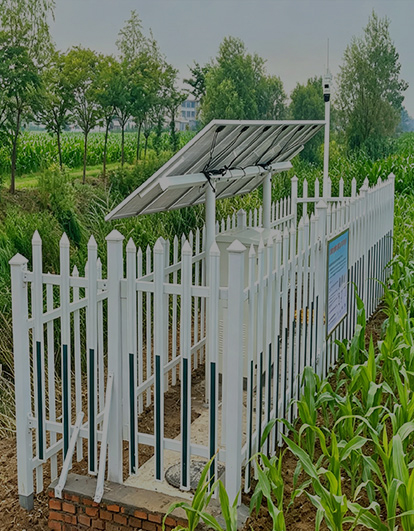
Cloud-connected water systems are enabling operators to oversee dozens of geographically dispersed treatment units from a single dashboard. Real-time flow rates, turbidity, pH, TDS and system health alerts are transmitted via GSM or satellite, allowing proactive maintenance before failures occur.

Anhui Baolv(ABG) Photoelectric Environmental Protection Equipment Co., Ltd. is a high-tech enterprise wholly owned by Anhui Baolv Photoelectric Engineering Co., Ltd., focusing on R&D and manufacturing of software and hardware for pure solar-powered water environmental protection equipment. We are committed to providing customers with efficient, environmentally friendly and sustainable solutions.
LEARN MOREBaolv's one-stop energy-saving solutions cut costs, boost efficiency and turn energy-intensive enterprises into energy-saving benchmarks, winning wide acclaim.
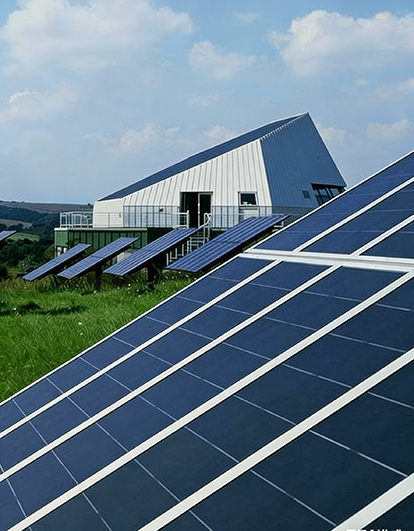
Fully solar-powered for complete, off-grid energy independence.
Flexible, building-block design adapts to diverse application scenarios.
Built for harsh, unmanned areas with minimal maintenance required.
One-time investment enables long-term, zero-carbon and zero-cost operation.
Beyond basic household use, off-grid solar water treatment technology is transforming entire industries. Explore the depth of real-world applications reshaping how the world accesses and manages water.

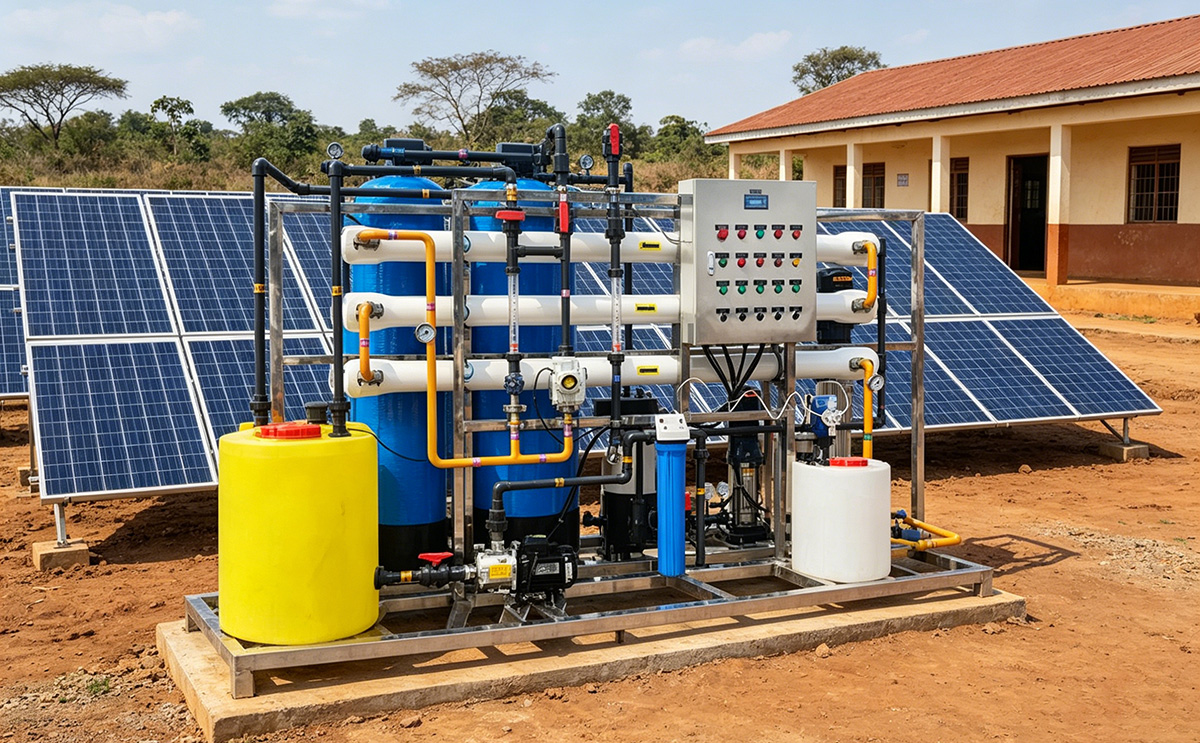
The most compelling application is the creation of a complete, solar-powered water cycle for villages and remote settlements. A single integrated system can simultaneously handle drinking water purification from rivers, lakes or groundwater; domestic sewage treatment via MBR technology; and treated effluent reuse for agricultural irrigation. This creates a closed-loop water ecosystem that requires no external inputs โ not grid power, not chemical deliveries, not regular technician visits.
These systems are particularly transformative in Southeast Asia, Sub-Saharan Africa and Pacific Island nations where communities have historically relied on unprotected wells or seasonal streams. A modular solar water system can serve 500โ5,000 people and operate continuously for 15โ20 years with only periodic filter replacements.
Explore This Solution โ
The global eco-tourism sector is under mounting pressure to demonstrate genuine environmental credentials. Off-grid solar water systems are becoming a standard specification for high-end wilderness lodges, island retreats and nature reserves. A complete system handles guest drinking water, laundry and kitchen water supply, plus full sewage treatment and effluent reuse for garden irrigation โ all from solar power.
For resort operators, the business case is compelling: eliminate water trucking costs, meet environmental compliance requirements, market genuine sustainability to eco-conscious guests, and reduce operational complexity in remote locations where infrastructure support is unreliable or expensive. Properties across the Maldives, Kenya, Patagonia and Borneo have already deployed these systems.
Explore This Solution โ
Solar-powered submersible pumps and drip irrigation systems are transforming smallholder and commercial farming in water-scarce regions. Rather than depending on expensive diesel generators or unreliable grid power, farmers can deploy solar pump systems that automatically activate at sunrise and modulate output based on soil moisture sensors and crop water demand algorithms.
The economic impact is substantial. A single solar pump system can replace diesel costs of $3,000โ$8,000 per year while delivering more reliable and precisely controlled irrigation. When combined with treated greywater or recycled wastewater from on-site treatment systems, the water efficiency gains become transformational for food security in semi-arid regions.
Explore This Solution โ
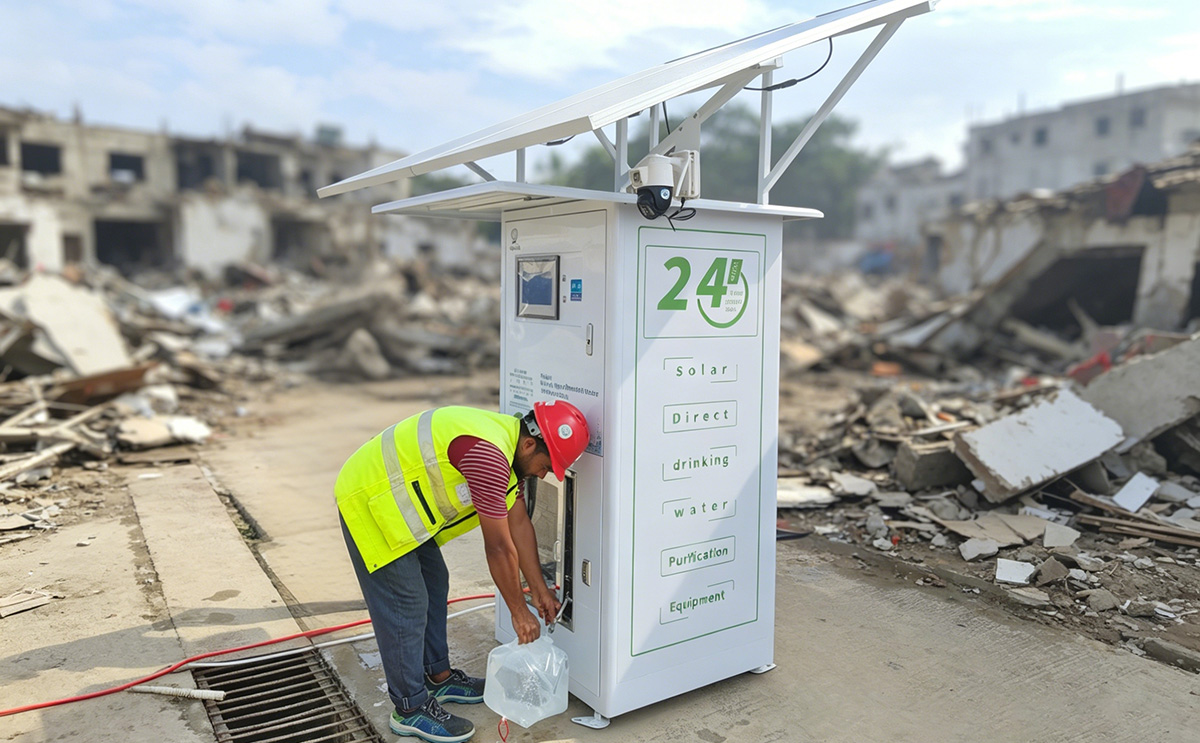
When earthquakes, floods, hurricanes or conflicts destroy water infrastructure, communities face life-threatening water insecurity within hours. Rapid-deployment containerized solar water treatment units can be airlifted, trucked or shipped to disaster zones and begin producing safe drinking water independently of any local infrastructure within hours of arrival.
These units are designed specifically for autonomous operation โ no local expertise is required for daily operation, solar panels recharge battery banks during the day, and water quality is monitored automatically. Organizations including UNICEF, Red Cross affiliates and national civil defense agencies are increasingly pre-purchasing and pre-positioning these units for emergency response preparedness.
Explore This Solution โWe are committed to providing customers with efficient, environmentally friendly and sustainable solutions.


From remote homesteads to industrial installations โ comprehensive solar water system solutions tailored for every off-grid scenario.
Application
At Baolv Optoelectronics, we provide tailored solar-powered water and energy systems that empower resilience and sustainable growth from remote areas to emergency scenarios.
Go to Project Applications


Our customers are spread all over the world, and now our products have been sold to over 80 countries worldwide. We are also committed to providing high-quality packaging for the world's top companies.
Explore our complete portfolio of solar-powered water treatment solutions โ from residential purifiers to industrial-scale containerized plants.