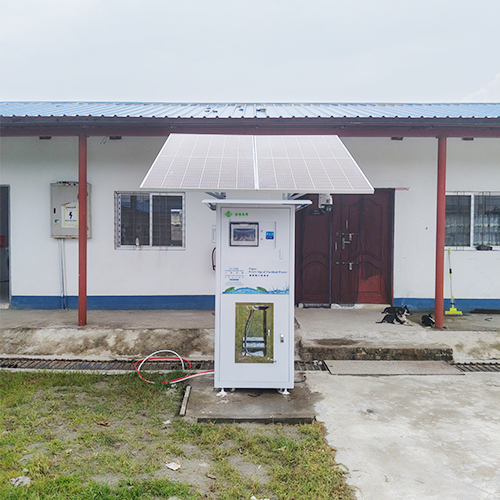
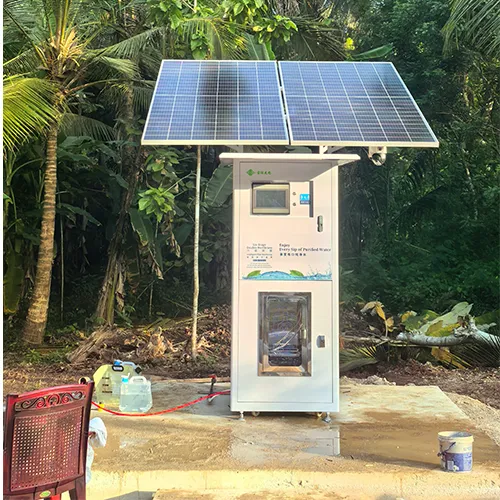
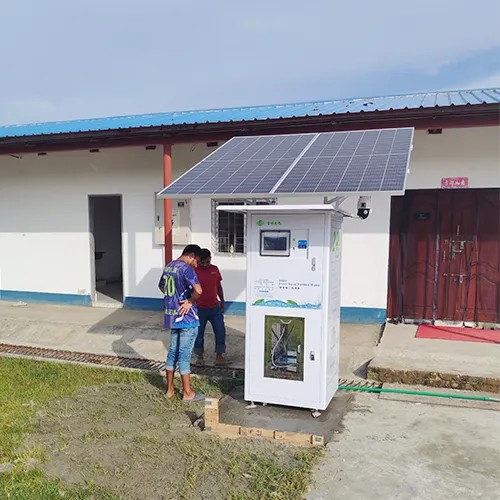
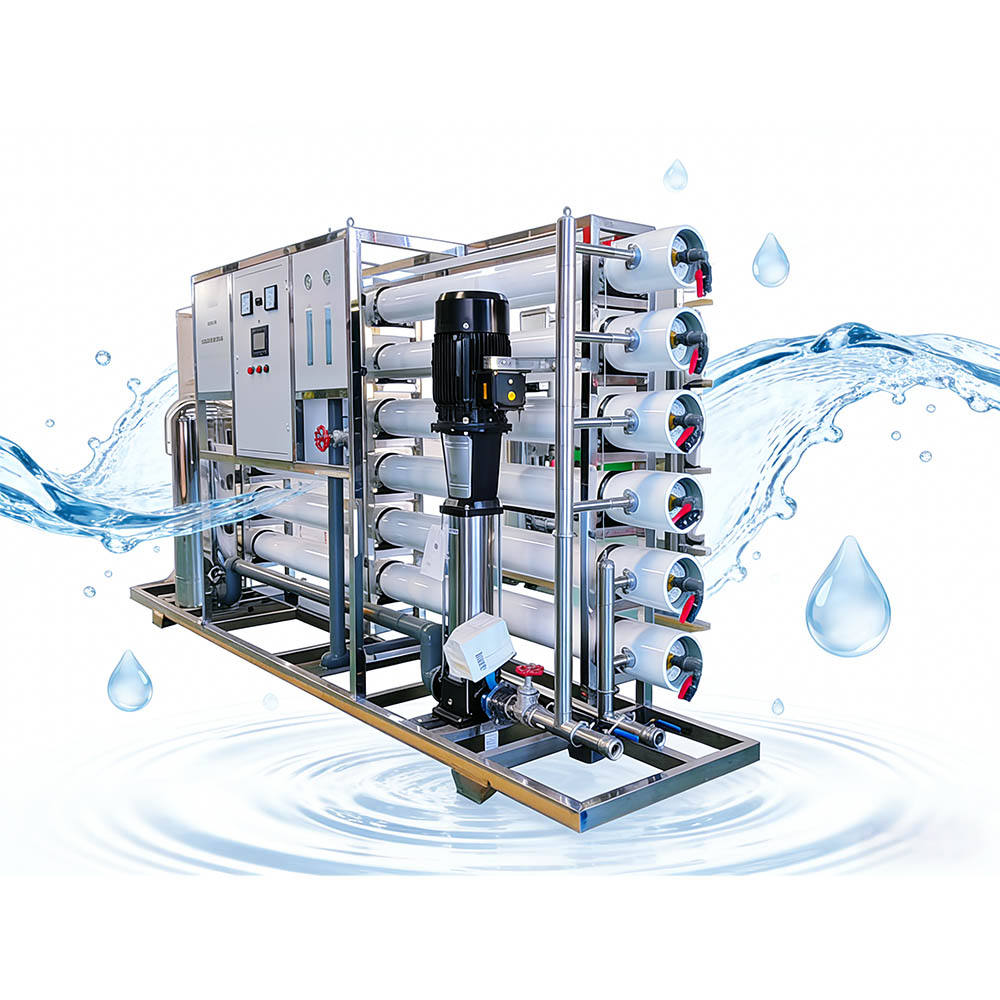
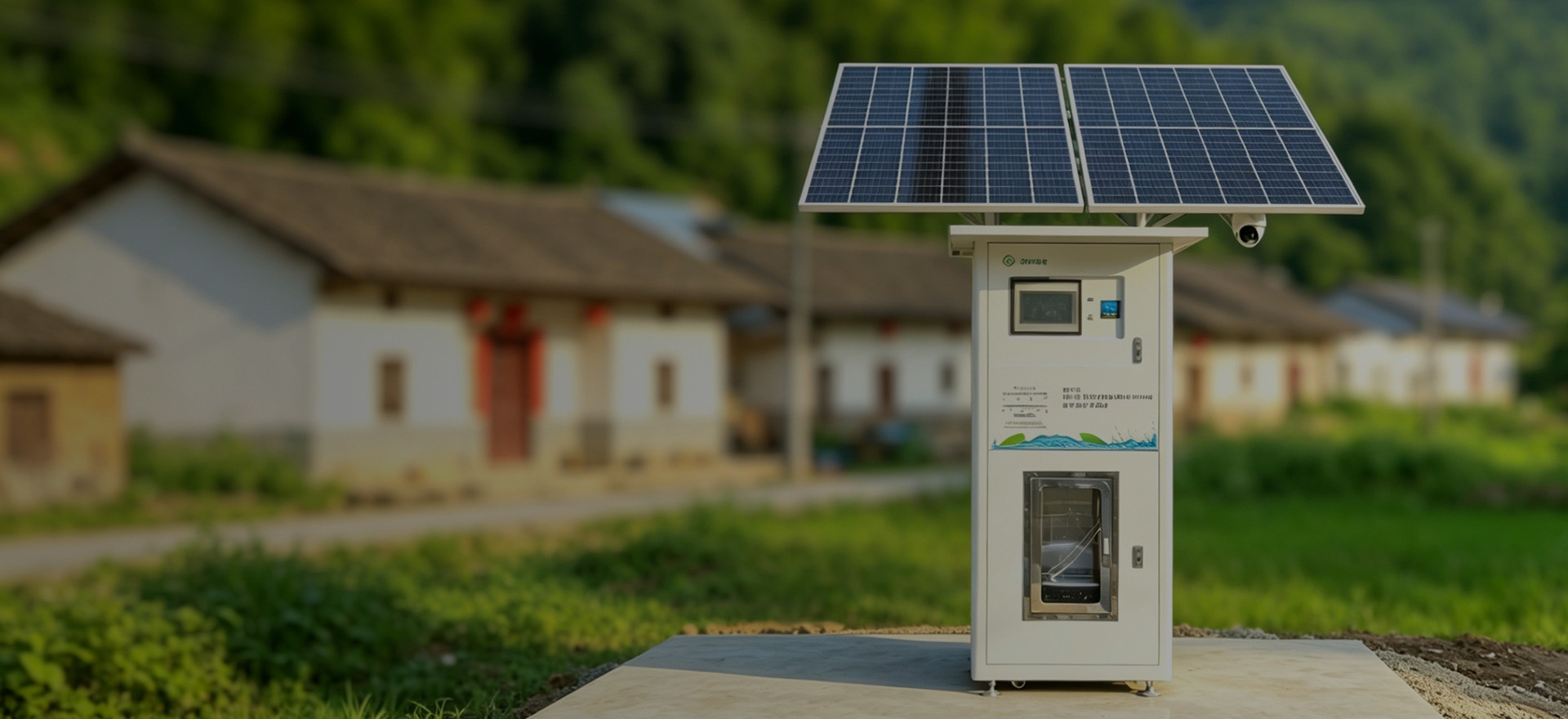
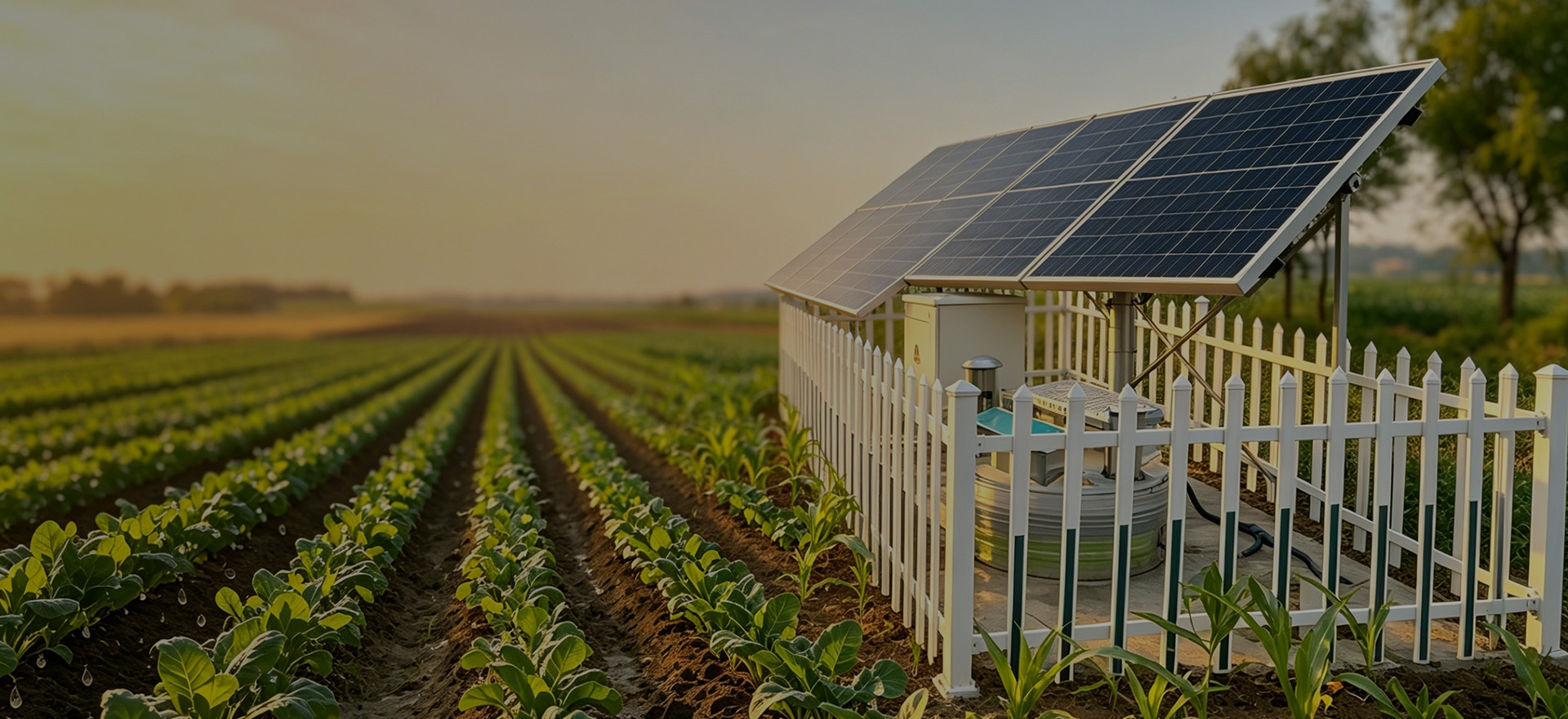
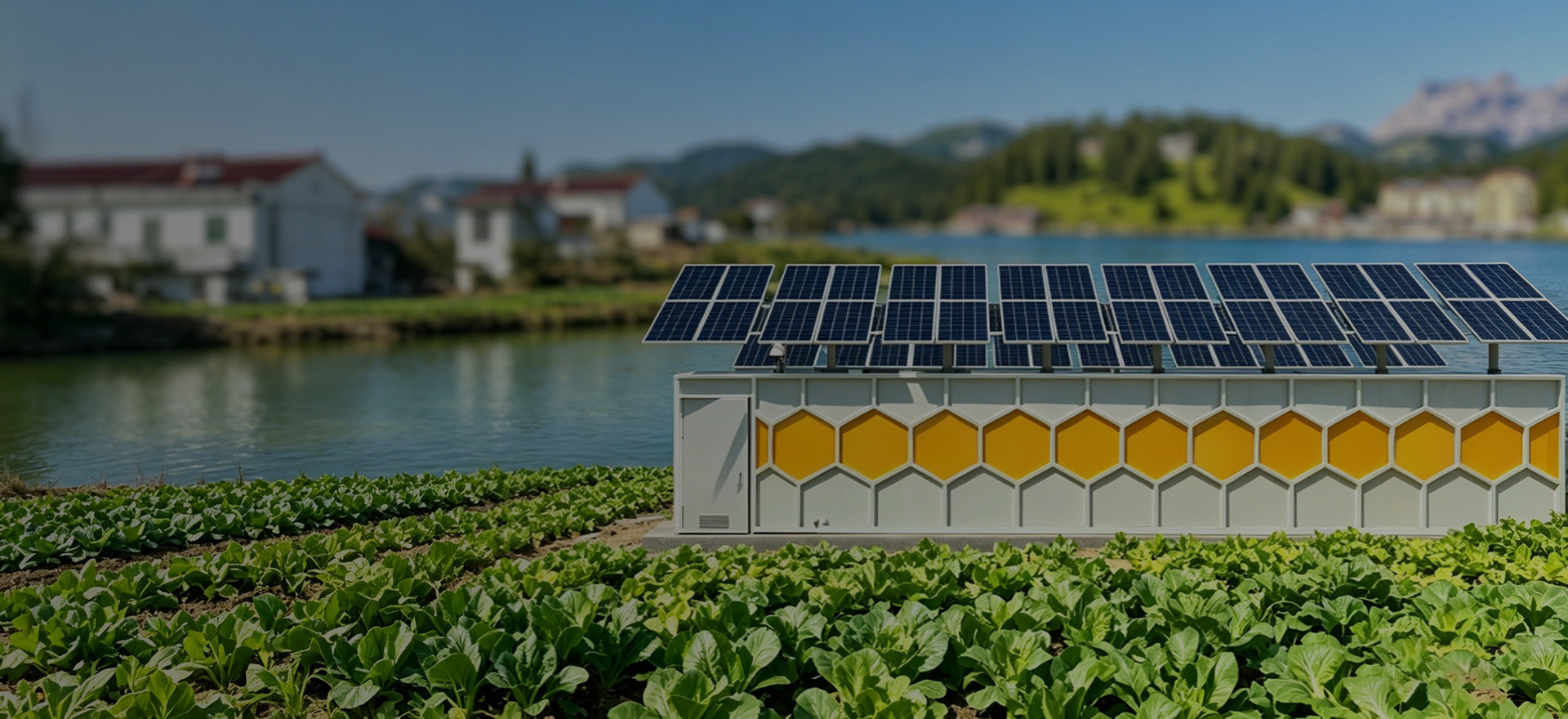
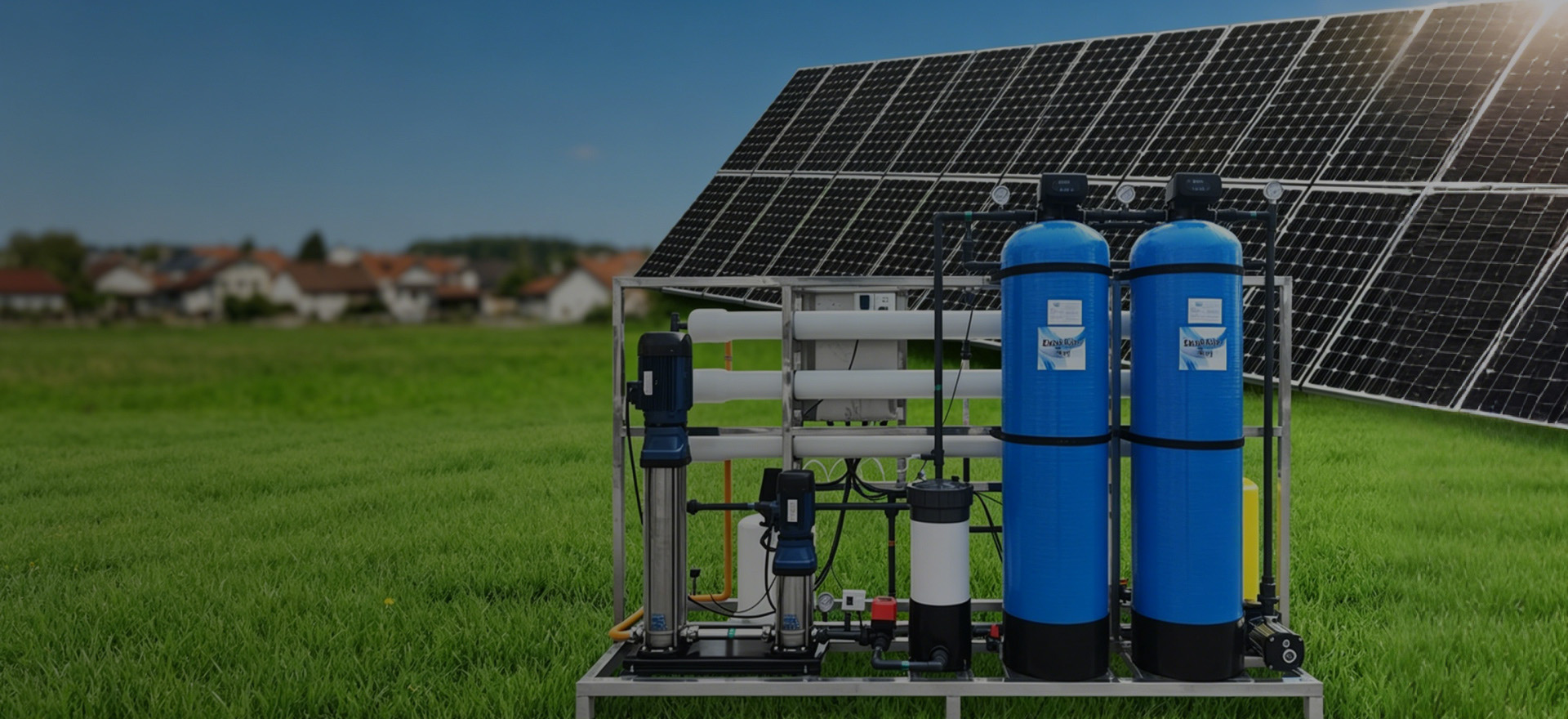
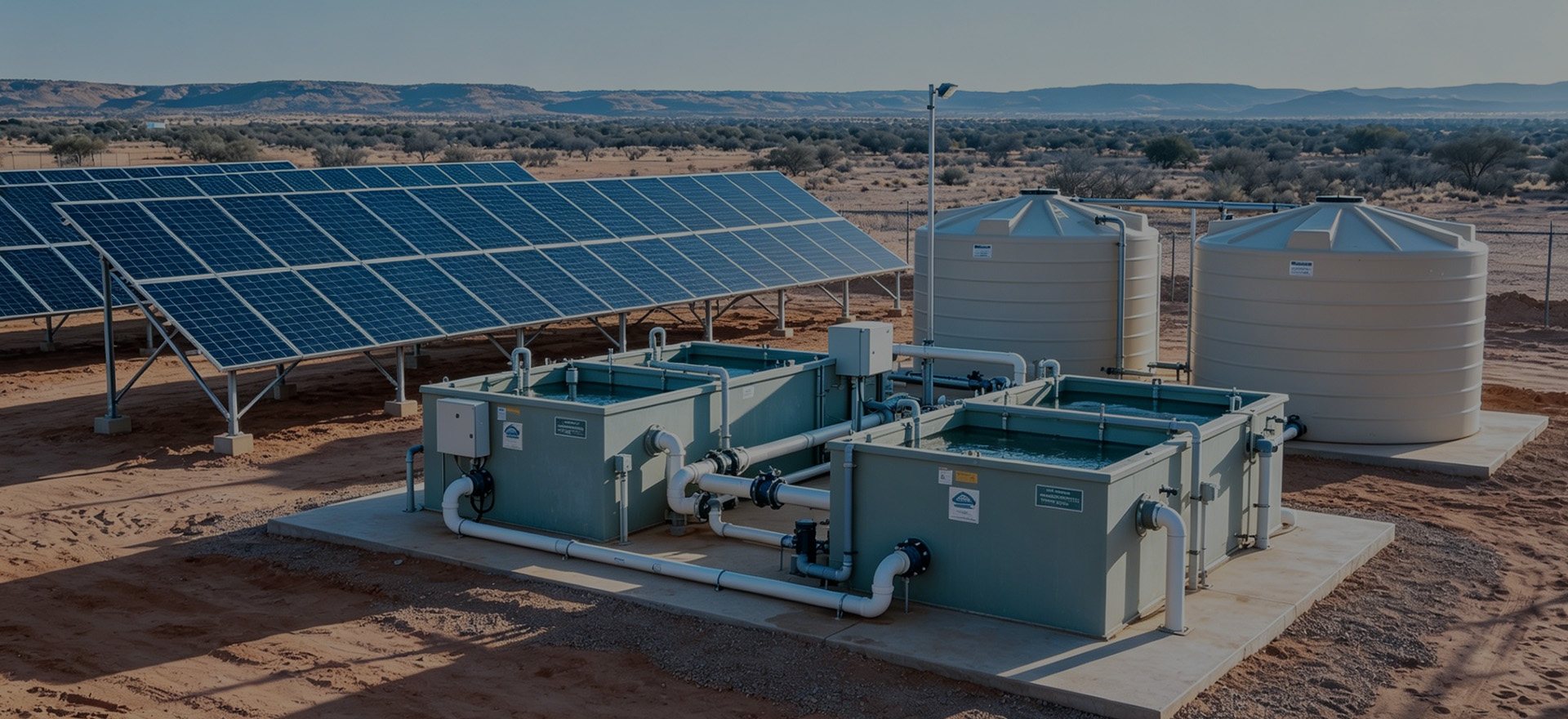
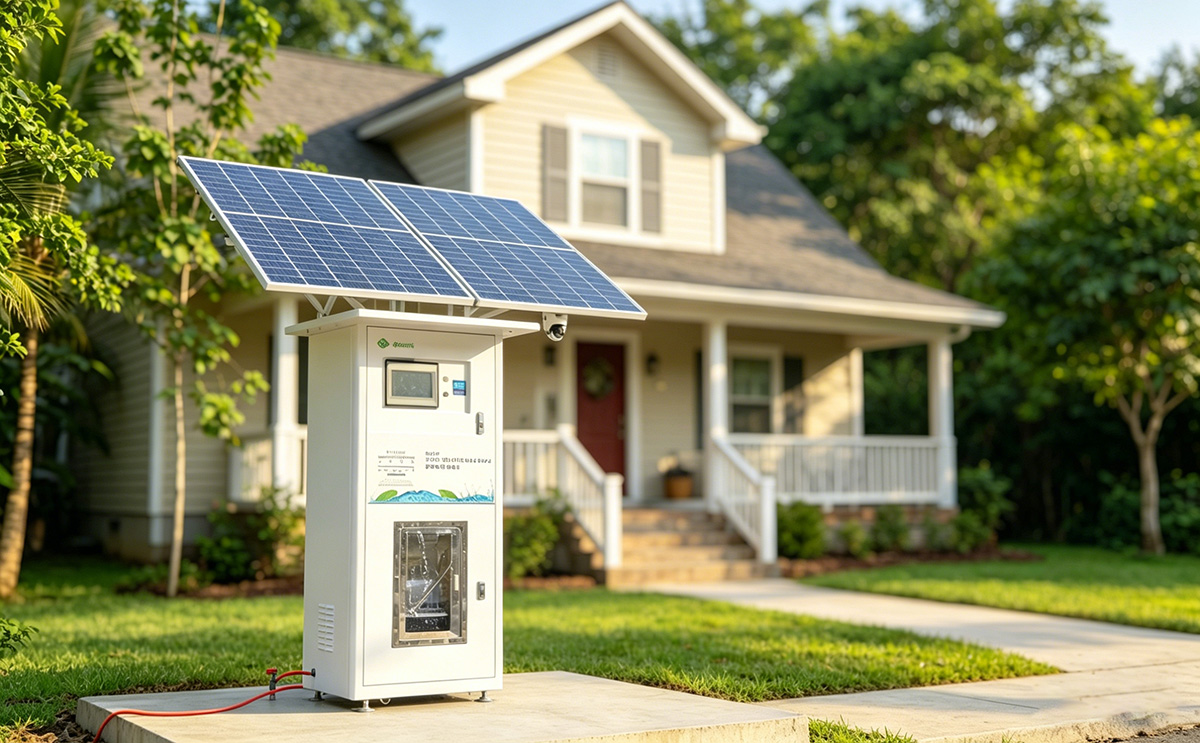
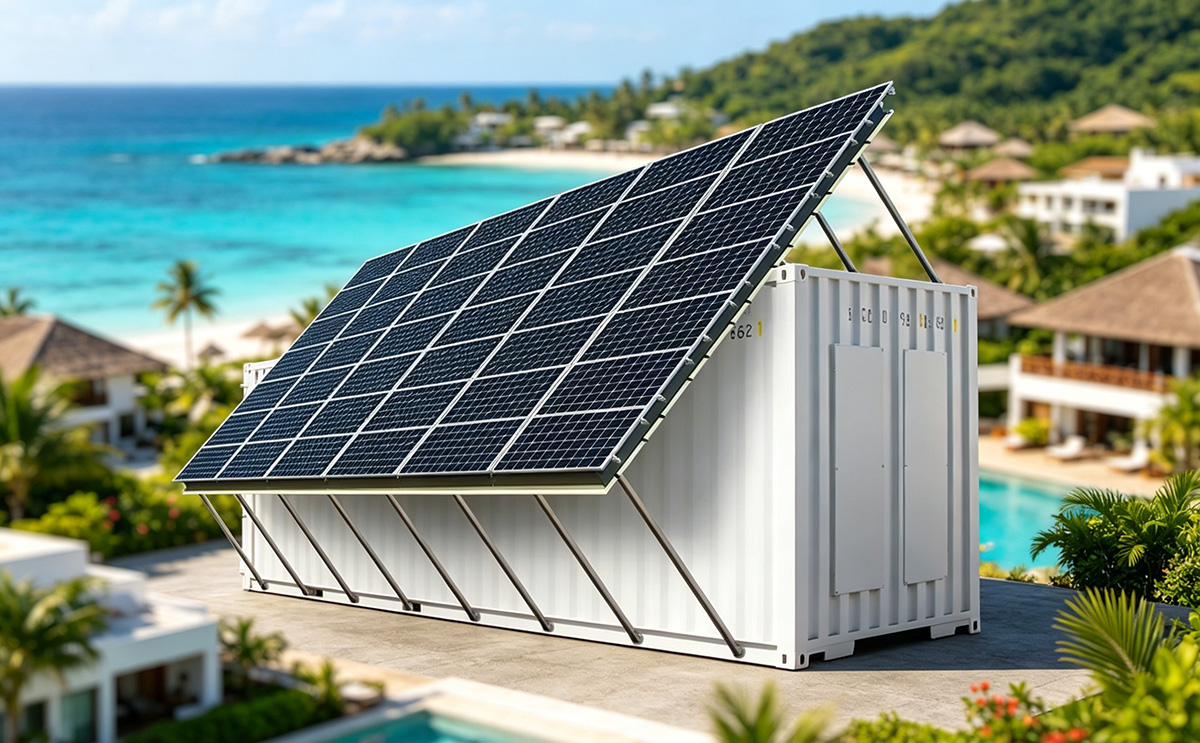
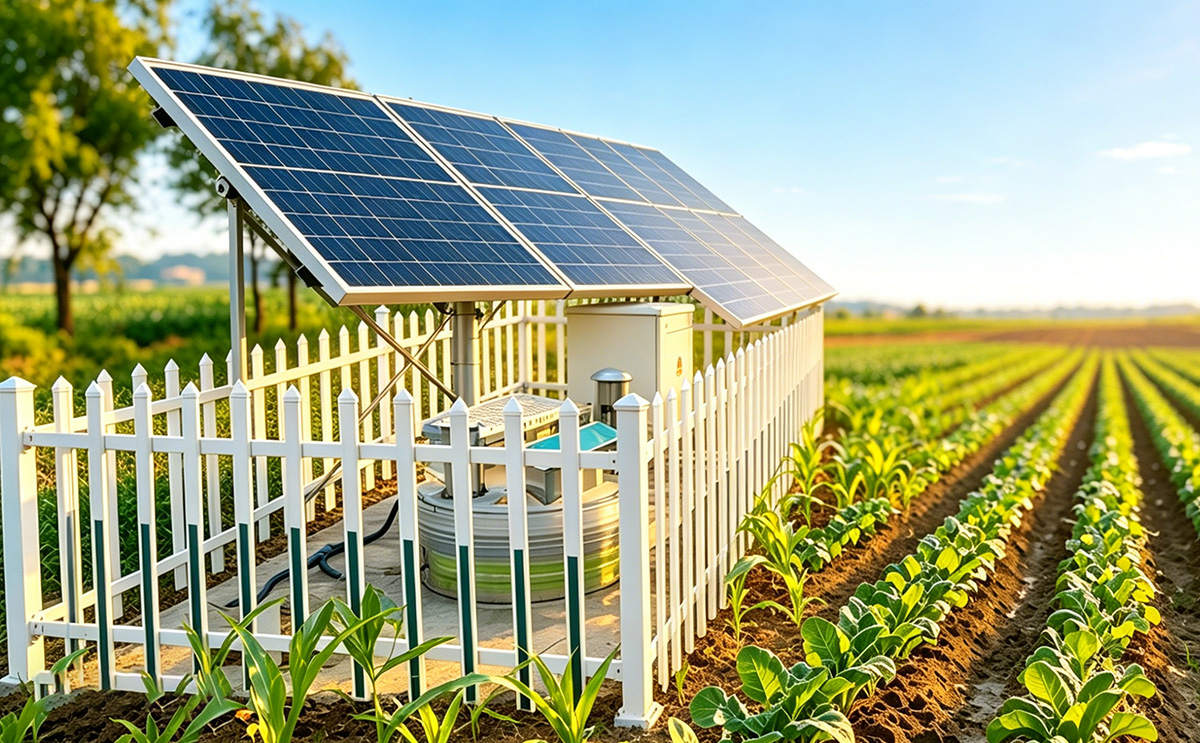
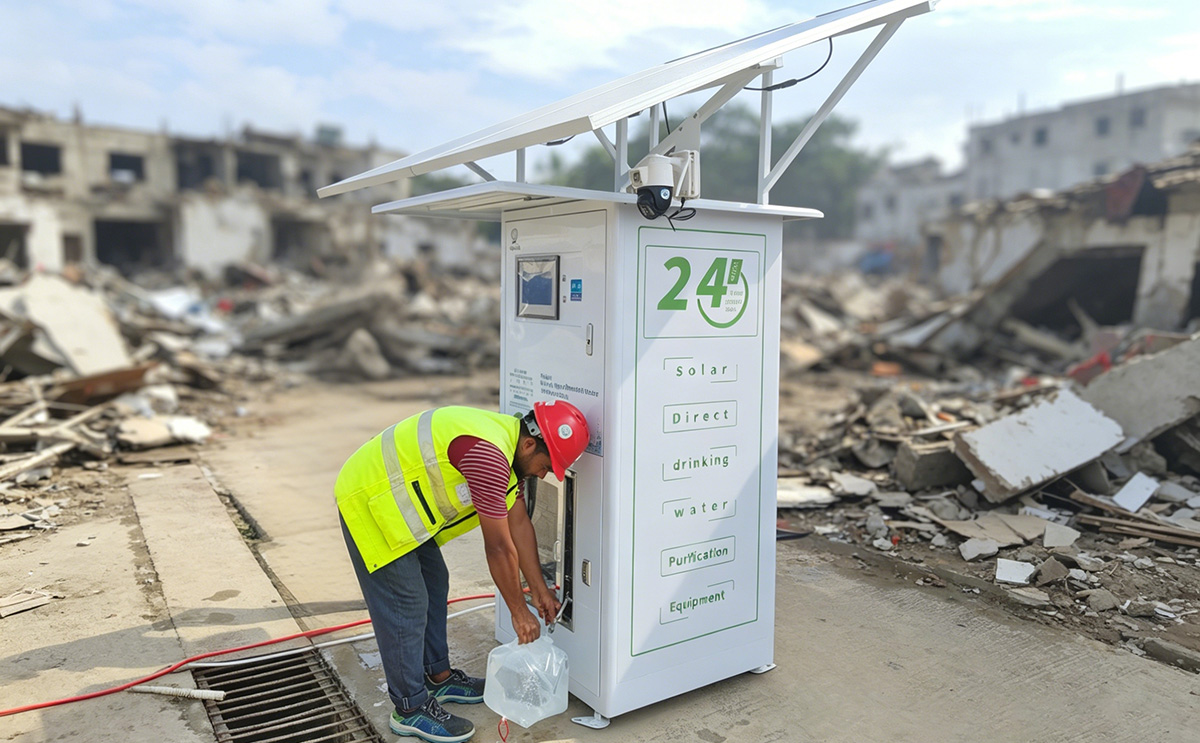
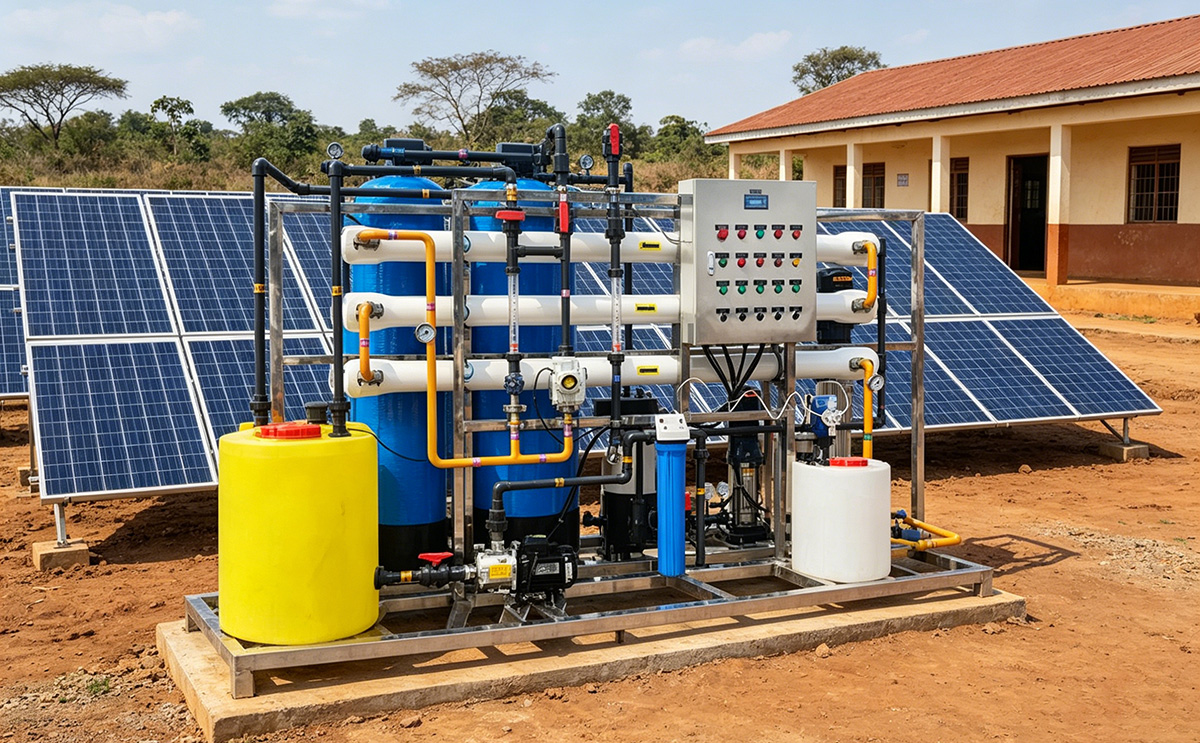
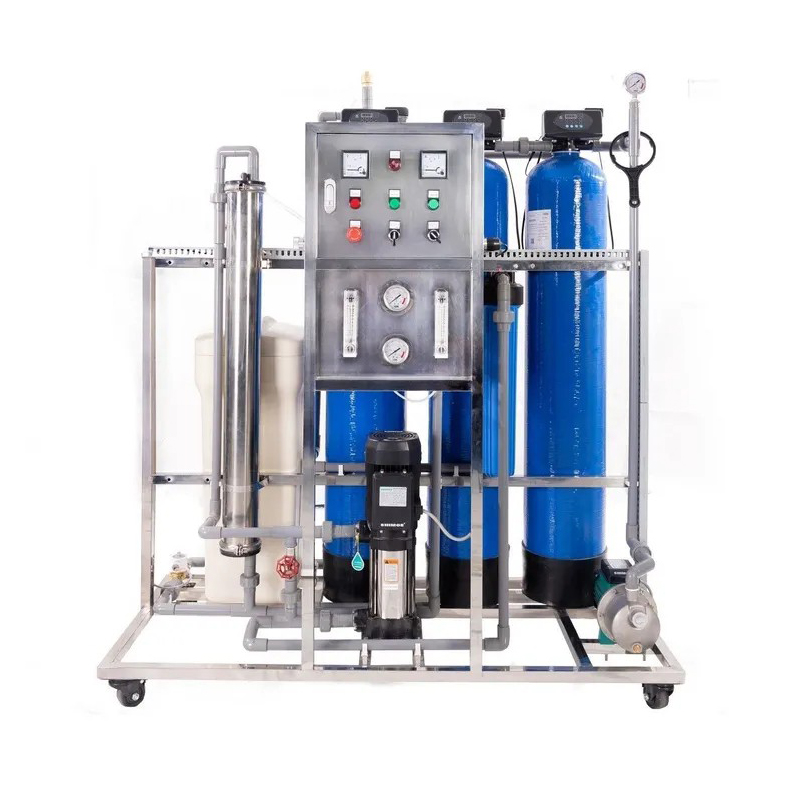
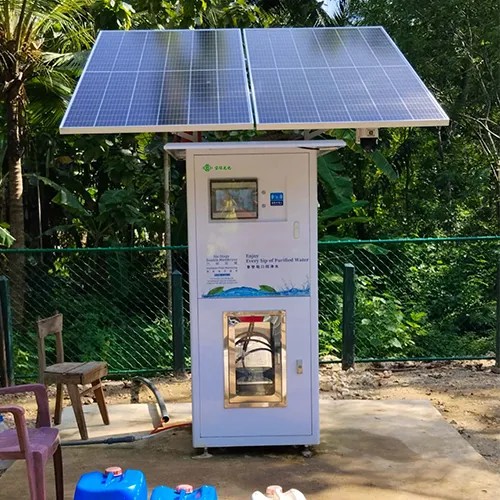
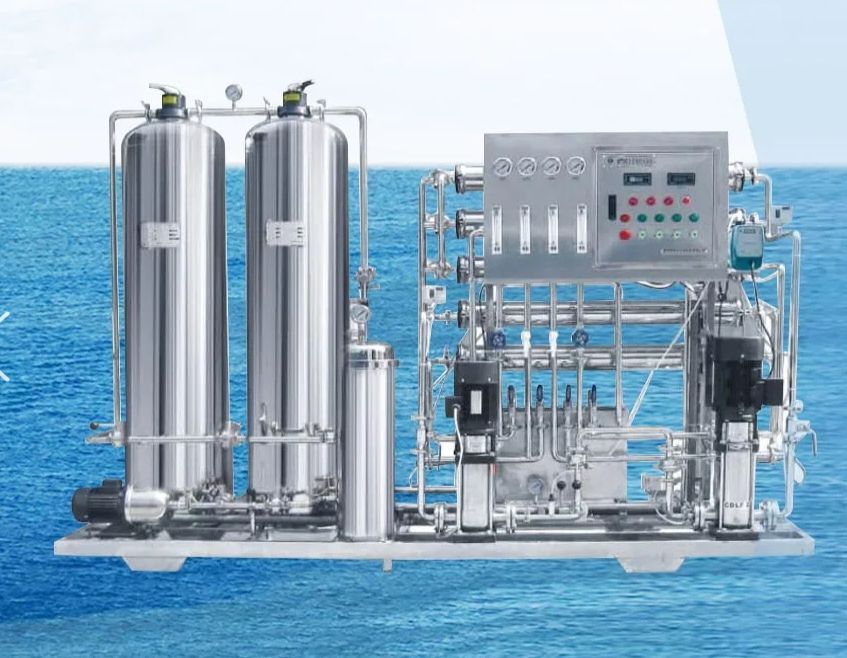
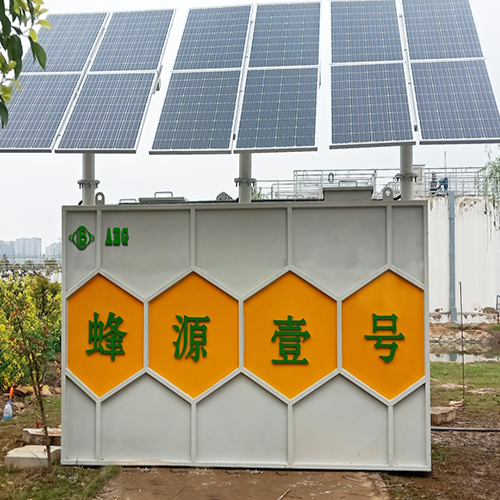
Providing high-efficiency, solar-powered water treatment units engineered specifically for farm environments and off-grid remote operations.
Place of Origin: Anhui, China
Brand Name: BL
Certification: ISO9001, ISO14001, ISO45001, CQC
Model Number: BLCT-G050
Place of Origin: Anhui, China
Brand Name: BL
Certification: ISO9001, ISO14001, ISO45001, CQC
Model Number: BLCT-G050
Place of Origin: Anhui, China
Brand Name: BL
Certification: ISO9001, ISO14001, ISO45001, CQC
Model Number: BLCT-G050
Place of Origin: Anhui, China
Brand Name: BL
Certification: ISO9001, ISO14001, ISO45001, CQC
Model Number: BL-HardWater-Agri
Agricultural productivity and sustainability are directly tied to the availability and quality of water. Globally, agriculture accounts for approximately 70% of all freshwater withdrawals. As freshwater resources dwindle due to climate change, industrial pollution, and population growth, the agricultural sector faces a critical challenge: how to produce more food with less, and often lower-quality, water. This reality has driven the rapid industrialization of agricultural water treatment equipment.
Modern farms are increasingly forced to utilize marginal water sources, including brackish groundwater, surface runoffs, and reclaimed municipal wastewater. Without sophisticated purification systems, these water sources can severely damage crops, degrade soil structures, and ruin expensive irrigation infrastructure. Consequently, commercial growers are investing heavily in advanced filtration technologies, particularly Reverse Osmosis (RO) systems, sand filters, and ultrafiltration units.
In high-value crop cultivation, such as berries, avocados, and greenhouse vegetables, water quality is not just a matter of plant survival, but of yield optimization. High salt content in irrigation water stunts root growth and reduces nutrient absorption. By employing specialized agricultural water treatment equipment, farms can control chemical parameters, ensuring optimal plant growth and maximizing return on investment.
Traditional water treatment systems are highly energy-intensive. For remote agricultural farms, lack of grid access makes diesel generators the only power source, leading to massive operating costs and carbon footprints. The convergence of solar photovoltaic technology and water purification systems represents a landmark industrial shift, decoupling clean water production from fossil fuel dependency.
In addition to crop irrigation, livestock farming requires pristine water quality. Dairy cows, poultry, and swine are highly sensitive to pathogens, heavy metals, and high mineral concentrations in drinking water. Poor water quality directly affects feed conversion ratios, livestock mortality, and the overall biosecurity of the farm. Multi-stage filtration integrated with UV sterilization and automated dosing systems has become the standard for modern livestock facilities globally, ensuring consistent animal health and high yield outputs.
Baode's one-stop energy-saving solutions cut costs, boost efficiency and turn energy-intensive enterprises into energy-saving benchmarks, winning wide acclaim.
Fully solar-powered for complete, off-grid energy independence.
Flexible, building-block design adapts to diverse application scenarios.
Built for harsh, unmanned areas with minimal maintenance required.
One-time investment enables long-term, zero-carbon and zero-cost operation.
The intersection of digitalization, renewable energy, and water treatment technologies is shaping the future of agricultural farms. As water scarcity tightens regulatory controls on farm runoffs, the water systems of tomorrow must be smarter, greener, and completely self-sustaining.
Smart agriculture relies heavily on data. Modern water treatment systems are no longer isolated mechanical units; they are nodes in a larger farm management network. Equipped with smart sensors, today's water equipment continuously monitors parameters like Total Dissolved Solids (TDS), pH levels, flow rates, and membrane pressure. AI algorithms analyze this data in real-time to predict membrane fouling, automate backwashing cycles, and adjust chemical dosing according to real-time crop demands. This minimizes human intervention, reduces maintenance costs, and prevents sudden equipment downtime during crucial crop growth cycles.
Global agriculture is under intense pressure to reduce greenhouse gas emissions. The integration of solar power into agricultural water treatment systems is a major step toward decarbonizing the supply chain. By utilizing high-efficiency photovoltaic panels and advanced battery storage, farms can run continuous reverse osmosis desalination and filtration operations without emitting a single gram of carbon dioxide. This transition aligns with international zero-carbon goals and insulates farms from the volatility of fuel prices.
Farms are dynamic operations that expand and contract based on economic cycles. Modular water treatment units allow farmers to scale their filtration capacity incrementally. Containerized, plug-and-play systems can be built off-site, tested, and quickly deployed in remote fields. If the farm relocates or expands, these systems are easily transportable, preserving the capital investment.
Environmental regulations regarding agricultural runoffs are tightening. Pesticide and fertilizer-laden runoffs pollute nearby waterways, leading to eutrophication. Advanced water treatment equipment allows farms to capture, treat, and recycle agricultural runoff. Through advanced filtration and oxidation processes, wastewater is purified to drinking-water standard for reuse, creating a closed-loop system.
Empowering global sustainability with customized off-grid water and energy infrastructure.
Agricultural water requirements vary dramatically depending on the crop, livestock, geography, and scale of operations. Here is how advanced treatment equipment is applied in real-world scenarios:
Drip irrigation is the most water-efficient crop watering method available. However, drip emitters have extremely small apertures that clog easily due to particulate matter, mineral scale, or biological algae. By utilizing agricultural water treatment systems configured with disc filters and water softeners, suspended solids and excess hardness minerals are removed before entering the lines. This ensures uniform water distribution across fields. Furthermore, in areas with saline groundwater, RO systems desalt the water, preventing the accumulation of sodium in the soil, which can render fertile land barren over time.
Hydroponics and vertical farming require absolute control over the nutrient solution. Since plants grow directly in water without soil, any pre-existing minerals or contaminants in the raw water can disrupt the delicate nutrient balance. Commercial CEA facilities use reverse osmosis systems to produce pure "base water" with an Electrical Conductivity (EC) close to zero. Growers can then add precise ratios of Nitrogen, Phosphorus, Potassium, and micronutrients. This level of control ensures maximum crop growth rates, consistent quality, and optimal taste profile.
In livestock production, water quality is directly connected to health and weight gain. High levels of nitrates, sulfates, or bacterial pathogens (like E. coli and Salmonella) in well water can lead to disease outbreaks and poor feed conversion. Implementing multi-stage filtration systems—incorporating sediment pre-filters, activated carbon, and UV disinfection—provides livestock with clean, safe drinking water. In remote pasture operations, solar-powered pumping and filtration units allow cattle to graze in distant areas without relying on municipal water lines or dirty surface ponds.

At Baolv Optoelectronics, we provide tailored solar-powered water and energy systems that empower resilience and sustainable growth from remote areas to emergency scenarios.
Go to Project Applications


Explore our complete catalog of solar-powered purification systems, brackish water RO units, and farm sewage treatment systems.
Fully solar-powered portable water filtration system for emergency farm relief and off-grid outposts.
Compact, durable, and weather-resistant solar purification system designed for harsh agricultural fields.
High-efficiency brackish water RO system for small agricultural farms and livestock drinking water.
Heavy-duty reverse osmosis water purification machinery engineered for crop irrigation and farm operations.
Integrated solar desalination unit providing pure output for greenhouse crops and organic soil irrigation.
High-capacity solar water purification plant supporting remote farm residential zones and dairy centers.
Commercial-grade desalination unit converting high-salinity groundwater to pure farm irrigation water.
Ecological solar underground plant for farm sewage and runoff purification with intelligent cloud monitoring.