Industry Insight
Water Treatment Machines for Remote Communities: Market, Trends & Deep Applications
💧
Over 2.2 billion people worldwide still lack access to safely managed drinking water. The majority live in rural, remote, or off-grid communities where conventional water infrastructure is either too costly or physically impractical to deploy. Advanced solar-powered water treatment machines are rapidly emerging as the most viable, scalable solution to this global challenge.
2.2B+
People Lacking Safe Drinking Water Globally
$42B
Projected Global Water Treatment Market by 2030
80+
Countries Served by Solar Water Technology
Zero
Carbon Emissions with Full Solar Operation
The Global Commercial & Industrial Landscape
The market for water treatment machines designed specifically for remote communities has expanded dramatically over the past decade. Driven by a convergence of climate change pressures, international development funding, and rapid advances in solar photovoltaic technology, off-grid water treatment is no longer a niche humanitarian concern — it is a fast-growing commercial and industrial sector attracting significant investment from governments, NGOs, and private enterprises worldwide.
Commercially, the deployment of decentralized water treatment systems is being accelerated by rural electrification programs in Sub-Saharan Africa, South and Southeast Asia, and Latin America. Industrial buyers — including mining operations, agricultural enterprises, remote resorts, and military installations — are increasingly procuring solar-powered water treatment machines as a cost-effective alternative to trucking in potable water or maintaining expensive diesel-powered infrastructure.
Key commercial drivers include: the elimination of recurring energy costs through solar power, the ability to deploy systems without grid connectivity, and the dramatically reduced total cost of ownership compared to conventional municipal-scale water treatment. For industrial operators in remote locations, a one-time capital investment in a solar-powered water treatment machine can replace years of logistical expense and operational risk.
Key Emerging Trends in Off-Grid Water Treatment Technology
☀️
100% Solar-Driven Systems
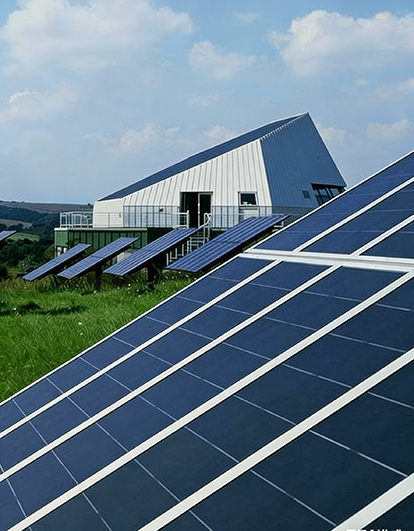
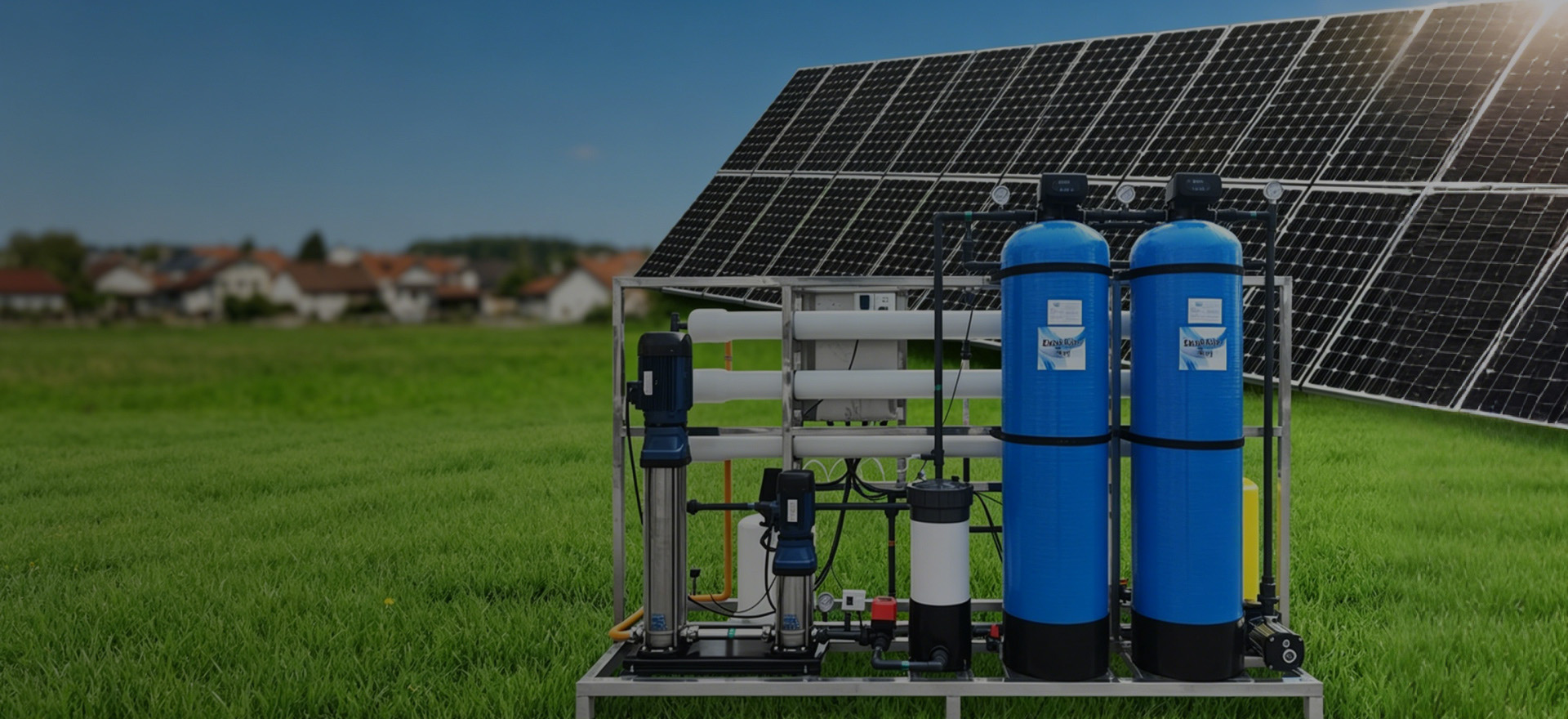
Next-generation water treatment machines are being engineered to operate entirely on photovoltaic energy, eliminating dependence on the grid or diesel generators. Advanced MPPT charge controllers and energy storage integration ensure 24/7 operation even in low-sunlight conditions.
🤖
AI & IoT Remote Monitoring
Intelligent monitoring systems equipped with IoT sensors and AI-driven analytics now allow operators to remotely track water quality parameters, system performance, and maintenance needs in real time — drastically reducing the need for on-site technical personnel in remote areas.
🧩
Modular & Scalable Architecture
Modern water treatment machines for remote communities are designed with modular, building-block architectures that allow capacity to be scaled from a single household to an entire village or industrial campus, simply by adding or reconfiguring modules without replacing the entire system.
🌊
Multi-Source Water Adaptability
Advanced systems can now process a wide variety of raw water sources — including groundwater, surface water, brackish water, and even seawater — using integrated multi-stage filtration, reverse osmosis, and UV sterilization, making them suitable for virtually any remote environment.
🏗️
Containerized & Underground Deployment
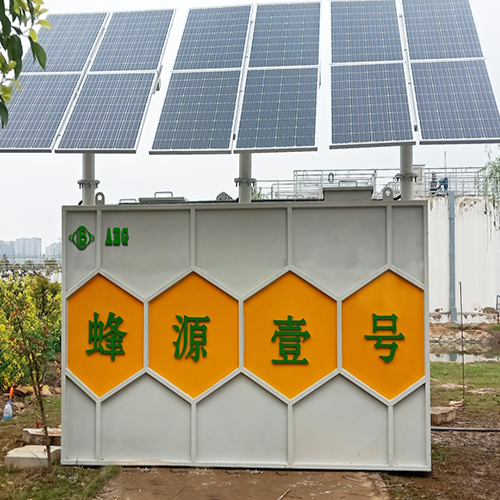
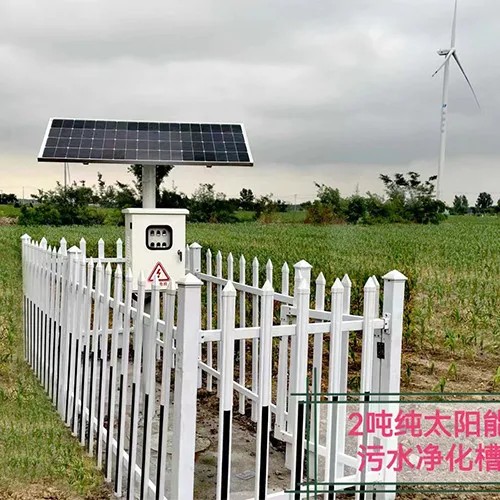
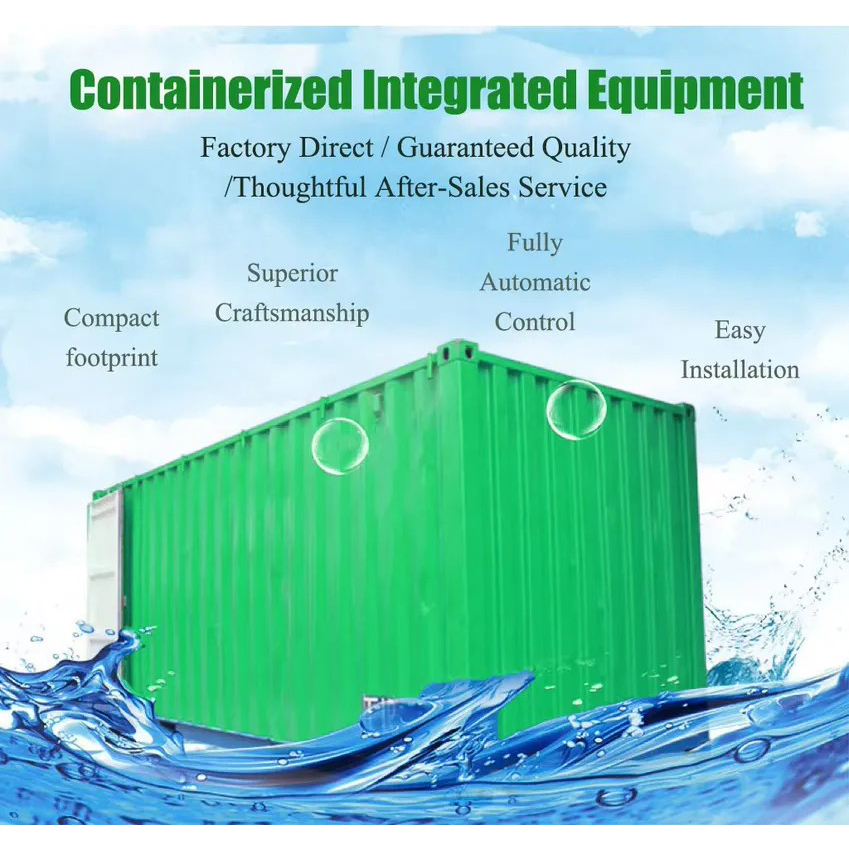
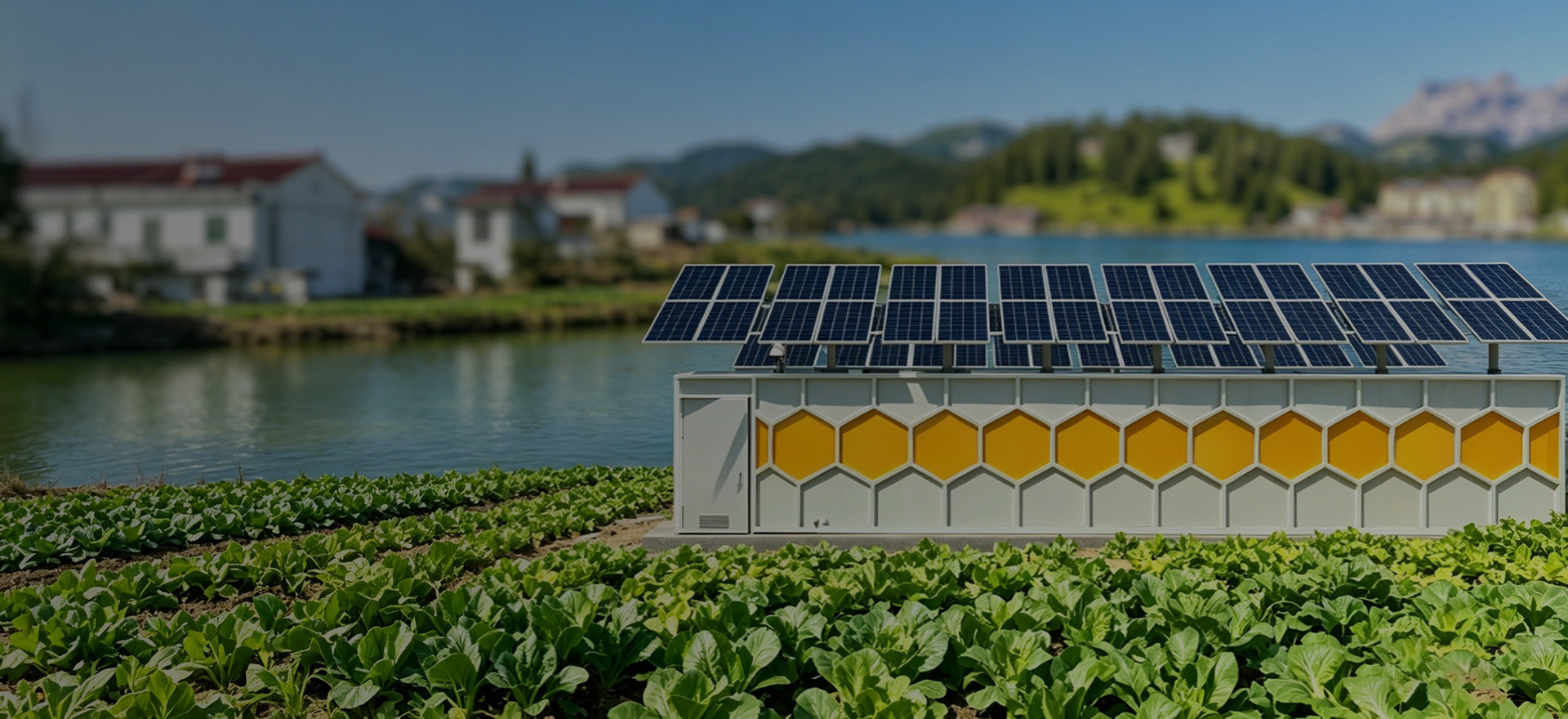
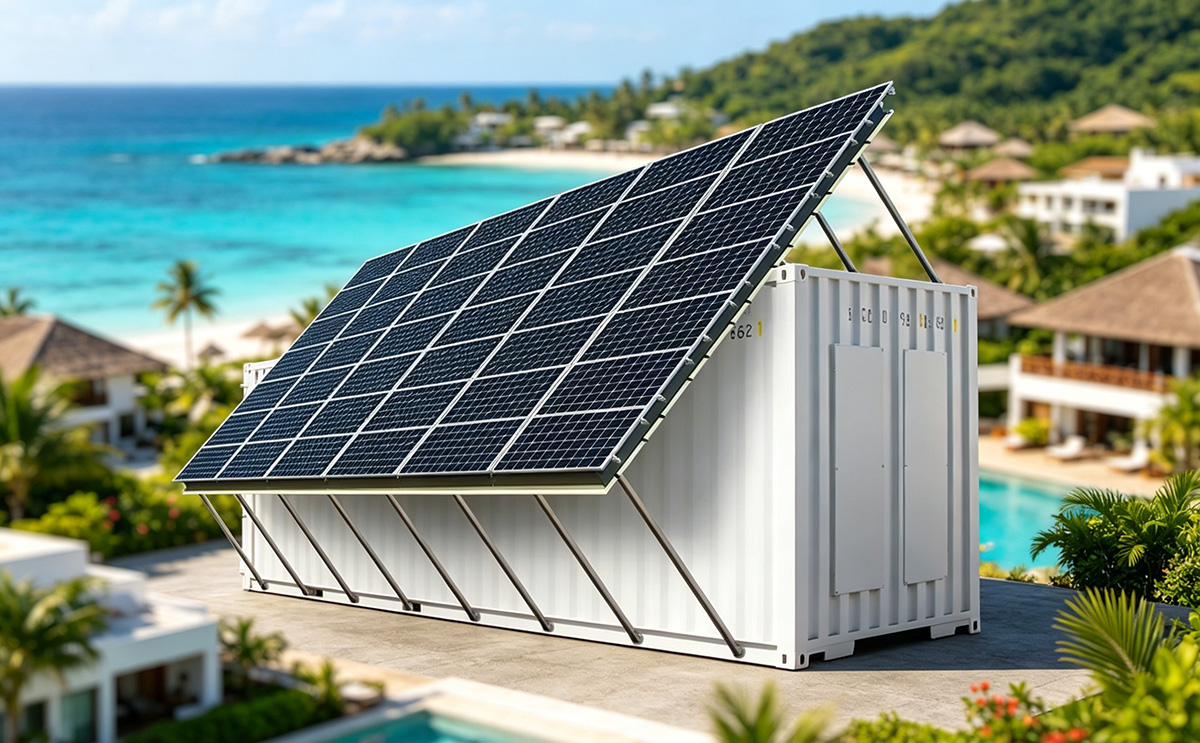
Containerized water treatment plants and underground integrated sewage treatment systems are gaining traction for their minimal footprint, aesthetic integration, and protection against vandalism and harsh weather — particularly important for remote public facilities and eco-tourism sites.
♻️
Closed-Loop Water Recycling
Integrated systems that combine drinking water purification with wastewater treatment and agricultural irrigation recycling are creating complete, closed-loop water ecosystems for remote communities — eliminating waste discharge and maximizing the utility of every liter of water processed.
Deep Application Scenarios: Where Water Treatment Machines Make the Greatest Impact
🏘️ Rural Village & Household Water Supply
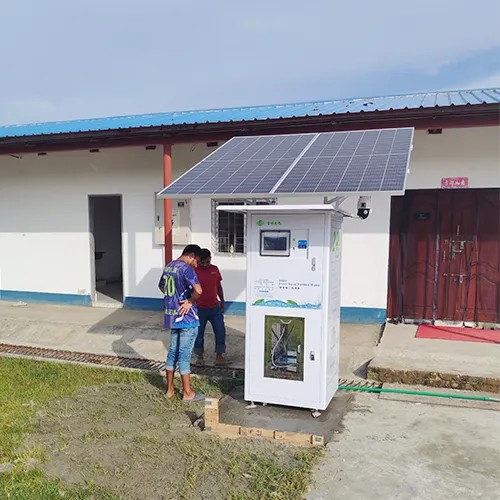
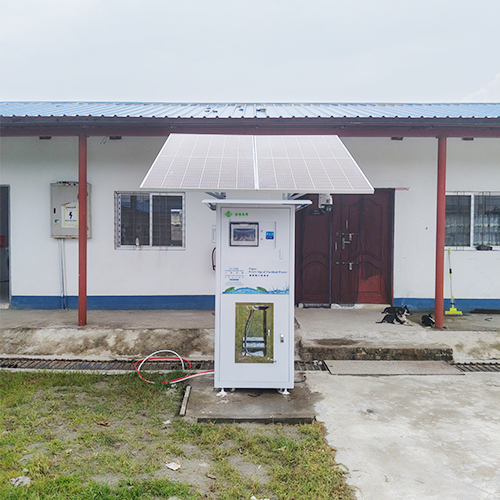
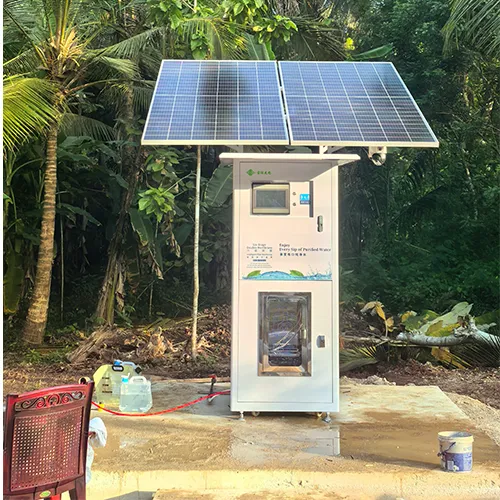
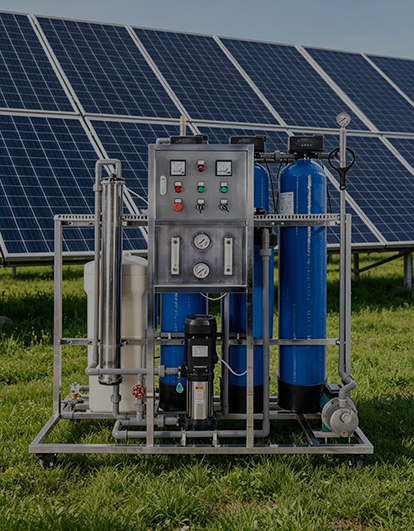
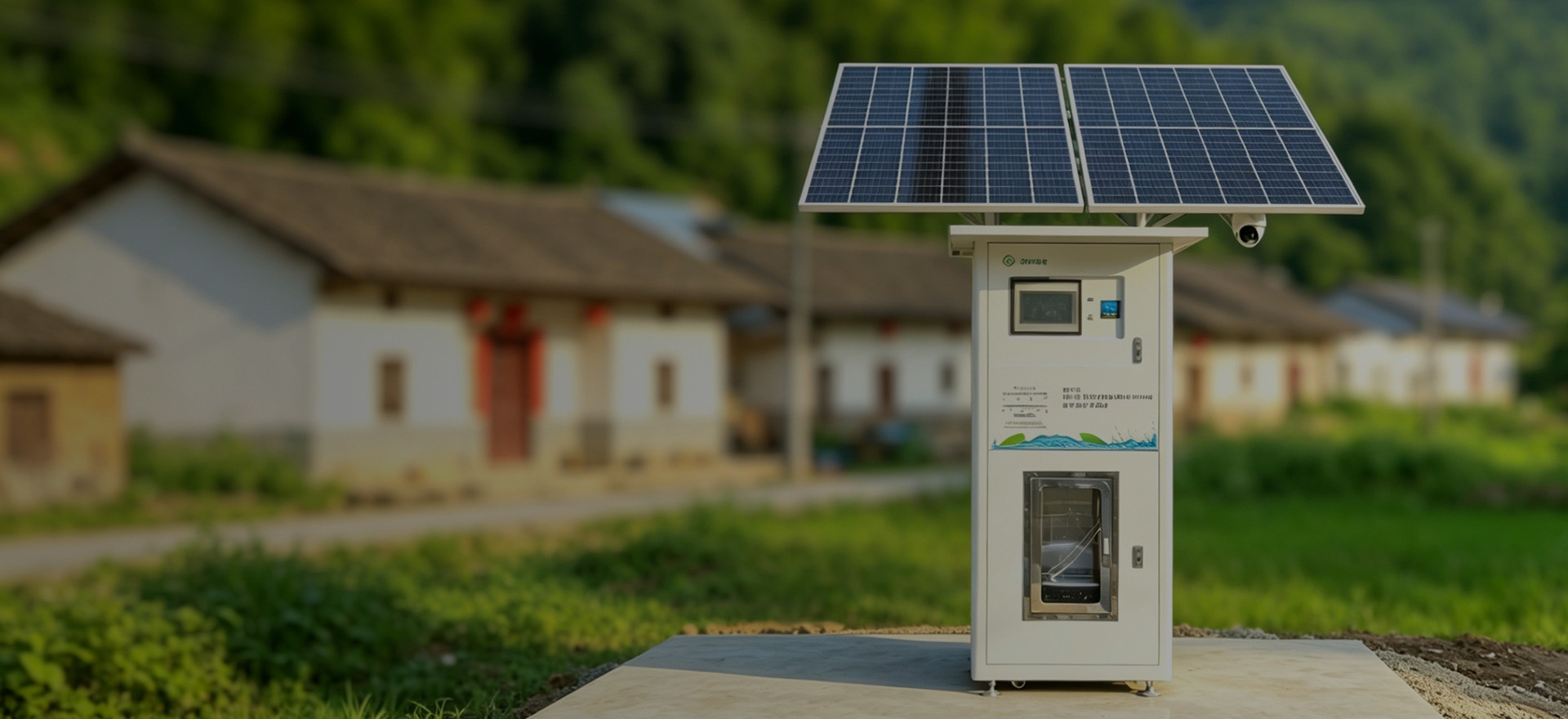
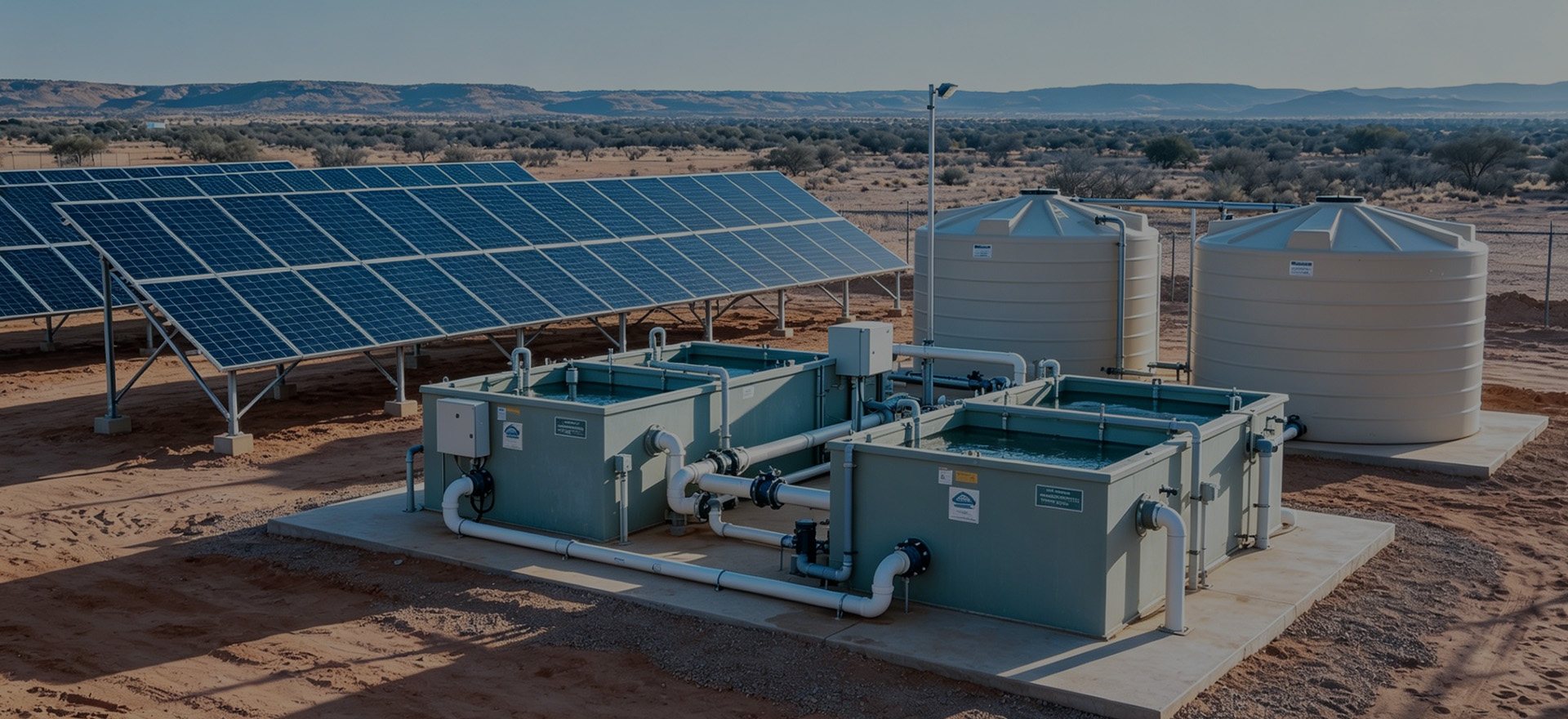
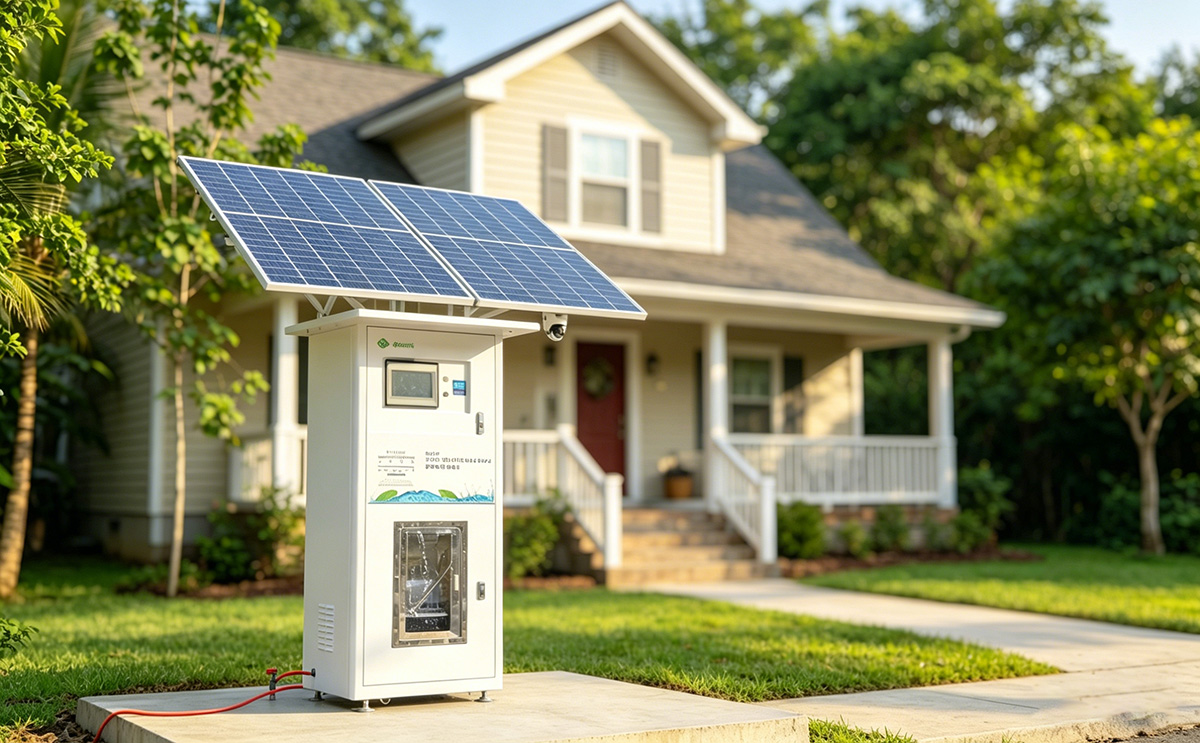
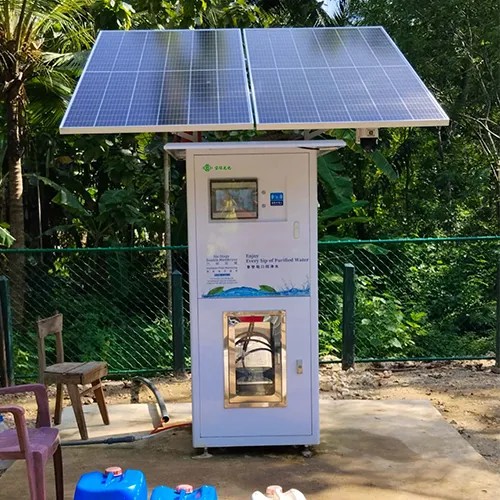
In rural and remote villages across developing regions, the absence of piped water infrastructure means families often rely on contaminated surface water or shallow wells. Solar-powered water treatment machines — from compact household units to village-scale systems — provide safe, WHO-standard drinking water without requiring grid electricity or fuel supply chains. Systems like the Rural Household Pure Solar Drinking Water Equipment can serve individual families, while commercial-scale units can supply entire communities of hundreds or thousands of people.
🏨 Eco-Tourism & Remote Hospitality
Eco-resorts, wilderness lodges, and remote boutique hotels face significant challenges in providing guests with safe water while maintaining their sustainability credentials. Solar-powered decentralized wastewater treatment systems and drinking water purification units allow these properties to operate with zero grid dependency, zero carbon emissions, and zero wastewater discharge — turning water management into a marketable sustainability feature rather than an operational burden.
🌾 Agricultural & Irrigation Applications
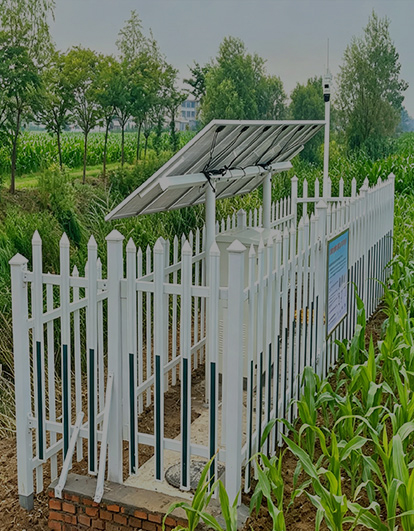
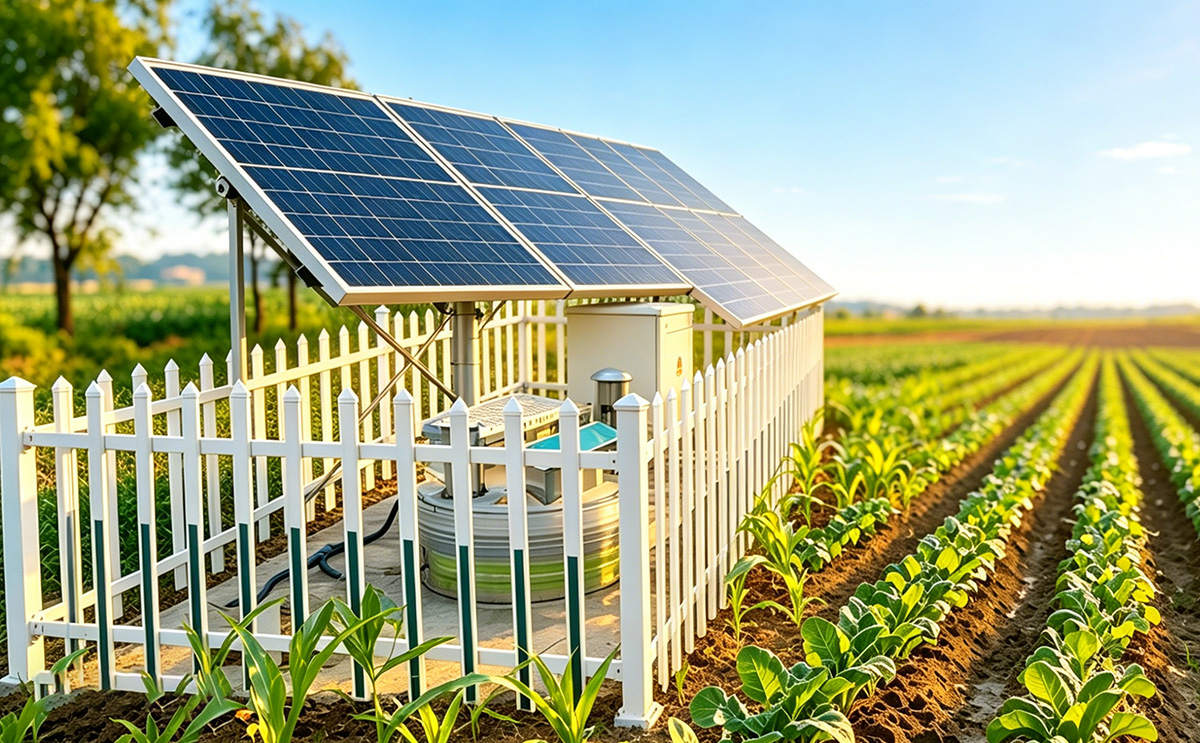
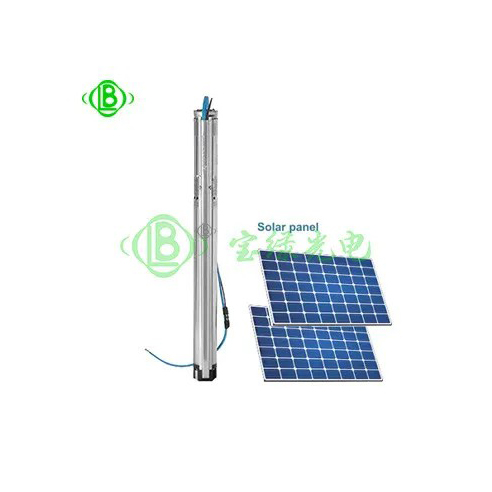
Remote farms and agricultural operations in water-scarce regions benefit enormously from solar-powered submersible pumps and water treatment systems. These technologies enable precision irrigation using treated groundwater or surface water, dramatically improving crop yields while reducing water consumption. The elimination of diesel pump operating costs provides a compelling financial return on investment for commercial agricultural operators.
🚨 Disaster Relief & Emergency Response
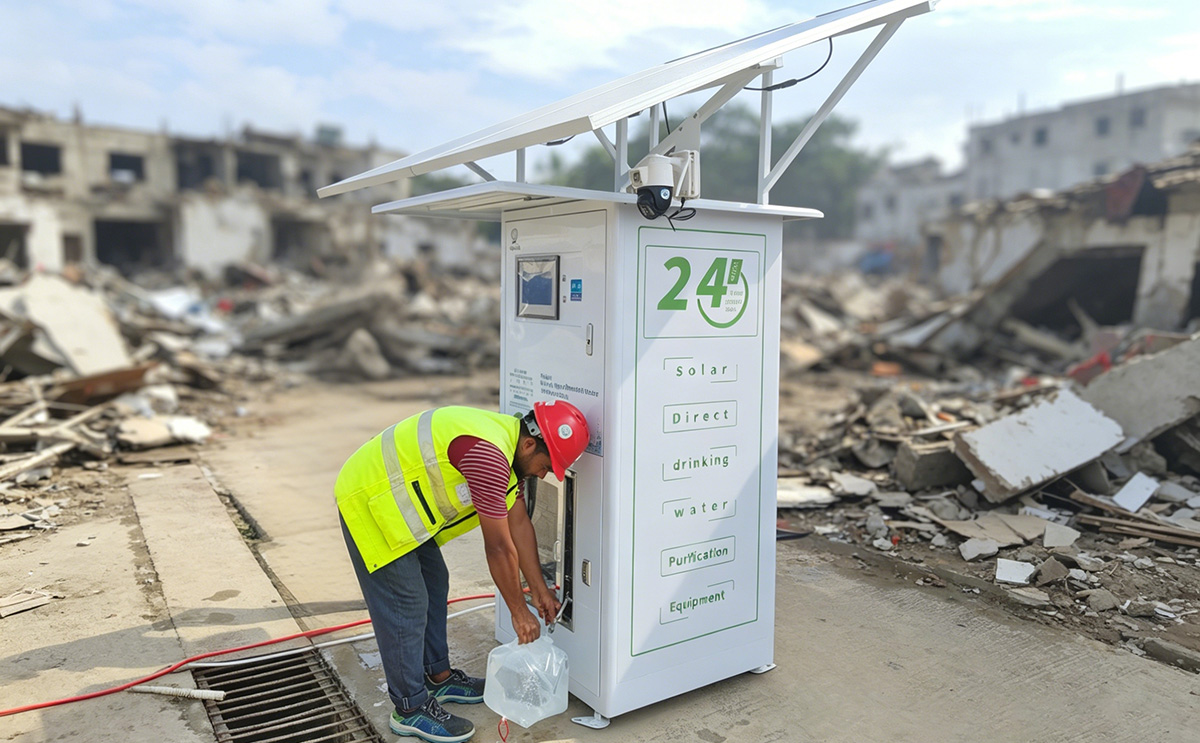
In the aftermath of natural disasters — floods, earthquakes, hurricanes — conventional water infrastructure is frequently destroyed or contaminated. Rapid-deployment, portable solar water purifiers can be operational within hours of arrival, providing safe drinking water and basic sanitation in disaster zones without any dependency on damaged electrical or fuel supply infrastructure. These systems have been deployed in emergency response operations across multiple continents.
⛏️ Mining, Oil & Gas, and Industrial Remote Sites
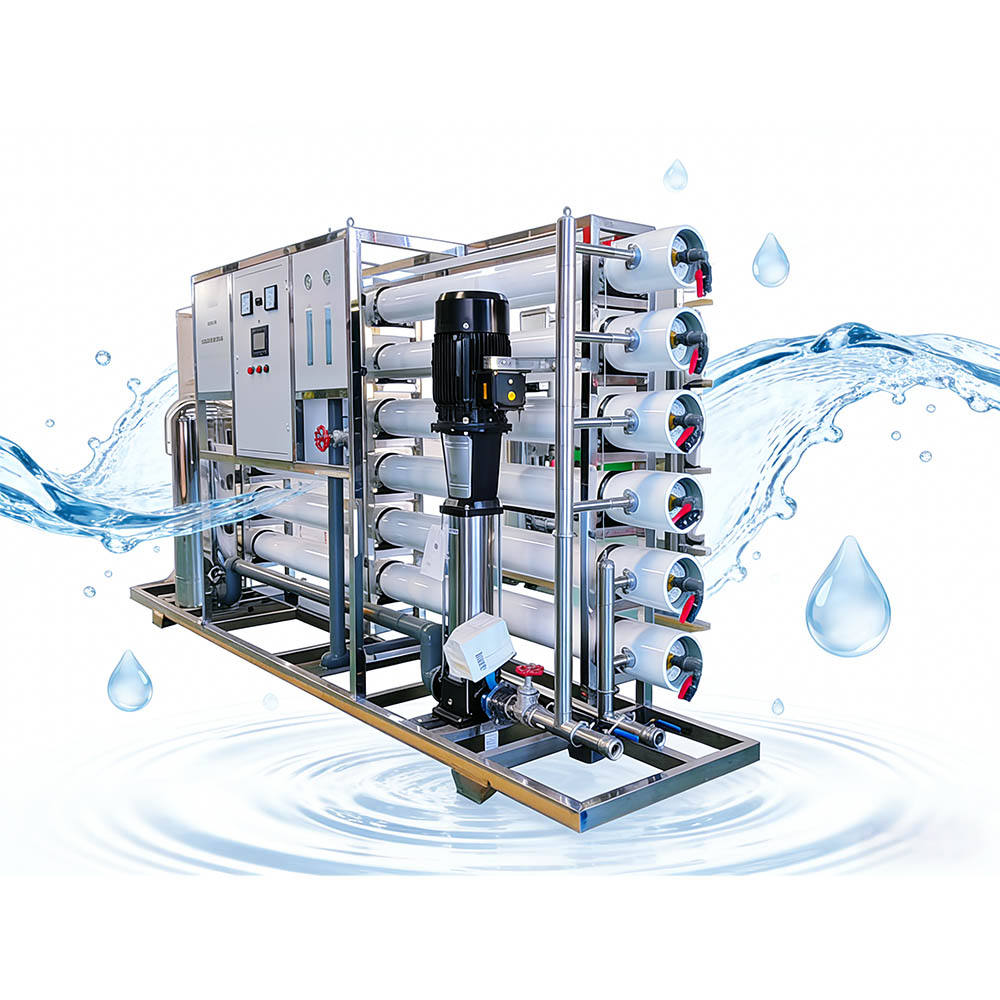
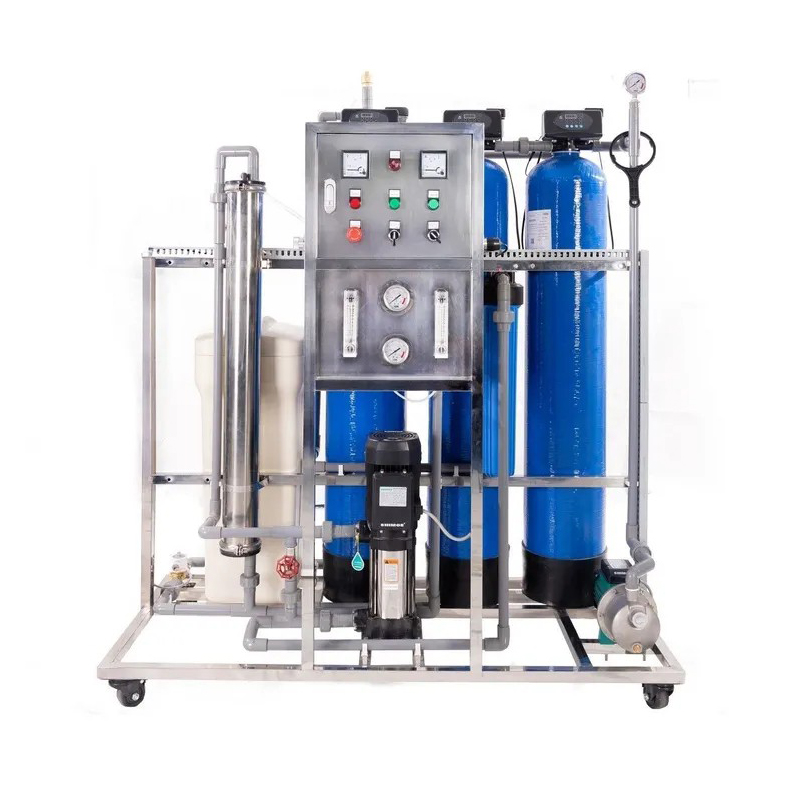
Industrial operations in remote locations — including mining camps, oil and gas facilities, and construction sites — require reliable, high-volume water supply for both drinking and industrial processes. Commercial large-scale solar drinking water equipment and industrial water softening systems provide a cost-effective, low-maintenance solution that eliminates the need for costly water trucking logistics while ensuring compliance with occupational health and safety standards.
🏝️ Island Communities & Coastal Desalination
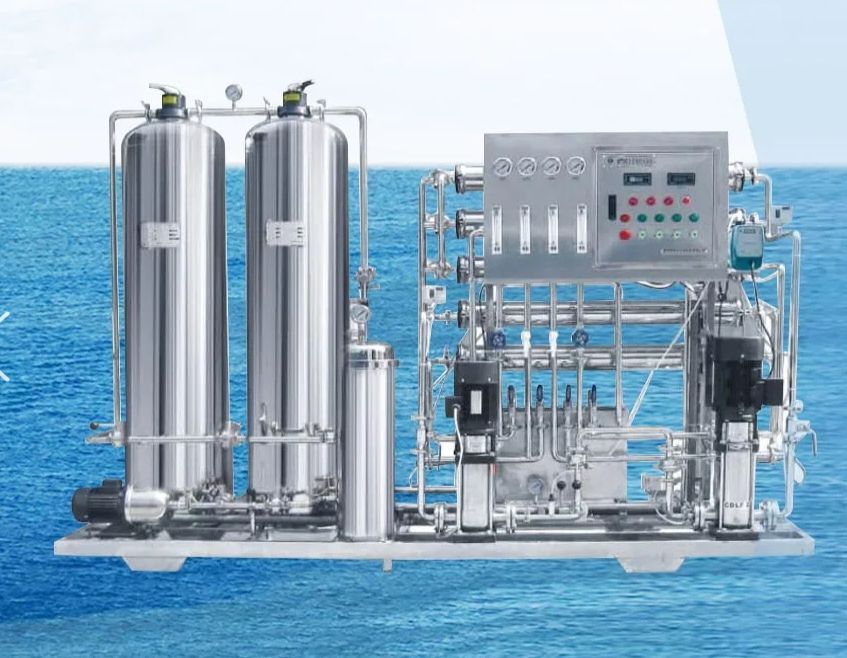
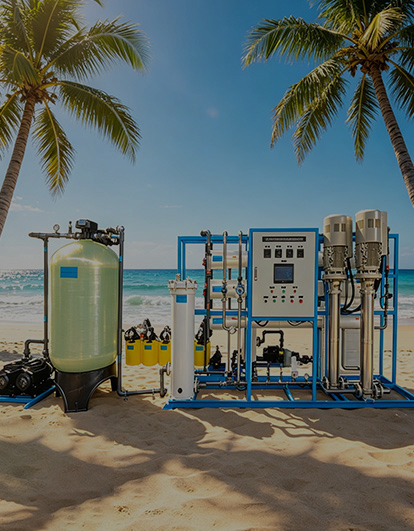
Small island communities and coastal settlements face unique water security challenges, with freshwater resources often limited or absent. High-quality seawater desalination units using reverse osmosis technology, powered entirely by solar energy, offer a sustainable pathway to water independence for island populations — eliminating dependence on expensive imported water or energy-intensive conventional desalination plants.
🏫 Schools, Clinics & Remote Public Facilities
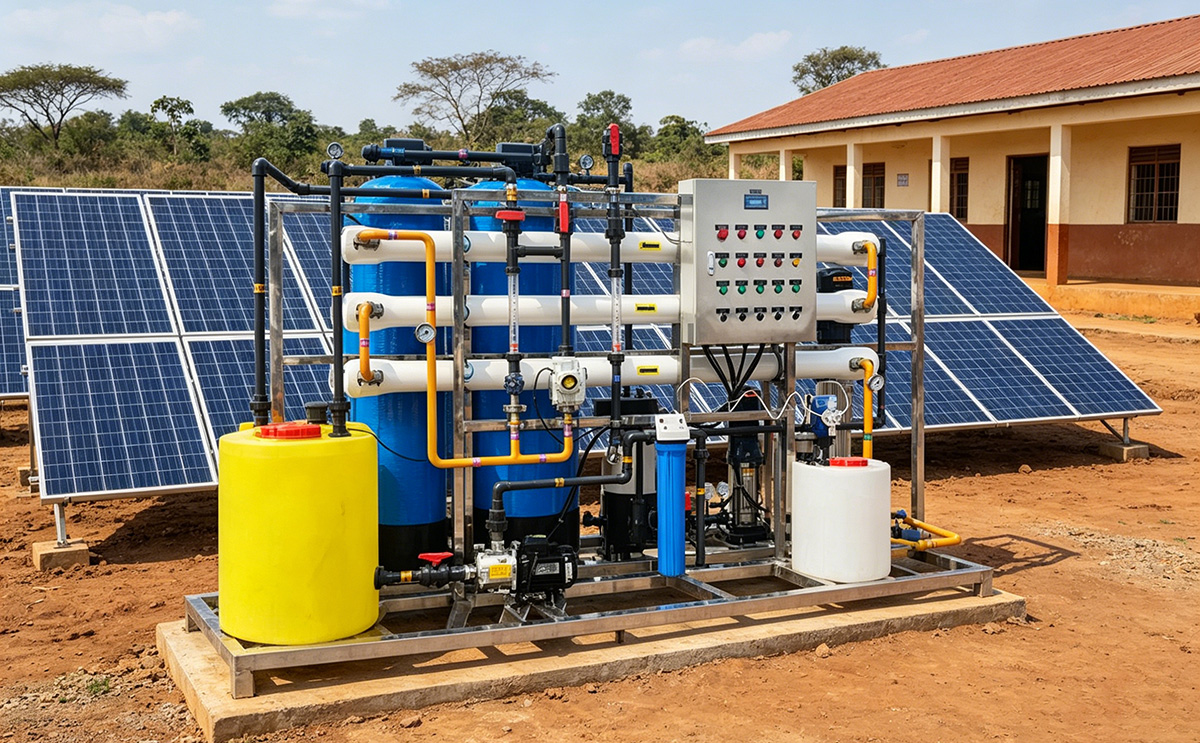
Remote schools, rural health clinics, and community centers in off-grid areas require reliable access to safe water for basic sanitation, food preparation, and healthcare delivery. Solar-powered water treatment machines designed for public facility deployment provide uninterrupted, low-maintenance water supply — directly improving health outcomes and quality of life for the communities they serve.