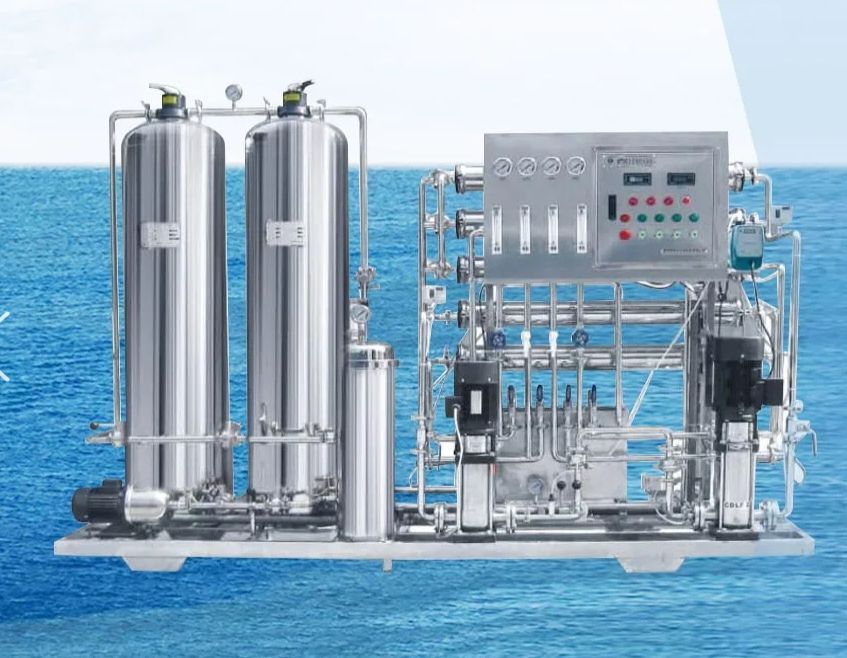
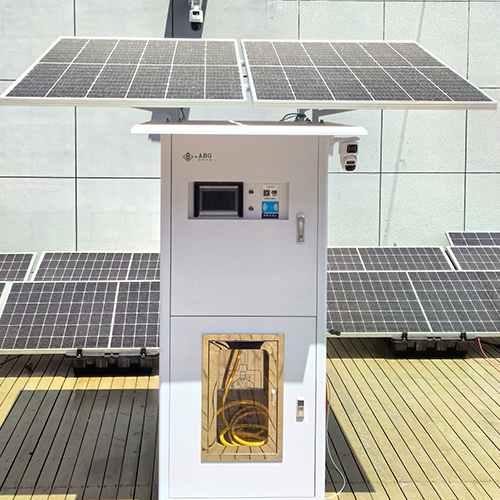
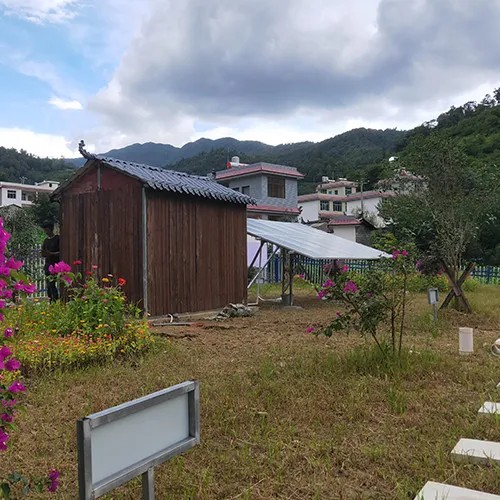
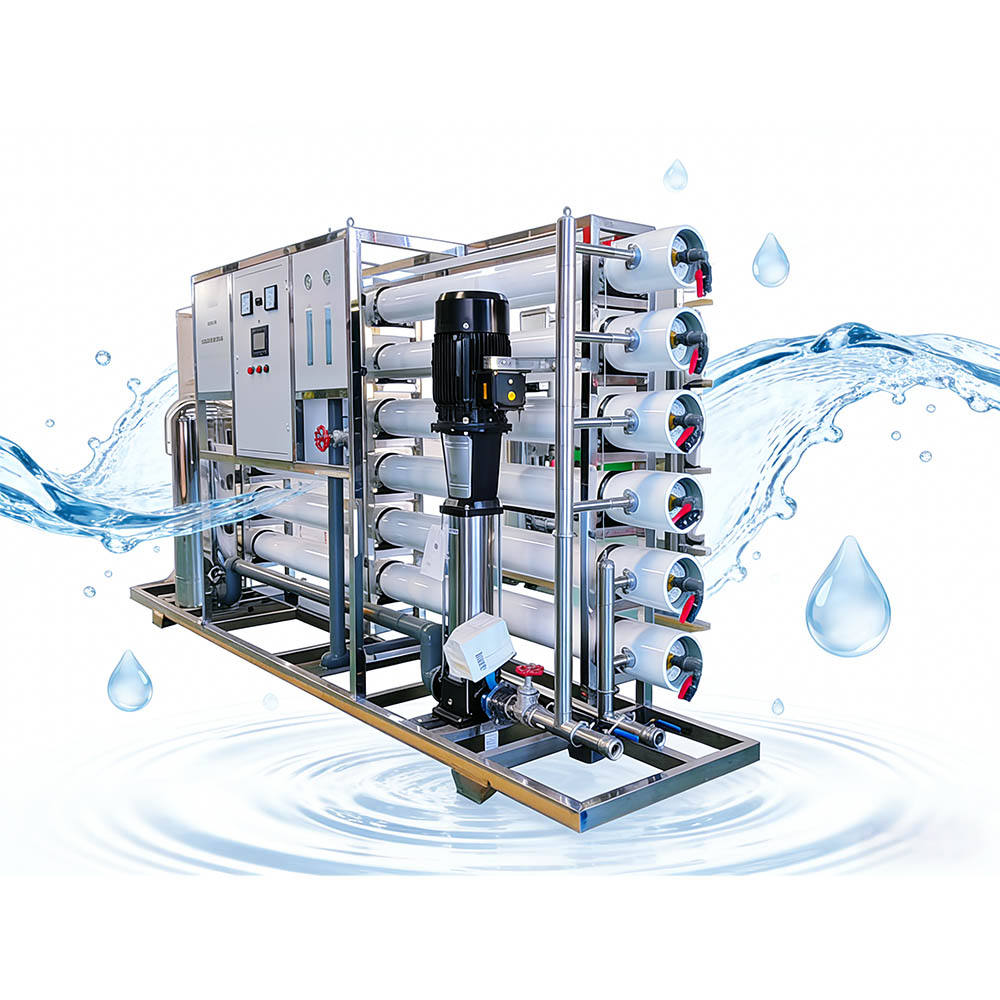
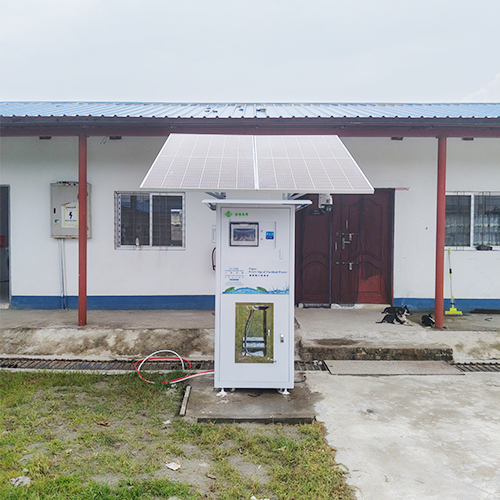
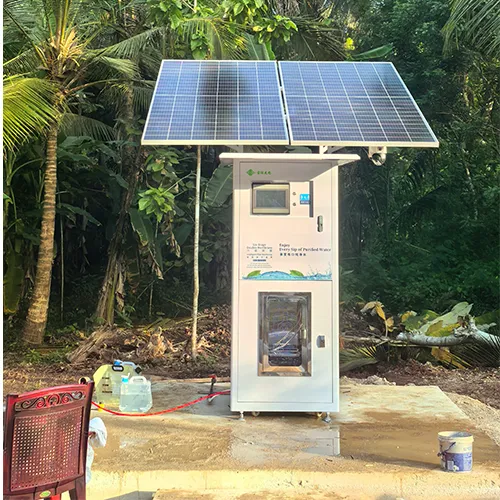
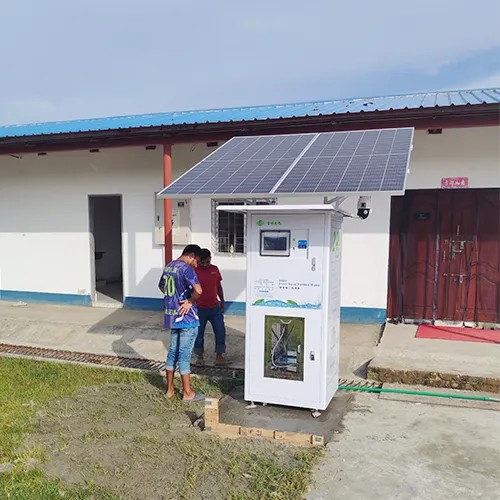
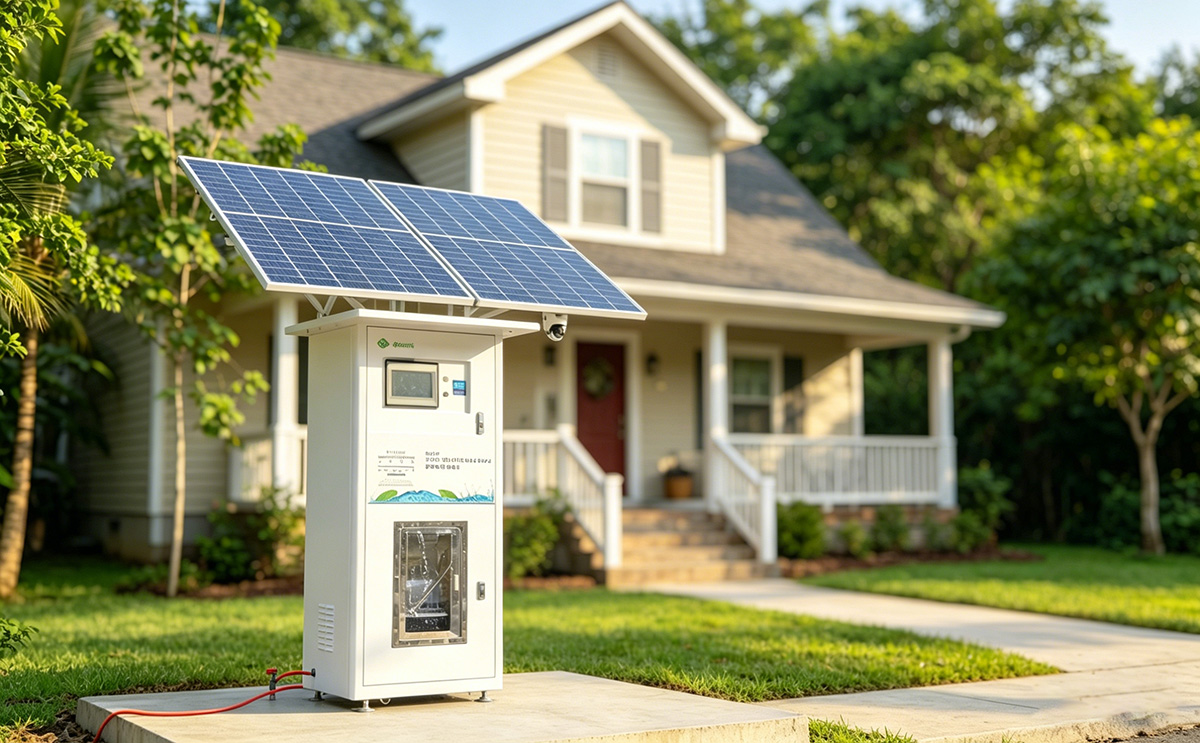
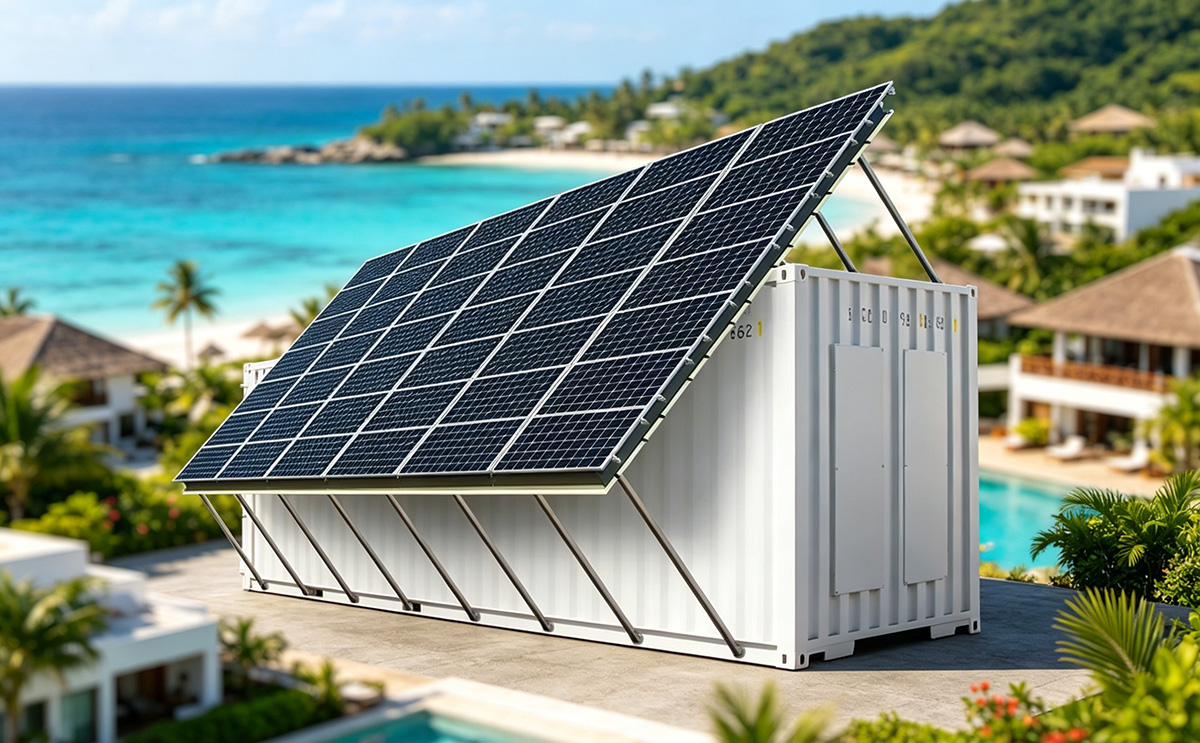
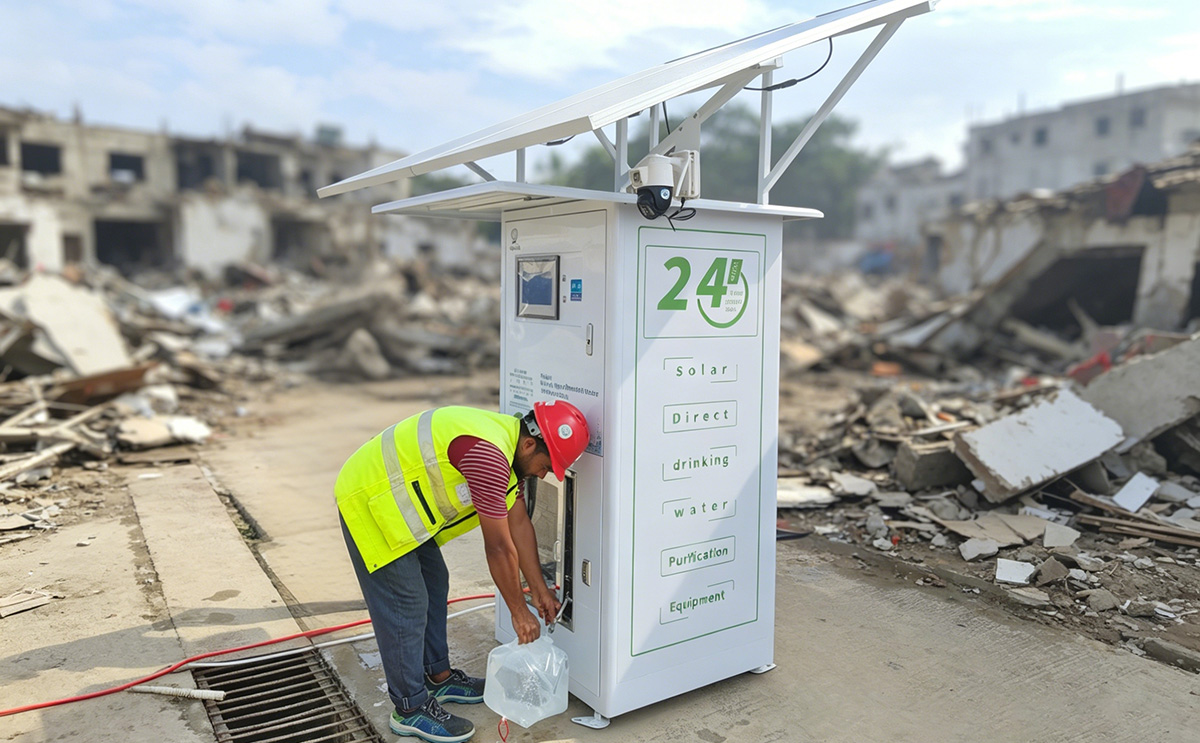
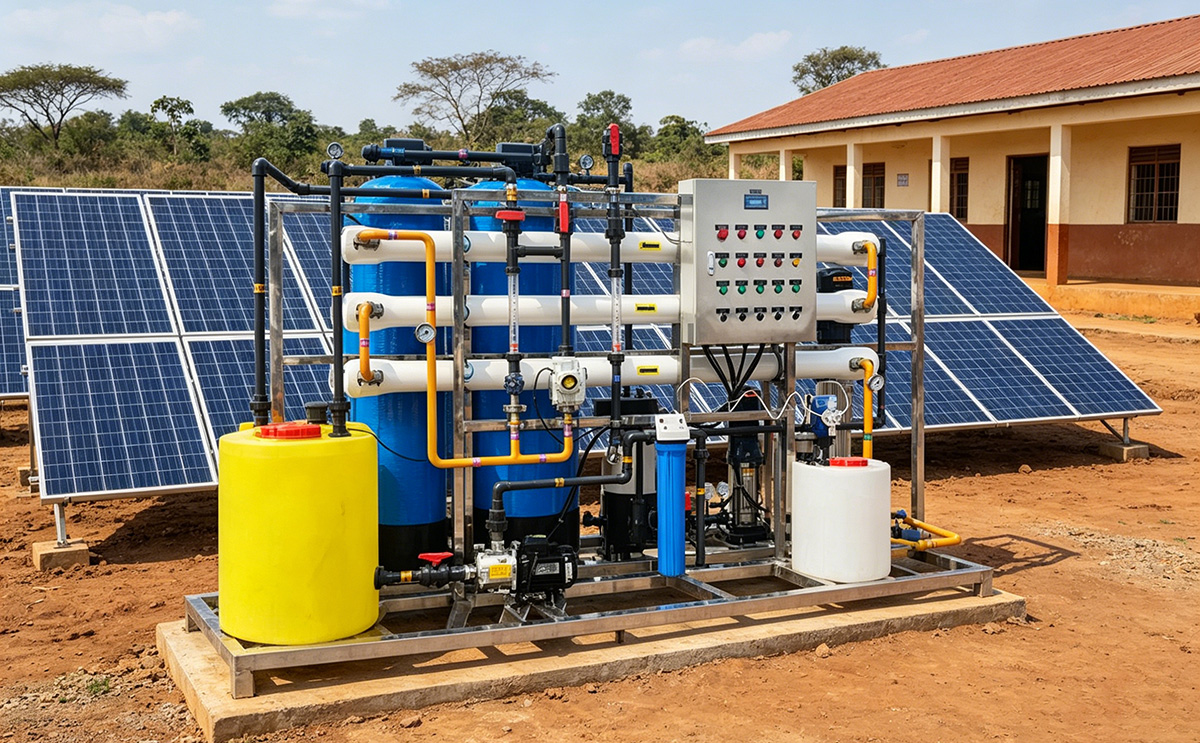
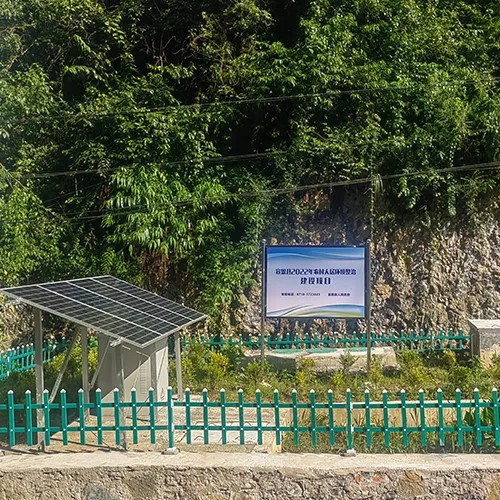
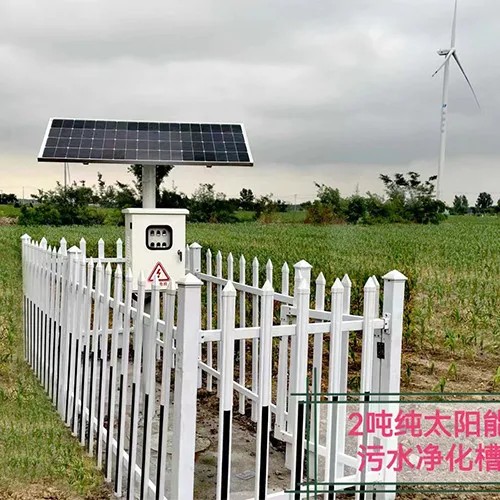
Purpose-built systems delivering clean water and responsible wastewater management for eco-tourism operations.
The global eco-tourism sector has emerged as one of the fastest-growing segments within the broader hospitality and travel industry. Valued at over $338 billion in 2023, it is projected to surpass $700 billion by 2032, driven by a rising wave of environmentally conscious travelers who demand authenticity, sustainability, and minimal ecological footprints. At the heart of every responsible eco-resort lies a non-negotiable operational imperative: a reliable, clean, and sustainable water supply.
Across tropical islands, mountain rainforests, coastal wilderness lodges, and savanna safari camps, water treatment infrastructure has historically been one of the most complex and costly challenges operators face. Remote locations often sit far beyond municipal water grids. Groundwater may be brackish, saline, or contaminated with biological and chemical pollutants. Diesel-powered conventional treatment plants carry enormous fuel logistics costs, carbon liabilities, and operational vulnerabilities.
This reality is reshaping the water treatment equipment market at a structural level. According to industry analysts, the off-grid and decentralized water treatment market — particularly solutions powered by solar energy — is experiencing a compound annual growth rate (CAGR) exceeding 11% between 2024 and 2030. Eco-tourism operators, resort developers, and island hospitality groups represent a rapidly expanding commercial buyer segment, increasingly demanding turnkey, solar-integrated water and wastewater management systems that eliminate grid dependency entirely.
The commercial procurement landscape for water treatment in eco-tourism is no longer dominated solely by small boutique lodges. Mid-scale resort chains, international eco-hospitality brands, and government-backed rural tourism development programs are now placing bulk orders for modular, scalable water systems. Procurement decisions are heavily influenced by three converging factors: ESG compliance mandates, green certification requirements (such as EarthCheck, Green Globe, and LEED), and the operational cost calculus of diesel elimination. A solar-powered reverse osmosis (RO) system with zero recurring fuel costs can achieve full return on investment within 18–36 months in high-consumption resort settings, making the commercial case compelling even for budget-conscious operators.
Key Insight: Over 60% of eco-resorts worldwide are located in areas with no reliable grid electricity, making solar-powered water treatment not merely a sustainability choice — but an operational necessity. Systems that combine solar RO drinking water production with MBR wastewater recycling can reduce a resort's freshwater consumption by up to 70% through greywater reuse for irrigation.
The Asia-Pacific region — particularly Southeast Asia, Pacific island nations, and the Indian Ocean archipelago — accounts for the largest single demand cluster for off-grid resort water systems. The Maldives, Seychelles, Palau, Fiji, and Indonesia collectively represent hundreds of island resorts requiring independent water infrastructure. Africa's safari and wilderness lodge sector is the second-largest growth market, with operators in Kenya, Tanzania, Botswana, and South Africa rapidly upgrading from diesel plants to solar-integrated systems.
Latin America's eco-lodge sector — spanning Costa Rica, the Amazon basin, the Galápagos Islands, and Patagonia — represents a third high-growth market. Stringent national environmental protection regulations in these jurisdictions are mandating zero-discharge wastewater standards, accelerating adoption of membrane bioreactor (MBR) technology for sewage treatment at resort sites.
In parallel, the Middle East and Caribbean are seeing significant growth in luxury eco-resort development, where sustainability branding is a primary marketing differentiator. Water treatment systems capable of producing World Health Organization (WHO)-compliant drinking water from seawater or brackish sources, while simultaneously treating all sewage to irrigation-grade effluent, have become a core specification in resort development tenders.

Eco-tourism market projected value by 2032
CAGR of off-grid solar water treatment market (2024–2030)
Freshwater reduction achievable via solar RO + MBR greywater reuse
Six technology and business megatrends are redefining water management for eco-resorts and sustainable tourism developments through 2030.
Next-generation pure solar water treatment eliminates the need for battery banks in many climates, using intelligent variable-frequency drive (VFD) pump controllers that modulate output to match real-time solar irradiance. This reduces system complexity, capital cost, and maintenance overhead significantly.
Premium eco-resorts are increasingly specifying zero-discharge water cycles — combining RO drinking water production, MBR sewage treatment, and constructed wetland polishing into a closed-loop system where 100% of wastewater is reused for irrigation or toilet flushing, achieving genuine water circularity.
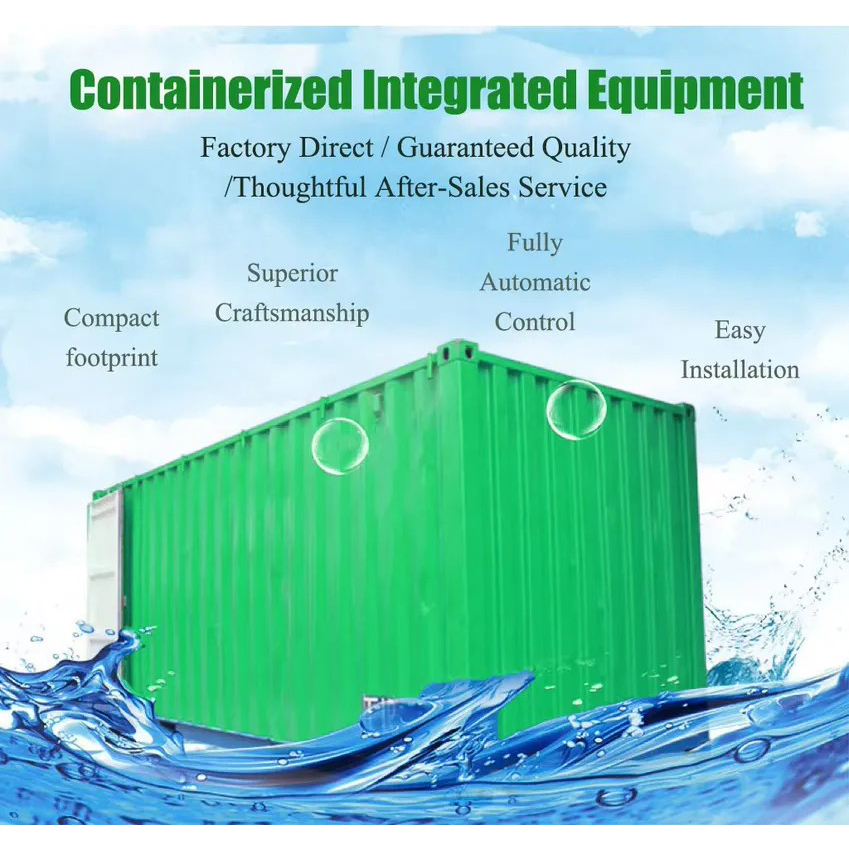
40ft containerized water treatment plants that arrive fully factory-assembled and commissioned are transforming project deployment timelines from months to days. For remote island resorts accessible only by boat or helicopter, this approach eliminates on-site installation complexity and skilled labor requirements.
Cloud-connected smart controllers with real-time water quality sensors, predictive maintenance algorithms, and remote diagnostic capability allow resort operators to manage their entire water system from a smartphone. AI-driven dosing optimization reduces chemical consumption by up to 30%.
Fourth-generation MBR membranes with enhanced fouling resistance, 40% lower energy demand, and 15-year operational lifespan are making biologically treated effluent suitable for unrestricted irrigation and toilet flushing — a critical capability for water-scarce island and arid eco-resort environments.
Pressure exchanger energy recovery devices (ERDs) are now being integrated into compact island resort desalination systems, recovering up to 95% of the hydraulic energy from the RO reject stream — reducing the solar panel array requirement and total system footprint by 30–40% compared to previous generation designs.
A detailed look at the most critical operational environments where advanced water treatment is transforming eco-tourism viability and guest experience.
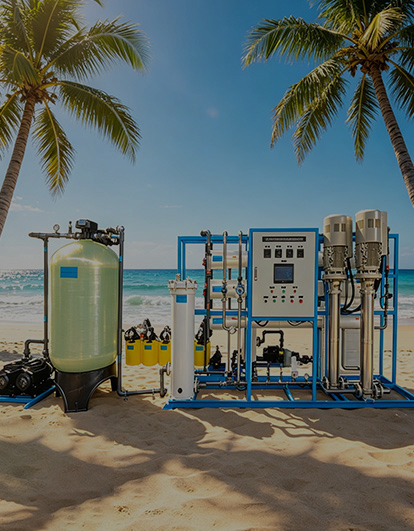
Islands with no freshwater aquifers rely entirely on desalinated seawater. A solar-powered 1000–5000 LPH reverse osmosis seawater desalination system can supply all drinking, cooking, and sanitation water needs for a 50–200 guest resort — with zero fuel cost. Combined with an MBR sewage treatment unit, 100% of wastewater is recycled for garden irrigation, achieving true water self-sufficiency.
Surface water sources in rainforest and savanna environments contain high turbidity, biological contamination, and in some regions, heavy metals. A compact solar RO system with multimedia pre-filtration and UV disinfection converts river or borehole water to WHO-standard drinking water. Decentralized solar MBR systems process sewage on-site, protecting sensitive ecosystems from nutrient contamination.
Marine tourism vessels require compact, vibration-resistant desalination systems that produce drinking water from seawater underway. Ship-specific brackish water RO units with modular design and stainless-steel construction handle the demanding marine environment, while integrated UV sterilization ensures microbiological safety for passengers and crew.
The luxury glamping segment demands five-star water quality in zero-infrastructure locations. Portable or semi-permanent solar water purification units deliver consistently pure drinking water, while compact aerobic sewage treatment systems manage waste from en-suite bathroom facilities — maintaining pristine site ecology essential to the premium guest proposition.
Scientific research stations and marine park visitor facilities in protected coastal zones face stringent zero-discharge environmental compliance requirements. Solar-powered wastewater treatment systems with tertiary treatment polishing (UV + membrane filtration) produce effluent meeting the most demanding marine discharge standards, protecting sensitive coral reef and mangrove ecosystems.
High-altitude glacier-fed streams may carry microplastic contamination and parasitic organisms. Compact solar RO systems with activated carbon post-treatment provide NSF-certified drinking water at altitude, while small-scale solar aerobic digesters manage organic waste from trekker accommodation, replacing pollution-causing pit latrines on sensitive mountain trails.
Seawater, borehole, river, or rainwater harvesting feeds the system.
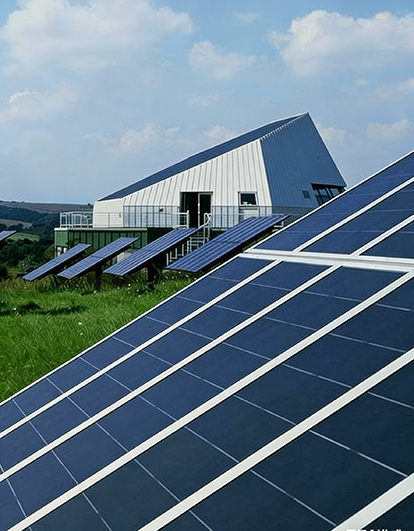
PV panels power pumps and treatment processes with zero grid dependency.
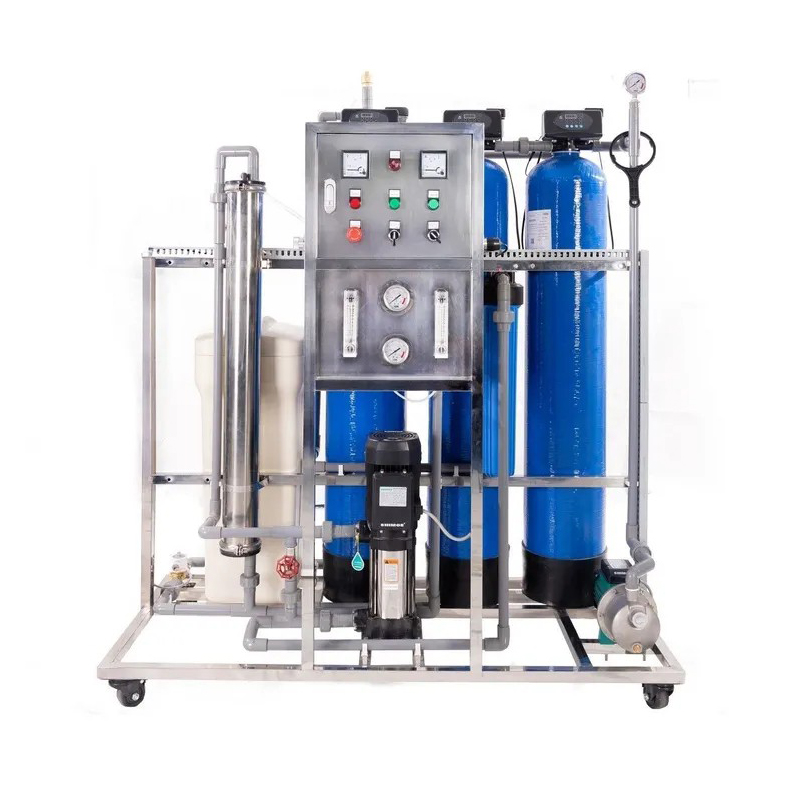
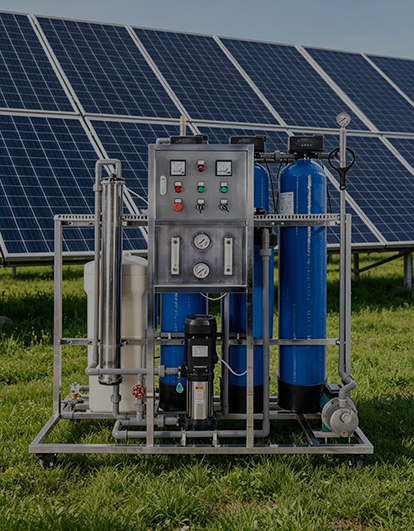
Multimedia filtration + reverse osmosis removes salts, heavy metals, and pathogens.
Treated water stored in food-grade tanks, distributed to guest facilities by pressure pump.
All resort sewage treated biologically to irrigation-grade effluent standard.
Treated effluent reused for landscape irrigation, closing the water loop sustainably.
We are committed to providing customers with efficient, environmentally friendly and sustainable solutions.

Place of Origin: Anhui, China
Brand Name: BL
Certification: ISO9001, ISO14001, ISO45001, CQC
Model Number: BLCT-G050

Place of Origin: Anhui, China
Brand Name: BL
Certification: ISO9001, ISO14001, ISO45001, CQC
Model Number: BLCT-G050

Place of Origin: Anhui, China
Brand Name: BL
Certification: ISO9001, ISO14001, ISO45001, CQC
Model Number: BLCT-G050


Baode's one-stop energy-saving solutions cut costs, boost efficiency and turn energy-intensive enterprises into energy-saving benchmarks, winning wide acclaim.


Fully solar-powered for complete, off-grid energy independence.


Flexible, building-block design adapts to diverse application scenarios.


Built for harsh, unmanned areas with minimal maintenance required.


One-time investment enables long-term, zero-carbon and zero-cost operation.
Off-Grid Water Ecosystem
Zero-Carbon Tourism
Green Irrigation
Emergency Water Unit
Public Facility Solutions
Applications & Case
Application
At Baolv Optoelectronics, We provide tailored solar-powered water and energy systems that empower resilience and sustainable growth from remote areas to emergency scenarios.
Go to Project Applications


Anhui Baolv(ABG) Photoelectric Environmental Protection Equipment Co., Ltd.
Anhui Baolv(ABG) Photoelectric Environmental Protection Equipment Co., Ltd. is a high-tech enterprise wholly owned by Anhui Baolv Photoelectric Engineering Co., Ltd., focusing on R&D and manufacturing of software and hardware for pure solar-powered water environmental protection equipment. We are committed to providing customers with efficient, environmentally friendly and sustainable solutions.
LEARN MORE12 Years of Dedicated Experience
52+ Product Patents & Software Copyrights
13,500+ Global Water Projects

countries
Explore our full range of solar-powered water treatment and wastewater management products designed for sustainable hospitality and off-grid applications.