In-Depth Guide
The Complete Guide to Water Treatment Systems for Off-Grid Living
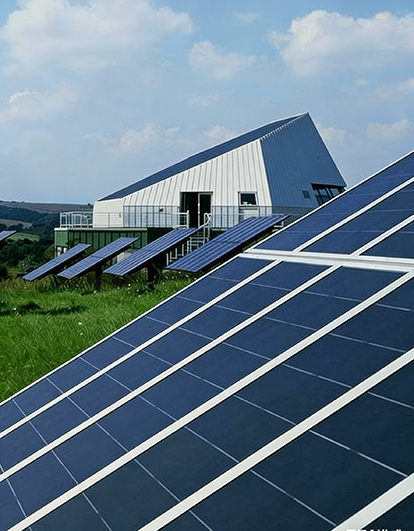
Access to clean, safe water is the single most critical factor in any off-grid lifestyle — whether you are homesteading in a remote valley, managing an eco-resort, operating a farm far from municipal infrastructure, or responding to a humanitarian emergency. Modern solar-powered water treatment systems have fundamentally transformed what is possible outside the grid, making self-sufficient water independence a practical, affordable and sustainable reality for millions of people worldwide.
💧
Why Off-Grid Water Treatment Matters Now More Than Ever
Over 2.2 billion people globally still lack access to safely managed drinking water services. Meanwhile, the off-grid and decentralized living movement is accelerating — driven by climate awareness, rising utility costs, rural development initiatives and a surge in eco-tourism. The convergence of solar energy, membrane filtration and IoT monitoring has made decentralized water treatment systems not just viable, but technologically superior to many centralized alternatives in remote contexts.
What Are Off-Grid Water Treatment Systems?
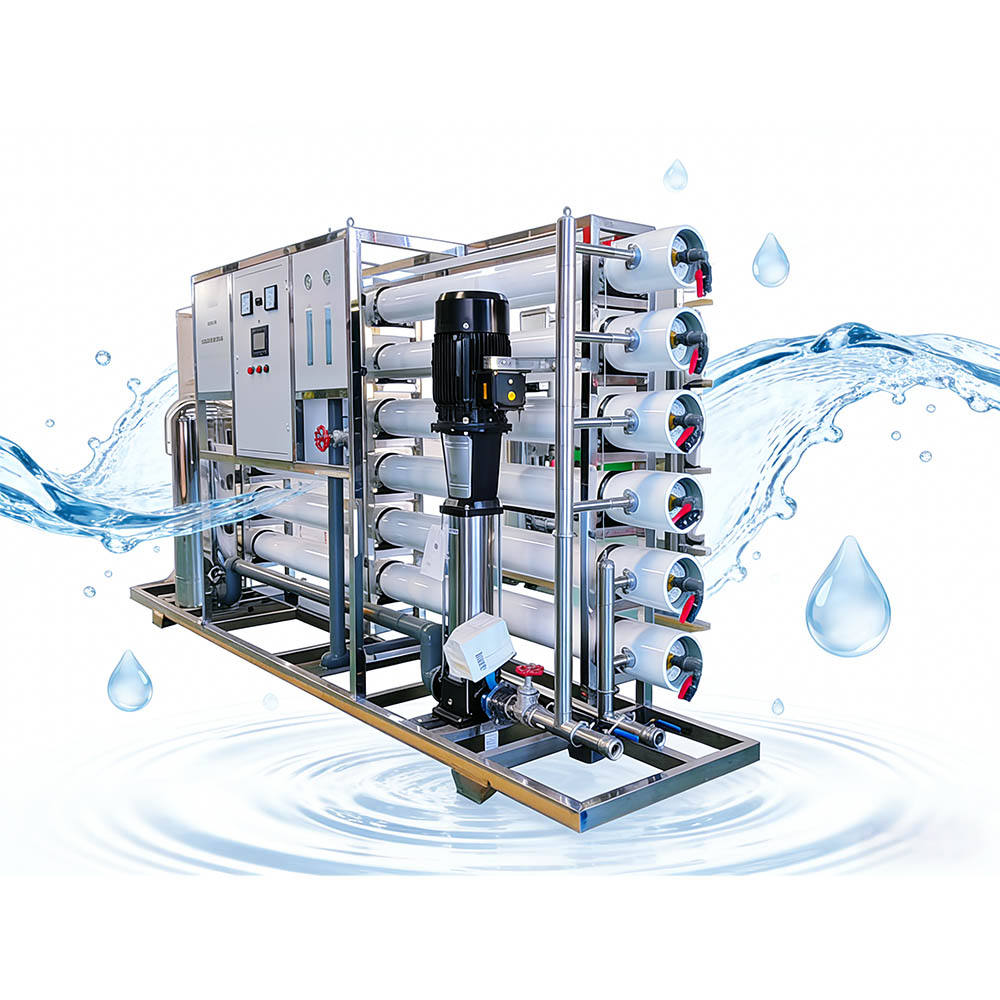
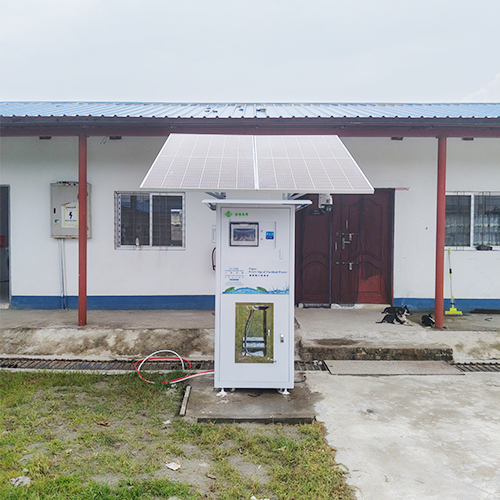
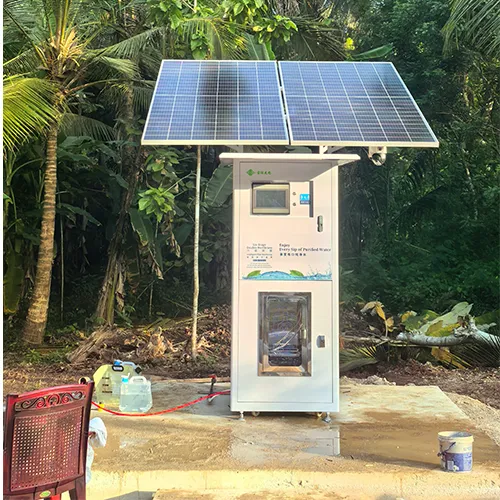
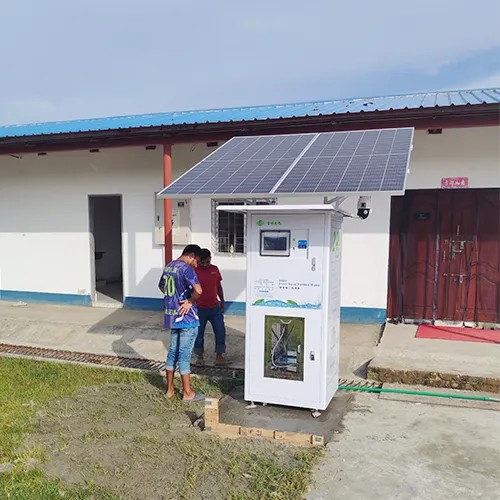
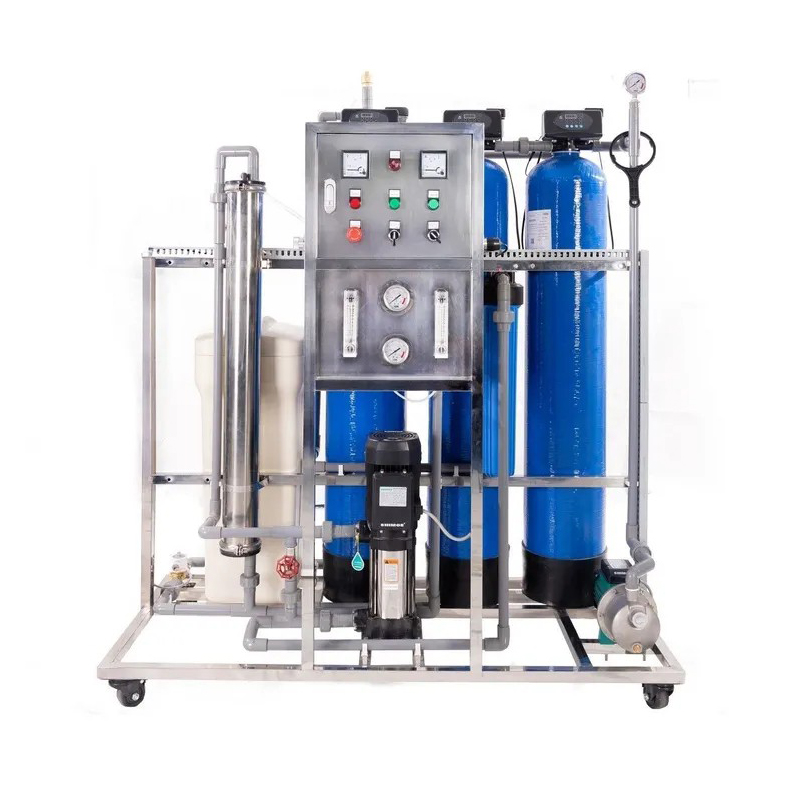
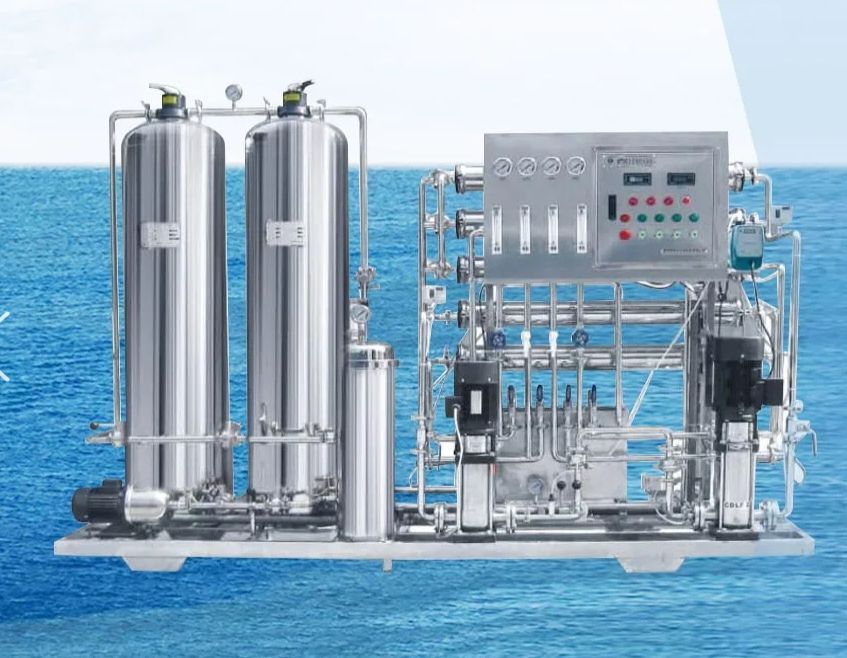
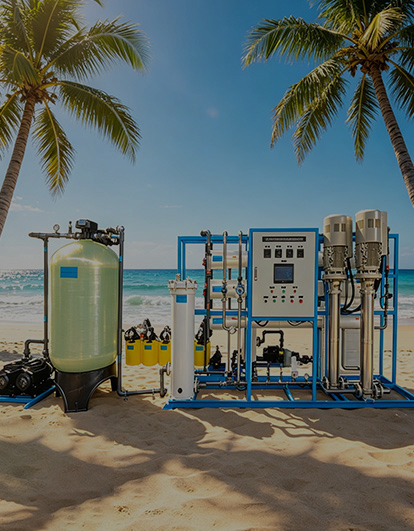
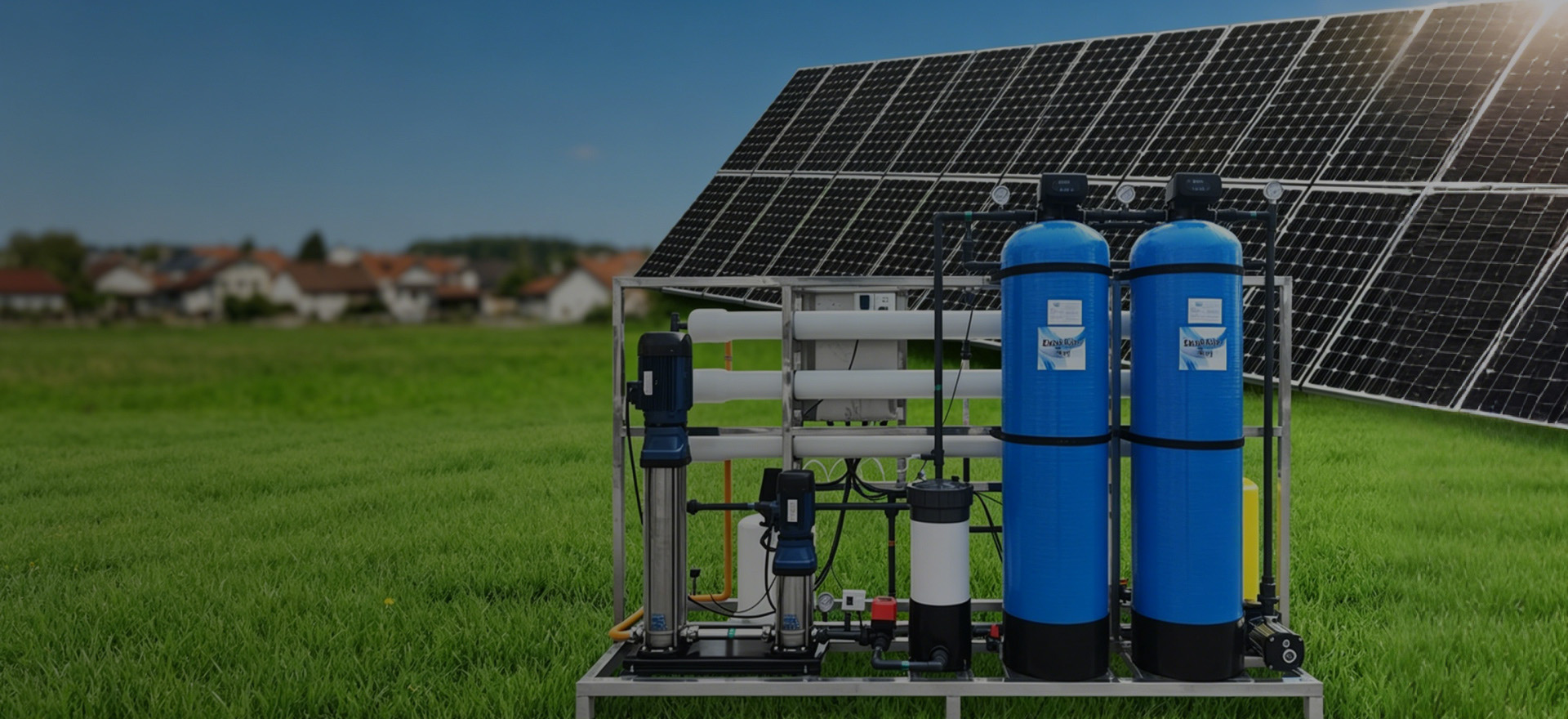
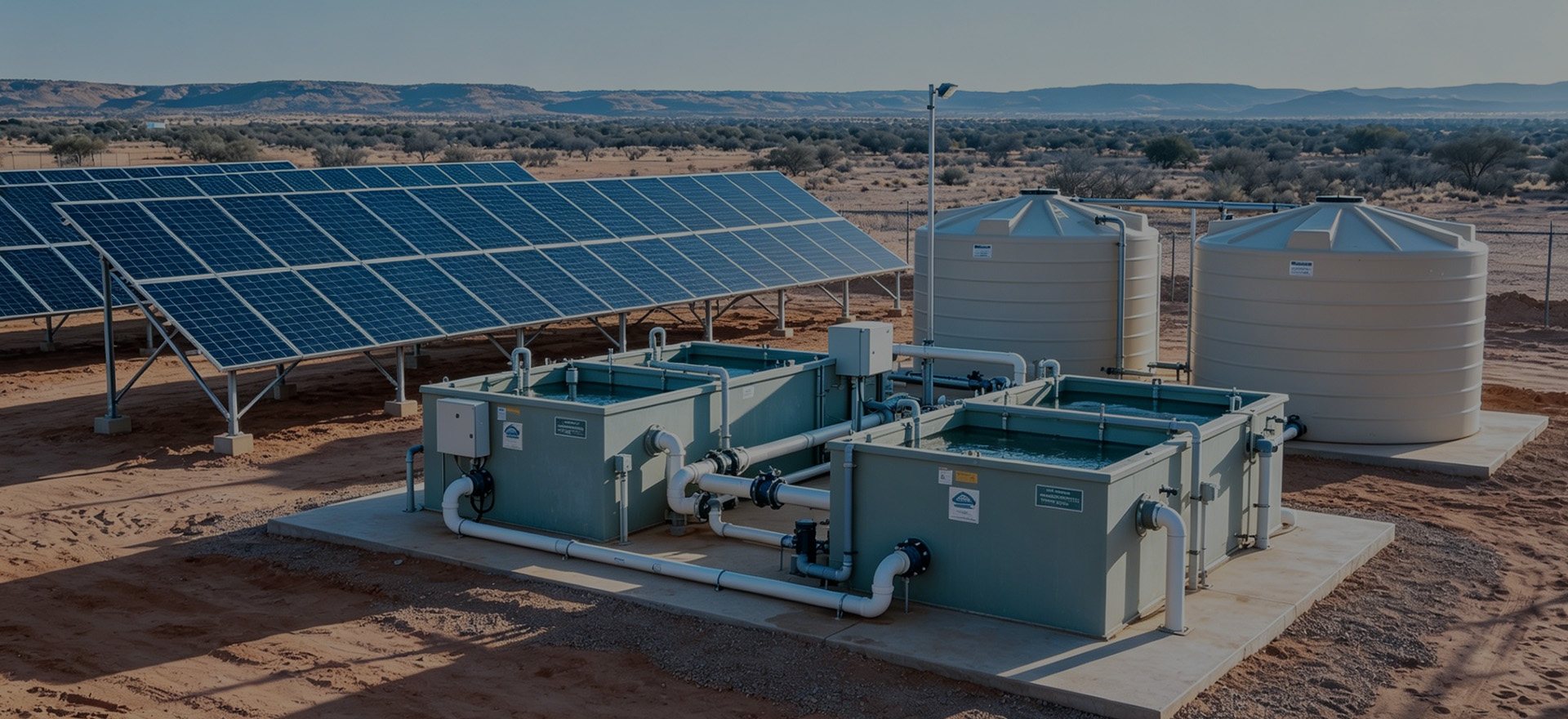
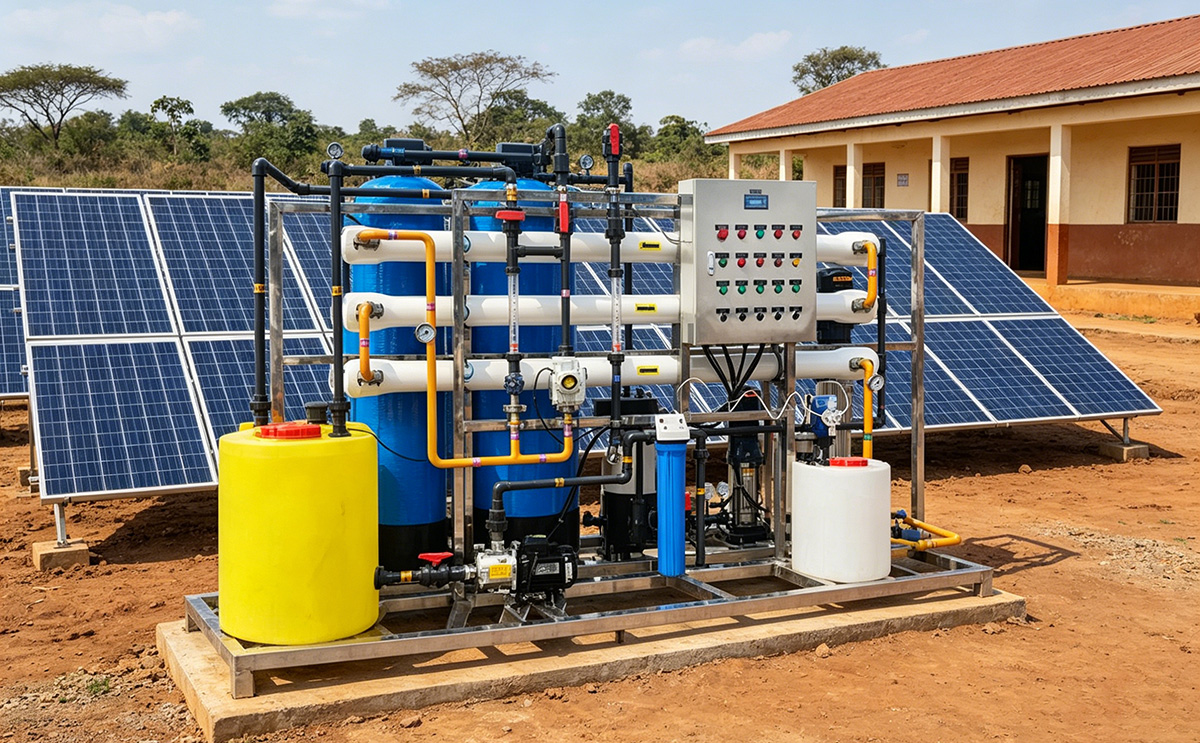
Off-grid water treatment systems are self-contained, energy-autonomous installations designed to purify, filter, soften, desalinate or treat wastewater without relying on public utilities or grid electricity. They typically integrate photovoltaic solar panels as the sole energy source, paired with battery storage or direct-drive systems, and incorporate multi-stage filtration technologies such as Reverse Osmosis (RO), Membrane BioReactor (MBR), UV sterilization and activated carbon filtration.
Unlike traditional centralized water plants that require massive civil infrastructure and continuous grid power, off-grid systems are compact, modular and deployable in days rather than years. They serve a wide spectrum — from a single rural household needing 50 liters per day of drinking water to an industrial-scale resort or agricultural facility requiring thousands of liters per hour.
Commercial & Industrial Landscape: Market Status in 2025
The global off-grid and decentralized water treatment market was valued at approximately USD 28 billion in 2024 and is projected to surpass USD 52 billion by 2030, growing at a CAGR of over 10.5%. This growth is driven by four converging forces: expanding rural electrification failures, climate-related water stress, the booming eco-hospitality sector and international development funding for water security in emerging economies.
On the industrial and commercial side, operators of remote mining camps, offshore platforms, island resorts, military installations and disaster-response NGOs represent the highest-value customer segments. These users demand systems that are ruggedized for harsh environments, capable of unattended autonomous operation, and designed for the lowest possible total cost of ownership (TCO) over a 10–20 year lifecycle. Solar-powered systems with zero fuel costs and minimal maintenance schedules deliver precisely this value proposition.
Manufacturers such as Anhui Baolv (ABG) Photoelectric Environmental Protection Equipment Co., Ltd. — with over 12 years of focused R&D, 52+ patents and 13,500+ completed global water projects — represent the leading edge of this industry, combining deep engineering expertise with scalable, modular product architectures that can address everything from a single rural home to a 10,000-person township.
Key Technology Trends Shaping the Future
🔬
AI-Driven Process Optimization
Machine learning algorithms now monitor turbidity, TDS, pH and flow rates in real time, automatically adjusting membrane pressures and chemical dosing to maximize efficiency and membrane life while minimizing energy consumption.
☀️
Direct-Drive Solar Integration
Next-generation systems eliminate battery banks entirely for daytime operation using MPPT-optimized variable-frequency drives, reducing capital costs by 20–35% and making the technology accessible to lower-income off-grid communities.
📡
IoT Remote Monitoring & Control
4G/satellite-connected control panels allow technicians to monitor system status, receive fault alerts and adjust operating parameters from anywhere in the world — drastically reducing the cost and frequency of on-site maintenance visits.
🧩
Modular Containerized Design
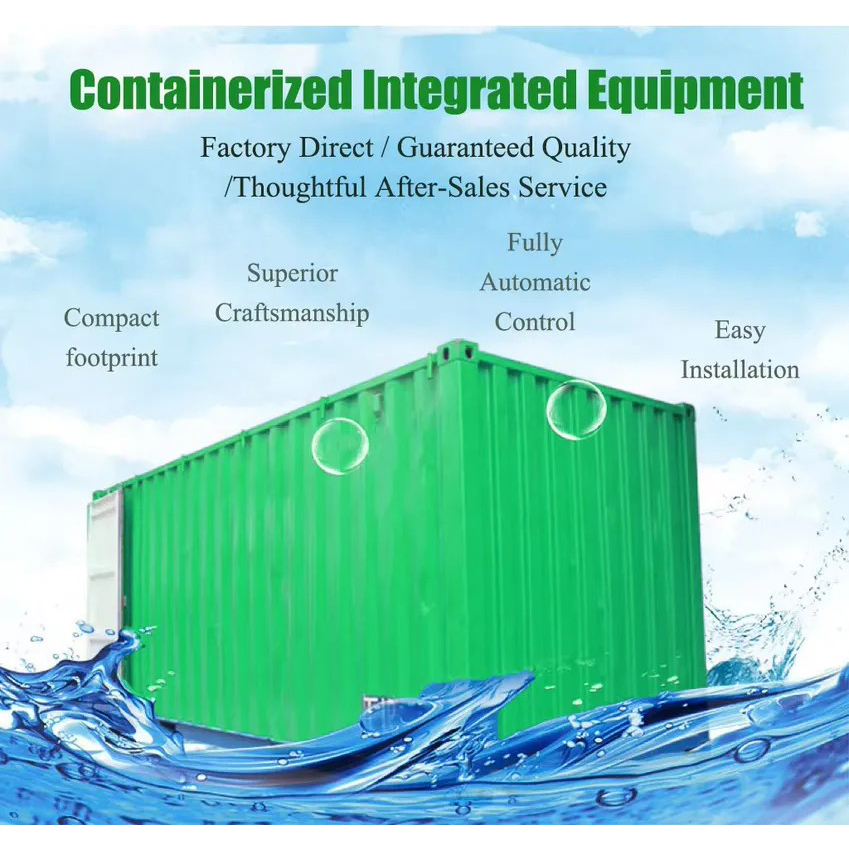
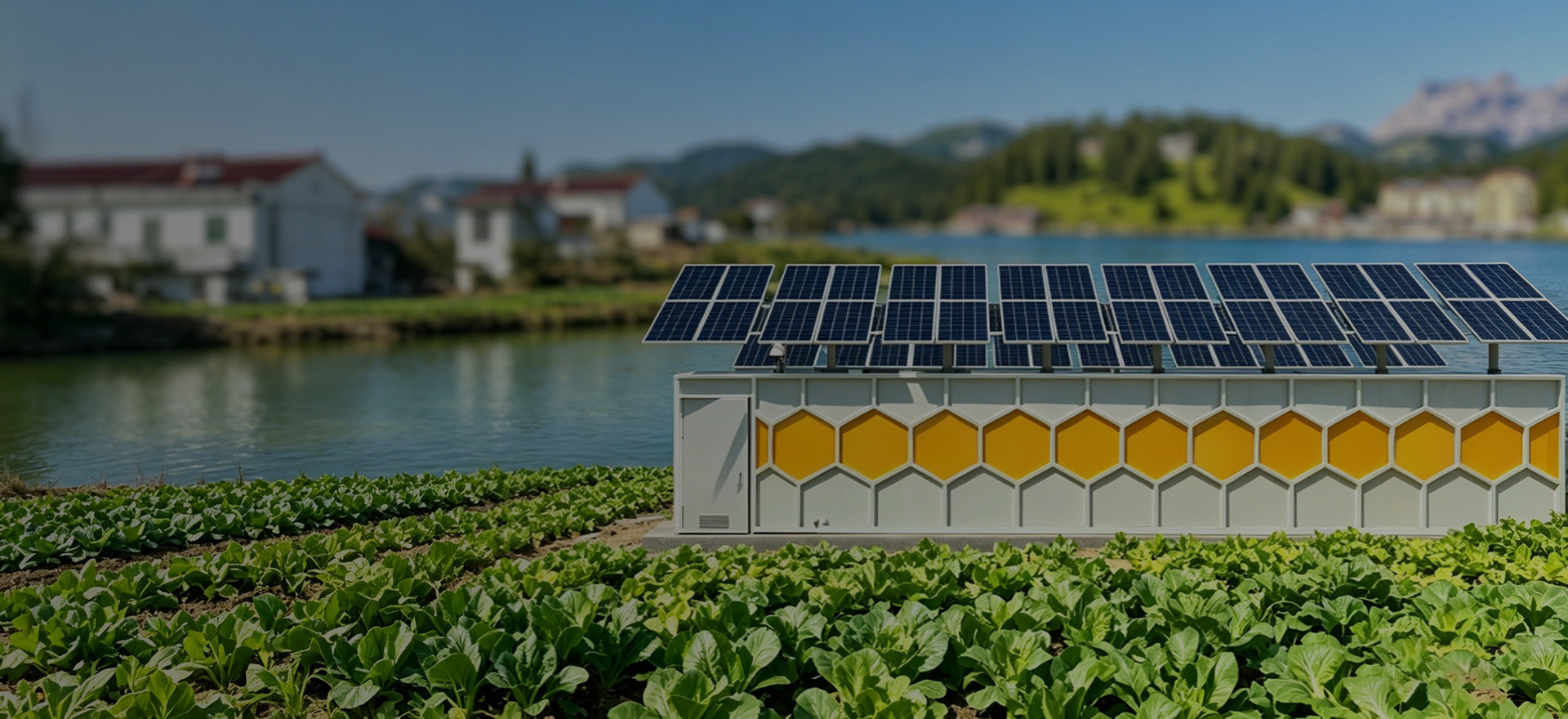
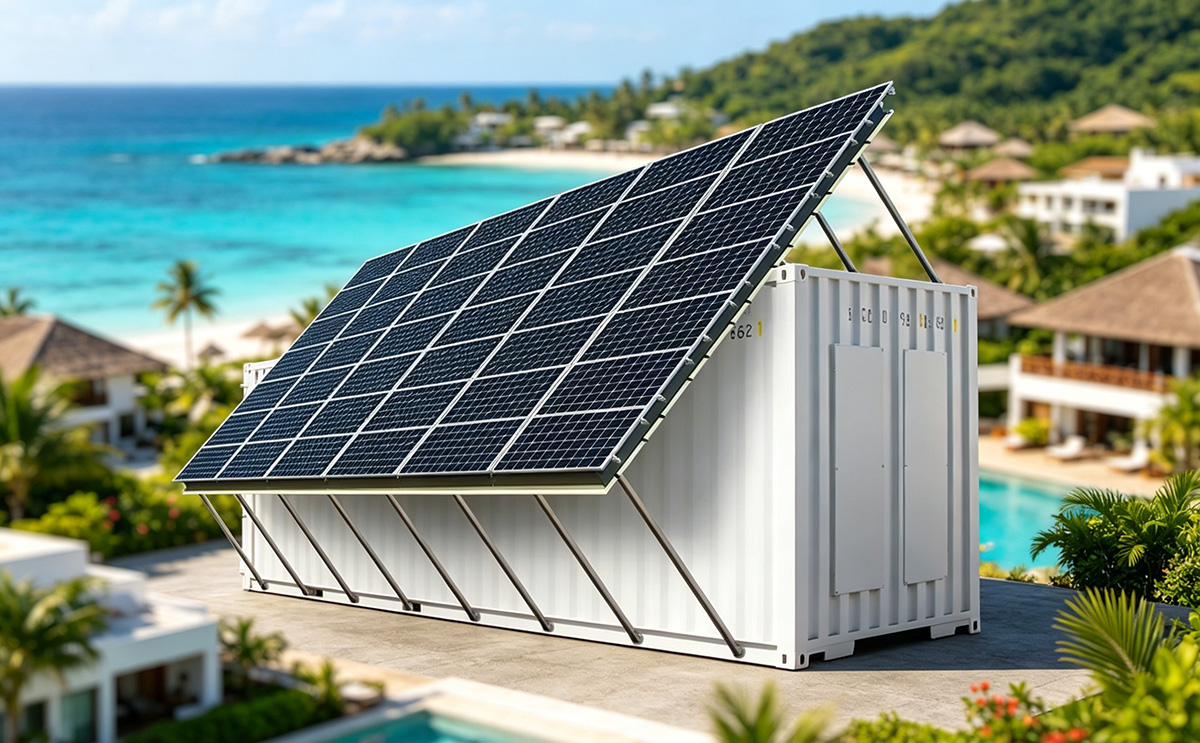
40-foot containerized systems arrive plug-and-play, pre-wired and pre-plumbed, reducing installation time from months to days and enabling rapid redeployment to new locations as needs evolve — ideal for emergency response and seasonal operations.
🌊
Advanced MBR & MBBR Technologies
Membrane Bioreactor (MBR) technology delivers effluent quality that meets or exceeds Class A standards for reuse in irrigation and toilet flushing, closing the water loop entirely and enabling truly zero-discharge off-grid facilities.
🔋
Hybrid Energy Storage Integration
Lithium iron phosphate (LiFePO4) battery integration with smart energy management systems ensures 24/7 water treatment capacity even during extended cloudy periods, making solar systems viable across all climatic zones globally.
Deep-Dive Application Scenarios
🏡 Off-Grid Residential Homesteads
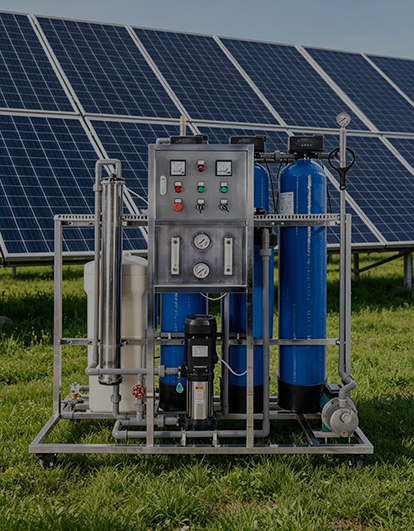
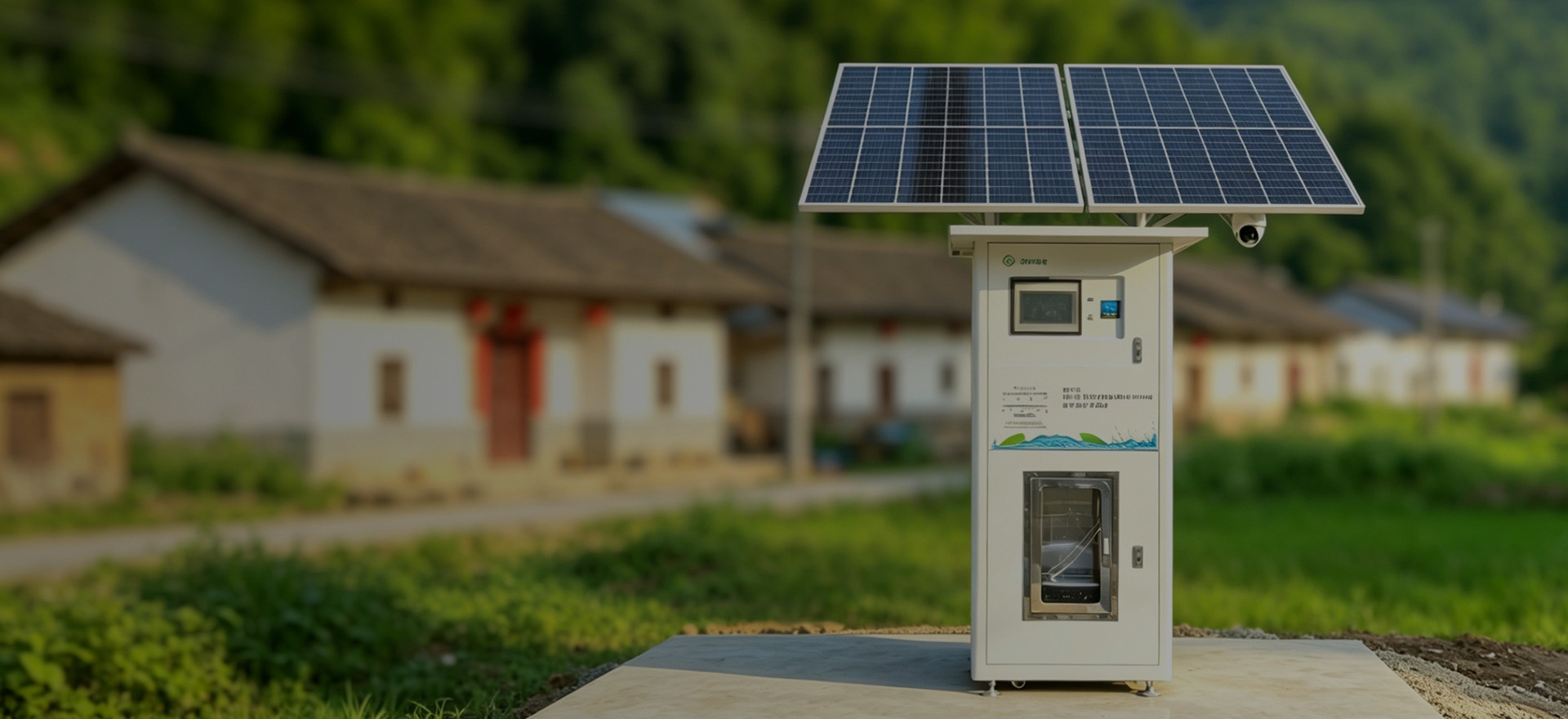
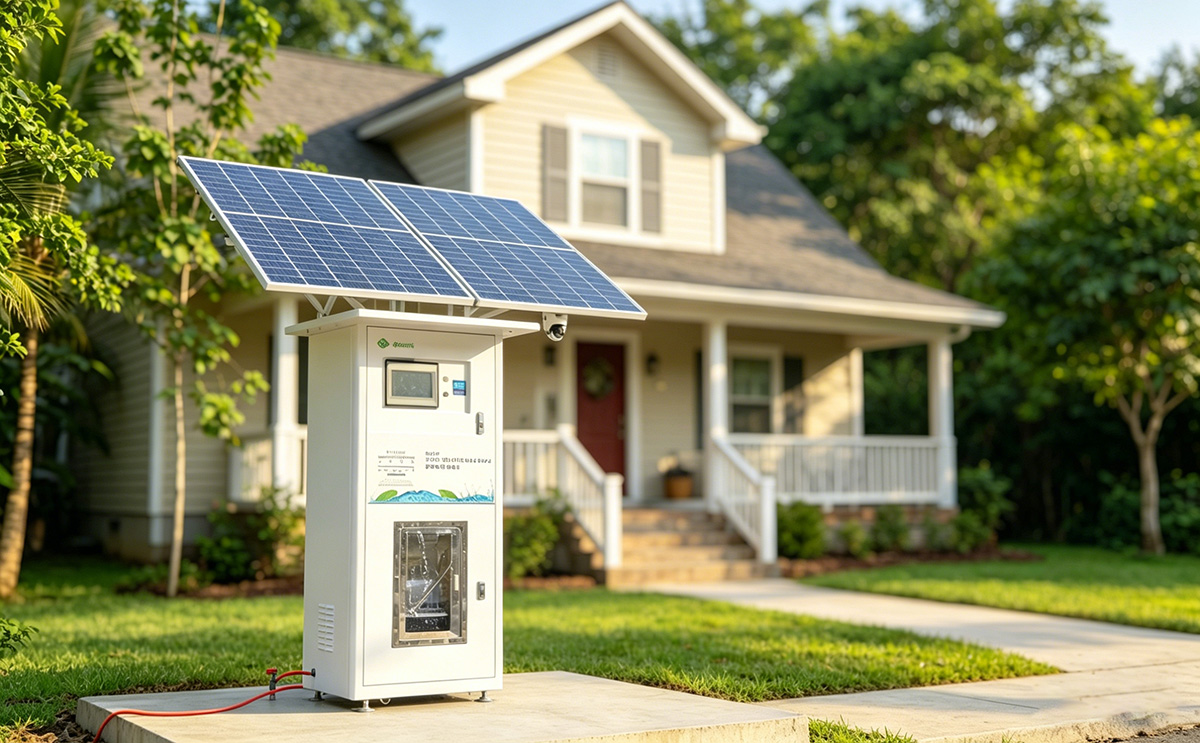
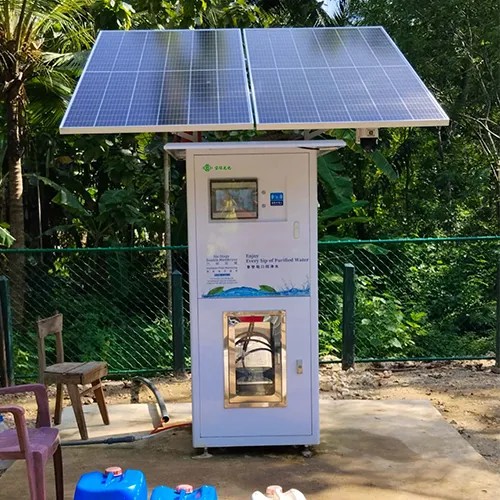
For rural households and remote homesteads, compact solar RO systems sized at 50–500 L/day provide pharmaceutical-grade drinking water from wells, rivers or rainwater harvesting. Combined with a compact MBR sewage treatment unit, the household achieves a completely closed water loop — purifying drinking water, treating greywater and blackwater, and recycling treated effluent for garden irrigation. This eliminates both the cost of bottled water and the environmental impact of untreated sewage discharge.
🌿 Eco-Resorts & Glamping Facilities
The premium eco-hospitality market demands that sustainable credentials be visible and tangible to guests. Solar-powered water systems serve as both functional infrastructure and marketing assets — demonstrating genuine zero-carbon water management. Systems for resorts typically combine large-scale solar RO for drinking water, solar submersible pumps for water supply, and solar MBR systems for sewage treatment, scaled to handle 50–500 guests with modular expansion capability as occupancy grows.
🌾 Remote Agricultural Operations
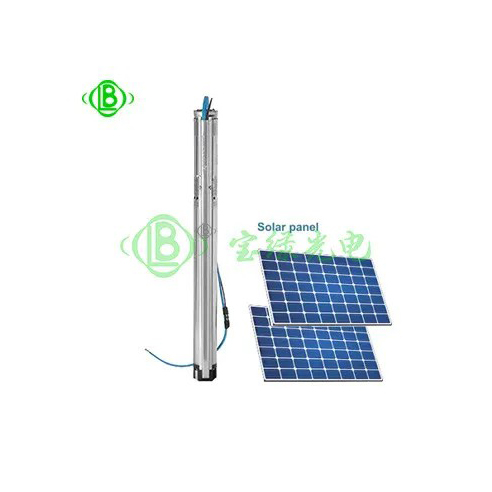
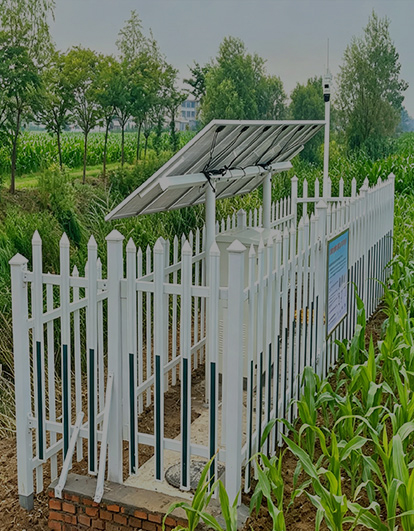
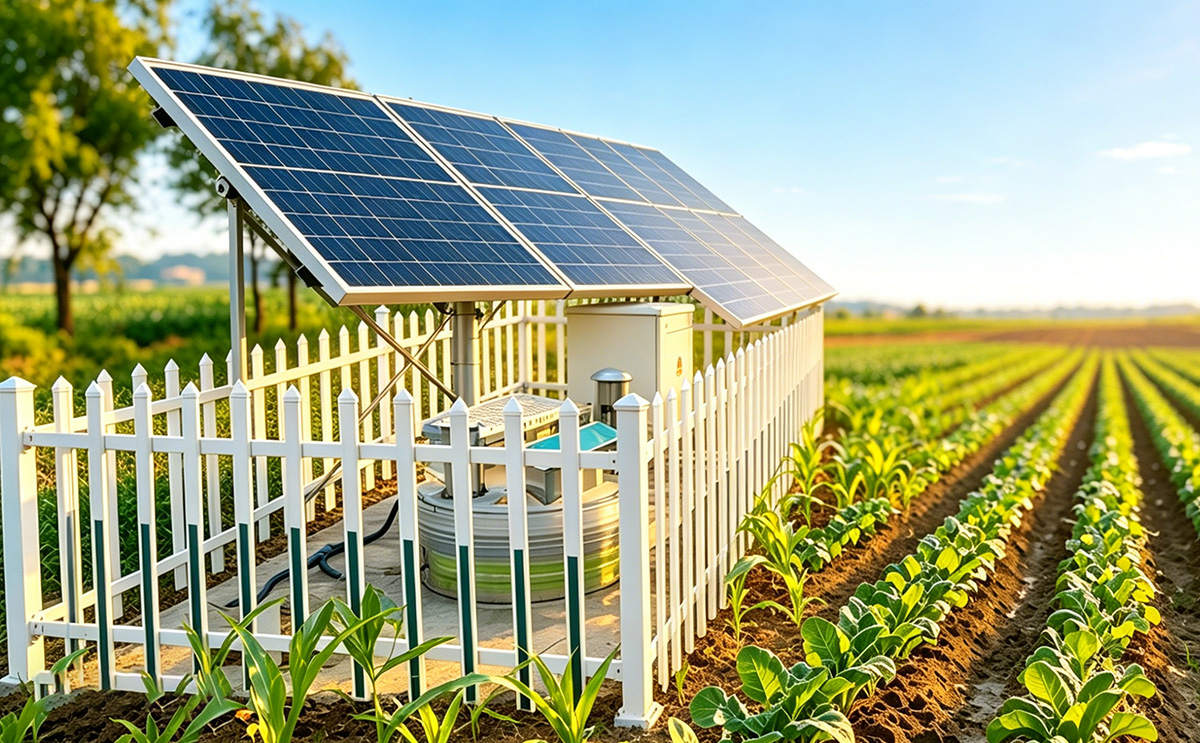
Solar submersible pumps with MPPT controllers have revolutionized off-grid irrigation, replacing diesel pumps with zero-fuel alternatives that deliver precise, scheduled water delivery from boreholes, rivers and reservoirs. For farms in water-stressed regions, solar RO systems purify brackish or contaminated groundwater for both human consumption and crop irrigation, improving yield quality and eliminating the health risks of untreated water sources.
🚨 Disaster Relief & Emergency Response
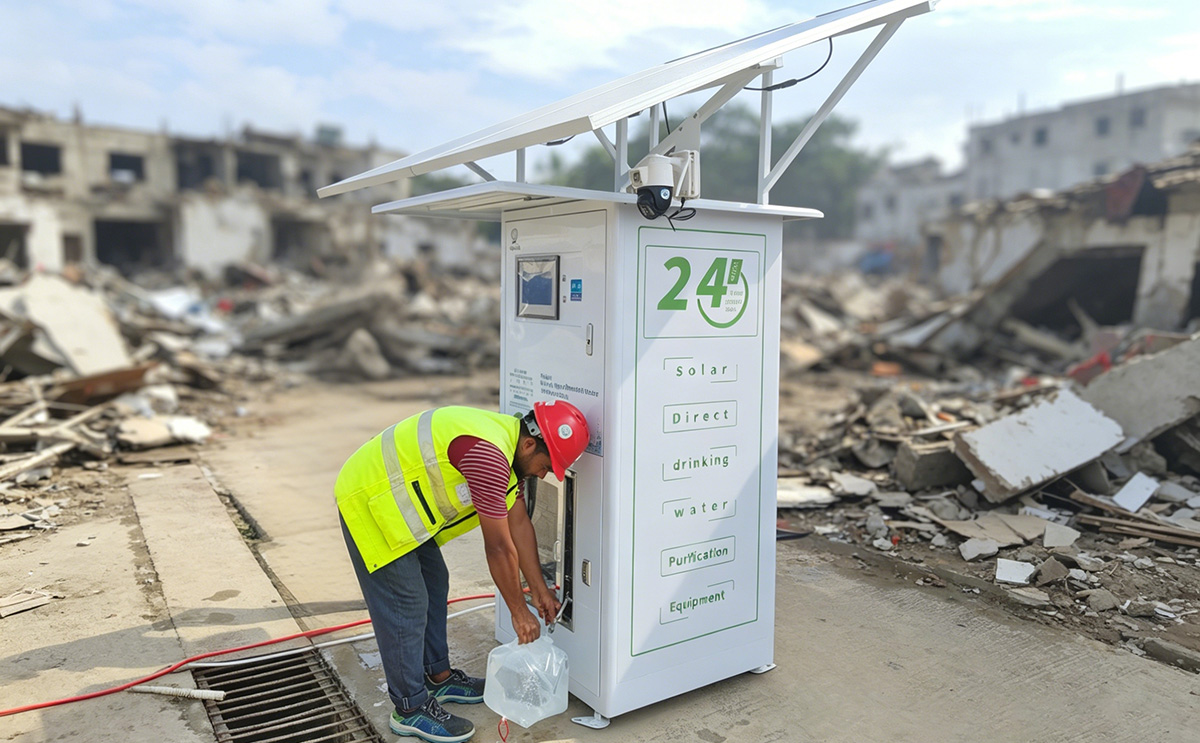
When earthquakes, floods or conflict destroy water infrastructure, rapid-deployment solar water units can be airlifted or trucked to disaster zones and producing safe drinking water within hours of arrival — with no grid connection required. These units are purpose-built for durability, simplicity of operation by non-technical personnel and the ability to treat heavily contaminated floodwater or brackish sources. NGOs and civil defense agencies increasingly pre-position these units as strategic reserves.
🏝️ Island Communities & Marine Applications
Small island communities and liveaboard vessels face unique water challenges — abundant seawater but no freshwater source. Solar seawater desalination systems using high-efficiency RO membranes can produce 500–50,000 L/day of potable water from seawater at energy costs 60–70% lower than diesel-powered equivalents. Containerized 40-foot desalination plants serve island populations of 500–5,000 people as complete, autonomous water utilities.
🏗️ Remote Industrial & Mining Camps
Mining operations, oil field camps and remote construction sites require reliable potable water and wastewater management for workforces of 50–5,000 people, often in locations where fuel logistics are expensive and water scarcity is acute. Modular solar water treatment systems dramatically reduce operational expenditure compared to trucked-in water or diesel-powered alternatives, while meeting increasingly stringent environmental compliance requirements for wastewater discharge.
Choosing the Right System: Key Decision Factors
Selecting the optimal off-grid water treatment system requires a systematic needs assessment across five dimensions: source water quality (TDS, turbidity, biological contamination, salinity), daily volume requirements (liters per person per day for drinking, cooking, sanitation and irrigation), solar resource availability (peak sun hours, seasonal variation), site accessibility for installation and maintenance, and budget constraints including capital expenditure and lifecycle operating costs.
For most residential and small-community applications, a well-designed solar RO system with integrated pre-filtration and UV sterilization represents the optimal balance of cost, performance and reliability. For applications generating significant greywater or blackwater, adding a solar MBR sewage treatment system converts waste into a resource — treating effluent to irrigation quality and returning nutrients to the land rather than polluting local waterways.
The Economics of Solar Water Treatment
The financial case for solar-powered off-grid water treatment has never been stronger. A solar RO system sized for a rural household of 10 people (500 L/day capacity) typically has a capital cost of USD 2,000–5,000 and a payback period of 18–36 months compared to purchasing bottled water — after which it delivers essentially free purified water for 15–20 years. For commercial and industrial operators, the ROI calculation is even more compelling: eliminating diesel fuel for pumps and generators, reducing trucked-water procurement costs, and avoiding fines for non-compliant wastewater discharge typically delivers full capital recovery within 24–48 months.
The one-time investment model — in which solar panels generate free energy indefinitely after installation — is the defining economic advantage of solar water systems over any alternative. Combined with modular designs that allow incremental capacity expansion, these systems offer a uniquely scalable path to water security for communities and businesses at every scale.