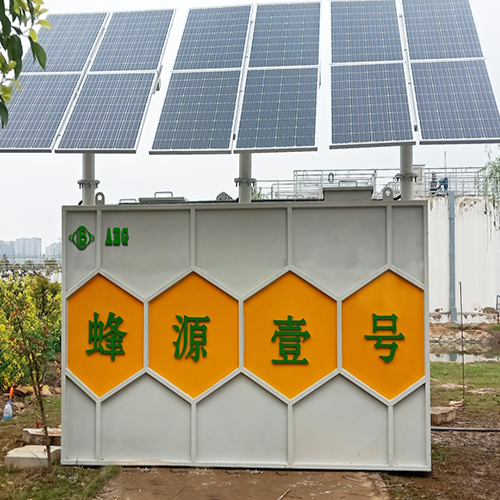
Purpose-built off-grid systems delivering safe water and wastewater treatment for rural villages, islands, and isolated settlements worldwide.
Access to clean water is a fundamental human right, yet over 2 billion people worldwide still lack safe drinking water at home — the majority residing in geographically isolated or underserved regions. Remote villages in Sub-Saharan Africa, rural Asia-Pacific islands, indigenous settlements in Latin America, and off-grid communities across Central Asia all share a common challenge: the absence of centralized water infrastructure. Connecting these areas to traditional grid-powered municipal water networks is often cost-prohibitive, logistically impractical, and environmentally damaging.
Water treatment systems for remote communities must satisfy a unique and demanding set of requirements. They must operate entirely independently of external power grids, withstand extreme environmental conditions ranging from tropical humidity to high-altitude cold, require minimal professional maintenance, and be transportable and deployable without heavy construction equipment. Above all, they must deliver water that meets WHO drinking water quality standards, eliminating bacteria, viruses, heavy metals, salinity, and organic contaminants reliably, day after day, year after year.
The convergence of solar photovoltaic technology, advanced membrane filtration (particularly reverse osmosis and ultrafiltration), IoT-enabled monitoring, and modular containerized design has created a new generation of water treatment systems that finally address all these constraints simultaneously. These technologies are not experimental — they are deployed at scale, proven in some of the world's most challenging environments, and increasingly supported by governments, NGOs, development banks, and private investors who recognize water security as a cornerstone of sustainable economic development.
The vast majority of people lacking safe drinking water live in rural or remote areas where centralized infrastructure simply does not reach. Solar-powered decentralized treatment is the proven answer.
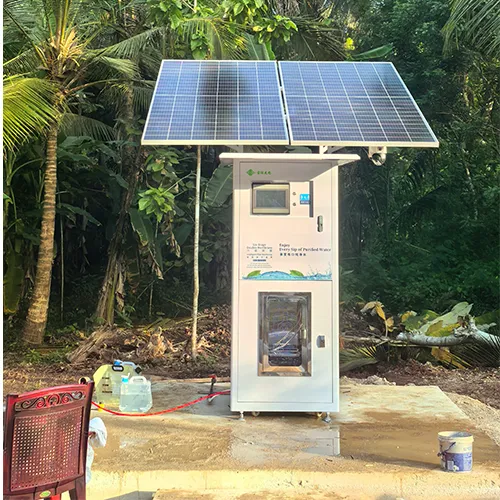
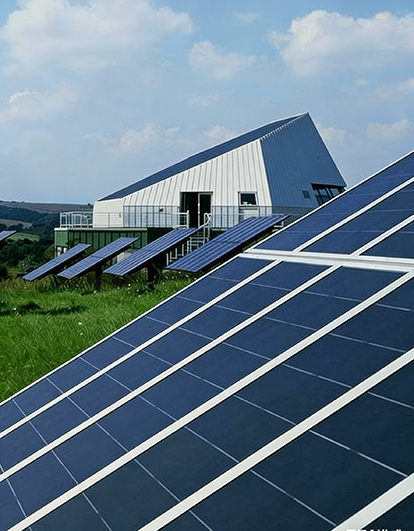
Modern solar-powered water treatment systems generate their own electricity, eliminating the need for diesel generators, fuel logistics chains, and unstable grid connections that plague remote infrastructure projects.
Purpose-built for unmanned or low-skill-operator environments, these systems use automated backwashing, self-diagnostic PLC controls, and long-life membrane materials to minimize downtime and technical support needs.
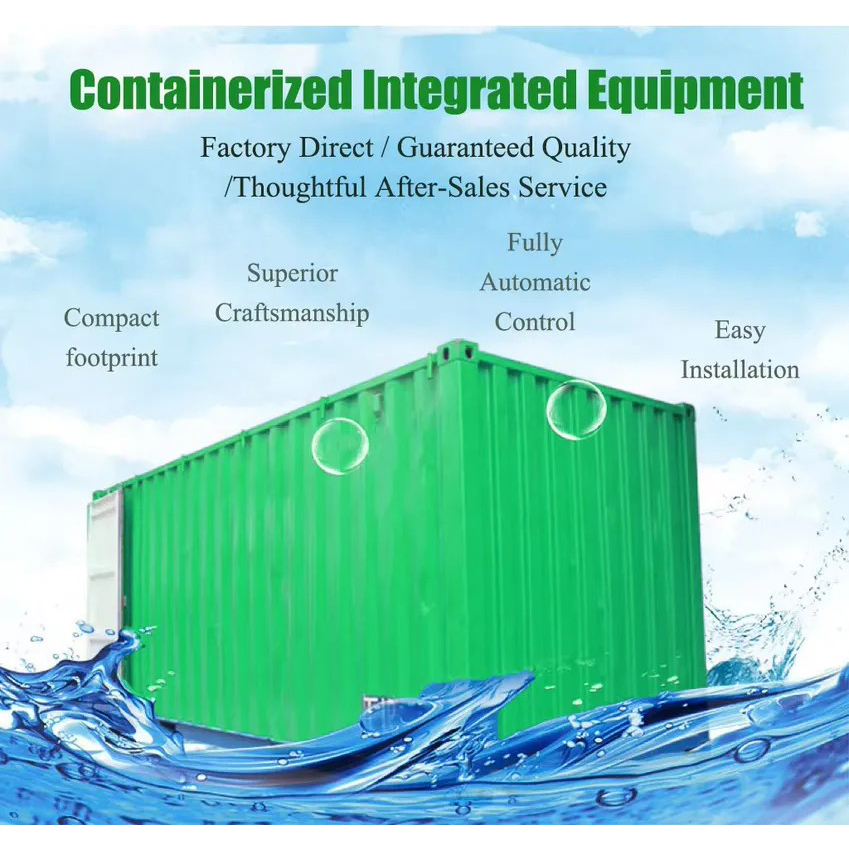
Containerized and skid-mounted designs can be shipped to any location globally, installed without civil works, and scaled by adding modules — making them ideal for both emergency response and long-term community infrastructure.
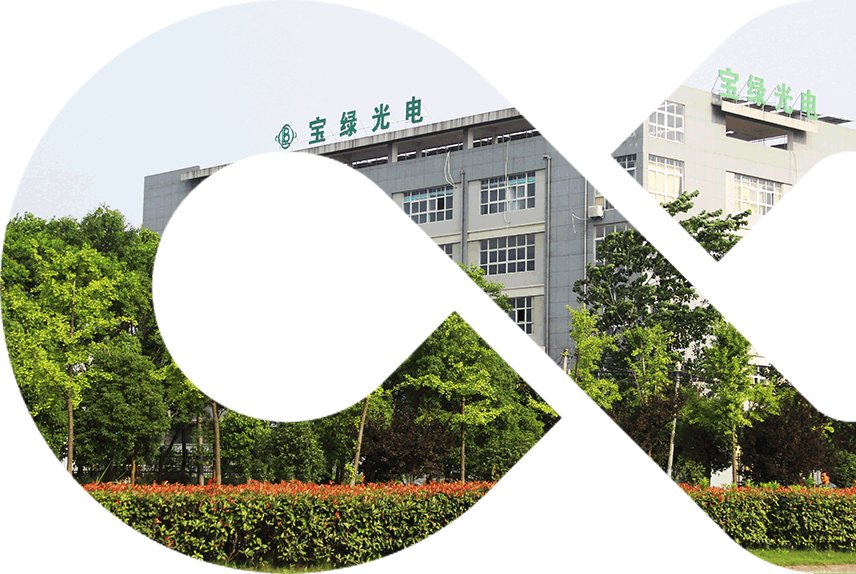
Anhui Baolv (ABG) Photoelectric Environmental Protection Equipment Co., Ltd.
Anhui Baolv (ABG) Photoelectric Environmental Protection Equipment Co., Ltd. is a high-tech enterprise wholly owned by Anhui Baolv Photoelectric Engineering Co., Ltd., focusing on R&D and manufacturing of software and hardware for pure solar-powered water environmental protection equipment. We are committed to providing customers with efficient, environmentally friendly and sustainable solutions.
LEARN MORE
The global market for decentralized and off-grid water treatment systems is experiencing rapid growth, driven by a combination of humanitarian need, government policy, and commercial opportunity. According to industry analysts, the decentralized water treatment market is projected to exceed USD 30 billion by 2030, with the off-grid solar-powered segment growing at a compound annual growth rate (CAGR) exceeding 12%. This growth is concentrated in emerging markets across Africa, Southeast Asia, South Asia, the Pacific Islands, and Latin America — all regions with significant remote and rural populations.
From a commercial perspective, the business models serving remote community water needs have evolved significantly. Early approaches relied almost exclusively on donor-funded NGO projects or government aid programs. While these remain important channels, they are increasingly complemented by:
On the industrial side, remote mining operations, offshore oil platforms, military forward operating bases, construction camps, and agricultural processing facilities all represent significant commercial customers for containerized water treatment systems. These clients demand high reliability, large throughput capacities, and integration with industrial monitoring and control systems — requirements that directly align with the advanced modular systems produced by manufacturers like ABG.
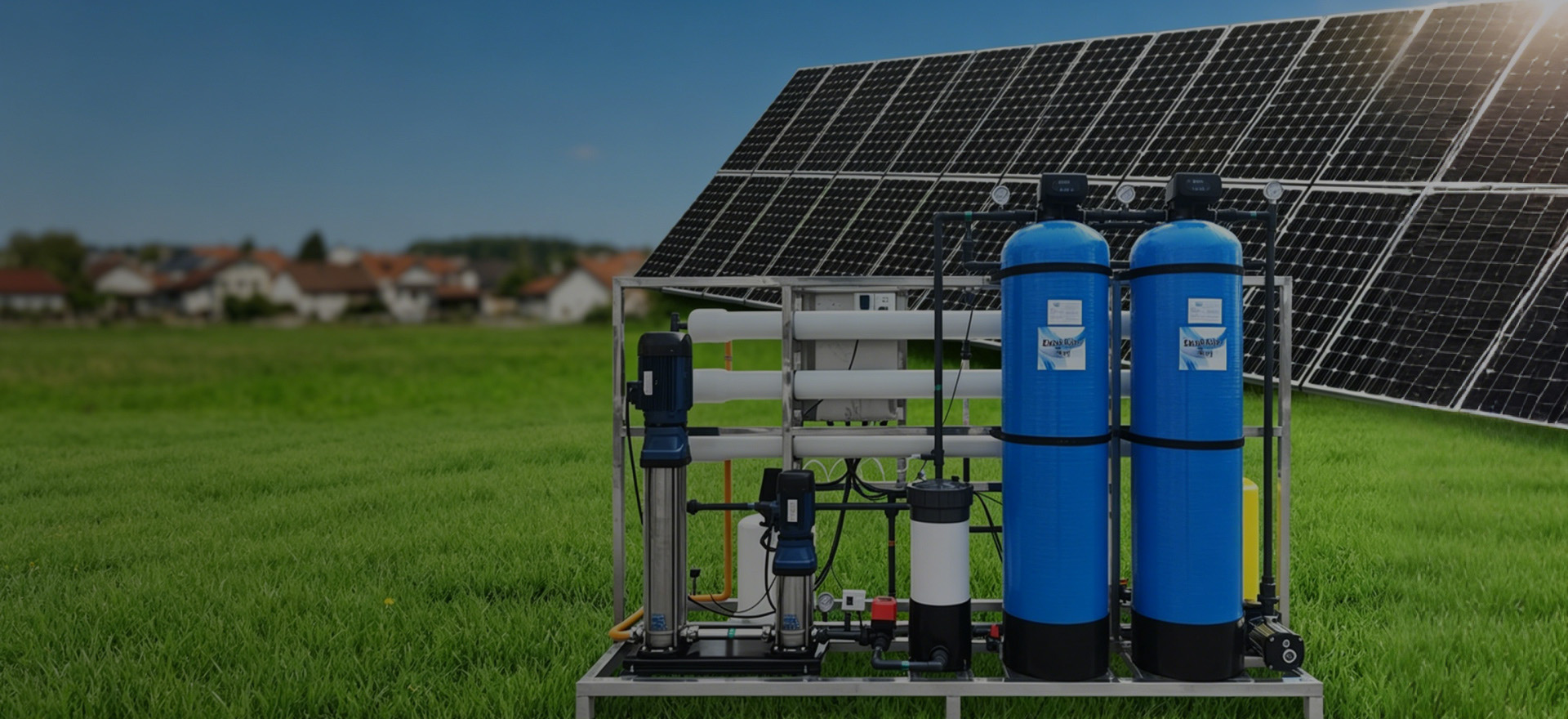
The combination of photovoltaic solar power with reverse osmosis membrane filtration has emerged as the dominant technology standard for remote community water treatment globally — delivering WHO-compliant drinking water at the lowest lifecycle cost, with zero fuel dependency and near-zero carbon emissions.
Technology, policy, and investment are converging to accelerate the deployment of next-generation water treatment systems for off-grid and remote communities.
Modern systems integrate IoT sensors, cloud-based SCADA, and AI analytics to monitor water quality, system performance, and predictive maintenance needs in real time — enabling remote management of dozens of sites from a single control center.
Lithium iron phosphate (LiFePO4) battery storage is now routinely integrated with solar water treatment systems, enabling 24/7 operation independent of sunlight availability — critical for high-latitude or monsoon-affected deployments.
High-rejection thin-film composite (TFC) membranes and ceramic ultrafiltration elements are extending service life to 5–10 years while achieving removal rates exceeding 99.9% for bacteria, viruses, and dissolved solids.
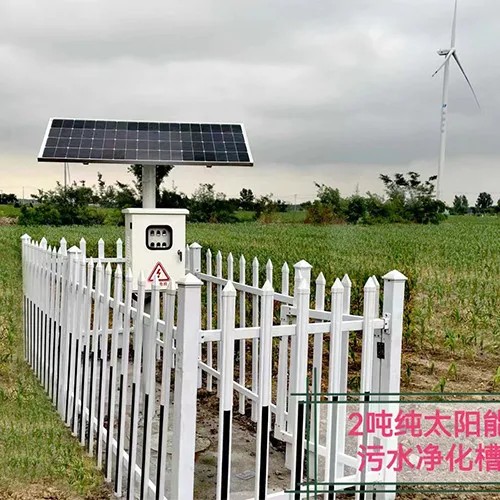
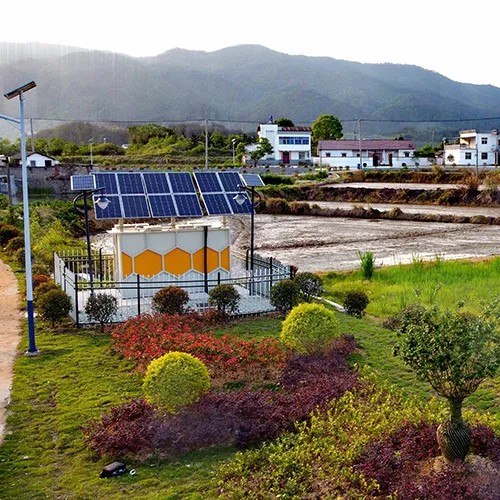
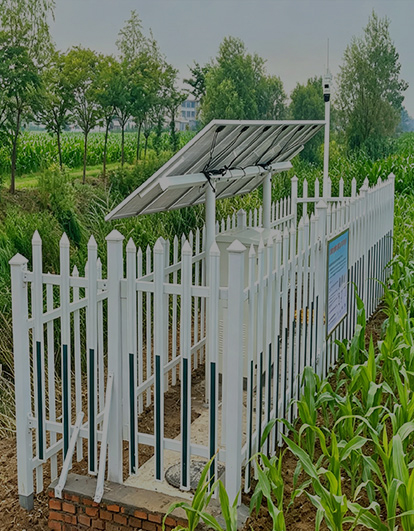
Solar-powered underground integrated sewage treatment plants eliminate surface footprint, protect equipment from vandalism and extreme weather, and allow treated effluent to be reused for irrigation directly — a critical advance for land-scarce communities.
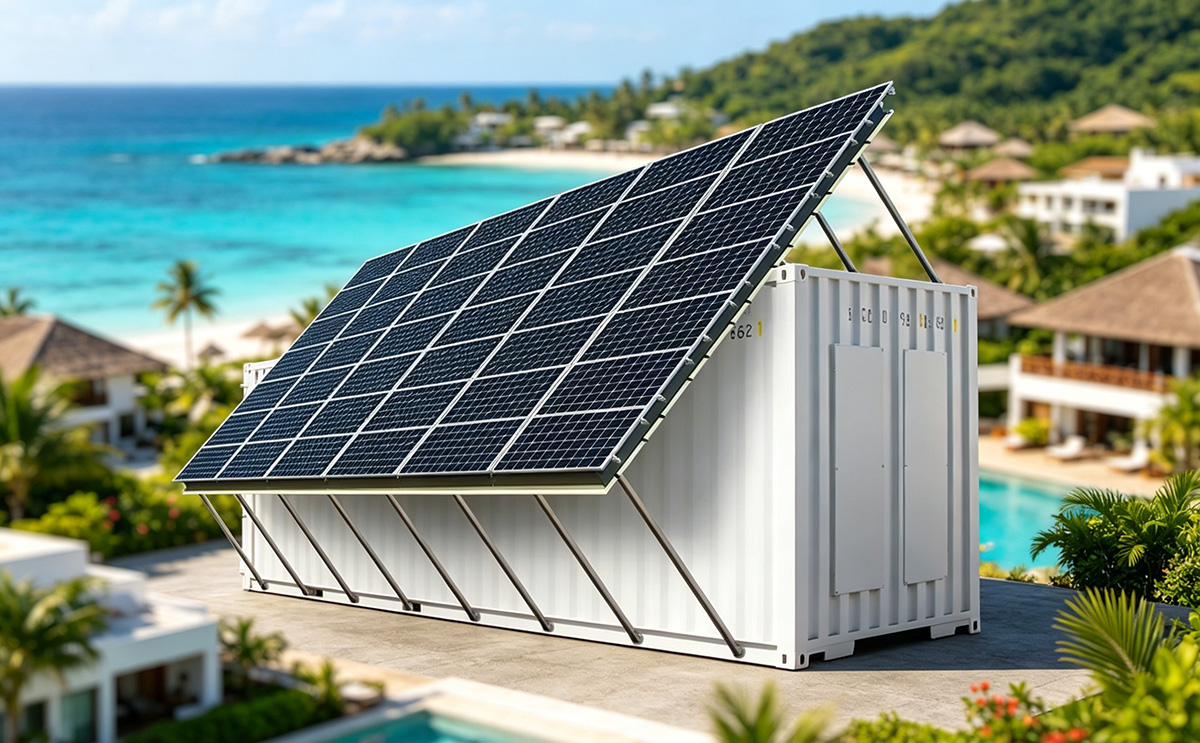
Containerized solar-RO desalination systems are now economically viable for coastal and island communities at capacities from 250 L/hour to 100,000 L/day, opening freshwater access for millions of coastal populations previously dependent on rainwater or shipped water.
Integrated systems that combine drinking water treatment, greywater recycling, blackwater biotreatment, and agricultural reuse are enabling complete circular water cycles within communities — eliminating all external water and energy inputs.
Baolv's one-stop energy-saving solutions cut costs, boost efficiency and turn energy-intensive enterprises into energy-saving benchmarks, winning wide acclaim.


Fully solar-powered for complete, off-grid energy independence.


Flexible, building-block design adapts to diverse application scenarios.


Built for harsh, unmanned areas with minimal maintenance required.


One-time investment enables long-term, zero-carbon and zero-cost operation.
Understanding the specific deployment contexts for water treatment systems in remote communities reveals the extraordinary breadth of real-world need and the sophistication required of modern solutions.
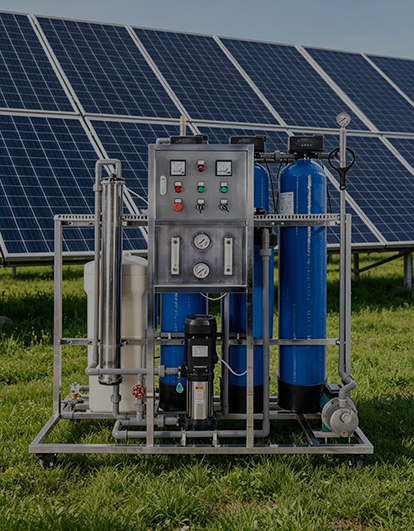
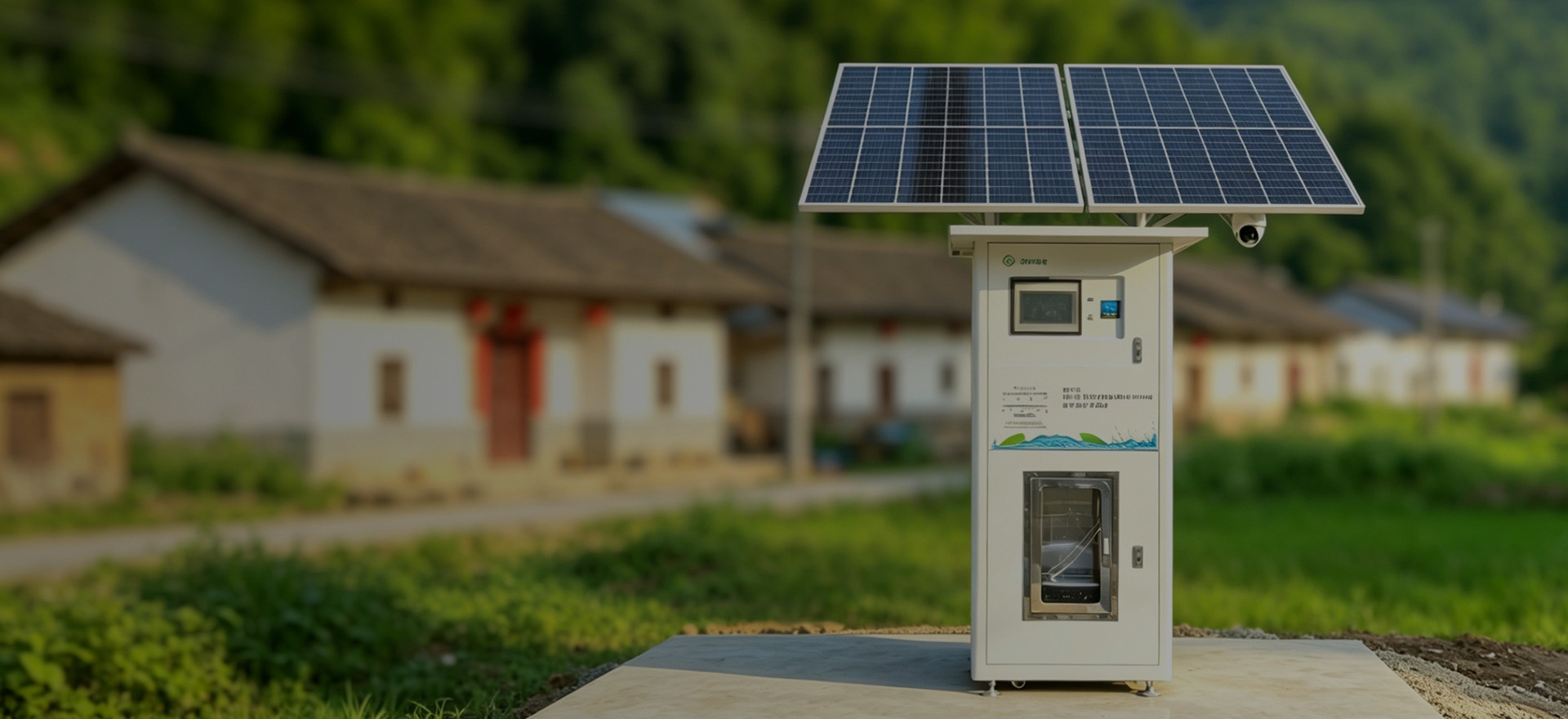
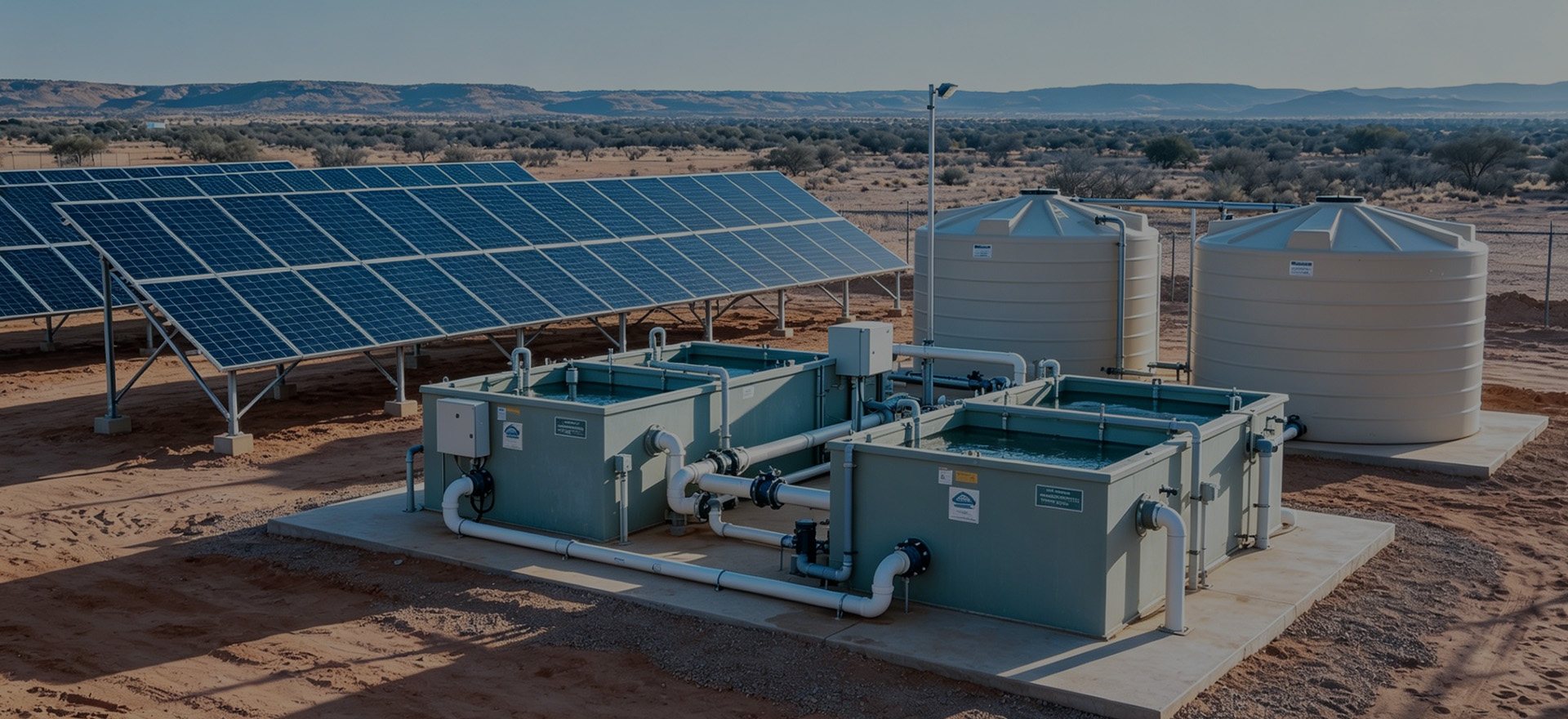
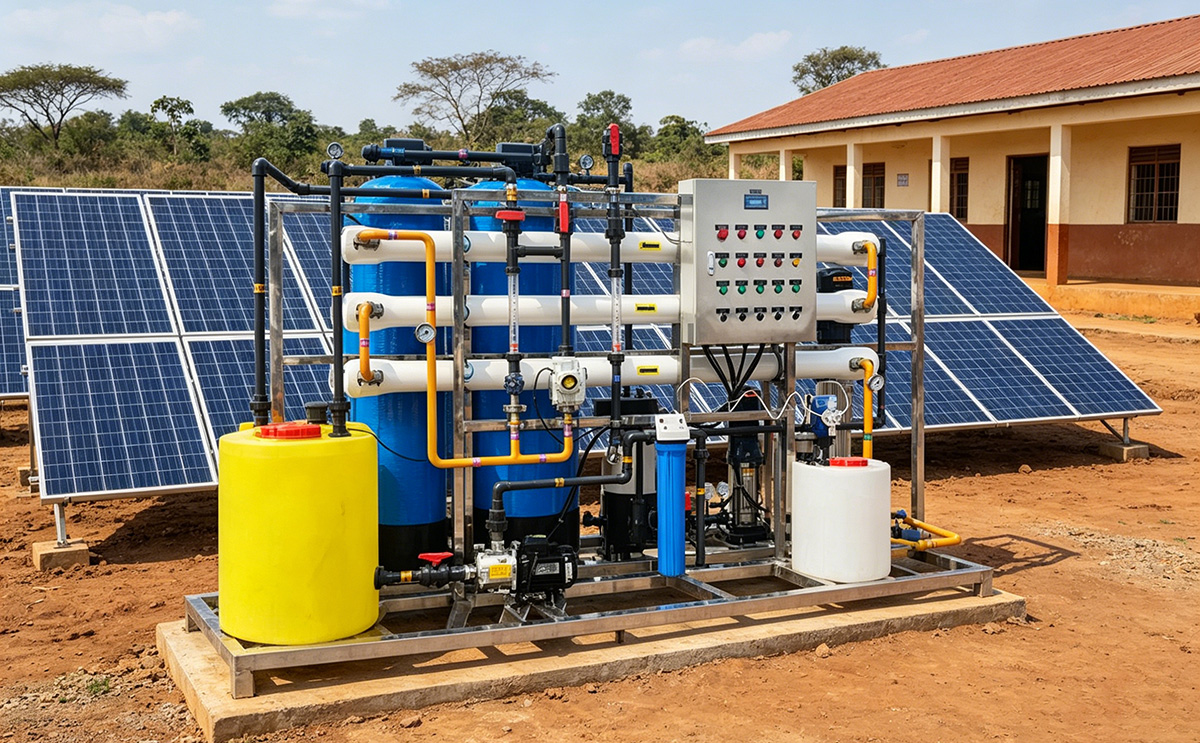
Villages of 200–5,000 people in rural Africa, South Asia, and Southeast Asia represent the largest addressable population for decentralized water treatment. The typical scenario involves groundwater of variable quality — often high in fluoride, arsenic, iron, or bacterial contamination — with no electricity supply. Solar-powered RO or ultrafiltration systems sized at 1,000–50,000 L/day are ideal, providing centralized point-of-use water kiosks that serve entire villages. These systems can be managed by a trained local operator with minimal support, and remote IoT monitoring ensures quality compliance without requiring on-site engineers.
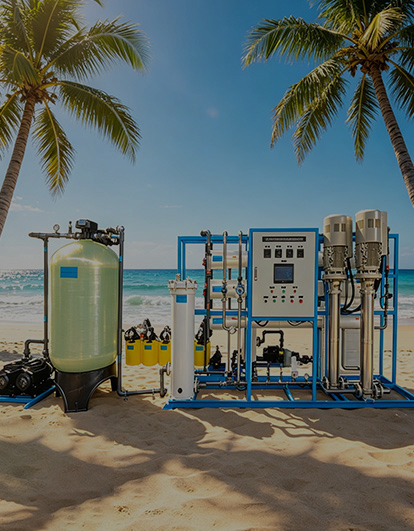
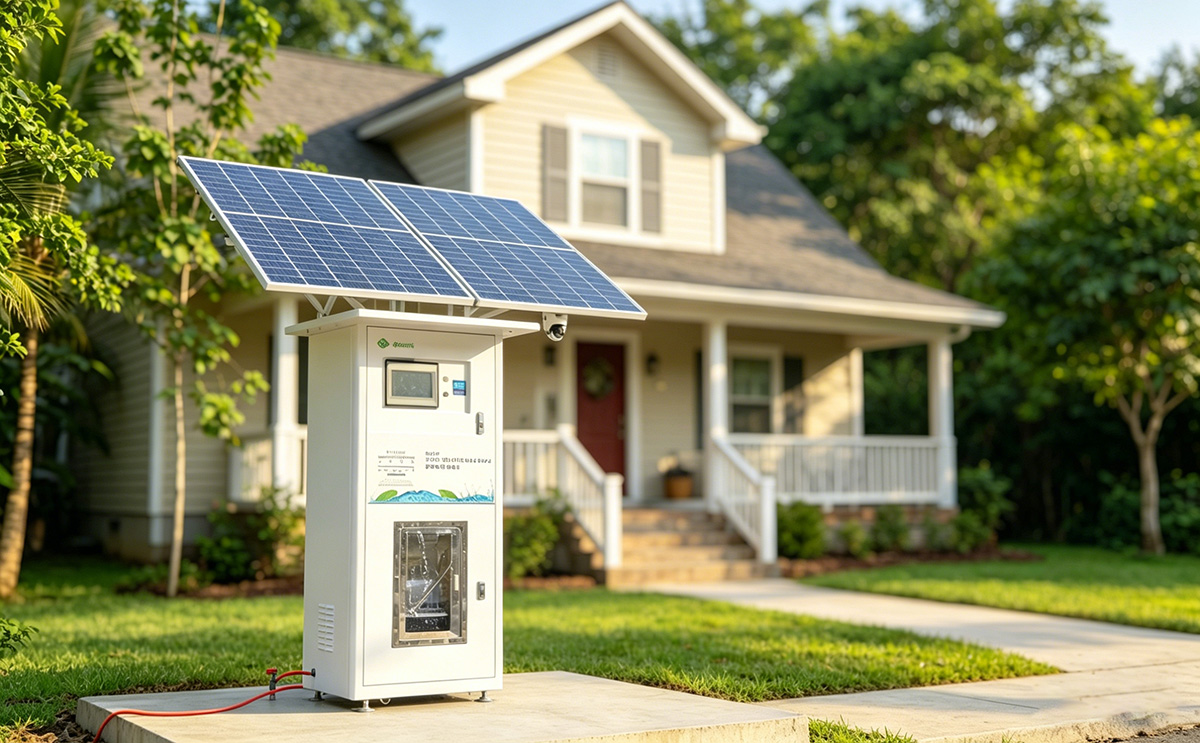
Island communities and coastal villages face the unique challenge of abundant saltwater and scarce freshwater. Solar-powered seawater desalination using reverse osmosis technology has transformed water security for thousands of Pacific, Caribbean, and Indian Ocean island communities. Systems ranging from 250 L/hour residential units to 40-foot containerized plants producing 100,000+ L/day now provide reliable freshwater at costs far below imported bottled water or diesel-powered desalination. The elimination of fuel logistics alone can reduce water production costs by 60–80% compared to diesel RO plants.
The global eco-tourism market increasingly demands that resorts and lodges operate with minimal environmental footprint. Remote eco-resorts, safari lodges, mountain retreats, and island boutique hotels require complete water independence — both for drinking water supply and for wastewater treatment that protects sensitive ecosystems. Solar-powered decentralized wastewater treatment plants prevent discharge of untreated sewage into pristine natural environments, while solar-RO systems eliminate the need for bottled water delivery — a significant operating cost and plastic waste source. Properties can market their water independence as a sustainability credential, appealing to the growing segment of environmentally conscious travelers.
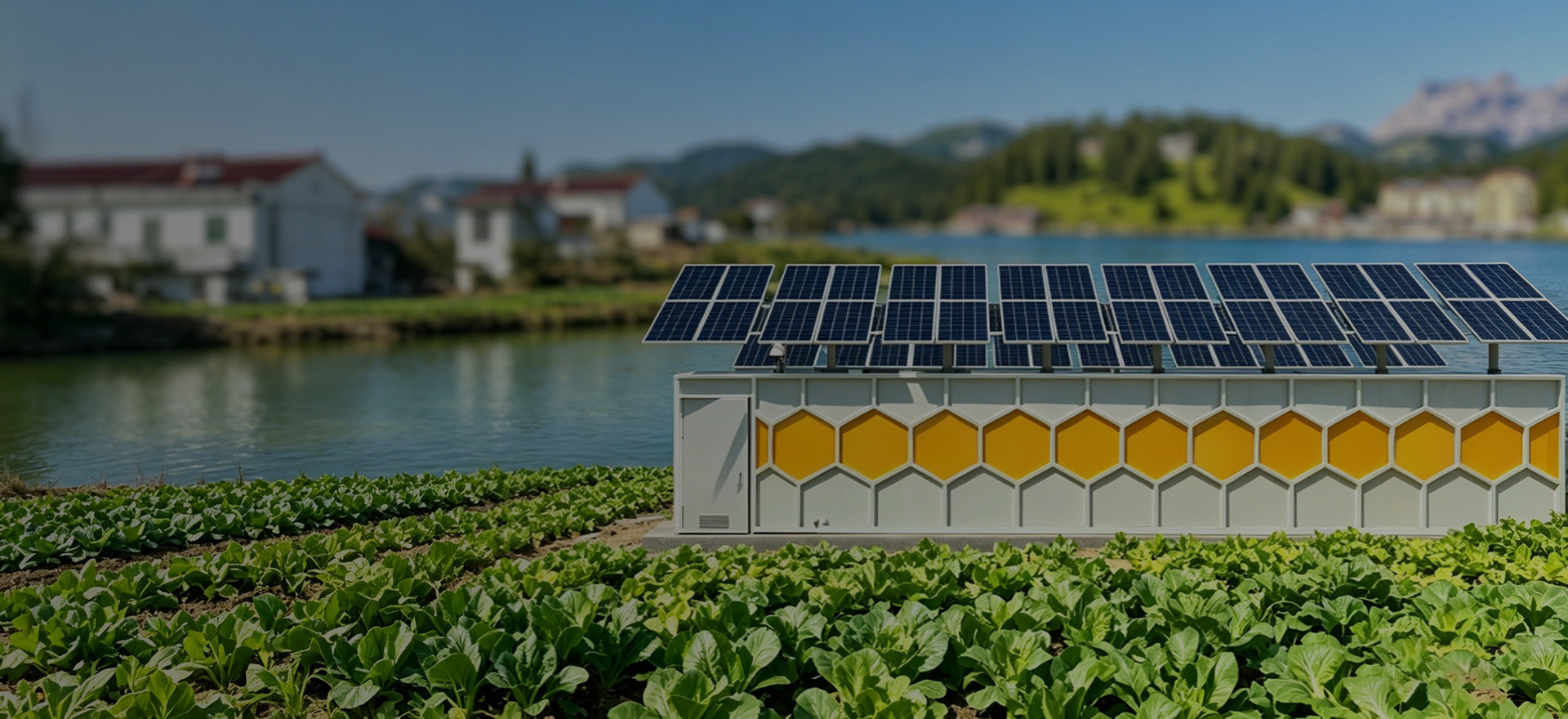
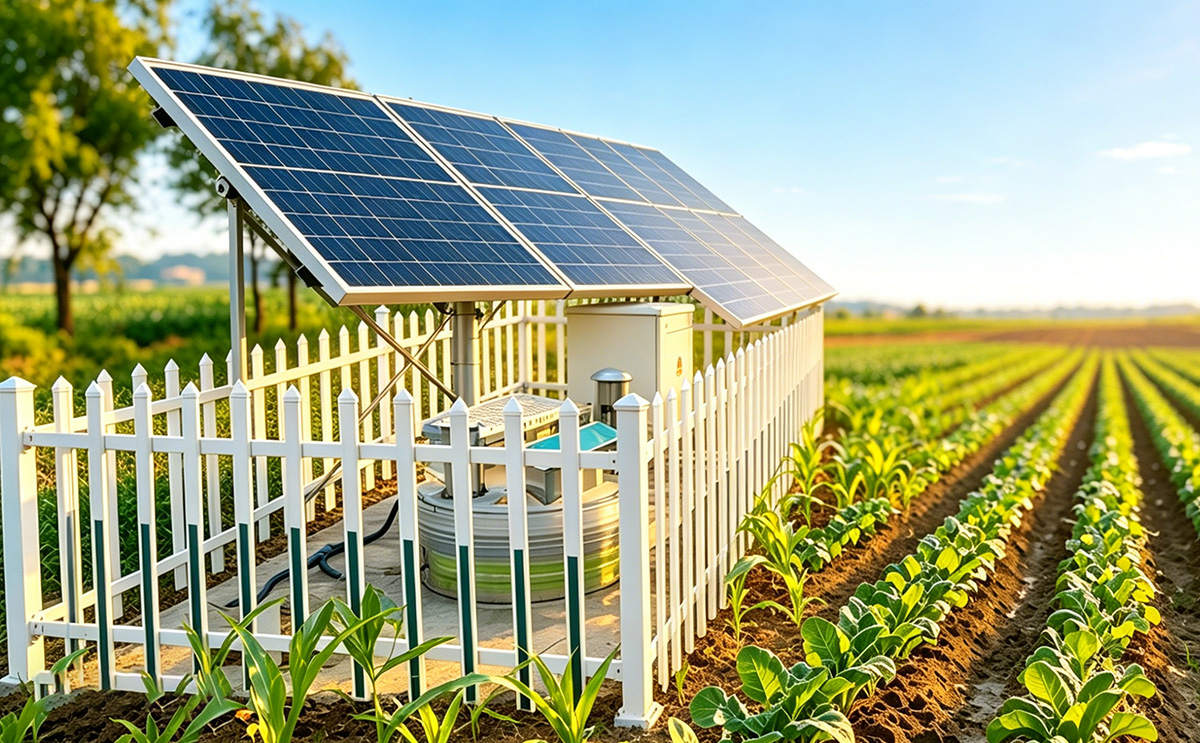
Agricultural operations in arid remote regions — from smallholder farms to large commercial plantations — require reliable water supply and, increasingly, treated water for irrigation that meets food safety standards. Solar-powered pumping and filtration systems enable drip irrigation in areas with no grid power, dramatically increasing crop yields and water use efficiency. For aquaculture facilities in coastal or inland remote areas, water quality treatment is critical for fish health and production output. Containerized water treatment systems can be deployed at farm level, providing both process water treatment and domestic water supply for farm workers.
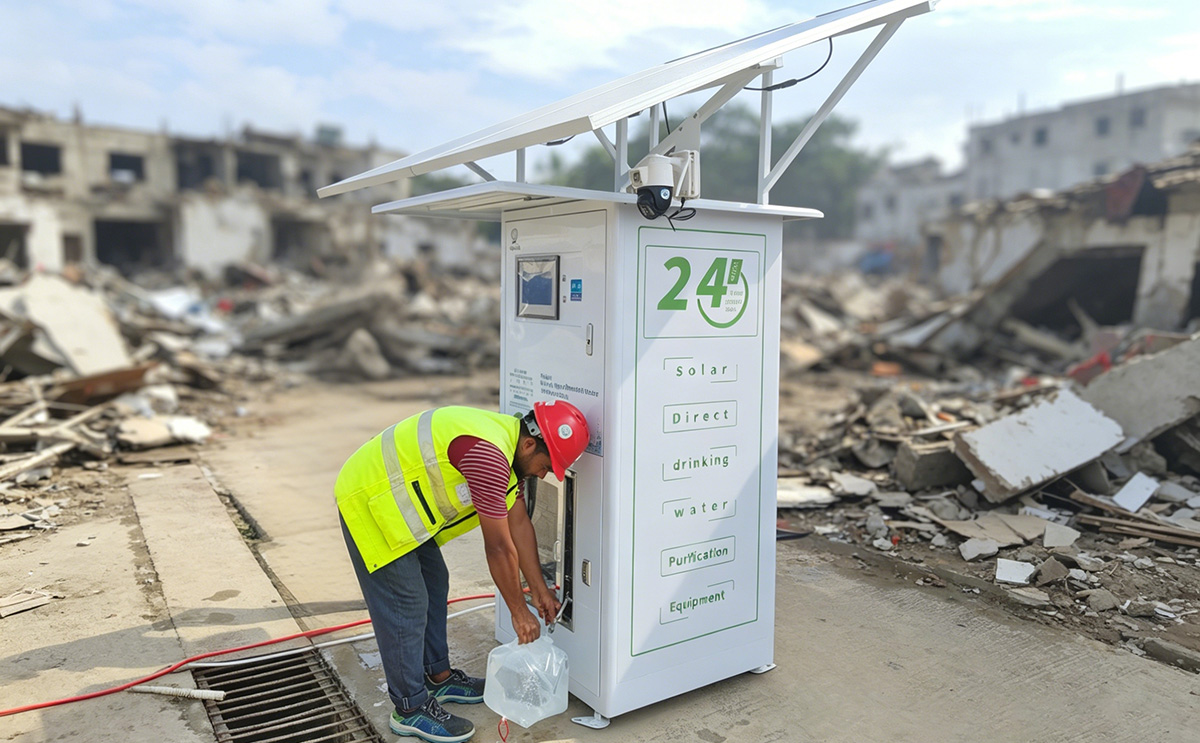
Natural disasters — floods, earthquakes, typhoons — and conflict situations destroy water infrastructure, creating acute public health emergencies within days. Rapid-deployment solar-powered water purification units can be airlifted, shipped, or trucked to disaster zones and operational within hours, providing safe drinking water for thousands of displaced people. Unlike diesel-powered emergency water units, solar systems require no fuel resupply — a critical advantage in scenarios where logistics chains are disrupted. The same modular containerized systems used for permanent community installations can be repurposed for emergency response, providing dual-use value.
Mining camps, oil exploration sites, construction camps, and military forward operating bases in remote locations require reliable water supply for hundreds to thousands of personnel, as well as industrial process water. Containerized solar-powered water treatment systems — sized from 10 m³/day to 1,000 m³/day — provide a turnkey solution that eliminates the need for water trucking, diesel generation, and complex civil water infrastructure. Integration with intelligent monitoring systems enables facility managers to track water quality and consumption remotely, supporting both operational efficiency and regulatory compliance.

Applications & Case
At Baolv Optoelectronics, we provide tailored solar-powered water and energy systems that empower resilience and sustainable growth — from remote rural areas to emergency response scenarios.
Go to Project Applications


We are committed to providing customers with efficient, environmentally friendly and sustainable solutions.

Place of Origin: Anhui, China
Brand Name: BL
Certification: ISO9001, ISO14001, ISO45001, CQC
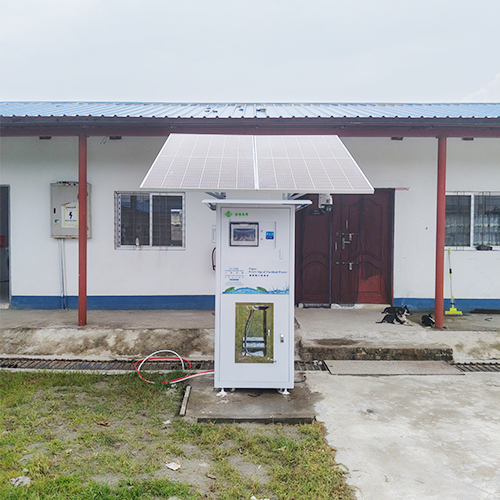
Model Number: BLCT-G050

Place of Origin: Anhui, China
Brand Name: BL
Certification: ISO9001, ISO14001, ISO45001, CQC
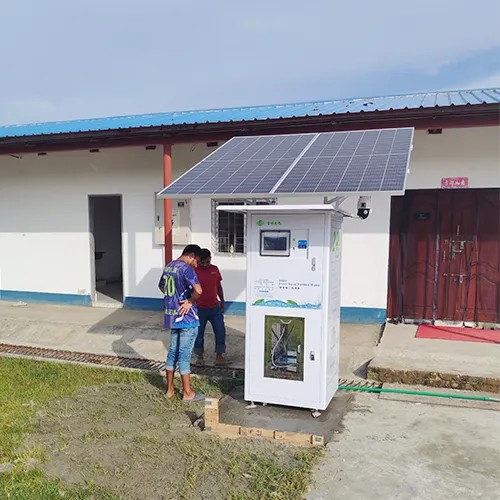
Model Number: BLCT-G050

Place of Origin: Anhui, China
Brand Name: BL
Certification: ISO9001, ISO14001, ISO45001, CQC
Model Number: BLCT-G050


Our solar-powered water treatment systems for remote communities are trusted by governments, NGOs, and commercial operators across more than 55 countries worldwide.
Our customers are spread all over the world, and now our products have been sold to over 80 countries worldwide. We are also committed to providing high-quality packaging for the world's top companies.
From household solar purifiers to industrial-scale containerized desalination plants — explore our full range of off-grid water solutions.